
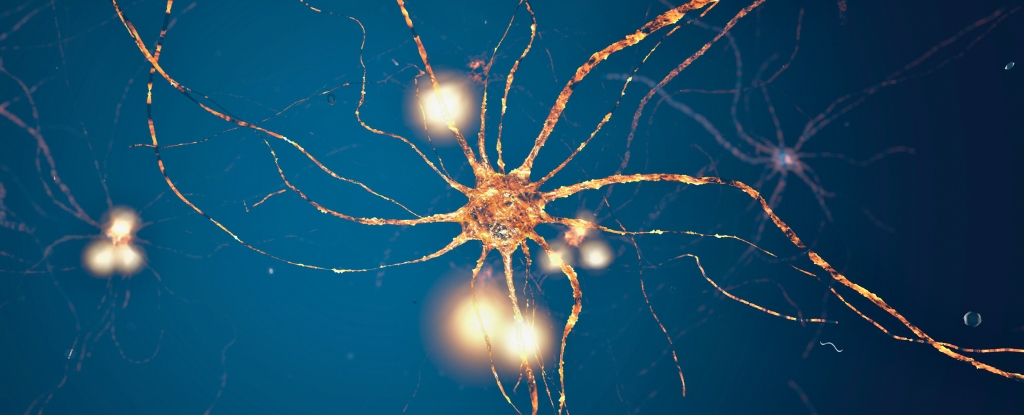
Scientists from the Human Brain Project have discovered that neurons in the brain are distributed according to a lognormal distribution, a mathematical pattern that could help in understanding brain function and developing treatments for neurological diseases. This distribution pattern, found across various species and brain regions, suggests that the brain's structure may be more than a byproduct of evolution and could be computationally advantageous. The findings, which are the result of analyzing open-source datasets from seven different species, may influence future neuroscience research and therapeutic approaches.
The EU-funded Human Brain Project (HBP) concludes after ten years, celebrating its successful completion with a scientific symposium. The project, involving 155 institutions from 19 countries and a budget of 607 million euros, has made significant contributions to understanding the complexity of the human brain. Highlights include a detailed digital atlas of the brain, personalized virtual models of patient brains, breakthroughs in artificial intelligence, and the creation of an open digital research infrastructure called EBRAINS. The project's achievements have advanced brain research, medicine, and technology.
Researchers from the Human Brain Project have identified the origin of characteristic brain waves associated with disorders of consciousness (DoC) by coupling measurements of brain waves with glucose usage in specific brain areas. The study reveals the role of subcortical areas in driving cortical activity associated with consciousness and highlights the importance of understanding the electro-metabolism of the brain for better diagnosis and treatment of DoC.
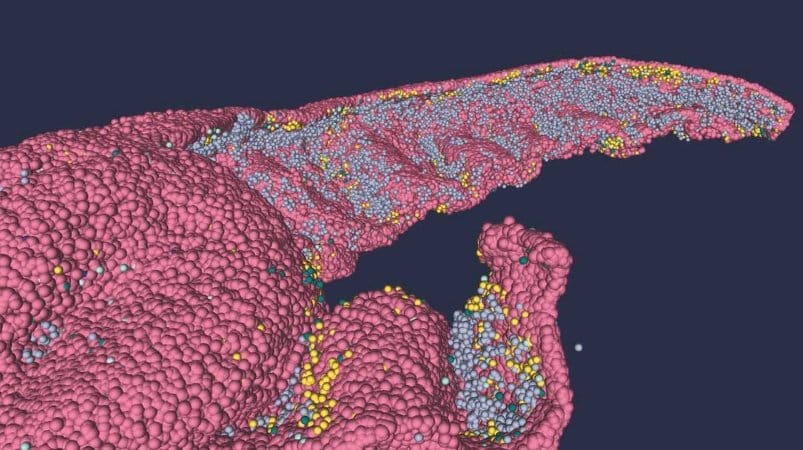
Researchers from the Human Brain Project have developed a high-resolution 3D model of the CA1 region of the human hippocampus, replicating the structure and architecture of the area, along with the position and relative connectivity of the neurons. The dataset is available in the BigBrain Atlas and will soon be available on EBRAINS. The same methodology could be applied to generate full-scale models of other human brain areas and also to be integrated in a co-simulation environment such as The Virtual Brain.