SoftBank is acquiring DigitalBridge in a $4 billion deal to bolster its AI infrastructure investments, aiming to develop next-generation AI data centers and advance its vision of Artificial Super Intelligence, with DigitalBridge continuing to operate as a separate platform.
SoftBank is acquiring DigitalBridge for $4 billion to strengthen its AI-related portfolio and expand its digital infrastructure investments, aiming to capitalize on the growing demand for AI computing capacity.
Anthropic plans to invest $50 billion in new data centers across the US to expand its digital infrastructure, reflecting a significant commitment to growth in the AI and technology sectors.
Core Scientific announced that it did not receive enough votes from stockholders to approve its merger with CoreWeave, as disclosed in a recent special meeting. The company focuses on digital infrastructure and digital asset mining, with plans to expand into high-density colocation services and AI workloads.
Microsoft Azure experienced a significant outage caused by an inadvertent configuration change, affecting its cloud services, including 365, Xbox, and Minecraft, highlighting the fragility of a digital ecosystem heavily reliant on a few major tech companies.
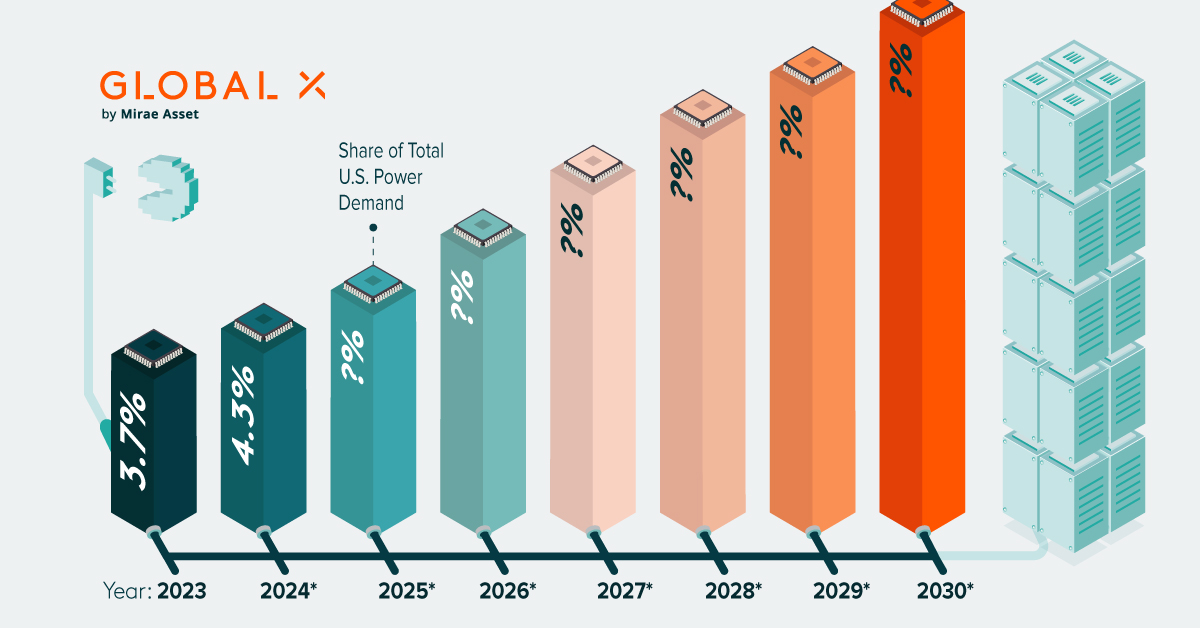
U.S. data centers' electricity consumption is projected to increase from 3.7% in 2023 to 11.7% of total U.S. power demand by 2030, reaching 606 terawatt-hours, driven by growth in AI and internet usage.
Apollo Global Management is acquiring a majority stake in Stream Data Centers to capitalize on the rising demand for digital infrastructure driven by AI, with plans to develop data centers in major US cities and potentially invest billions in this sector.
CoreScientific's shares surged over 25% as CoreWeave rekindled talks to acquire the bitcoin mining and hosting company, signaling potential consolidation in AI and digital infrastructure sectors. The deal, possibly involving a significant premium over CoreScientific's $3.7 billion valuation, follows a previous rejected bid and reflects growing investor interest in AI-related infrastructure, with CoreWeave's valuation rising sharply since its IPO.
A debate is intensifying within the software industry over the definition of open-source AI, with significant implications for companies that align with the prevailing interpretation. This discussion highlights the dual nature of the industry: one side focused on revenue-generating products and services, and the other on the collaborative development of foundational software tools. The outcome of this debate could determine which companies gain a competitive edge in the rapidly evolving AI landscape.
The EU-funded Human Brain Project (HBP) concludes after ten years, celebrating its successful completion with a scientific symposium. The project, involving 155 institutions from 19 countries and a budget of 607 million euros, has made significant contributions to understanding the complexity of the human brain. Highlights include a detailed digital atlas of the brain, personalized virtual models of patient brains, breakthroughs in artificial intelligence, and the creation of an open digital research infrastructure called EBRAINS. The project's achievements have advanced brain research, medicine, and technology.
Germany's Federal Minister for Digital and Transport, Volker Wissin, used India's Unified Payments Interface (UPI) to make a payment, highlighting India's impressive digital infrastructure. The German Embassy praised India's success in digital payments, with UPI accounting for over half of India's digital transactions. Several countries, including Sri Lanka, France, UAE, and Singapore, have collaborated with India on fintech and payment solutions, and India has also agreed to employ the UPI payment mechanism with France.