James Webb Telescope Data Challenges Current Understanding of Universe's Expansion
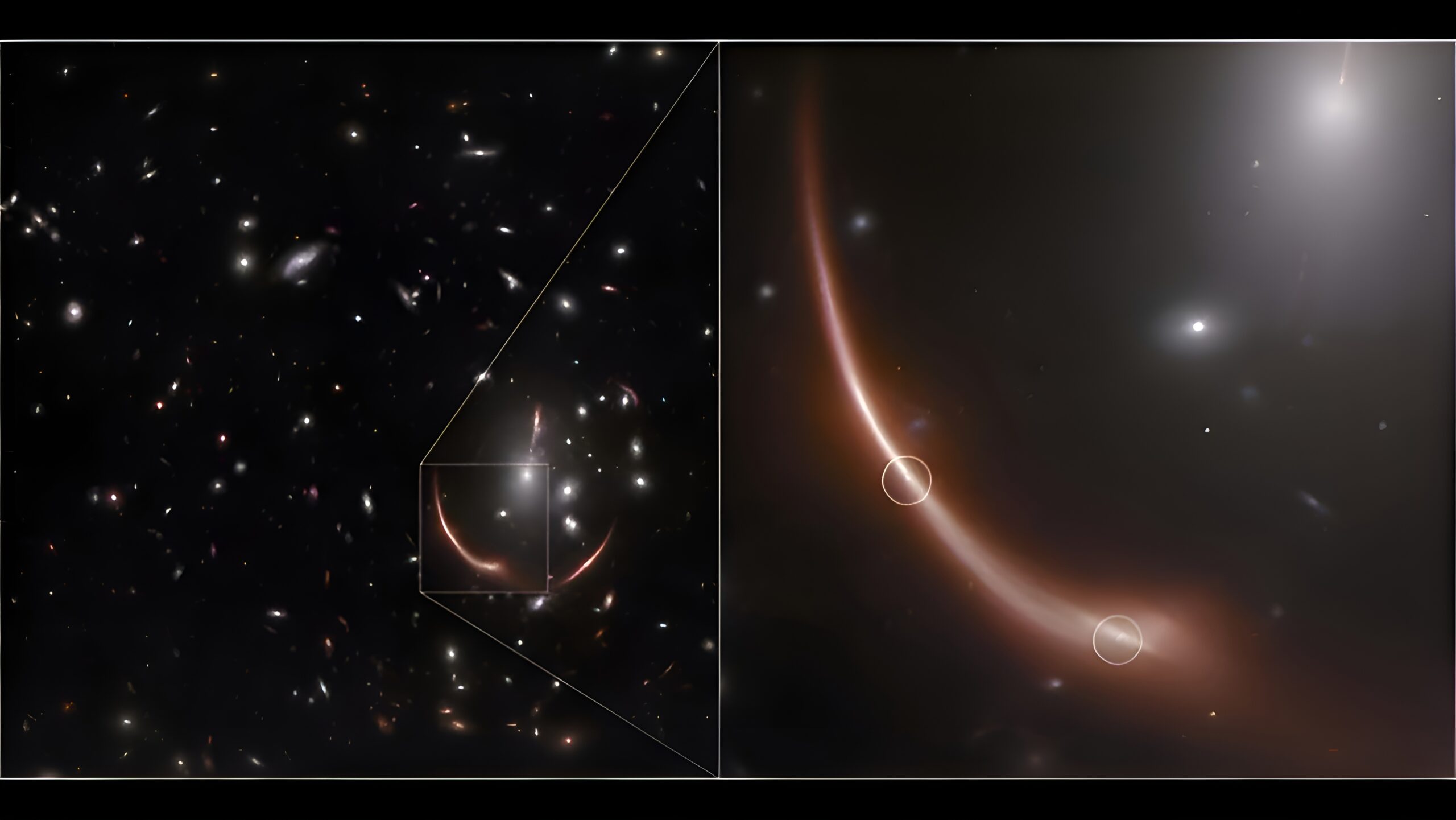
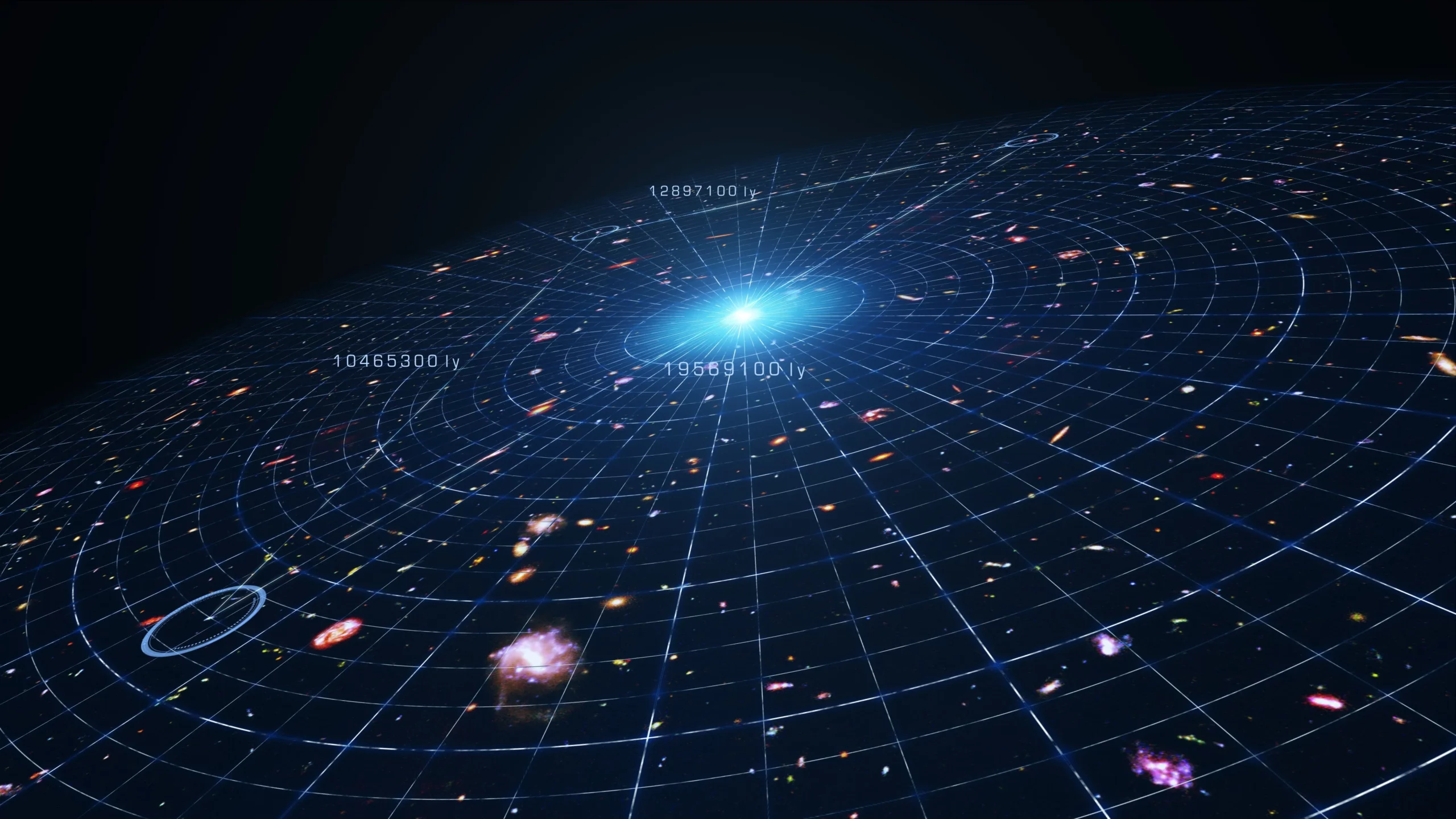
The James Webb Space Telescope (JWST) has provided new data that intensifies the "Hubble tension," a discrepancy in measurements of the universe's expansion rate. While the cosmic microwave background suggests a Hubble constant of about 67 km/s/Mpc, measurements using Cepheid variable stars indicate around 73 km/s/Mpc. JWST's findings align with the latter, suggesting the universe's expansion may involve unknown physics, such as early dark energy or new properties of dark matter, challenging current cosmological models.