The article highlights two promising growth stocks, Figma and CoreWeave, which are positioned to benefit from the expanding AI market. Figma is a cloud-based UI/UX design tool company with strong growth prospects, while CoreWeave is a cloud infrastructure provider for AI tasks, with rapid revenue growth and significant expansion plans. Both stocks are considered good long-term investments despite current valuation concerns.
The AI market is expected to splinter in 2026, with increased differentiation between companies that develop AI products, those investing heavily in AI infrastructure, and startups. Investors are becoming more cautious, focusing on companies' cash flows and business models, as the market experiences volatility and potential bubbles. The evolving business models of Big Tech and the increasing reliance on debt for AI infrastructure are key factors shaping this future landscape.
Michael Burry, known for predicting the 2008 housing bubble, has made a billion-dollar bet against two leading AI companies, Nvidia and Palantir, by purchasing put options, suggesting he expects their stock prices to decline despite strong recent earnings and growth in the AI sector. This move raises questions about whether he sees an AI bubble forming, but investors are advised to focus on long-term, solid companies and maintain diversification regardless of short-term market movements.
AMD reported strong Q3 earnings with record revenue of $9.25 billion, driven by growth in data center, client, and gaming segments, and expects Q4 revenue of around $9.6 billion. Analyst Cowen anticipates positive developments at AMD's upcoming Analyst Day, including updates on AI market share and new products, leading to a bullish outlook with a raised price target of $290 and a Buy rating. Overall, AMD's prospects appear promising as it aims to compete with Nvidia and expand in AI and CPU markets.
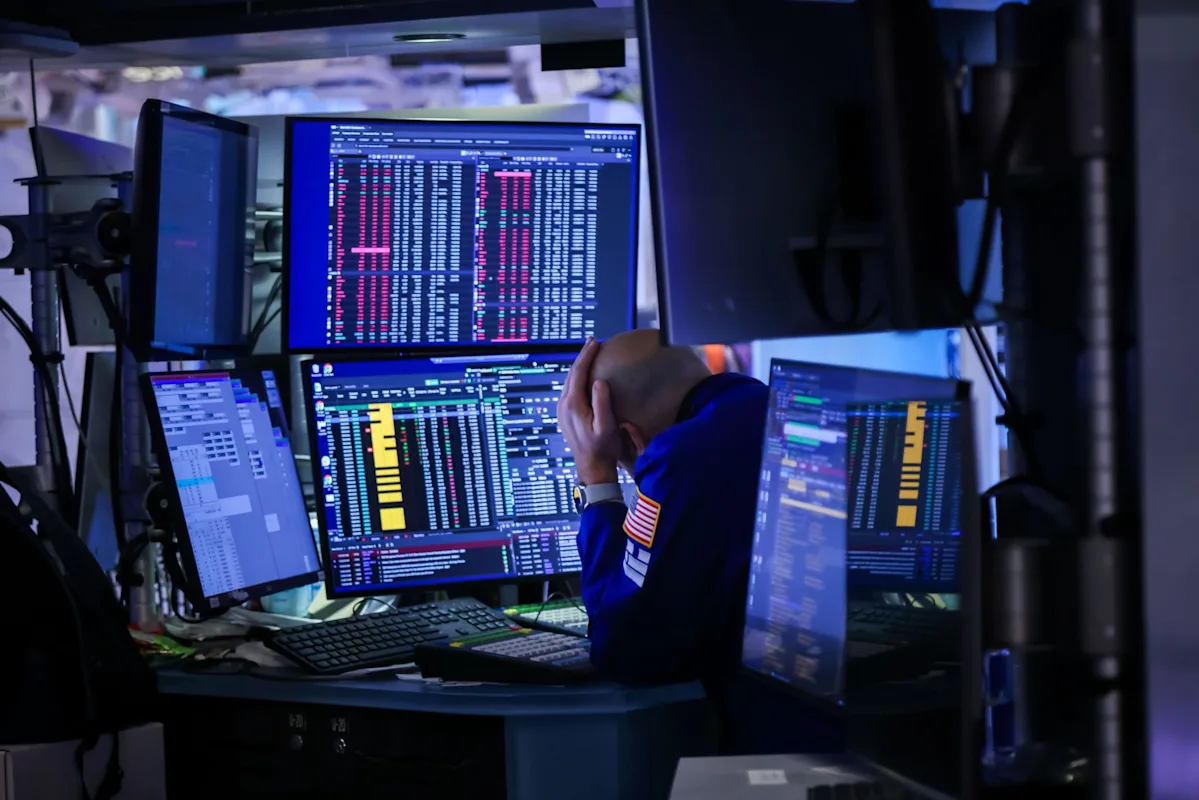
A top analyst warned of potential risks like a 'prisoner’s dilemma' and an 'AI wobble' in the stock market, which proved prescient as tech stocks, especially Palantir, experienced a sharp decline despite strong earnings, highlighting vulnerabilities in a concentrated market heavily reliant on a few AI leaders.
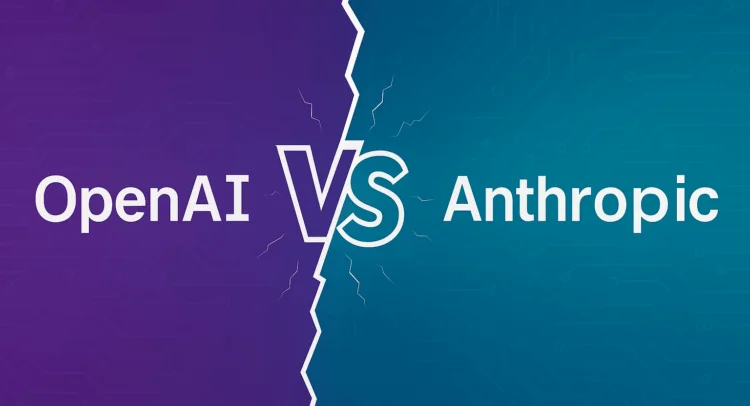
OpenAI and Anthropic are two leading AI companies with different strategies: OpenAI targets the mass consumer market with ChatGPT and aims for scale and potential advertising revenue, while Anthropic focuses on enterprise clients with specialized AI tools, leading to steadier income. Both rely heavily on cloud providers like Google, Amazon, and Nvidia to power their models, but their approaches reflect contrasting paths to profitability—volume versus value.
AMD is aggressively expanding into the AI market with major deals like a partnership with OpenAI and a collaboration with Oracle, aiming to challenge Nvidia's dominance. However, the high costs, strategic risks, and market competition suggest that AMD's stock is currently overvalued and should be rated a Hold until its partnerships translate into tangible financial results.
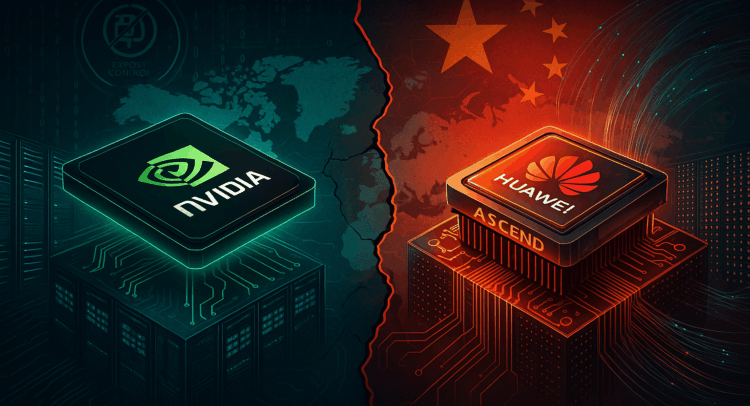
Huawei has announced a new chip strategy aimed at competing with Nvidia in the AI market, signaling its intent to strengthen its position in the semiconductor industry.
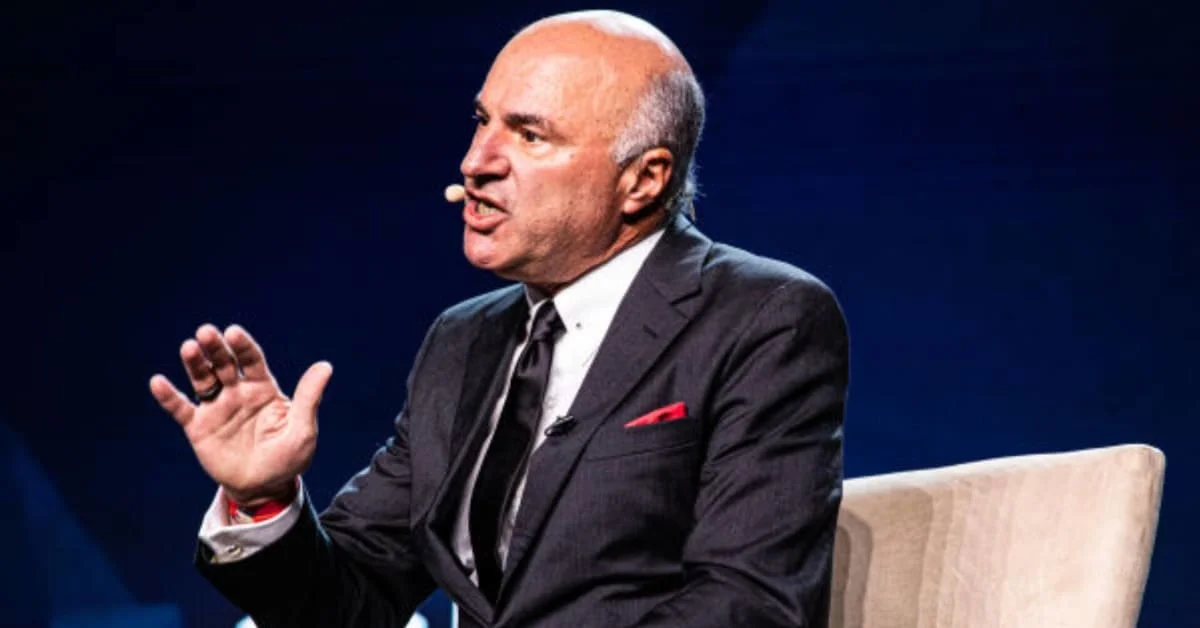
Intel faces significant challenges with declining market share and financial struggles, prompting the US government to acquire a nearly 10% stake in the company. Shark Tank's Kevin O'Leary criticizes this move, calling Intel a failing company that should have been sold off years ago. Despite efforts by new CEO Tan to cut costs and pivot towards AI, skepticism remains about Intel's ability to regain its former dominance in the semiconductor industry.
The article discusses the ongoing debate among business and tech leaders about whether the AI industry is experiencing a bubble, with opinions ranging from concerns about overexcitement and overvaluation to confidence in AI's long-term potential.
An MIT report highlighting the limited success of many generative AI pilots has caused concern about an AI bubble, leading to a market downturn for AI stocks. However, analysts see an opportunity for companies like IBM and Accenture to help enterprises overcome AI deployment challenges, potentially benefiting from increased demand for IT modernization services. Despite a recent dip, some tech stocks like IBM and Cisco showed minor gains, while others like Nvidia and Palantir declined amid broader market volatility.
Jim Chanos warns of a potential market correction due to a slowdown in AI demand, comparing the current AI boom to the 1990s tech bubble, and criticizes the valuation practices of Bitcoin treasury companies and Tesla, highlighting risks of overvaluation and market exuberance.
This week in markets features Apple's WWDC, GameStop's earnings and bitcoin investment, inflation data ahead of Fed meetings, and updates from AI-focused companies like Oracle and Adobe, amid ongoing trade tensions and economic concerns.
Nvidia is poised to outperform the market due to its dominant position in the AI GPU market, a strong ecosystem, growth in non-Chinese markets, expansion in smaller business segments, and reasonable valuation, despite recent setbacks.
Nvidia's stock has surged over 185% this year due to its dominance in the AI market, holding an 80% share with its GPUs in high demand from tech giants like Oracle and Tesla. The company is set to present at the UBS Global Technology and AI Conference on Dec. 3, potentially providing updates on its Blackwell architecture and chip launch. While a positive update could lead to short-term gains, Nvidia's strong growth prospects suggest long-term investors may not need to rush into buying before the conference.