Tag

Hiv 1

All articles tagged with #hiv 1

science2 years ago

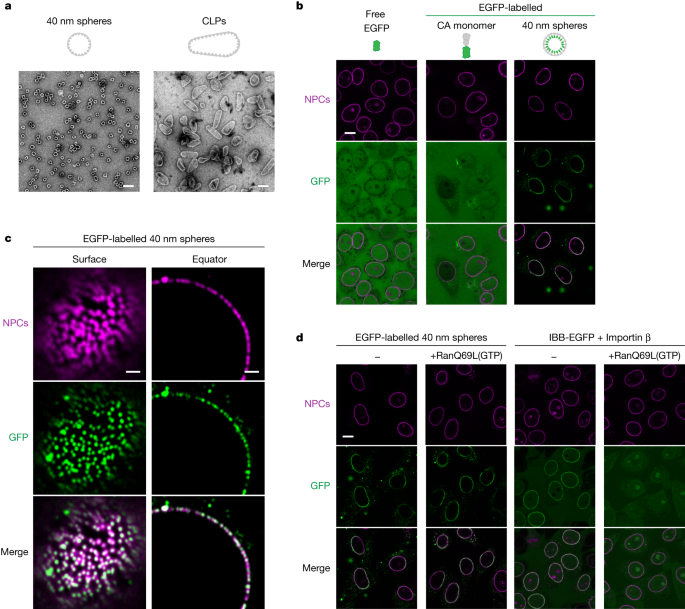
"Mimicking Karyopherin Engagement: HIV Capsids and Nuclear Pores"

Researchers have discovered that the HIV-1 capsid, composed of capsid protein (CA) molecules, can autonomously target and enter nuclear pore complexes (NPCs) without the assistance of host nuclear transport receptors (NTRs). The capsid's interaction with specialized FG motifs in nuclear pore proteins allows it to effectively traverse the NPC barrier and enter the nucleus, challenging previous assumptions about its uncoating in the cytoplasm. This finding sheds light on the mechanism of HIV-1 infection in non-dividing cells and provides insights into the interplay between retroviruses and the host cell's nuclear transport machinery.
science-and-technology2 years ago

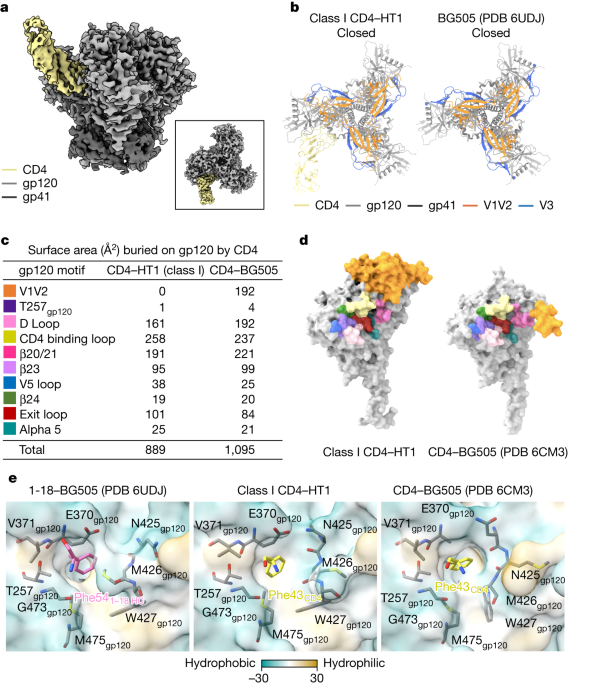
Unveiling the Dynamic Interactions of HIV Proteins with CD4 Receptors

Researchers have used cryo-electron microscopy to study the intermediate conformations of HIV-1 Env glycoprotein, which plays a crucial role in the entry of the virus into host cells. They designed soluble Env heterotrimers that can bind one or two CD4 receptors and compared them to closed and fully saturated CD4-bound open trimers. The study revealed that binding one CD4 receptor resulted in a closed, prefusion conformation, while binding two CD4 receptors induced an asymmetric, partially open conformation. These findings provide insights into the conformational changes of Env and the fusion process of HIV-1.

science-and-technology2 years ago

Unveiling the Dynamic Interactions of HIV-1 Env Trimers with CD4 Receptors

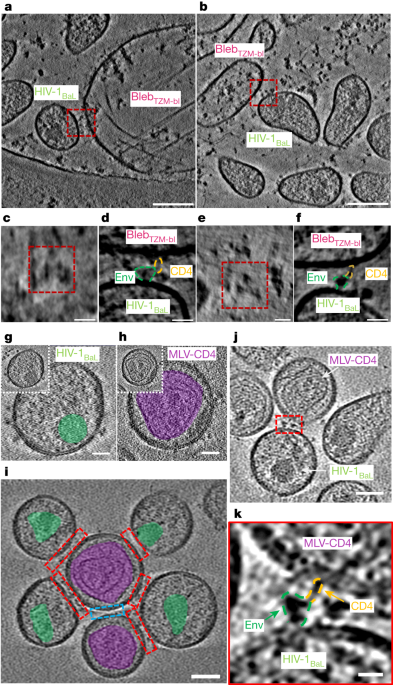
Researchers have used cryo-electron tomography to directly visualize the interactions between HIV-1 Env trimers and CD4 receptors in native membranes. They observed that Env-CD4 complexes cluster and organize into rings, with the patterns of clustering correlating with decreasing distances between membranes at the interfaces. Subtomogram averaging and classification revealed that as the membranes approached each other, Env trimers bound to two or three CD4 molecules. The V1V2 loop projected outward in the CD4-bound protomers, while the unbound protomers showed heterogeneous conformational states. These findings suggest that asymmetric HIV-1 Env trimers with one and two bound CD4 molecules are detectable intermediates during virus binding to membranes.

medical-research2 years ago

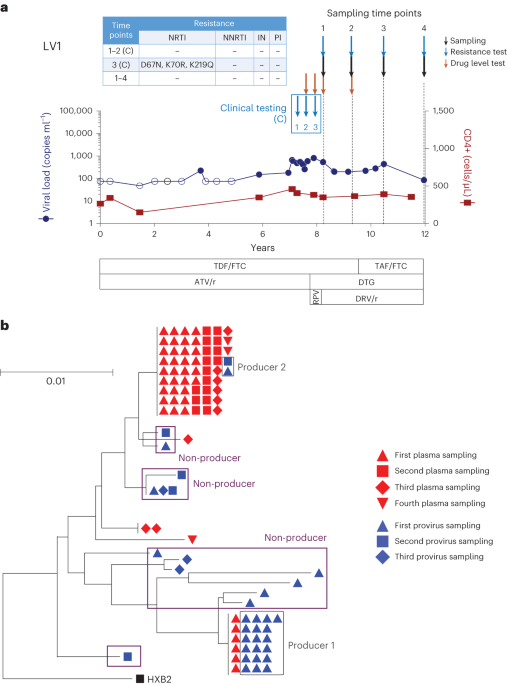
Understanding the Factors Behind Persistent HIV-1 Viremia

A study investigated the mechanisms behind non-suppressible HIV-1 viremia (NSV), a condition where individuals have persistent low-level viremia despite adhering to antiretroviral therapy (ART) and lacking drug resistance. The researchers found that NSV is fueled by clonally expanded HIV-infected cells and identified features of host integration sites that differentiate proviruses contributing to NSV. They also observed potentially permissive host cell and immune environments in patients with NSV. The study provides a comprehensive evaluation of the viral, cellular, and immune mediators of NSV, shedding light on the factors that contribute to this clinical conundrum.

geneticshealth2 years ago

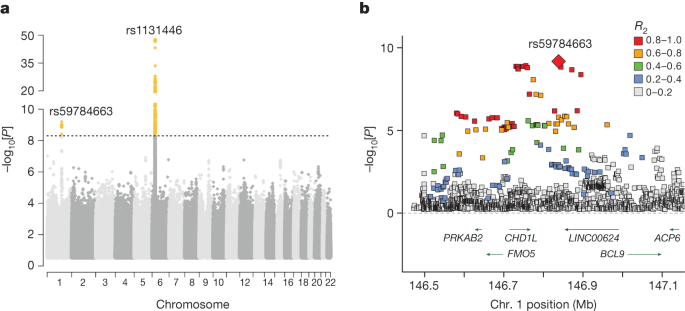
"Promising Gene Variant Unveiled: Potential Breakthrough in HIV Treatment for Africans"

A study has found that Africa-specific human genetic variation near the CHD1L gene is associated with HIV-1 viral load. The research, which analyzed data from over 3,000 individuals, revealed that certain genetic variants near CHD1L were linked to higher viral loads in HIV-positive individuals of African descent. This finding highlights the importance of considering population-specific genetic factors in understanding HIV-1 infection and its progression.