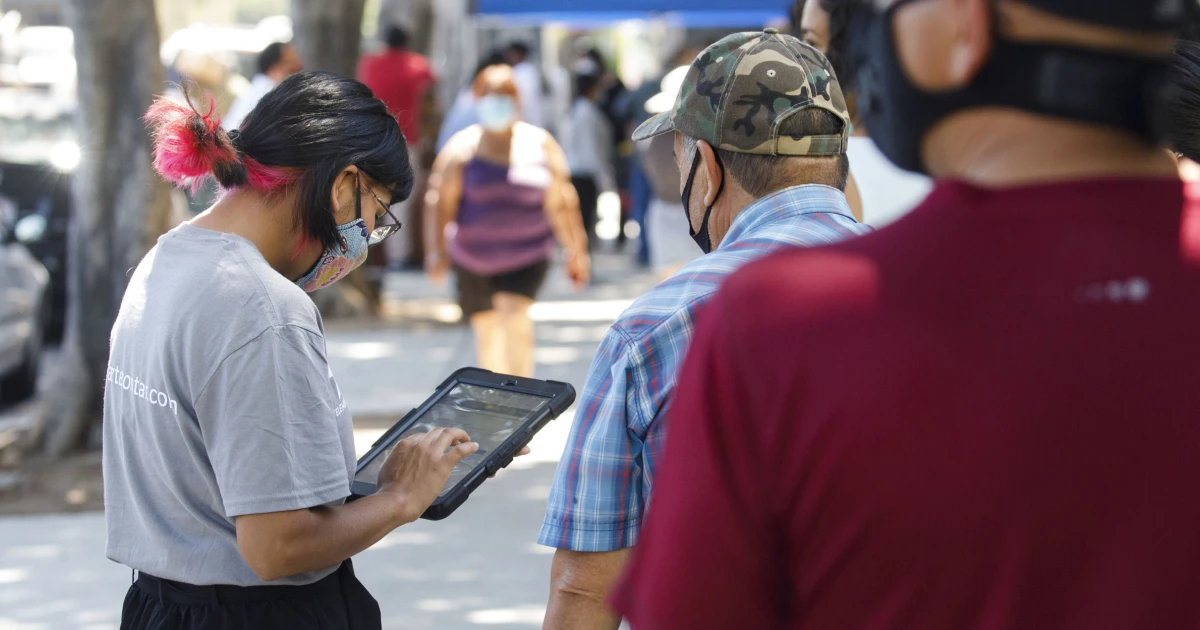
The crackdown on migrants in the US is negatively impacting American businesses like Modelo, which is experiencing a decline in Hispanic customers who fear deportation, highlighting how immigration policies could harm the economy and corporate interests.
The Biden administration has adopted new race and ethnicity standards, combining Hispanic or Latino into one category and adding a separate checkbox for people of Middle Eastern or North African descent. The changes aim to better capture the expanding multicultural identity of the country and allow individuals to check as many categories as apply to their identity. The revisions, effective immediately, will impact federal data collection, census, and other agencies, with subcategories provided for each race/ethnicity. While praised for being a critical step, concerns have been raised about the prescriptive nature of the new standards and their potential impact on visibility for certain groups.

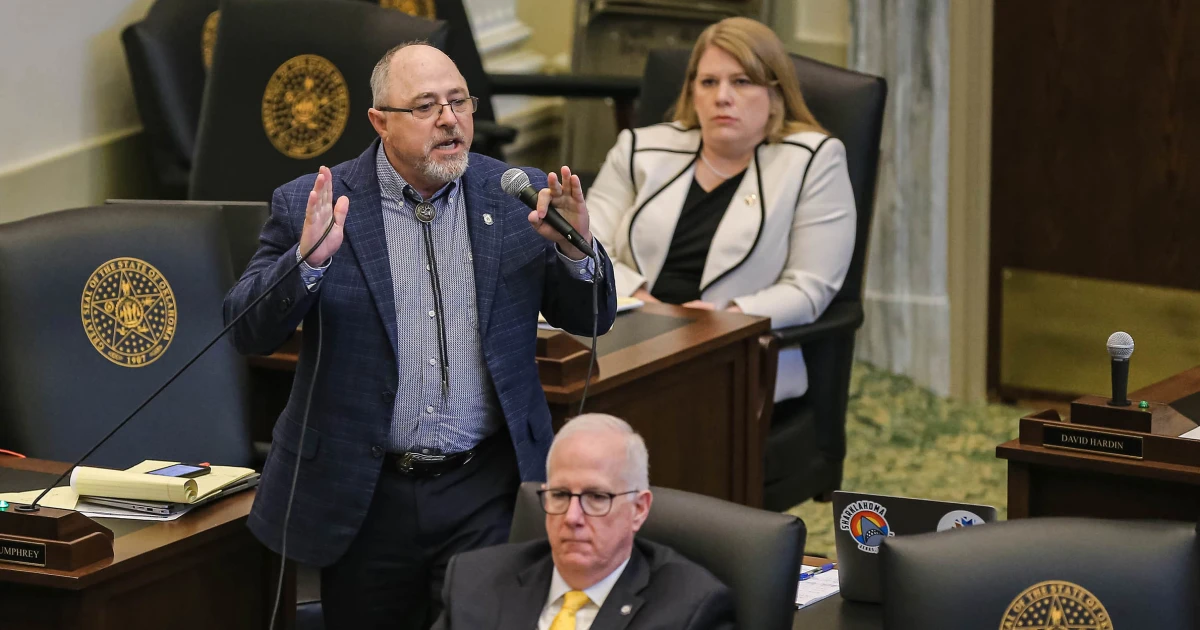
A proposed Oklahoma bill has sparked controversy for seeking to label Hispanic gang members as terrorists, with the aim of targeting cartel members bringing drugs into the US through the southern border. The bill, written by Republican state Rep. J.J. Humphrey, has drawn criticism for singling out Hispanics and is unlikely to pass, according to State Sen. Michael Brooks. Humphrey has apologized for focusing on Hispanics and plans to change the language in the bill, but insists he wasn't wrong.
The 2020 U.S. Census Bureau data reveals that there are 3.5 million Middle Eastern or North African (MENA) residents in the United States, with Lebanese and Iranian being the largest groups. Venezuelans were the fastest-growing Hispanic group, nearly tripling their numbers due to the ongoing crisis in their home country. Mexicans remain the largest Hispanic group, followed by Puerto Ricans and Salvadorans. Chinese and Asian Indians are the two largest Asian groups, while Cherokee is the largest American Indian and Alaska Native group. The census data also highlights the need for updated racial and ethnic categories to better reflect the diverse population of the United States.
A Florida prosecutor has apologized for a memo from his office that recommended harsher penalties for Hispanic defendants. The memo, which was exposed by a whistleblower, recommended the worst penalties for Hispanic drivers without licenses, even if they had no criminal record. The prosecutor blamed a junior prosecutor for using the wrong language and meant "undocumented" instead of "Hispanic." The whistleblower called the document a "racism policy."