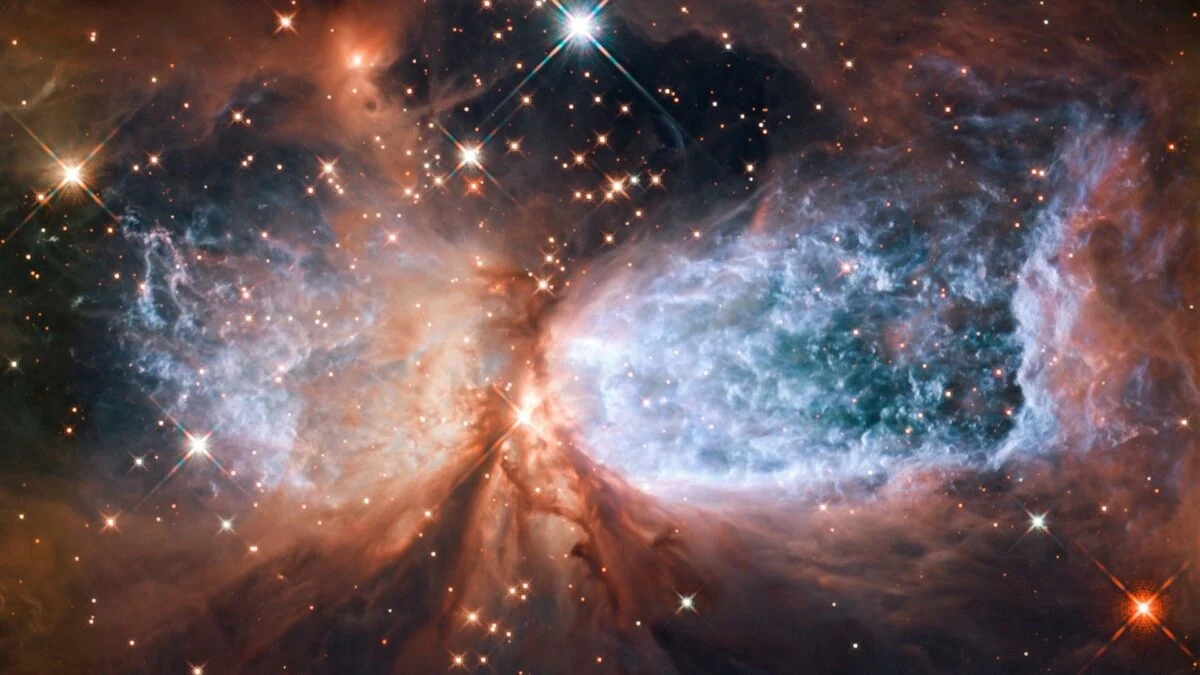
Recent research suggests that the universe's first stars were more diverse in mass than previously thought, with new findings indicating the formation of lower-mass stars due to the presence of molecular coolants like helium hydride and turbulence in gas clouds, challenging the long-held belief that only massive stars existed in the early cosmos.
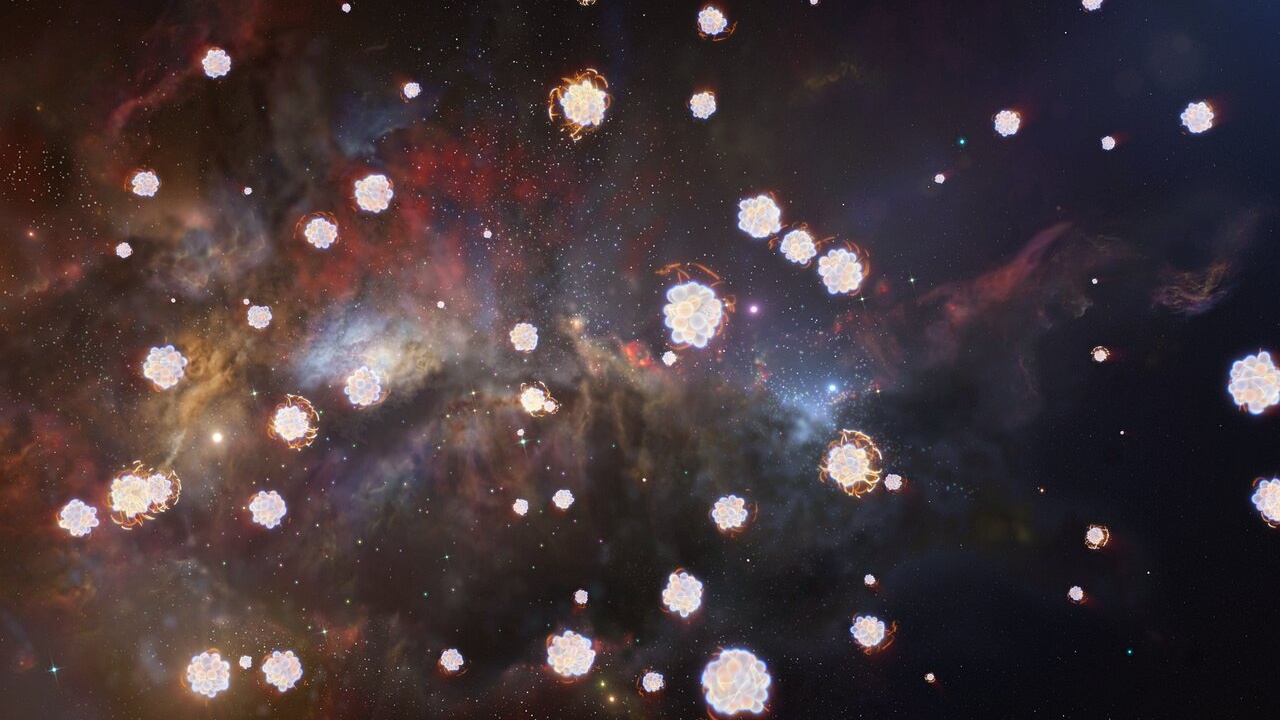
Scientists have recreated the universe's first molecules, specifically helium hydride ions, revealing that their reactions at low temperatures are more significant for early star formation than previously thought, challenging existing theories about the origins of stars in the universe.
Scientists at the Max Planck Institute recreated helium hydride in the lab, revealing that it played a significant role in star formation by helping primordial gas clouds cool and collapse, with reaction rates remaining constant at low temperatures, challenging previous assumptions.