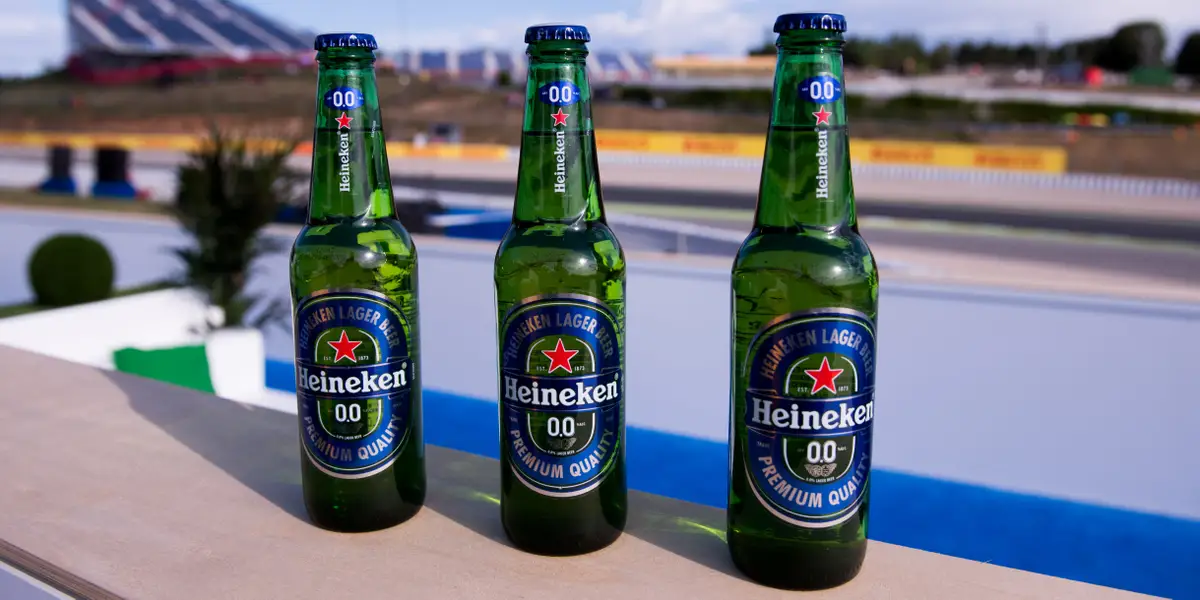
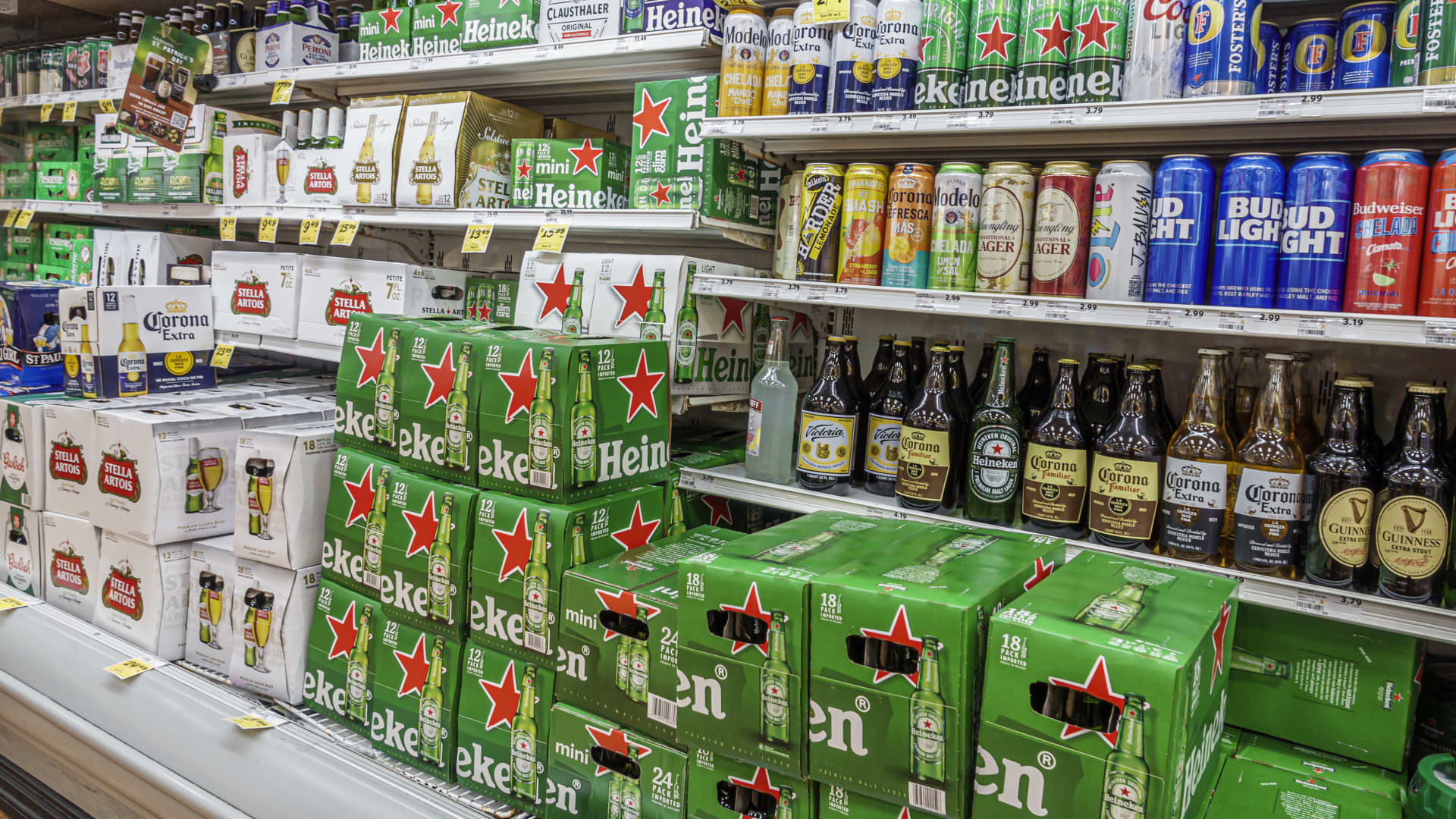
US beer sales declined during Memorial Day weekend due to inflation, tariffs, and a shift towards sobriety, with Heineken experiencing the weakest sales among major brands, as younger generations drink less alcohol and consumers opt for alternative beverages.
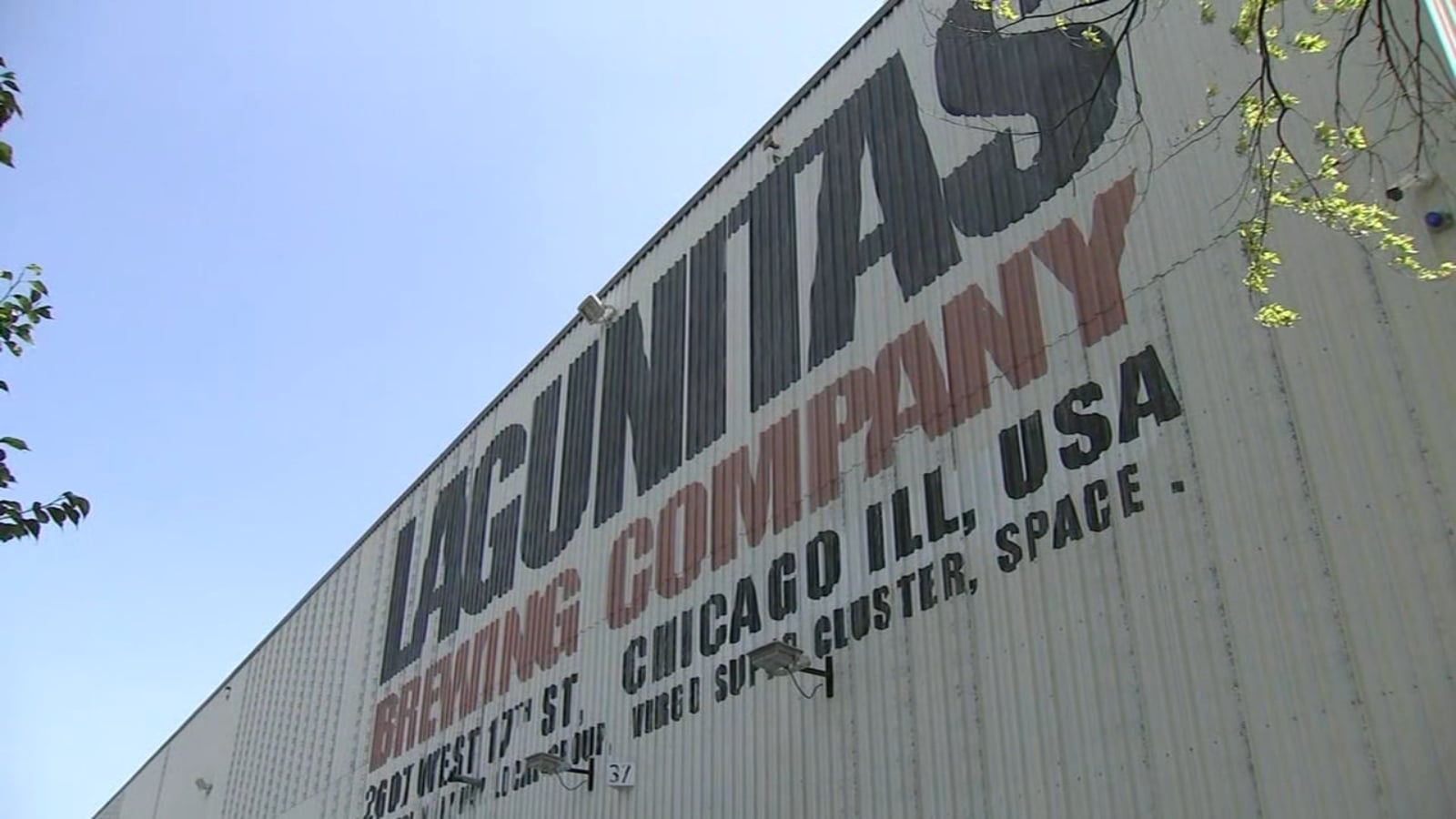
Lagunitas Brewing Company is closing its Chicago brewing, packaging, and restaurant operations this summer, moving them to its original location in Petaluma, California. The closure, affecting 86 employees, is part of a strategy to future-proof the organization and focus on a more efficient supply chain and sustainable brewing practices. Some employees will retain remote roles or relocate, while others will receive departure packages. Despite the closure, Lagunitas will continue to serve the Chicago market.
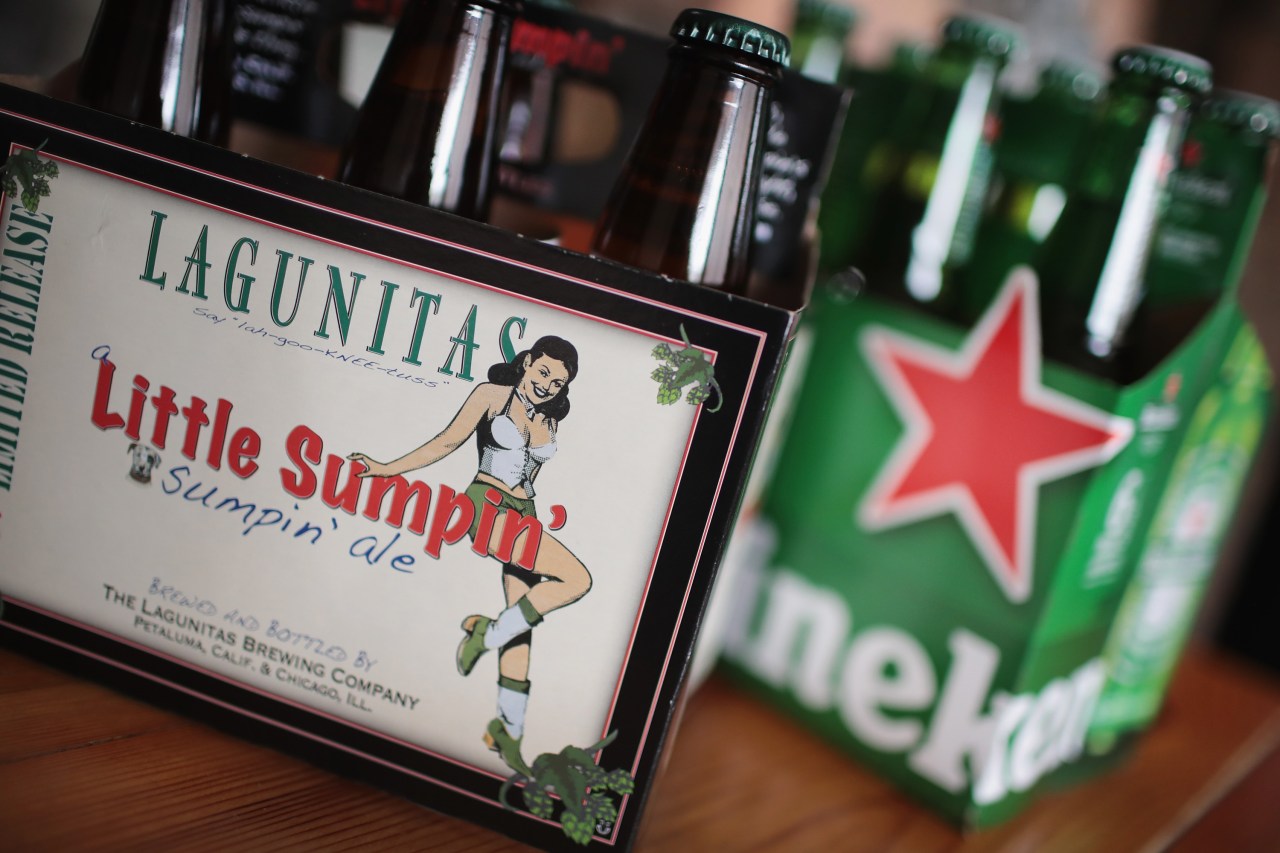
Lagunitas is closing its Chicago brewery and taproom, moving operations to Petaluma, California, affecting 86 employees. The decision, attributed to industry challenges and a need for efficiency, follows a decline in company culture since Heineken's 2017 buyout. The closure is set for August 1.
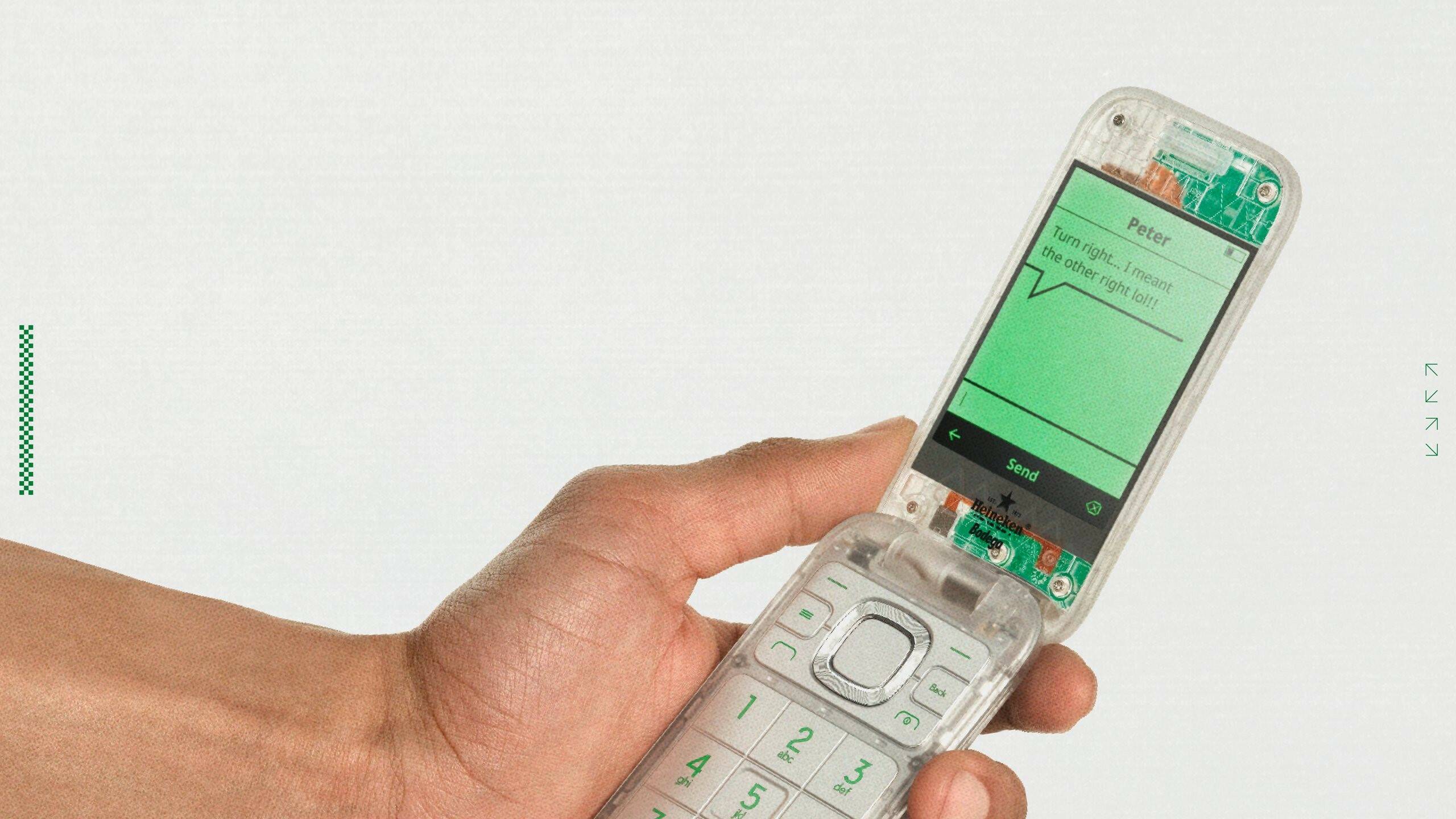
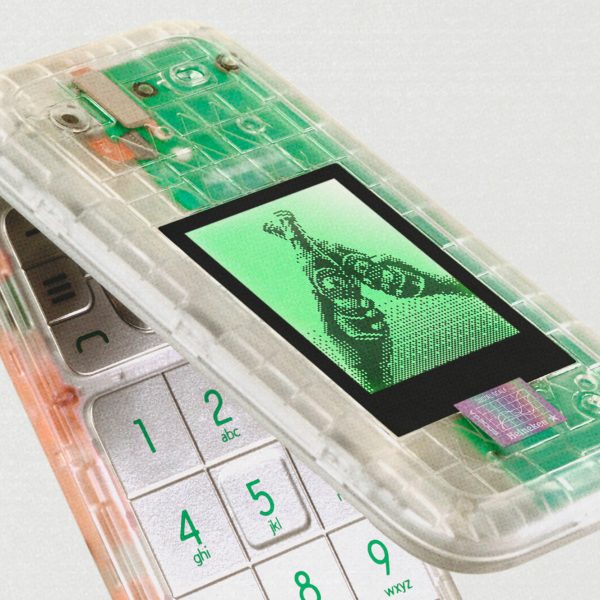
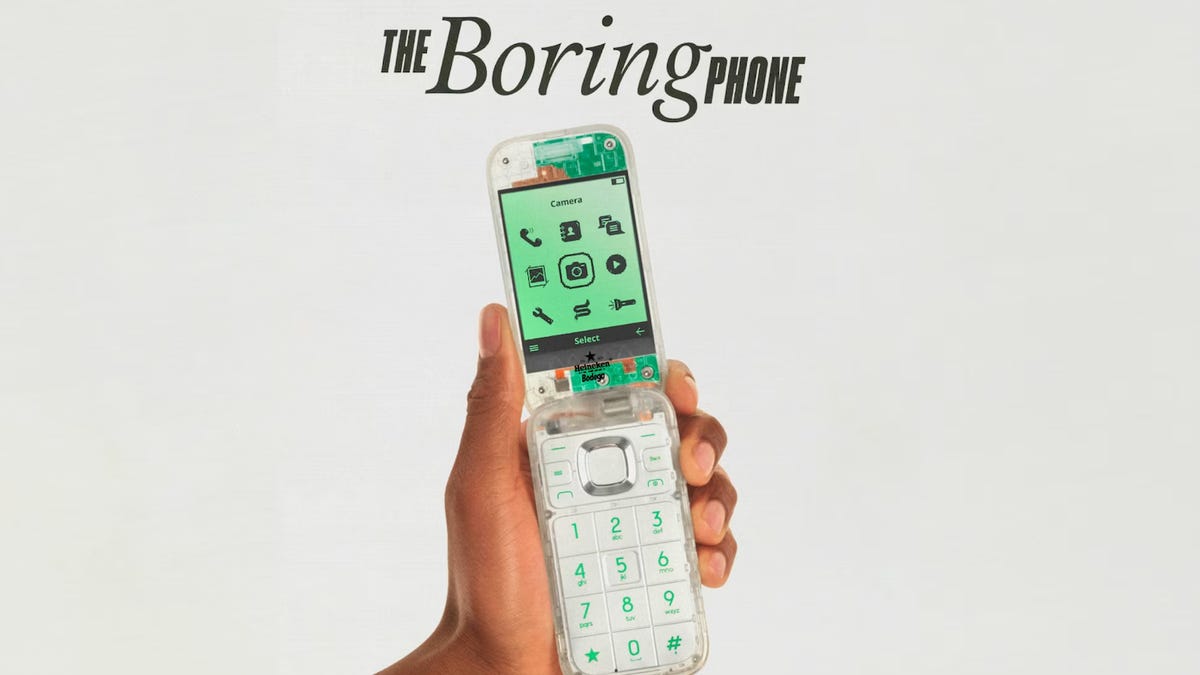
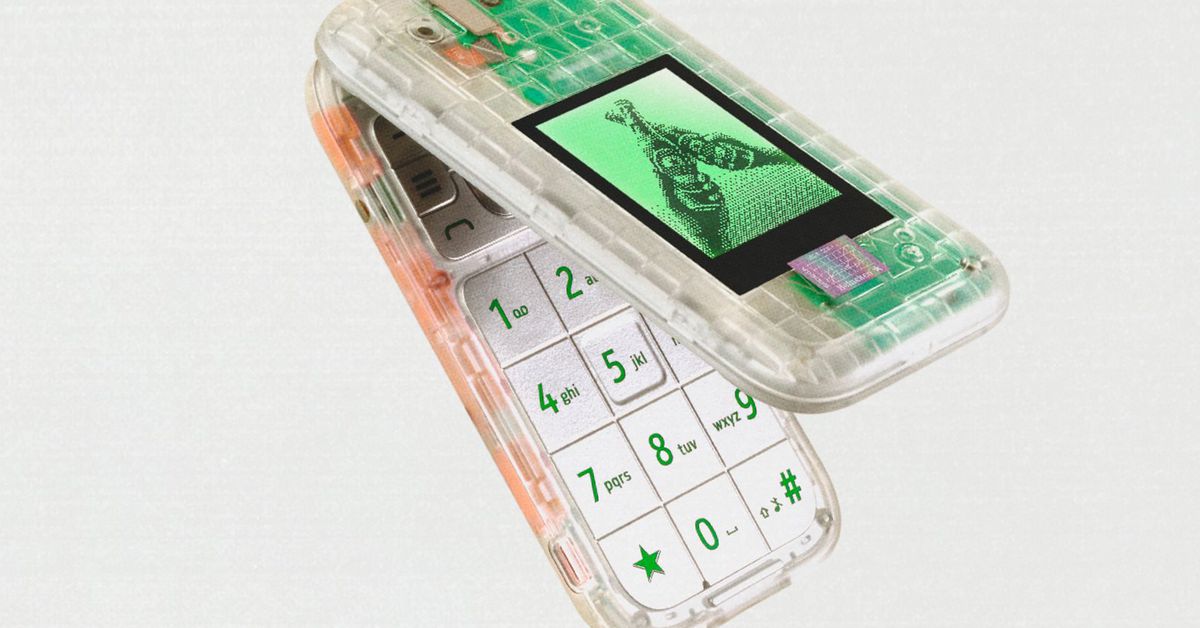
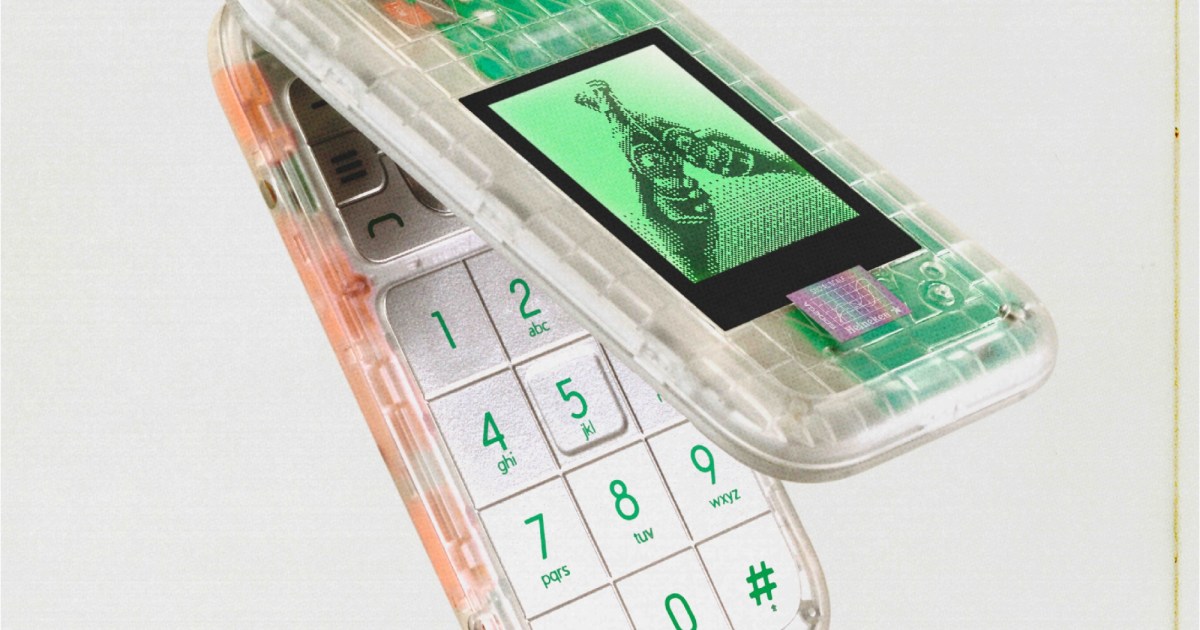
The Boring Phone, a collaboration between Bodega and Heineken, is a novelty flip phone based on HMD's Nokia 2660 Flip that aims to provide a feature-light phone experience by stripping out almost every feature, including Wi-Fi, selfie camera, push notifications, and social media. It features games like Snake and Tetris, a single-core T107 processor, 48 MB of RAM, 128 MB of internal storage, 320x240 pixel displays, a 0.3 megapixel outer camera, and a 1,450 mAh battery. The phone will not be sold at retail, with 5,000 units to be given away as a marketing stunt, and Heineken plans to launch an app that imitates the Boring Phone's UI.
Heineken and Bodega have unveiled The Boring Phone, a "dumb" phone designed to prevent young adults from excessive smartphone use, with a nostalgic design reminiscent of early 2000s technology. The phone, produced by HMD, lacks internet access and social media, aiming to encourage in-person social interactions. With a limited production of 5,000 units, the concept was informed by research on smartphone use among Gen Z and Millennials, revealing a desire to disconnect from technology in social settings.
Heineken, in collaboration with fashion brand Bodega and device-maker HMD, is launching the Boring Phone, a transparent flip phone designed for making calls and sending texts, aiming to bring users back to a simpler time before smartphones. The phone, debuting at Milan Design Week, is unable to download social media or other distracting apps, aligning with the trend of "digital detoxing." With a nostalgic design reminiscent of 90s and 2000s tech, the Boring Phone taps into the growing demand for simpler devices, as seen in the increased sales of basic call and texting phones.
HMD and Heineken have collaborated on the Boring Phone, a translucent flip phone with no apps, designed to evoke nostalgia and promote connecting with friends over a cold one. The limited edition phone will only be available through giveaways, with 5,000 units to be made. It features basic specs and supports calling and texting via 2G, 3G, and 4G. The Boring Phone will be available through social media giveaways in the UK, with other markets to follow later in the year, and an app that "turns smartphones boring" will be available for download in June.
HMD has partnered with Heineken to create the Boring Phone, a minimalist device designed for mental wellbeing and social connection. The phone, which is unable to download social media or other apps, features a 0.3MP rear camera and is set to debut at Milan Design Week. Heineken's involvement aims to promote genuine connection over a beer without distractions, and HMD also plans to launch an app that will "turn smartphones boring" in June.
Heineken, in collaboration with Bodega and HMD, has launched the "Boring Phone," a retro-modern flip phone aimed at promoting digital detox. The phone, showcased at Milan Design Week, emphasizes minimalism by offering only basic features like SMS, a monochrome game, and simple camera capabilities. It aims to encourage users to disconnect from smartphones and reconnect with real-life experiences. The company plans to give away the phones to promote a less digitally engaged lifestyle.
Heineken, the world's second-largest brewer, reported a decline in beer sales in the third quarter due to its exit from Russia and higher prices. Volumes were down 4.2% compared to the previous year, resulting in a 5.1% decline for the first nine months of 2023. However, revenue increased by 2% to 9.604 billion euros ($10.17 billion) in the quarter, driven by price hikes. While sales in the Americas increased by 2.2%, Europe and the Africa, Middle East & Eastern Europe regions experienced declines. Heineken reiterated its full-year operating profit growth forecast and successfully completed the sale of its Russian business to Arnest Group.
Dutch brewer Heineken has completed its withdrawal from Russia, selling its business in the country for just 1 euro ($1.08) to the Arnest Group. Heineken incurred a total loss of 300 million euros ($325m) for the sale. The company had faced criticism for the slow pace of its exit, but stated that it wanted to ensure a responsible transfer and protect the livelihoods of its local employees. The sale includes all of Heineken's assets in Russia, and the Arnest Group has guaranteed the employment of Heineken's 1,800 local staff for three years. Heineken had previously announced its exit from Russia due to the unsustainable business environment.
Dutch brewer Heineken has completed its withdrawal from Russia, selling its business in the country for just 1 euro to the Arnest Group. The sale, which includes seven breweries, resulted in a loss of 300 million euros ($325 million) for Heineken. The company had faced criticism for the slow pace of its exit following the outbreak of war in Ukraine but stated that it wanted to ensure a responsible transfer and secure the livelihoods of its local employees. Heineken brand beer was already removed from the Russian market, and Amstel will be phased out within six months.
Heineken has sold its business in Russia for $1 as part of a deal with a local partner, marking the company's exit from the Russian market. The move comes as Heineken aims to focus on its core markets and streamline its operations.
Heineken's CEO, Dolf van den Brink, reflects on the social media controversy surrounding rival beer Bud Light's campaign and emphasizes the importance of standing for values in today's polarized society. Despite the backlash faced by Bud Light, van den Brink believes businesses should be thoughtful and balanced while staying true to their principles. Heineken has increased its marketing spend and remains committed to advertising in a challenging market environment. Meanwhile, Bud Light's sales declined after a product placement deal with a transgender influencer, leading to conservative boycotts. The controversy has sparked political attention and raised questions about corporations' support for social and political causes. Heineken recently cut its profit growth forecast for 2023 due to declining beer sales and operating profit.
Heineken's CEO, Dolf van den Brink, reflects on the social media controversy surrounding rival beer Bud Light's campaign and emphasizes the importance of businesses standing for their values. Despite the polarization in society, van den Brink believes in being thoughtful and balanced while upholding principles. Bud Light faced a sales decline and conservative boycott after a product placement deal with a transgender influencer. Heineken has increased its marketing spend and remains committed to advertising in a challenging market. The company recently cut its 2023 profit growth forecast due to declining beer sales and operating profit.