
Tag

Heat Regulation

All articles tagged with #heat regulation

science-and-environment2 years ago

Survival Tactics: Wild Animals' Ingenious Ways to Stay Cool

As temperatures rise due to climate change, animals are employing various tactics to beat the heat. Some species, like squirrels, engage in "splooting" or "heat dumping" by spreading out on cooler surfaces. Others are evolving different body shapes, such as larger beaks, legs, and ears, to better regulate their body temperatures. Red kangaroos use saliva to lower their body temperature, while echidnas blow snot bubbles to cool their blood. Storks excrete liquid onto their legs, and birds like pelicans and cormorants use "gular fluttering" to cause evaporation. Understanding these heat regulation methods can help predict how animals will respond to climate change.

science2 years ago

"The Surprising Role of Curly Hair in Early Human Brain Development"

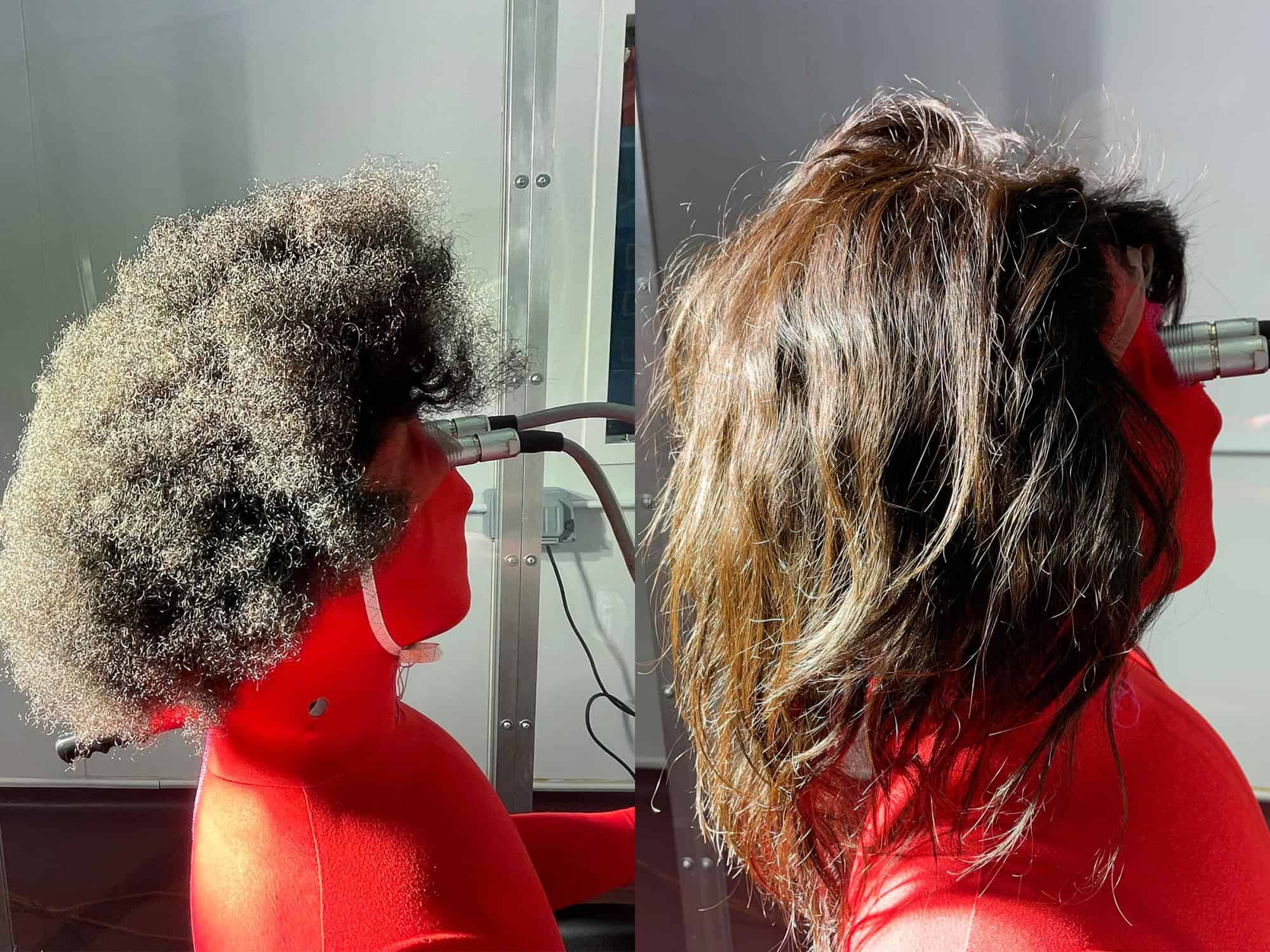
Curly hair in early humans served as protection against the sun's radiative heat, keeping them cool and contributing to the growth of the human brain. A study using thermal mannequins and human hair wigs found that tightly curled hair offered the best protection against solar radiation, reducing the need to sweat to stay cool. As early humans adapted to walking upright in equatorial Africa, their exposed heads became increasingly vulnerable to heat. Scalp hair likely evolved as a natural mechanism to minimize heat absorption, allowing the brain to grow without the risk of overheating.

science2 years ago

Embracing the Coolness of Curly Hair

A study conducted by Penn State University suggests that humans evolved with more hair on their heads, particularly curly hair, to cool off their growing brains. The research found that tightly coiled hair creates more distance and air between the scalp and the top of the hair, reducing the impact of solar heat radiation. The study used a thermal manikin to test different hair textures and found that tight curls were the most effective in cooling the head. While early humans with larger brains may have relied on other strategies to cope with heat, understanding the biophysical aspects of heat transfer through hair could provide insights into human physiology.

science2 years ago

The Evolutionary Benefits of Hair Texture for Early Humans.

A team of scientists has discovered a connection between hair texture and the expansion of the human brain, dating back approximately 2 million years. By testing various wigs on a specially designed dummy exposed to solar radiation in a wind tunnel, researchers have unraveled a hidden connection between hair texture and the expansion of the human brain. The study sheds new insights about how human hair textures affect regulation of body temperature. The researchers concluded that tightly curled hair provided the best protection from the sun’s radiative heat while minimizing the need to sweat to stay cool.