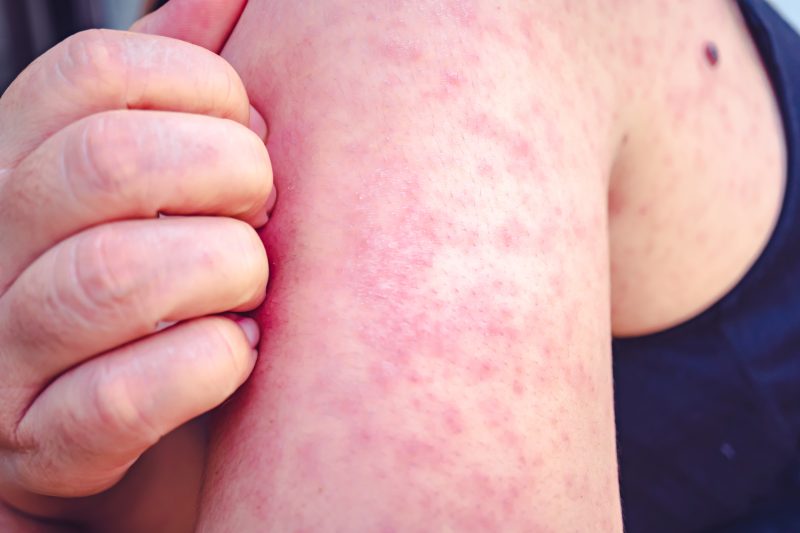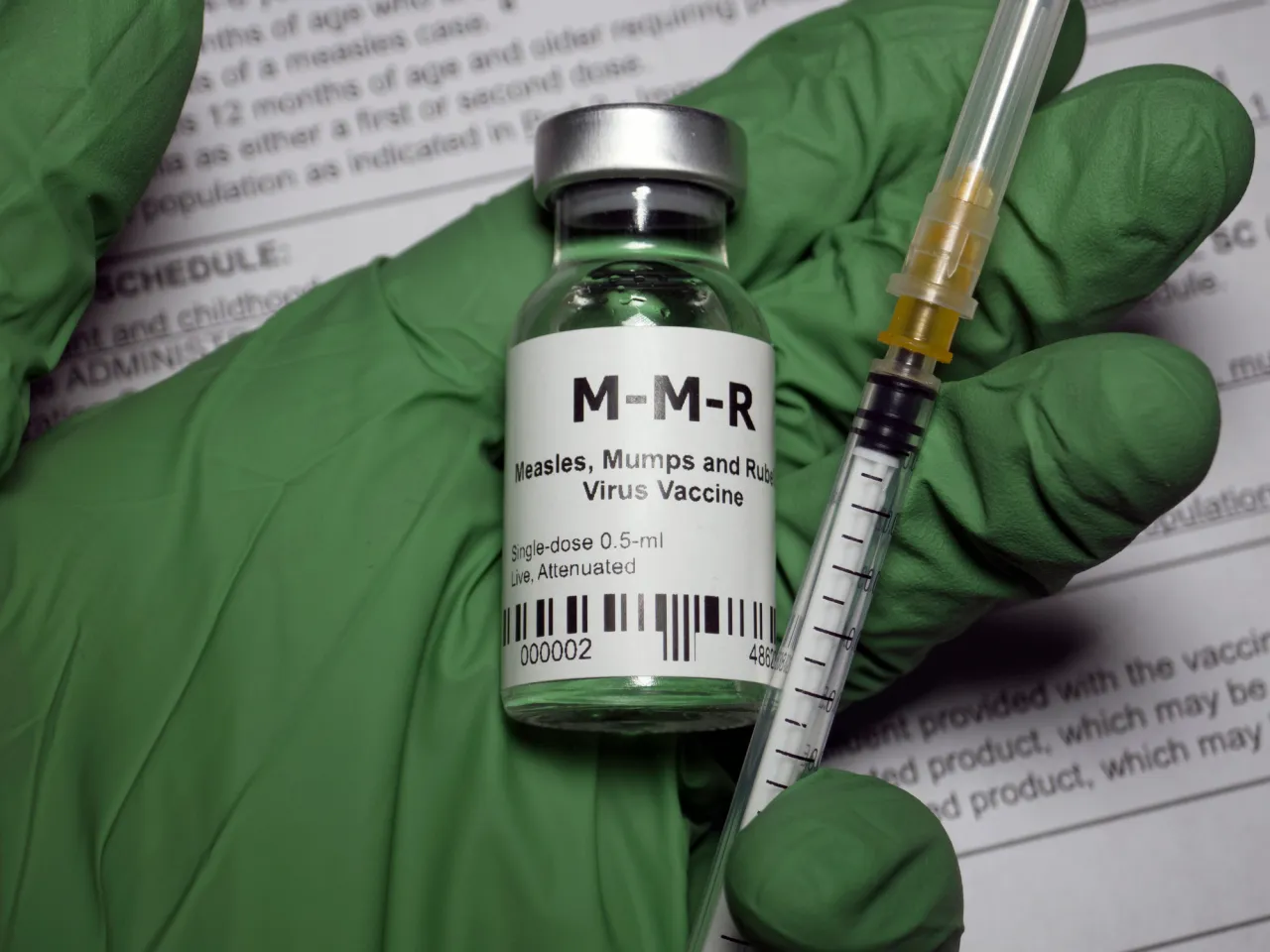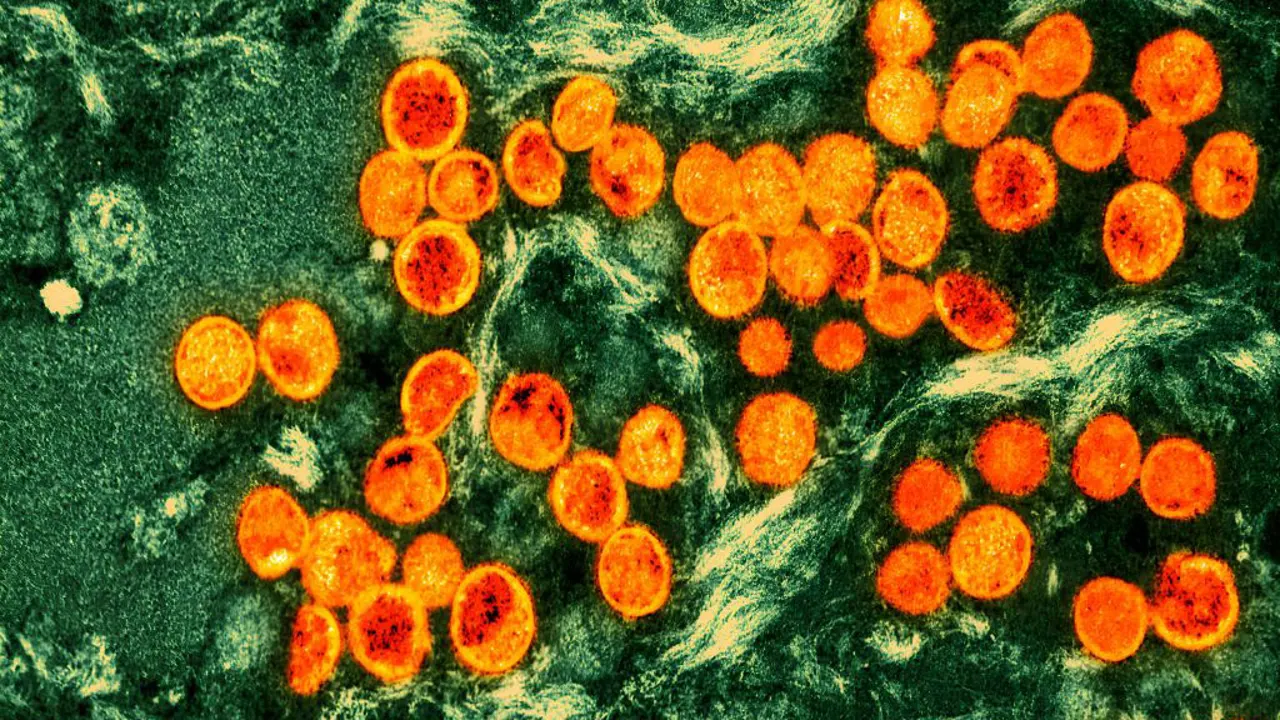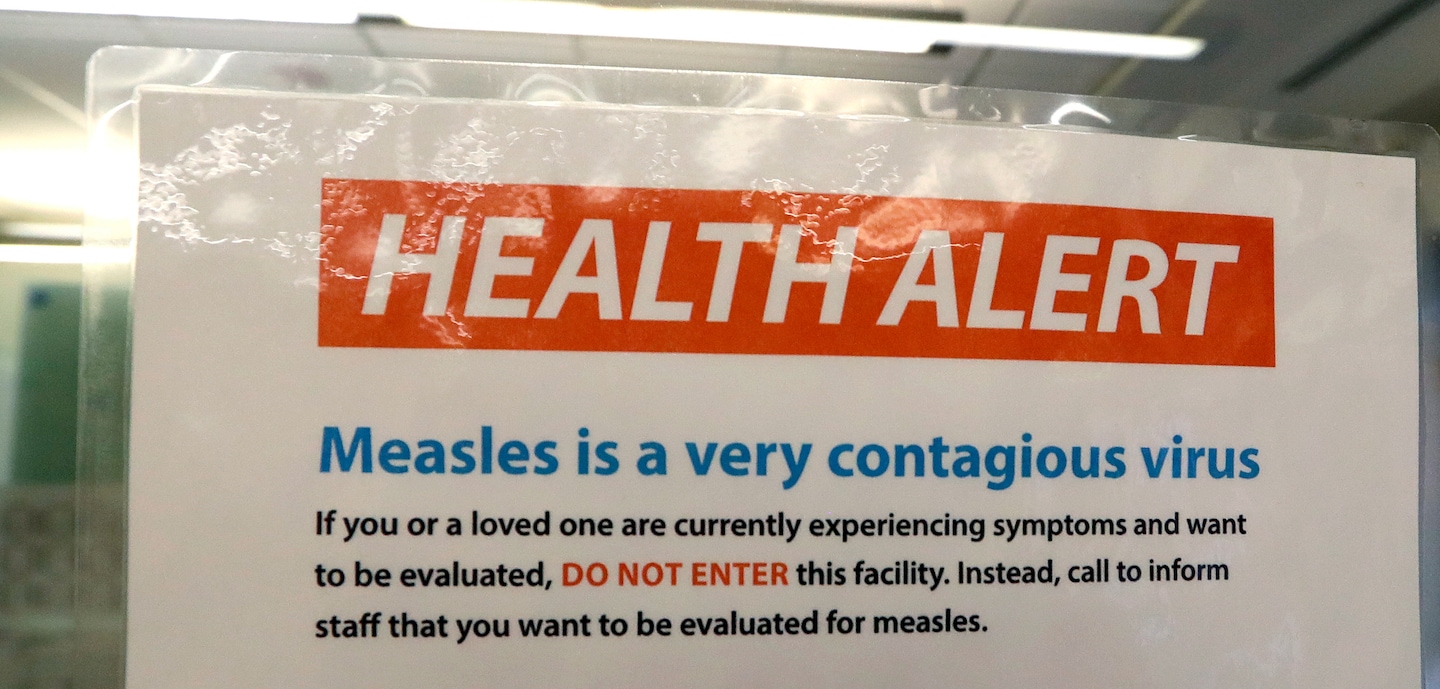
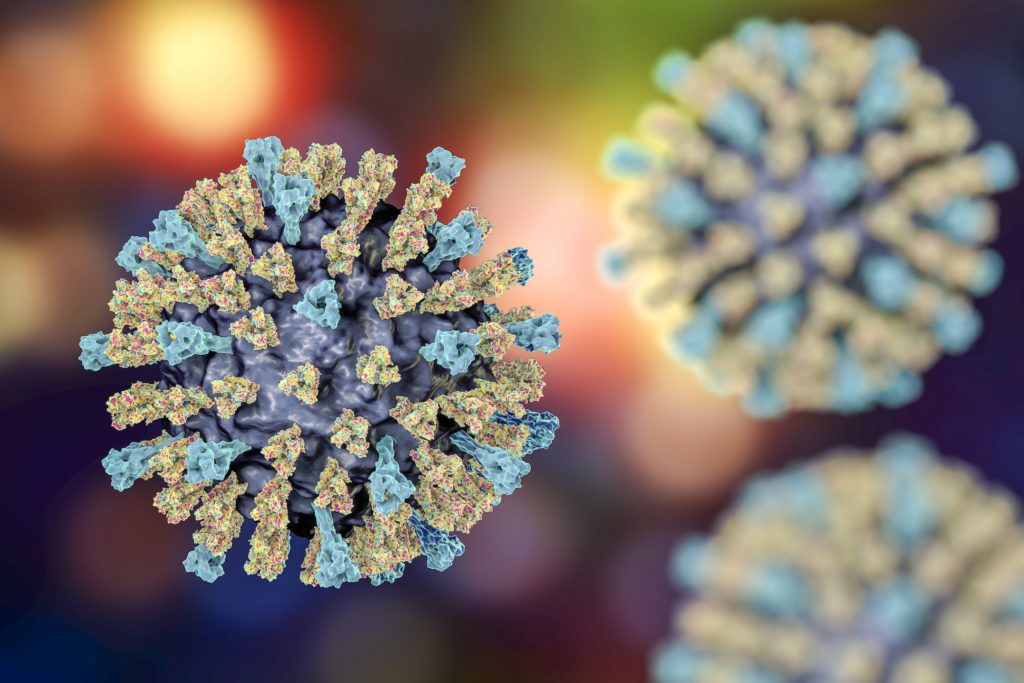
Measles cases in the United States are on track to be the worst since 2019, with anti-vaccine activists contributing to vaccine hesitancy. Measles is highly contagious and can cause serious complications, but can be prevented with the measles, mumps, and rubella vaccine. Vaccination rates are falling globally, leading to outbreaks in multiple countries, including the United States. Vaccine hesitancy is being fueled by activists and social media, despite the proven effectiveness of vaccines in preventing measles. The battle against measles requires a concerted effort to boost vaccination rates and combat misinformation.
Pediatrician Dr. Paul Offit discusses the concerning rise in measles cases due to a drop in vaccination rates, emphasizing the severity of the disease and the importance of protecting vulnerable individuals. He attributes the decline in vaccinations to a growing anti-vaccine sentiment and the politicization of public health measures, urging for a collective responsibility to protect others from contagious diseases.
New Jersey health officials are urging residents to be cautious as eight suspected cases of mumps have been reported in Hunterdon County, all related to international travel. Additionally, one case of measles has been confirmed in the state this year. Officials are advising individuals, especially parents and caregivers, to be aware of the symptoms of these highly contagious viruses and to ensure they are up to date with the measles, mumps, and rubella (MMR) vaccine. Symptoms of mumps, measles, and rubella are outlined, and individuals who have not received two MMR shots or are unsure of their vaccination history are encouraged to check their immunity levels with a healthcare provider.
Florida is grappling with a measles outbreak, with 10 confirmed cases, mostly affecting children up to 14 years old. The outbreak originated at Manatee Bay Elementary School, with 216 students absent on Monday. The highly contagious infection has also spread to Central Florida, with the first adult case confirmed in Polk County. Despite the surge in cases, Florida's Surgeon General has refused to bar unvaccinated students from the affected school, where 88 students have not received their MMR vaccine. Measles spreads through respiratory droplets and can linger in the air and on surfaces, making vaccination crucial in preventing its spread.
The first confirmed case of measles has been reported in Polk County, Florida, amid a growing outbreak in South Florida, with a total of nine cases in the state so far this year. Concerns are rising as the virus has spread to elementary students, and the state's general surgeon has refused to bar unvaccinated students from school during a measles outbreak. Measles spreads through infected individuals exhaling, coughing, and sneezing, and can be contagious for four days before symptoms appear. Vaccinated individuals are less likely to catch the disease and experience milder symptoms.
A University of Wisconsin-Madison student tested positive for active, contagious tuberculosis, prompting notification to over 700 people who may have been exposed. The university is contacting those who were in close contact with the student and providing free testing. While the risk of transmission is low, tuberculosis spreads through the air and can be fatal if not treated properly. Symptoms include a persistent cough, chest pain, and coughing up blood or phlegm. The CDC reported about 8,300 TB cases in the U.S. in 2022, with 52 cases in Wisconsin.
The Milwaukee Health Department reported the first case of mpox in the city since June 2023, with 40 cases identified since July 2022. Officials urge individuals at risk to get vaccinated, avoid skin-to-skin contact with mpox rash, and seek prompt medical attention if exposed. A free drive-thru mpox vaccination clinic will be held on February 10, offering $25 gift cards for each vaccine administered, along with COVID-19 and flu vaccines.
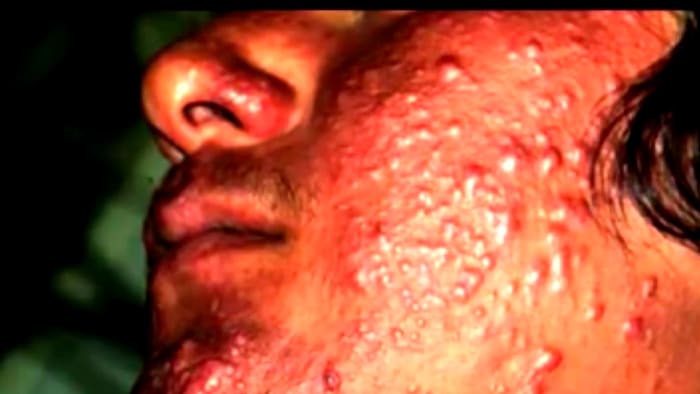
A doctor in Florida has reassured the public that leprosy is not highly contagious, despite recent cases reported in the state. Dr. Elizabeth Borrero explained that most new cases are likely spread by people traveling from countries where leprosy is endemic, such as Nepal, India, Brazil, and Malaysia. Leprosy can also be contracted through contact with armadillos or soil. In addition, the doctor discussed the spread of malaria, which is transmitted through infected mosquitoes. She advised travelers to endemic countries to see a travel medicine specialist and mentioned the efforts of the World Health Organization in preventing the disease's spread, including the development of a vaccine.
As the COVID-19 pandemic continues, determining sick etiquette has become challenging. Initially, people were encouraged to stay home at any sign of illness and wear masks in public. However, as the pandemic has progressed, adherence to these precautions has decreased. Experts suggest that individuals who feel unwell should work remotely if possible or wear masks in the office. Taking breaks outside or in the car and practicing good hand hygiene are also recommended. For school-age children, the CDC advises staying home if they have respiratory or gastrointestinal symptoms. Testing for COVID-19 is encouraged, especially if experiencing common upper respiratory symptoms. Overall, it is important to resume or continue key precautions, such as avoiding public spaces when sick and wearing masks, to prevent the spread of COVID-19.
New York City's health commissioner has warned that the influx of migrants from the southern border is bringing contagious diseases, including tuberculosis and polio, to neighborhoods. TB is treatable with antibiotics, but it generally takes six to nine months of medication to recover. Polio can paralyze you for life. The United States uses only injectable polio vaccines made with dead virus that cannot spread the disease, but many other countries use a less-safe oral vaccine that contains live virus and is sometimes shed in the vaccinated person’s feces. The polio found in New York sewage matches the strains of polio caused by oral vaccines. The Biden administration's open-border policies are being blamed for the import of these diseases.