Major cryptocurrencies like Bitcoin, XRP, and Dogecoin showed little movement despite positive Asian stock market reactions to U.S.-China trade negotiations. The Hang Seng index rose above 24,000, driven by trade optimism, while China's ongoing deflation and falling producer prices raise concerns about economic slowdown. U.S. inflation data due Wednesday is expected to show slight increases, potentially impacting markets and Federal Reserve policies.
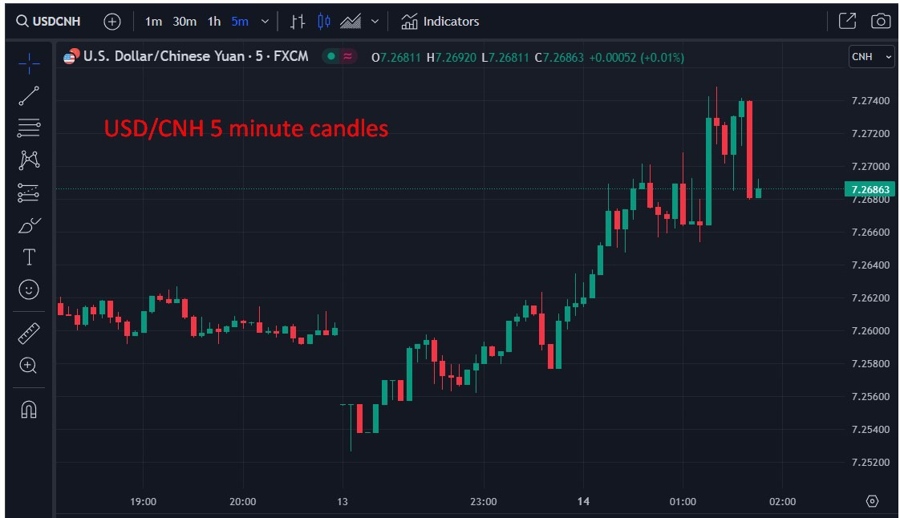
Chinese stocks in Hong Kong saw a late surge as top leaders pledged to ease monetary policy and increase fiscal spending, leading the Hang Seng China Enterprises Index to rise by 3.1%. The yield on 10-year government bonds hit a record low, and the offshore yuan strengthened slightly against the dollar.
Chinese stocks in Hong Kong fell as investors were disappointed by the lack of large-scale stimulus measures from a recent legislative meeting aimed at boosting domestic demand and addressing deflation. The Hang Seng China Enterprises Index dropped 1.6%, with significant declines in property and consumer-related shares, while the CSI 300 Index showed volatility.
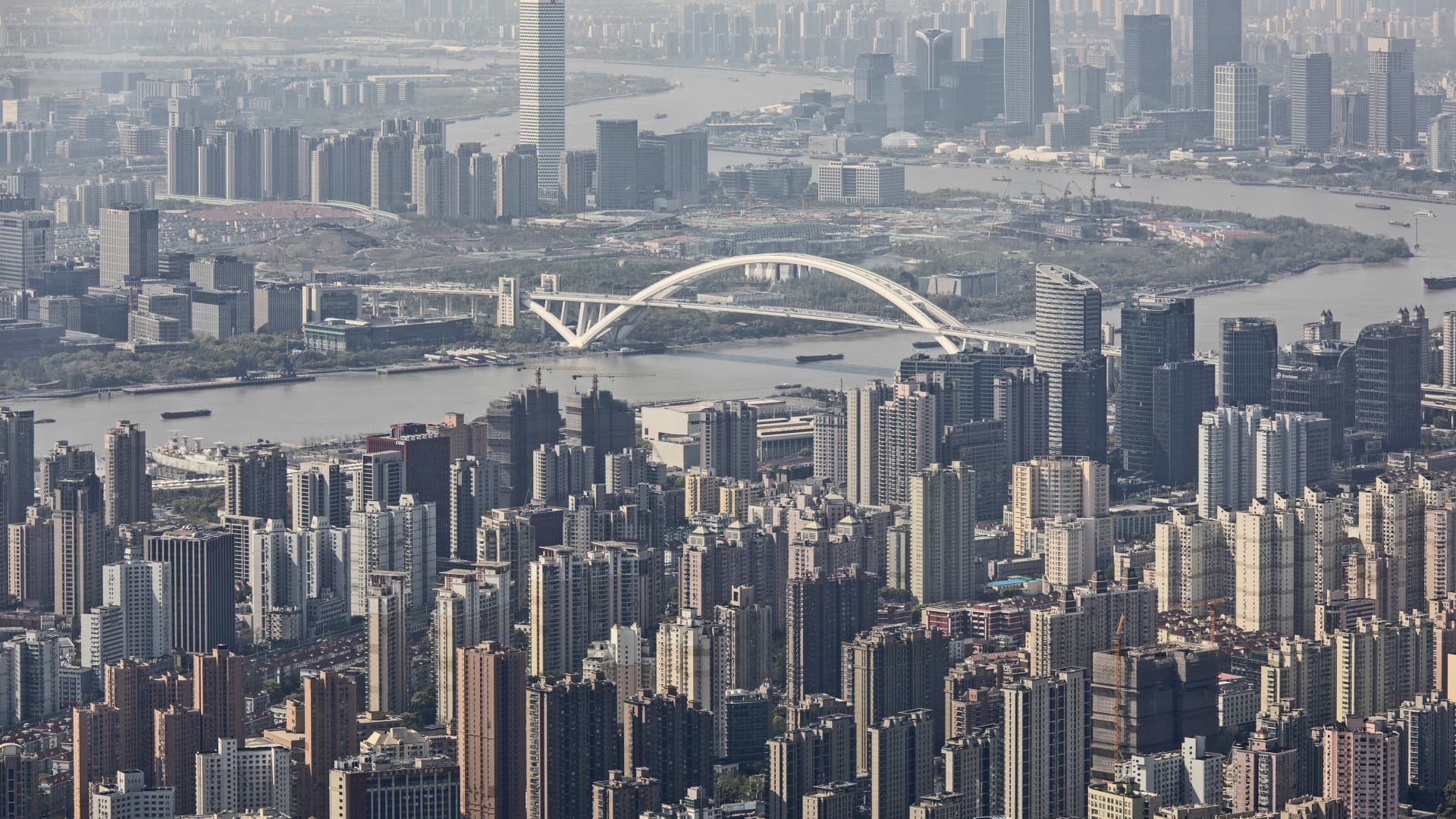
Hong Kong property stocks experienced a surge as China implemented measures to revive its property sector. Shares of real estate companies like Evergrande, Logan Group, and Longfor Group spiked over 9%, with Country Garden Holdings leading gains at 14.61% up. China's central bank eased borrowing rules and reduced the reserve requirement ratio for foreign exchange deposits, while some of the country's largest banks also cut interest rates on yuan deposits. Country Garden won approval from its creditors to extend payments for a 3.9 billion yuan onshore private bond.
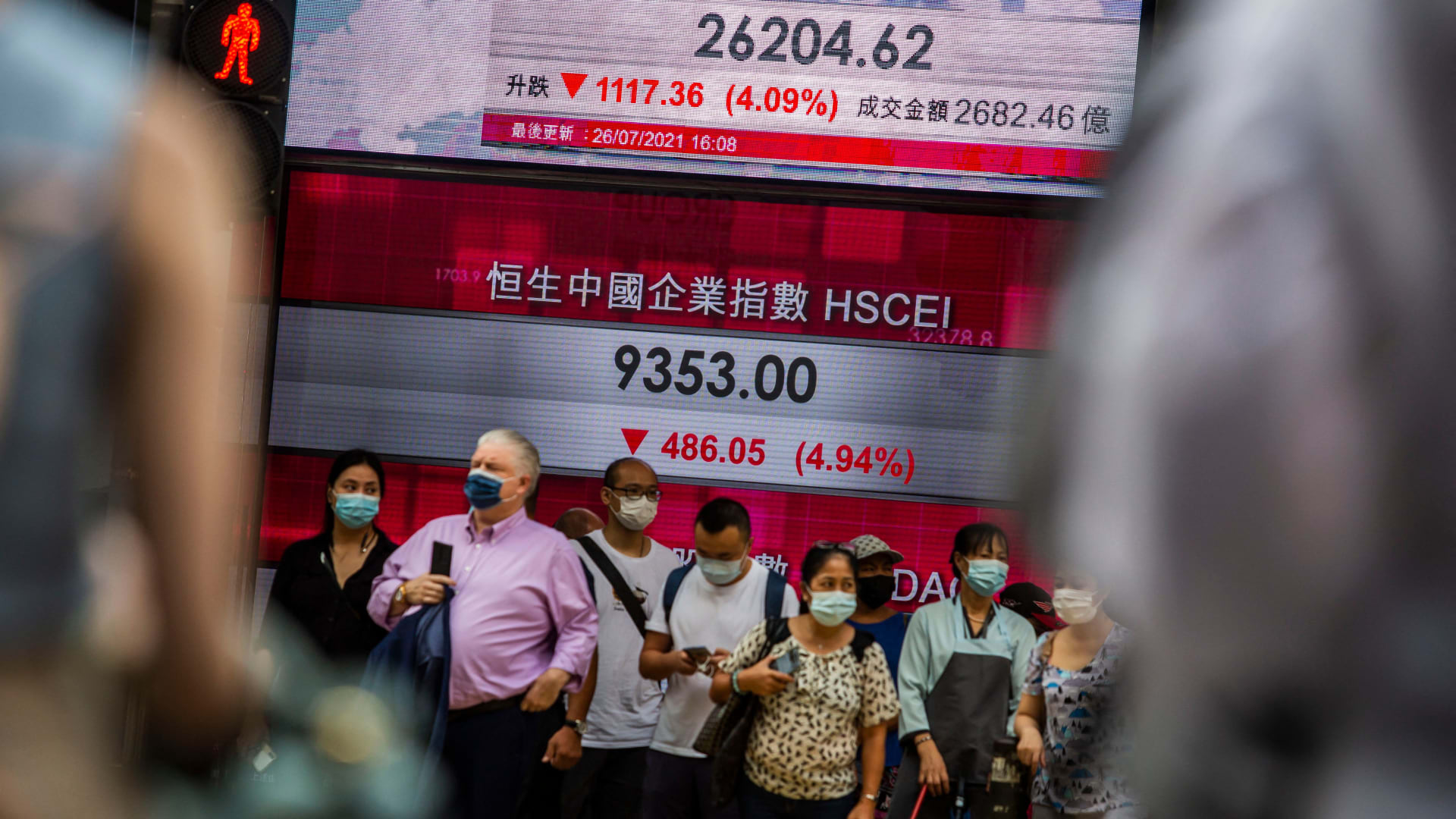
Hong Kong's Hang Seng index closed in bear market territory, down 2.1% in the Friday session and more than 20% below its January highs, as uncertainty over China's property market and growth prospects erased early-year gains. The index's decline was further fueled by news that Chinese real estate giant Evergrande had filed for bankruptcy protection in a U.S. court. This comes after peer company Country Garden suspended payments on some of its bonds earlier in the week. The filing and contagion fears surrounding China's property sector have raised concerns about potential domino effects and increased default volumes.
Hong Kong stocks, led by tech and property stocks, have surged in July, with the Hang Seng Index rising about 6.8% and retaking the 20,000-level. Tech giants JD.com and Alibaba have seen gains as investors anticipate more support measures from Beijing to stimulate consumer spending.
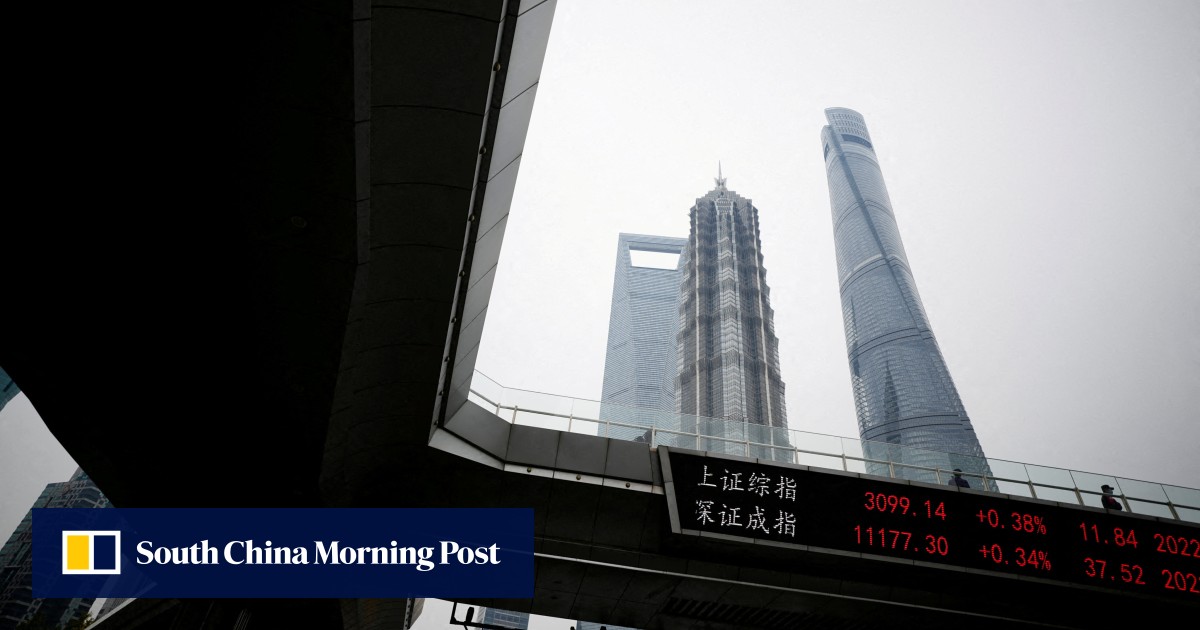
Hong Kong stocks, including the Hang Seng index and Hang Seng Tech index, surged over 4% and 6% respectively after China's Politburo pledged to support the ailing property sector and stabilize the economy. Mainland Chinese stocks also rose, with the Shanghai Composite and Shenzhen Component both posting significant gains. South Korea's economy grew 0.9% in the second quarter, beating economists' estimates. Meanwhile, Taiwan Semiconductor Manufacturing Company (TSMC) plans to invest nearly $2.87 billion in an advanced chip packaging plant to capitalize on the growing demand for artificial intelligence.