
Tag

Hadley Cell

All articles tagged with #hadley cell

The Limitations of Carbon Removal in Addressing Climate Change
science-and-astronomy2 years ago

The Limitations of Carbon Removal in Addressing Climate Change

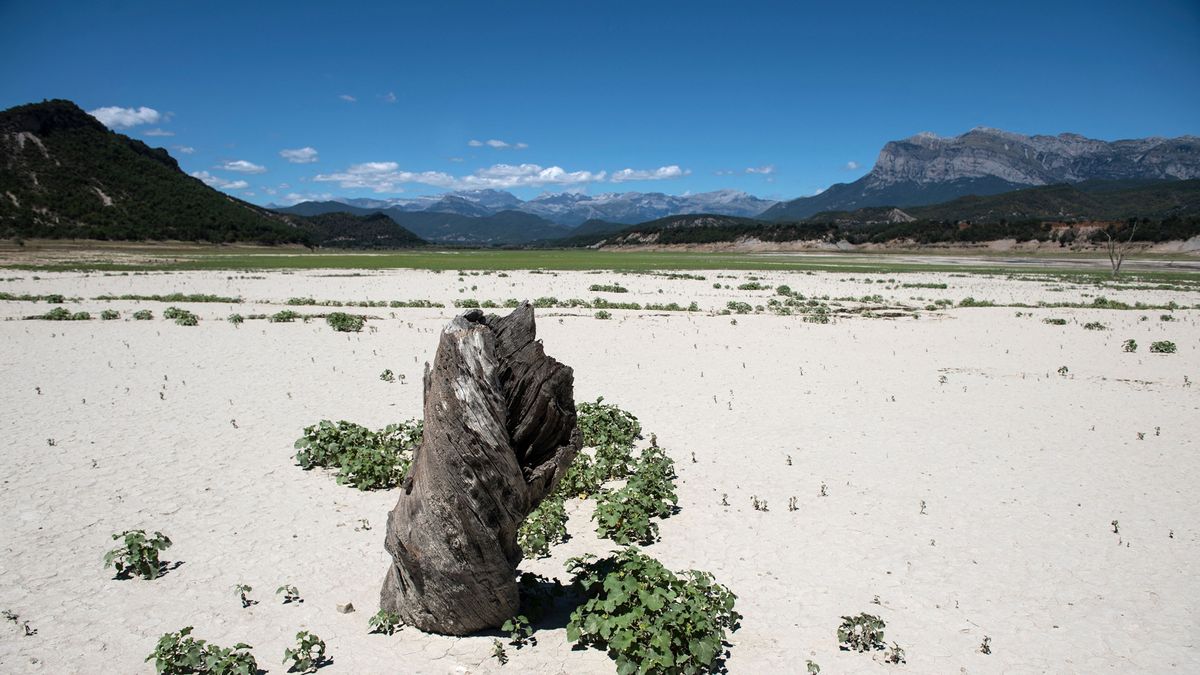
Removing carbon dioxide from the Earth's atmosphere may not fully reverse the devastating effects of climate change, according to a new study. Researchers simulated the removal of large amounts of carbon dioxide and found that local climate changes related to global warming, such as droughts in subtropical regions, would not return to normal for over 200 years. The study also revealed that the Hadley Cell, an air circulation pattern responsible for transporting moisture, would not recover its original shape and extent even after 220 years. The findings highlight the need to reduce carbon dioxide emissions now, as the consequences of climate change may persist for centuries.
The Limitations of Carbon Dioxide Removal in Reversing Climate Change
climate-change2 years ago

The Limitations of Carbon Dioxide Removal in Reversing Climate Change

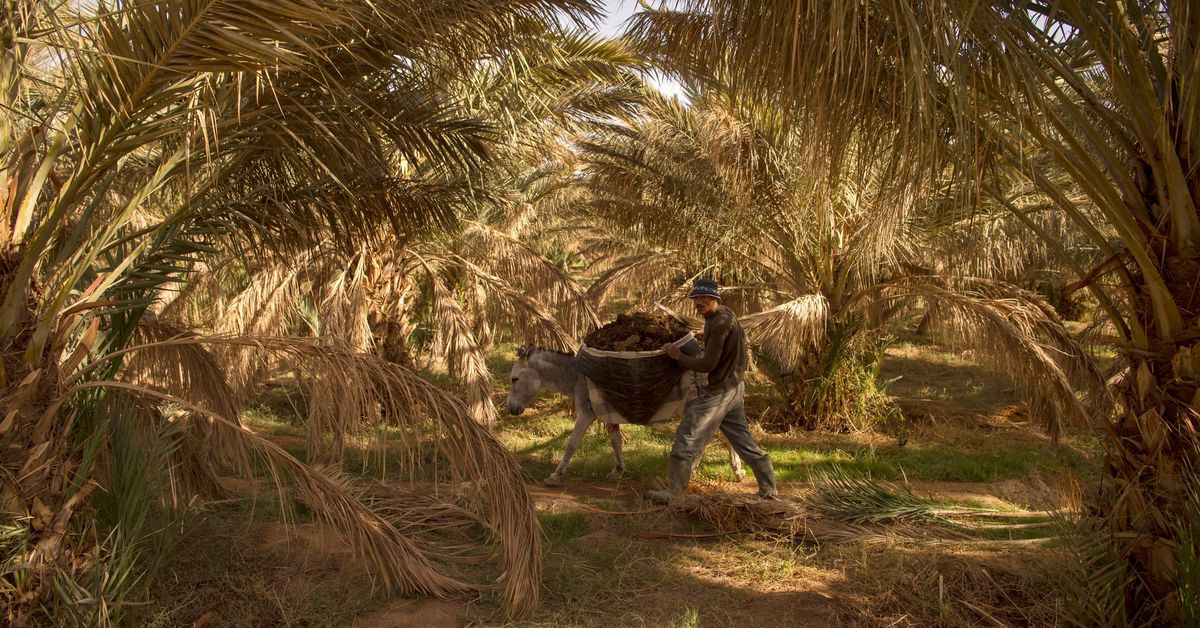
Sucking carbon dioxide out of the atmosphere, known as carbon dioxide removal, cannot fully reverse the effects of climate change, according to a study published in Science Advances. The research focuses on the Hadley cell, an atmospheric circulation pattern that influences global weather. The study shows that even if carbon dioxide is successfully trapped, the consequences of pollution cannot be completely reversed on a reasonable timeline. The expansion of the Hadley cell due to greenhouse gas emissions intensifies droughts in subtropical regions, leading to food and water shortages and displacing people. To mitigate climate change, reducing emissions and transitioning to clean energy are crucial.

The Science Behind Desert Dryness.
earth-science2 years ago

The Science Behind Desert Dryness.

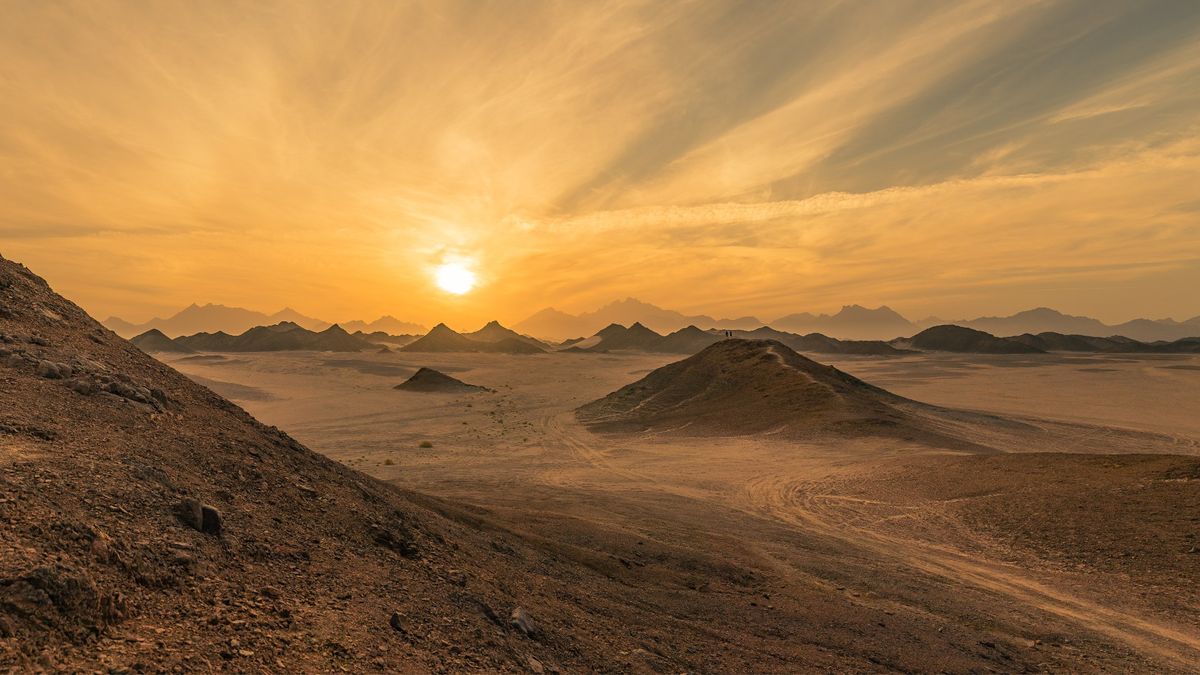
Deserts are dry due to global air circulation patterns, with the Hadley cell driving trade winds and influencing the location of many of the world's biggest deserts. Wind patterns and topography also play a role, with inland areas being drier due to the lack of moisture in the air. Climate change is expected to expand the zone that's ripe for desert formation, and human activity such as deforestation is contributing to the growth of existing deserts.