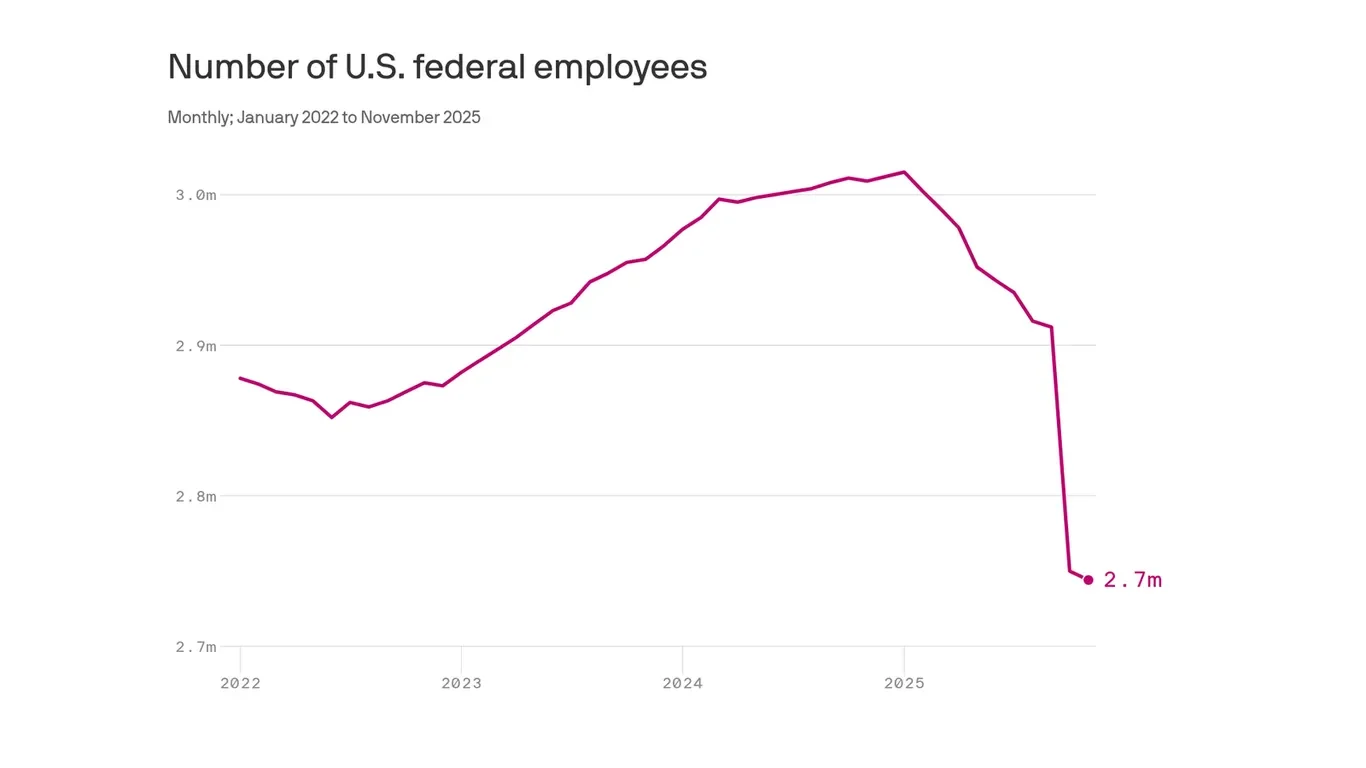
The federal workforce has shrunk by about 9% since early 2025, primarily due to voluntary departures under the Trump administration's policies, with some rehiring efforts underway to fill critical roles.
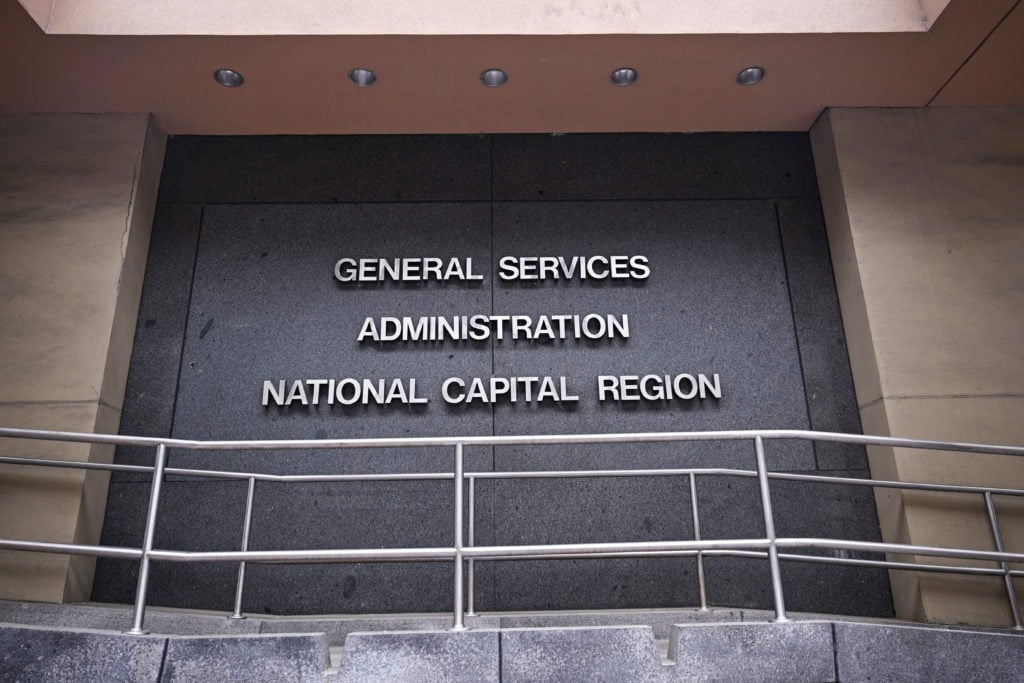
Hundreds of federal employees who were dismissed during Elon Musk's cost-cutting efforts at the GSA are being asked to return to work, as the agency reverses some of its layoffs and lease cancellations, amid criticism of the previous aggressive downsizing and its impact on government operations.
The Supreme Court has allowed President Trump to proceed with large-scale layoffs in the federal government, potentially impacting over 100,000 jobs and major agencies, which could significantly alter the federal workforce and weaken congressional oversight.
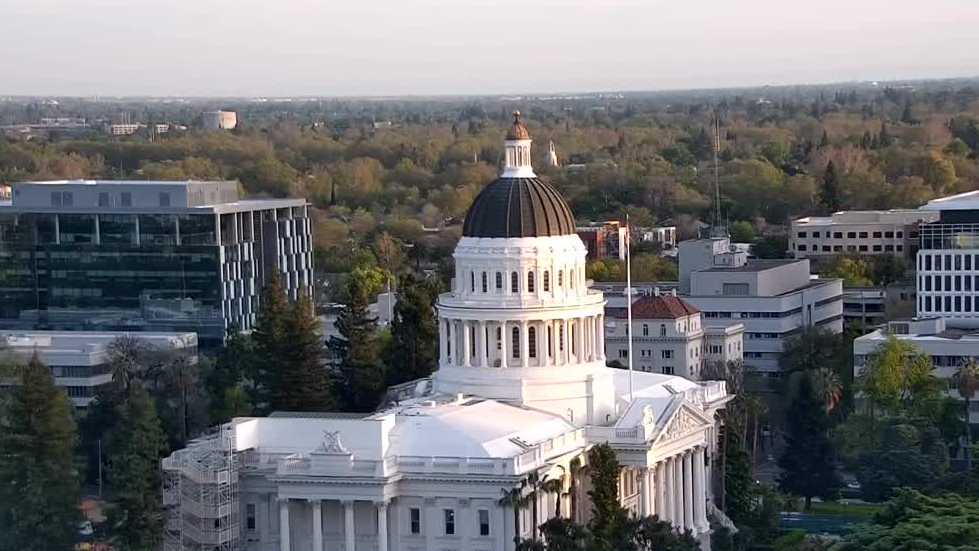
Governor Gavin Newsom's administration has announced a new policy requiring California state employees to work in the office at least two days a week starting on June 17, aiming to address inconsistencies and confusion in remote work policies across state agencies. The directive allows for individual and operational needs to be considered, with requests for more than three days of remote work to be evaluated on a case-by-case basis.
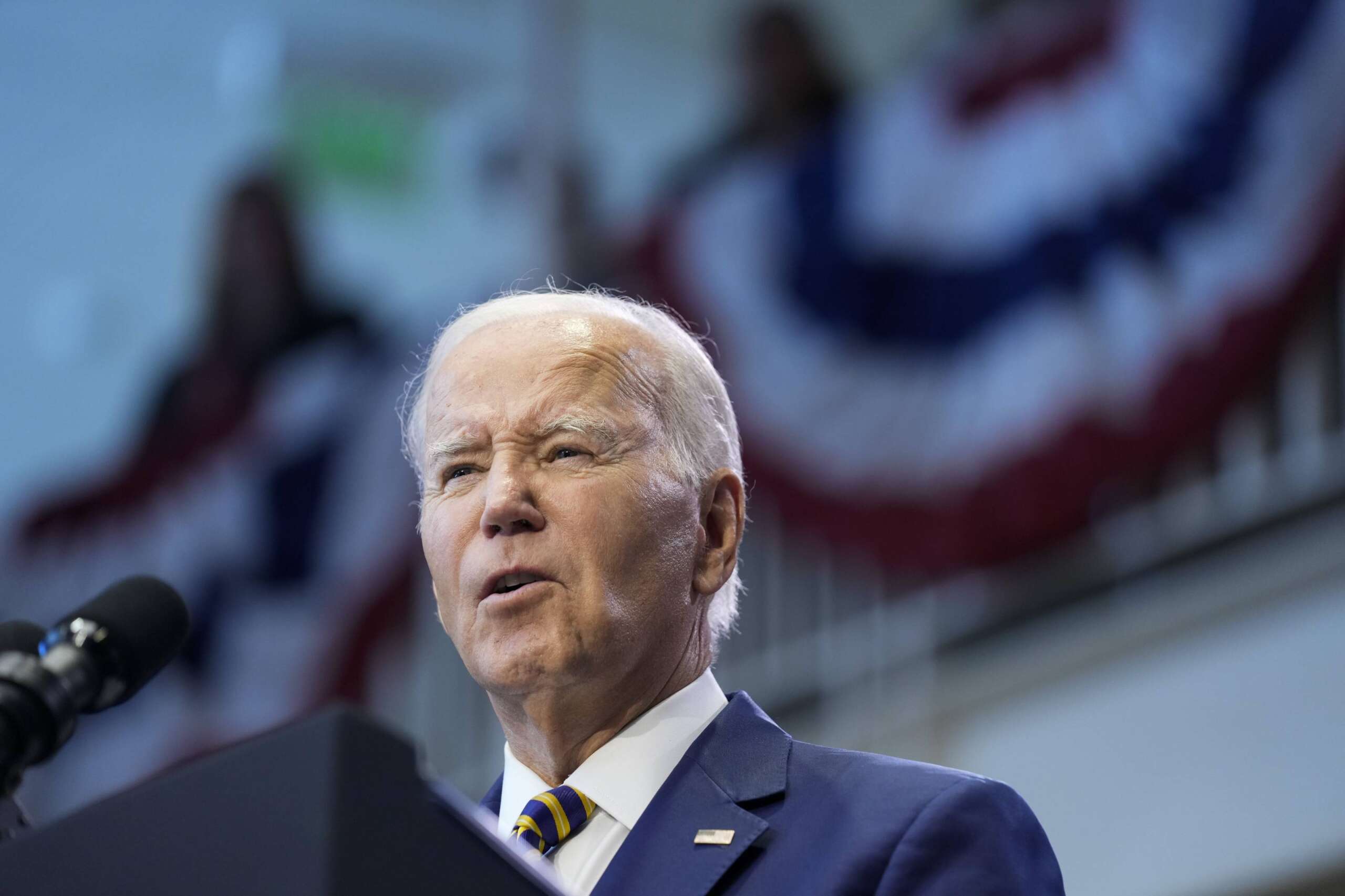
President Biden has issued an executive order calling for a "governmentwide AI talent surge" to enhance the federal government's capacity in the field of artificial intelligence (AI). The order requires agencies to establish comprehensive policies for internal AI tool usage and mandates the rapid hiring of AI professionals. The aim is to prevent discrimination and bias in AI decision-making processes related to housing, benefits, and employment. The Office of Personnel Management will lead efforts to attract and retain AI experts across the government, and a task force will identify best practices for hiring AI talent. The executive order also includes measures to ensure the safety, security, and trustworthiness of AI systems, as well as the development of international frameworks for ethical AI use.