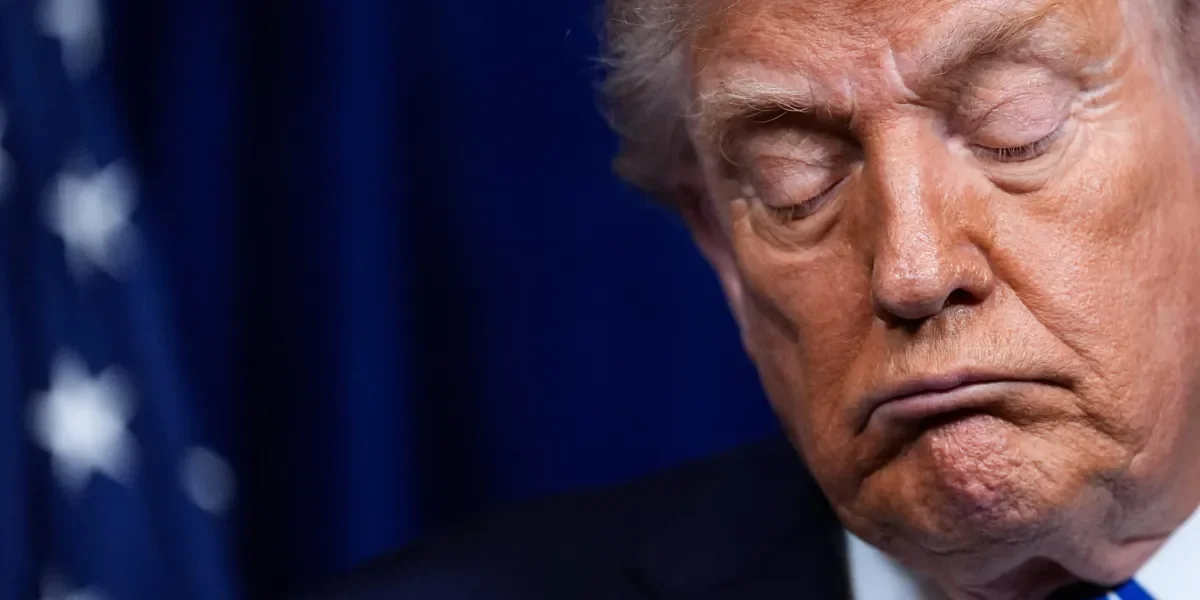
Recent studies show that Trump's trade tariffs have had a limited impact on inflation and have hurt economic growth and government revenue, leading to a decline in tariff income and raising concerns about the US government's ability to manage its debt, while stock markets remain optimistic.
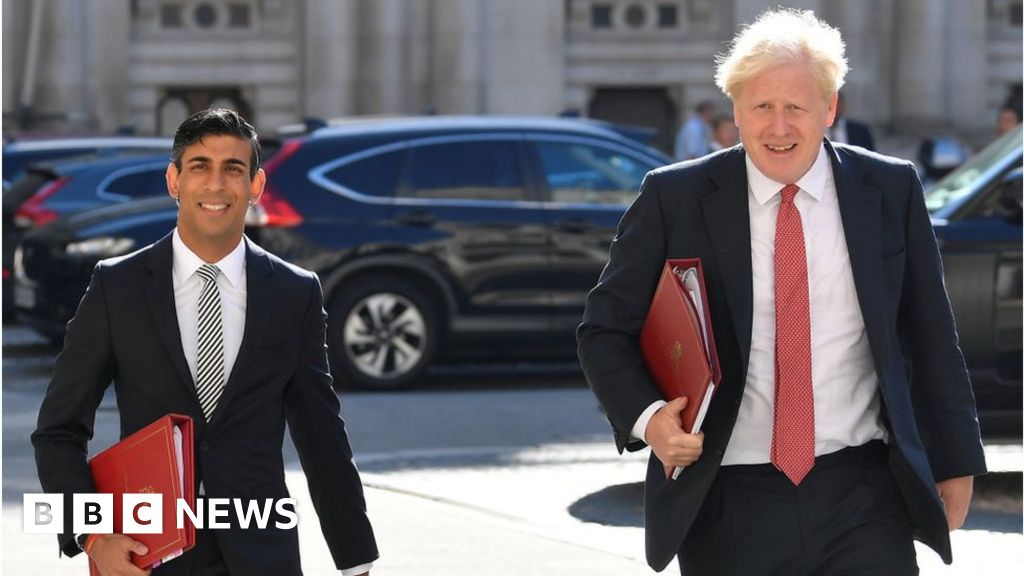
The Institute for Fiscal Studies (IFS) has predicted that the UK government is on track to oversee the highest tax levels since records began, with taxes expected to reach about 37% of national income by the next general election in 2024. This would be the highest level since 1948. The IFS analysis also revealed that the government is currently raising more tax revenue, as a percentage of national income, than at any time since the 1940s. The analysis attributes this to decisions to increase government spending, demographic changes, pressures on the health service, and some unwinding of austerity measures. Some Conservative MPs are calling for tax cuts, but Chancellor Jeremy Hunt has stated that tax cuts are "virtually impossible."
Italy has watered down its proposed bank windfall tax, which aimed to raise revenue from the financial sector, after facing opposition from banks and the European Central Bank. The revised tax will now only apply to banks that have benefited from state aid, rather than all banks as initially planned. The move is seen as a compromise to appease the financial sector while still generating some government revenue.
Chile's lower house of Congress has given final approval for a mining tax reform that requires large copper and lithium producers to pay more taxes and royalties to the government. The reform, which is expected to become law after the signature of President Gabriel Boric, will increase the government's take from mining companies and address past abuses. Chile is the world's top copper producer and No. 2 in lithium, both seen as key to making future fleets of electric vehicles powered by rechargeable batteries.