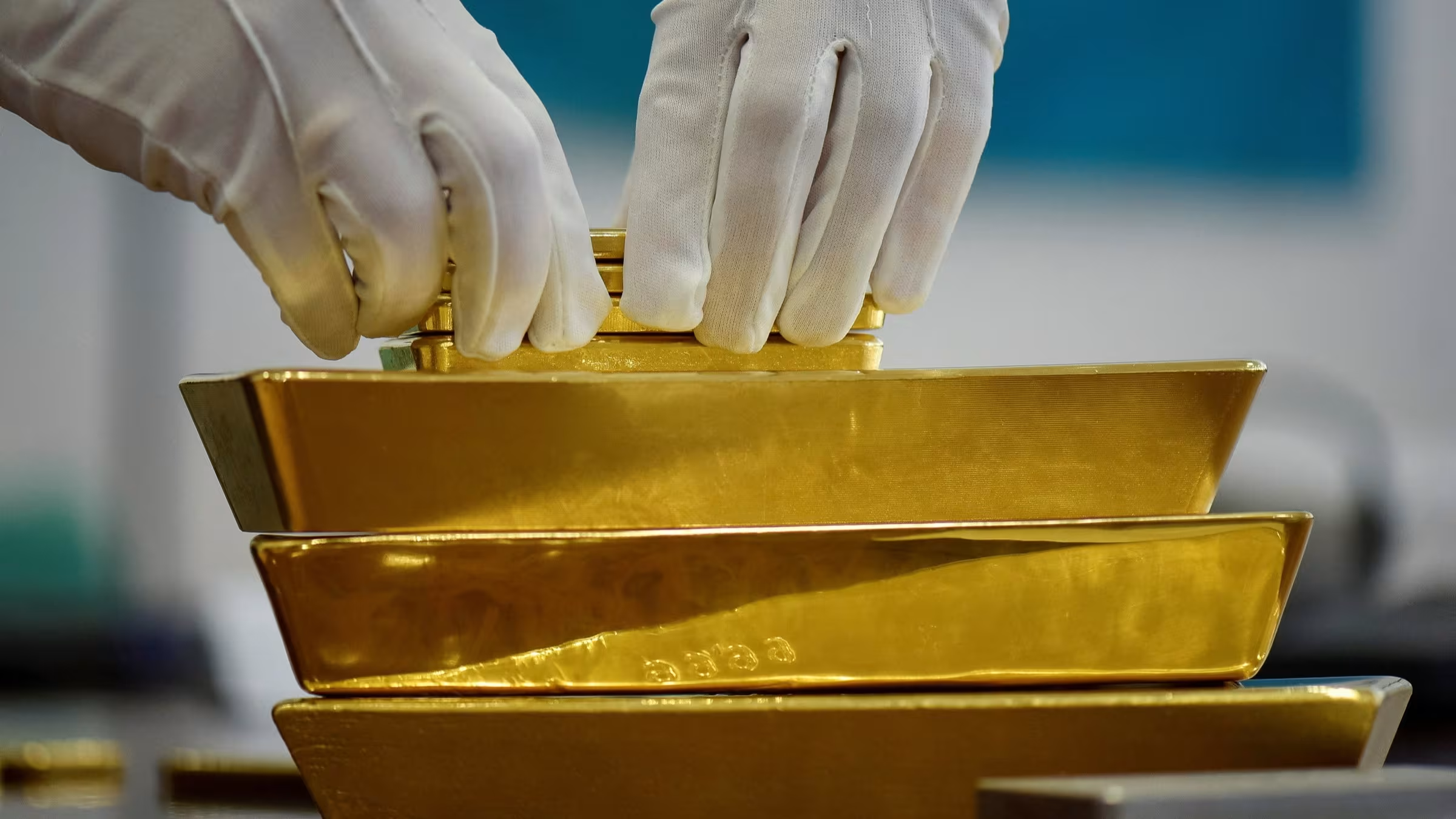
Gold Surges Past $4,500 Amid Geopolitical Tensions and Record Highs
Banks and traders are racing to capitalize on the historic surge in gold prices, highlighting a significant shift in investment strategies amid volatile financial markets.

All articles tagged with #gold rally
Banks and traders are racing to capitalize on the historic surge in gold prices, highlighting a significant shift in investment strategies amid volatile financial markets.
Gold prices declined from record highs due to profit-taking and easing U.S.-China trade tensions, which reduced demand for safe-haven assets. The rally may be overextended, with some experts warning of a bubble, while other metals also fell as the dollar strengthened.
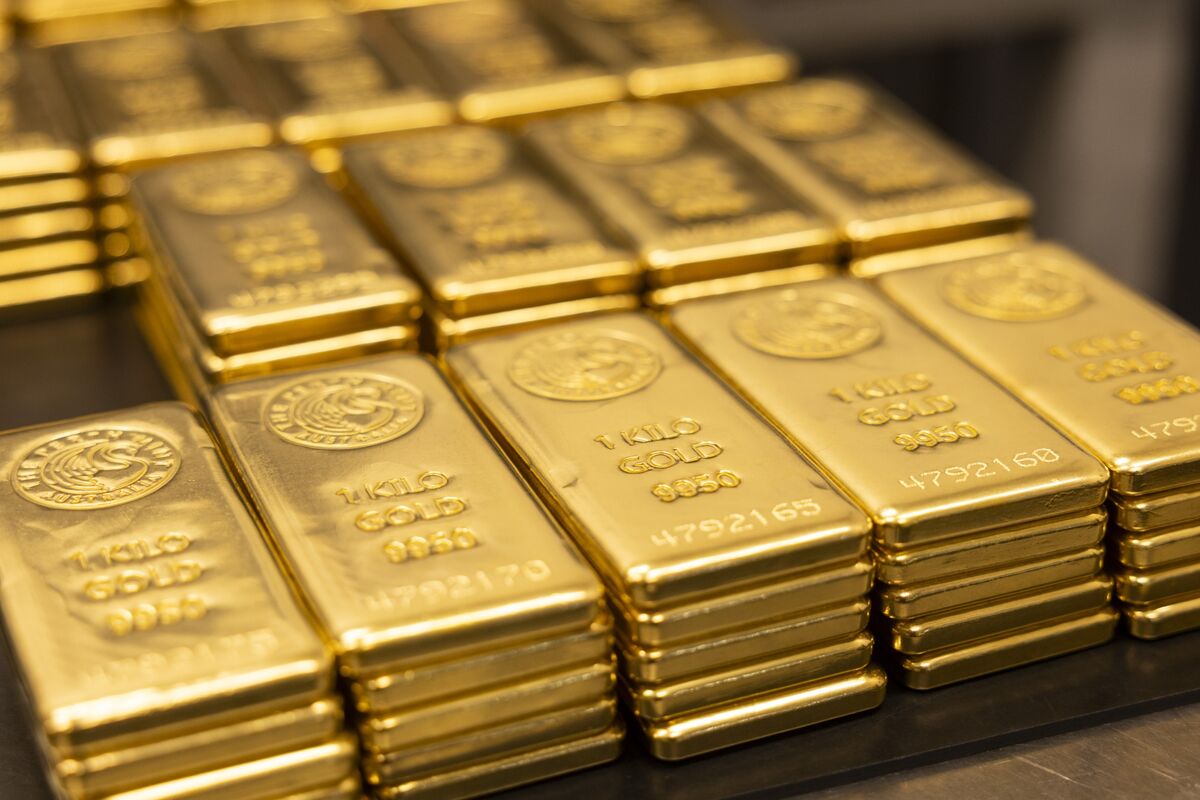
The surge in gold prices is benefiting emerging markets like Ghana, South Africa, and Uzbekistan by boosting their economies, improving credit ratings, and attracting investor confidence, while also reflecting a broader shift away from US dollar dependence amid global economic uncertainties.
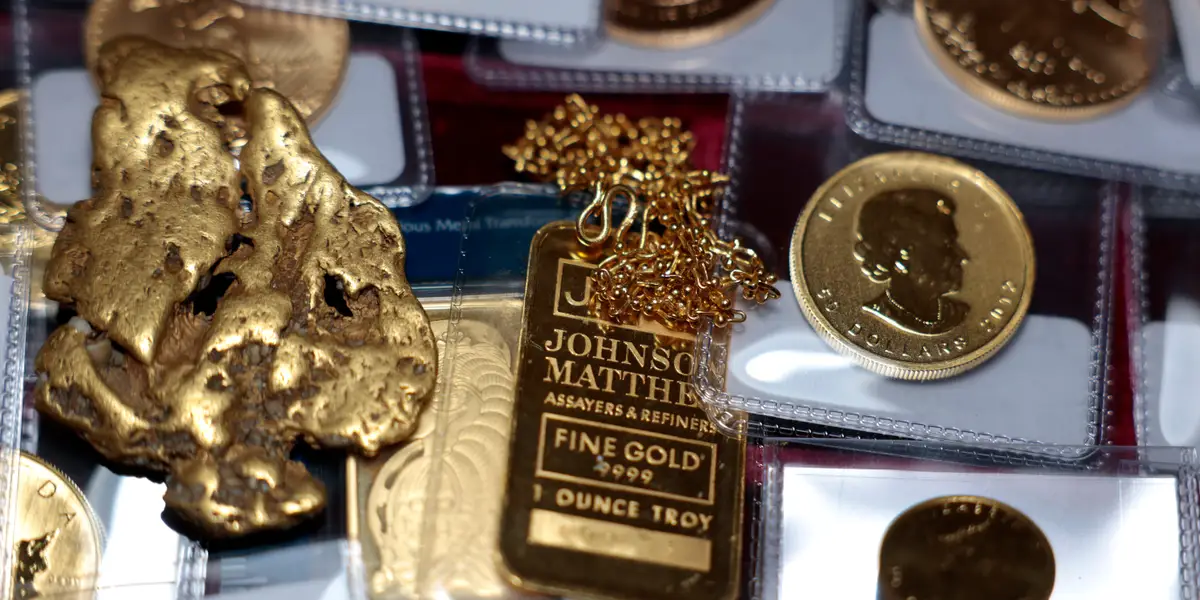
Gold has experienced a significant rally in 2025, driven by genuine demand from central banks and private investors amid economic fears, with analysts suggesting it could continue to rise, drawing parallels to the 1970s gold surge.
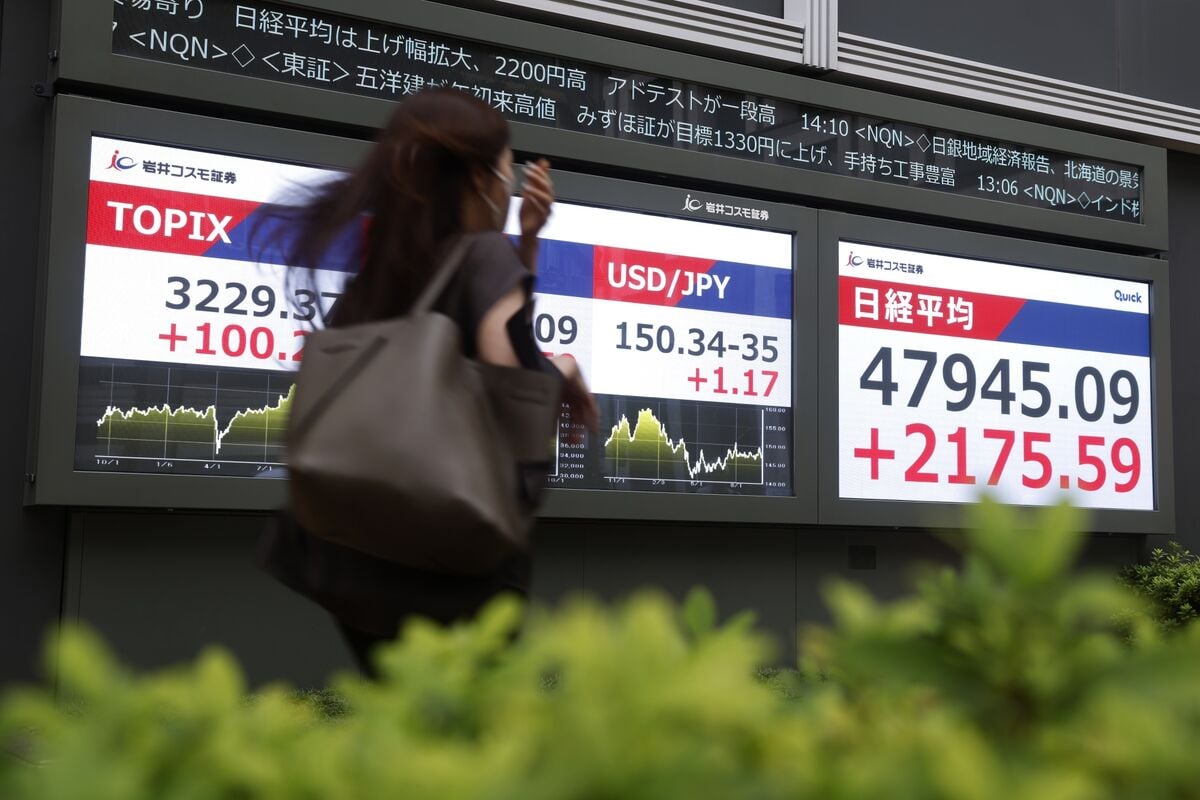
Stocks declined from record highs amid concerns over valuations and AI investment bubbles, while gold surged to over $4,000 an ounce as investors seek safe havens amidst US economic worries and a government shutdown threat. Asian markets fell, the dollar strengthened, and the yen hit a record low against the dollar, with market analysts warning of potential risks but expecting the rally to continue in the near term.
Bank of America warns that the ongoing gold rally, which has seen prices approach $4,000 per ounce, may be losing steam due to technical signals indicating exhaustion, despite the potential for further gains in the coming years.
Gold prices hit a record high above $3,500, driven by geopolitical tensions, a softer dollar, and increased demand from central banks and investors. While some ETFs and mining stocks are showing bullish signals, many are extended, raising questions about the timing of new investments. Experts suggest that demand for gold is likely to continue growing despite the recent rally.