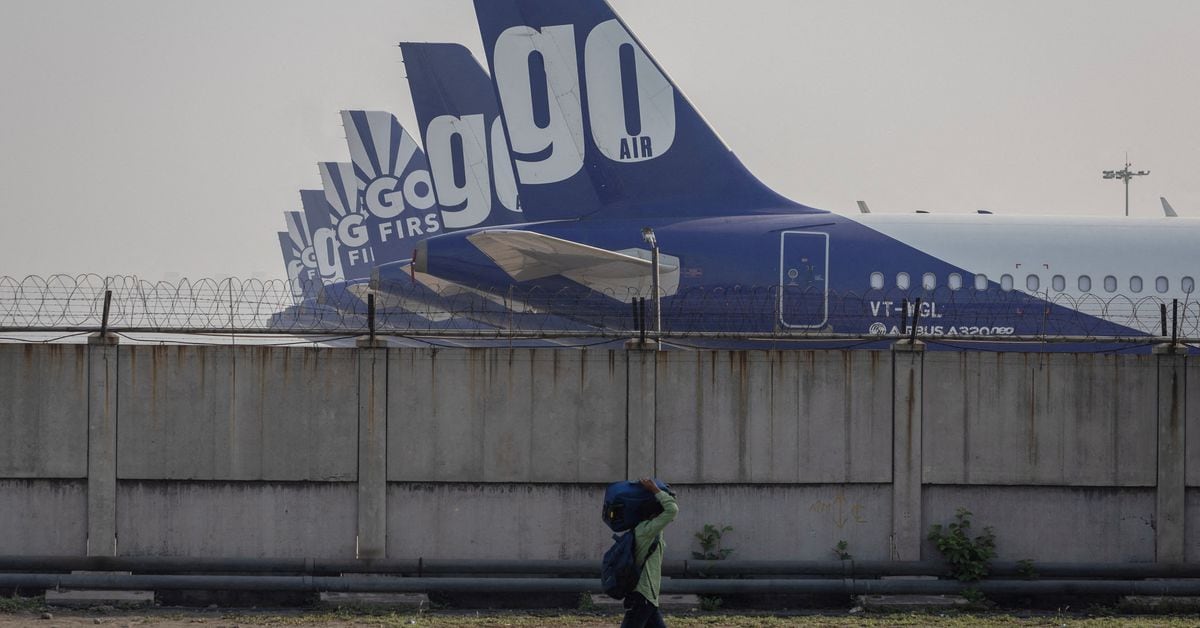
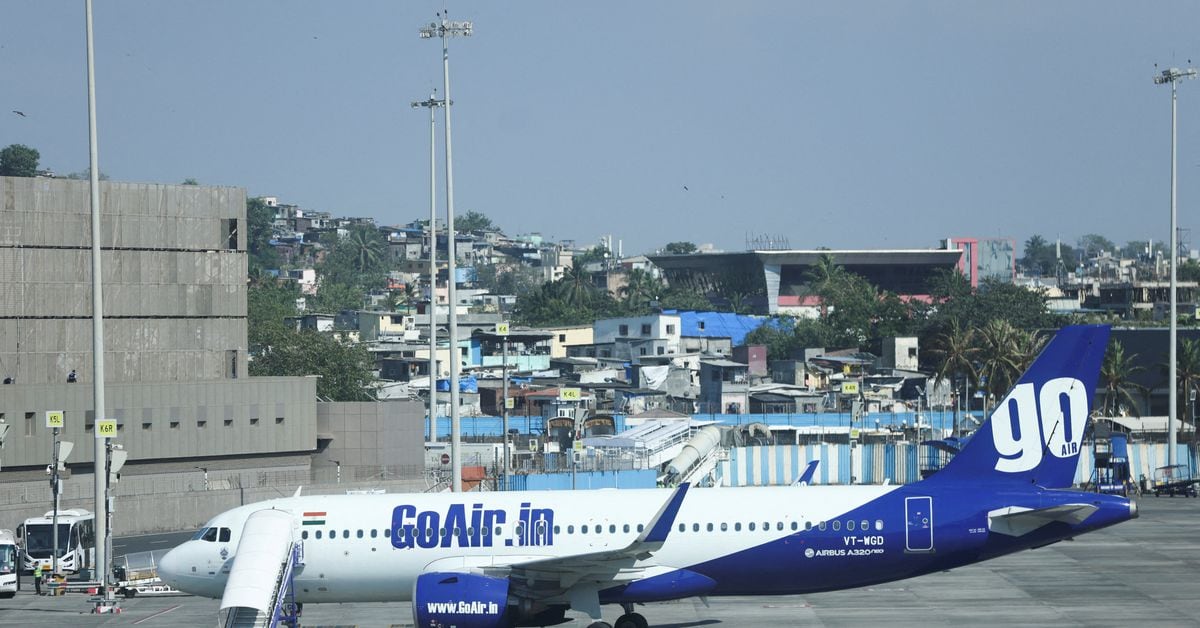
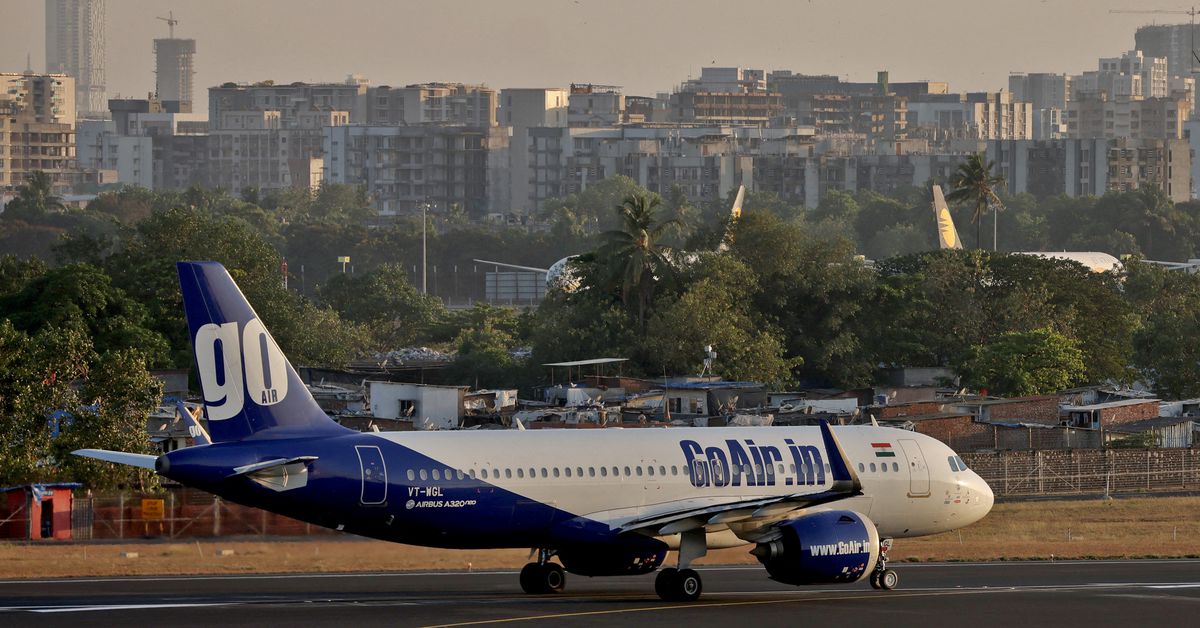
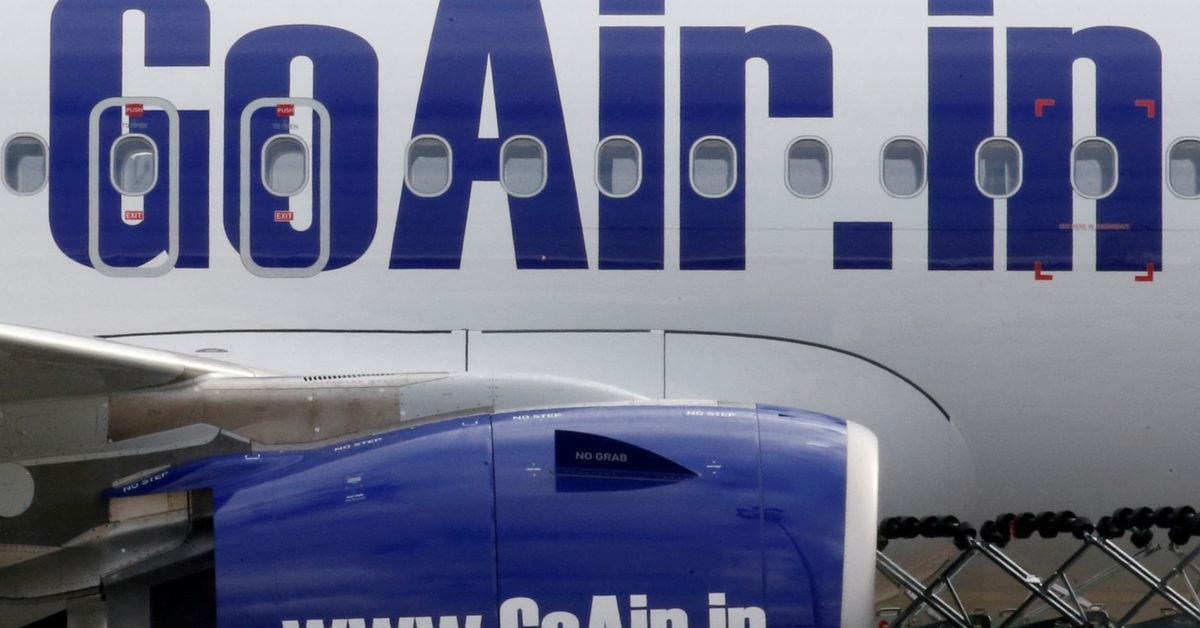
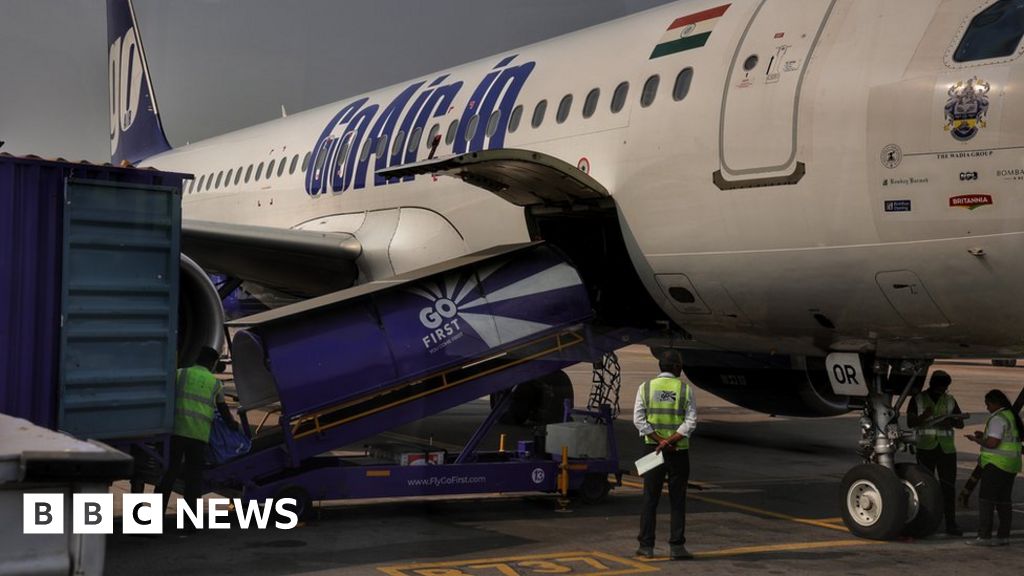
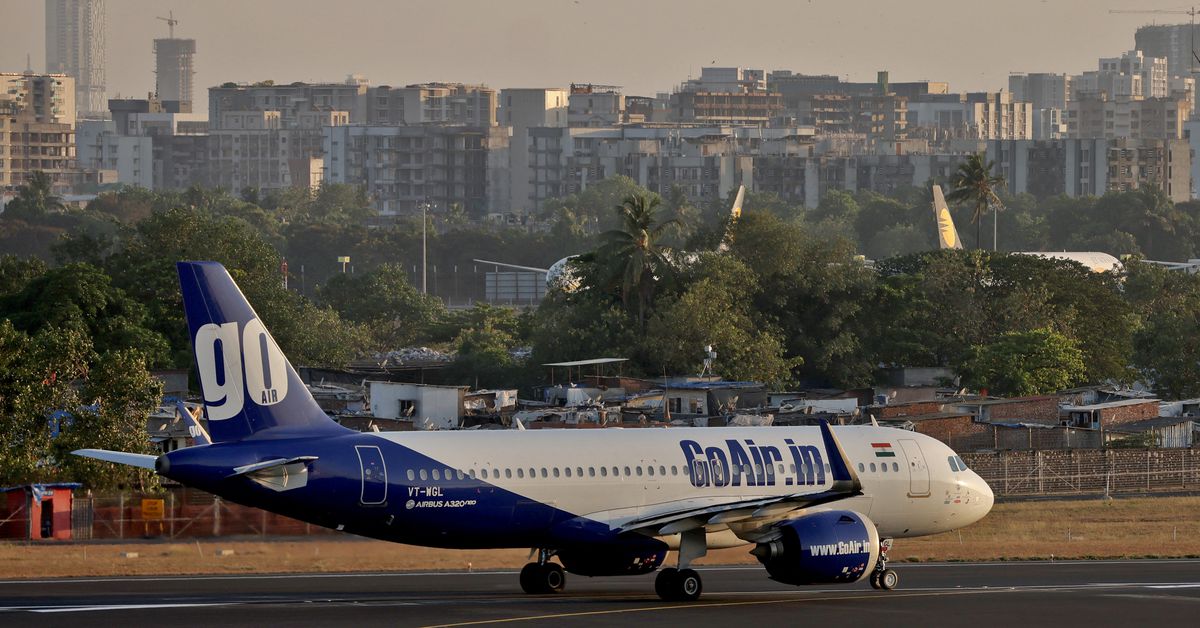
ACG Aircraft Leasing, a lessor of India's bankrupt airline Go First, has informed a court that critical parts, including fan blades and engine parts, are missing from at least two of the airline's planes. The lessors have been engaged in a legal battle to recover their aircraft, which have been grounded due to the bankruptcy process. ACG has submitted evidence to the court, including pictures and details of the missing parts. The court has yet to make a decision on the matter. Go First, formerly known as GoAir, has not commented on the issue.
India has been placed on a watchlist with a negative outlook by the Aviation Working Group (AWG), a global aviation leasing watchdog, for failing to comply with international aircraft repossession norms after airline Go First was granted bankruptcy protection. The move could raise leasing costs for Indian airlines and further hurt lessors' confidence in the world's third-largest domestic aviation market. The inability to repossess Go First's planes in a timely manner comes as Indian air travel is booming and hundreds of new jets have been ordered by local carriers, who regularly turn to lessors to help finance plane purchases.
Aircraft lessors, including SMBC Aviation Capital, have raised concerns over India's decision to block leasing firms from reclaiming Go First planes, warning that it will jolt the market and spark a confidence crisis. The move comes after a tribunal gave Go Airlines (India) Ltd bankruptcy protection to allow it to revive itself, but barred lessors from repossessing planes. India is a critical market for lessors, in which sale-and-leaseback deals accounted for 75% of plane deliveries from 2018 to 2022, compared with a global average of 35%.
Go Airlines (India) Ltd owner Wadia Group has confirmed its commitment to the airline despite its recent bankruptcy filing, which blamed faulty Pratt & Whitney engines for grounding half its fleet. The insolvency proceedings are aimed at reviving the airline, not selling it, and the company is looking to dissuade lessors from taking action. Some parties have expressed interest in the airline, but no further details have been shared. The bankruptcy may boost airfares in India and give other domestic airlines a chance to grab a larger market share, with IndiGo facing similar problems with P&W engines but better able to maneuver the crisis due to its larger fleet size and better negotiations with the vendor.
Go First, formerly known as Go Airlines, has filed for bankruptcy, citing "faulty" Pratt & Whitney engines as the reason for grounding about half its fleet. The airline had chosen the geared turbofan (GTF) engines for their fuel efficiency, quieter operation, and lower maintenance requirements. However, the engines were found to have problems with fan blades, oil seals, and combustion chamber lining. Go First and Pratt & Whitney had a compensation agreement until 2019, but financial disputes arose in 2022 over engine replacement and maintenance. Pratt proposed a plan to supply replacement engines at a lower rate, leading Go First to file for emergency arbitration. The number of aircraft grounded due to "faulty engines" has increased from 7% to 50% of Go First's fleet, costing the airline $1.3 billion in lost revenue and added expenses.
Indian budget airline Go First has cancelled all flights for the next three days after filing for bankruptcy protection, blaming US engine maker Pratt & Whitney for grounding many of its planes, causing a severe cash flow problem. The airline accused Pratt & Whitney of not following an order by an emergency arbitrator, which included supplying "at least 10 serviceable spare leased engines by 27 April 2023". This is the first major airline in India to file for bankruptcy since Jet Airways went bust in 2019.
Go First, a cash-strapped Indian airline, has filed for bankruptcy proceedings due to the grounding of about half its fleet, blaming "faulty" Pratt & Whitney engines. The airline's total debt to financial creditors is $797m, and it has defaulted on payments to operational creditors, including $146.9m to vendors and $325m to aircraft lessors. The collapse could benefit rival airlines as the industry tries to meet a surge in post-pandemic air travel.
Indian airline Go First has filed for bankruptcy, citing financial troubles caused by the ongoing pandemic and a dispute with US engine maker Pratt & Whitney. The airline, formerly known as GoAir, has struggled to stay afloat amid reduced demand for air travel and rising fuel costs. Go First is the latest casualty in India's struggling aviation industry, which has been hit hard by the pandemic.
Indian airline Go First has filed for bankruptcy, citing "faulty" Pratt & Whitney engines for grounding about half its fleet. The move marks the first major airline collapse in India since Jet Airways filed for bankruptcy in 2019, and highlights the fierce competition in a sector dominated by IndiGo and the recent merger of Air India and Vistara under the Tata conglomerate. Go First's lenders were taken by surprise, and will meet soon to assess the situation and decide on the future course of action.