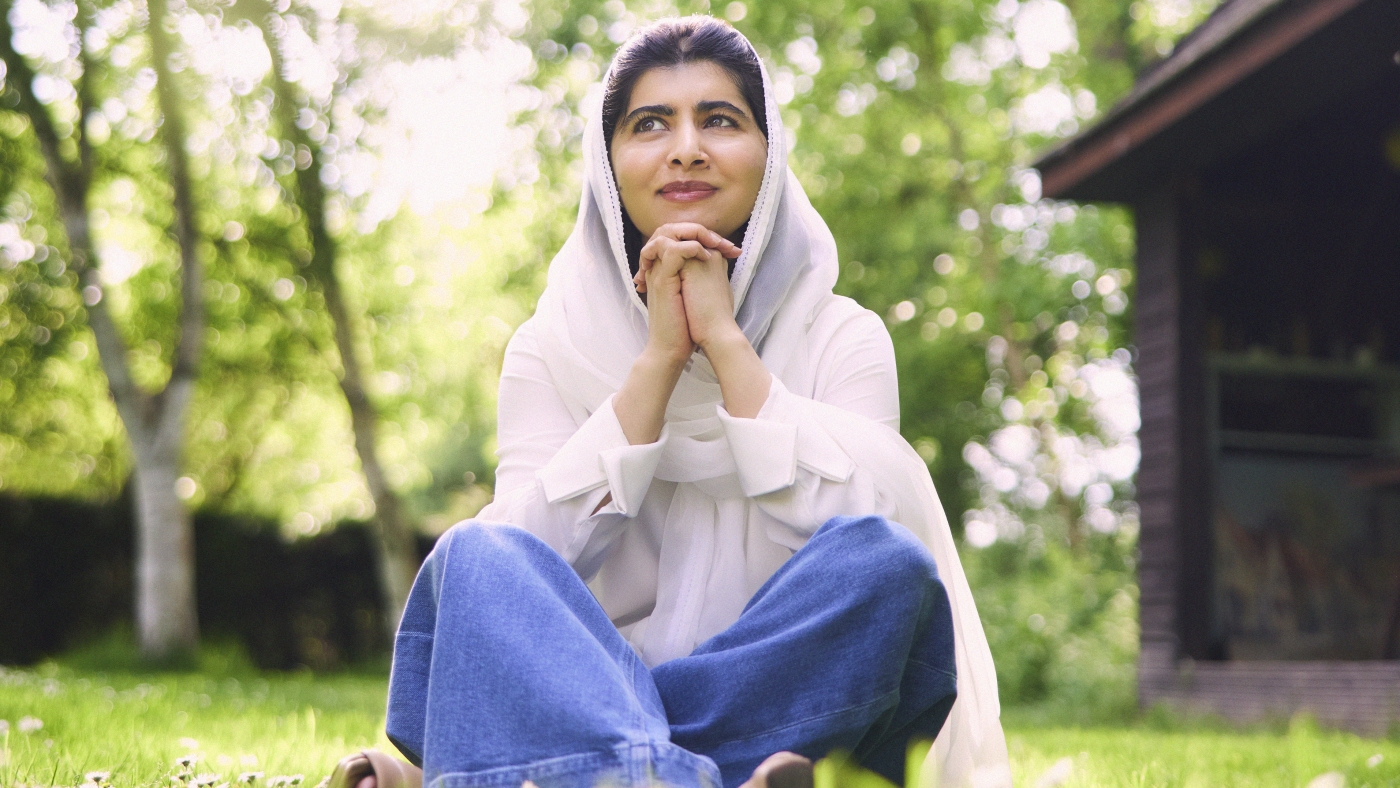
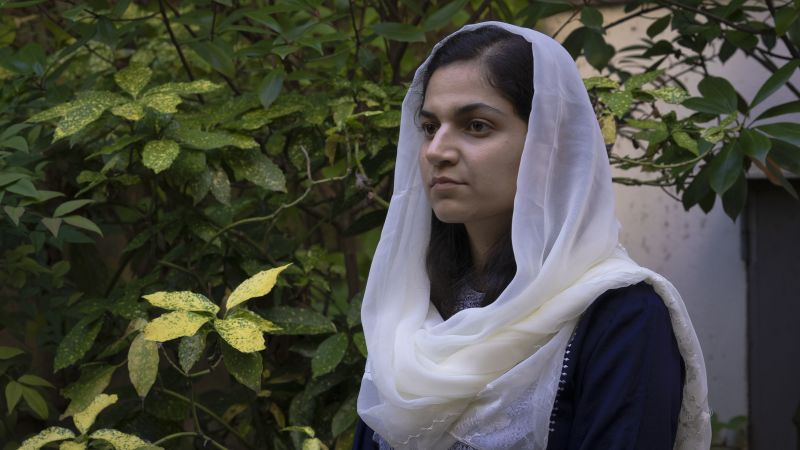
Malala Yousafzai, Nobel laureate and advocate for girls' education, shares her college experiences, including rule-breaking, struggles with trauma and mental health, and her evolving views on marriage, highlighting her journey of self-discovery and resilience.
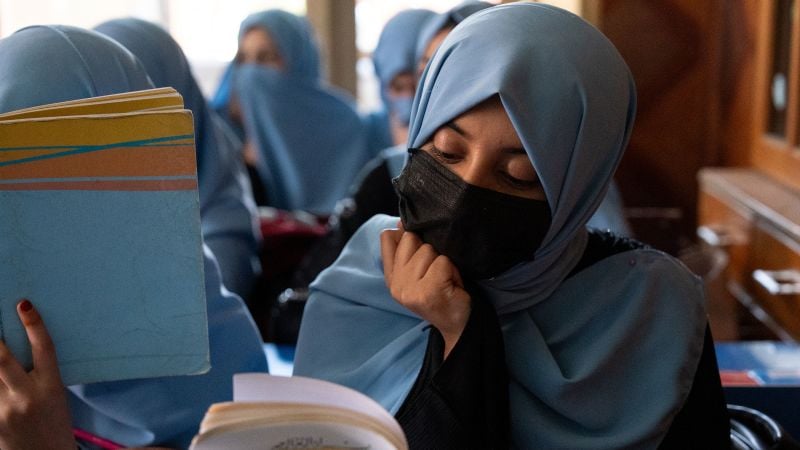
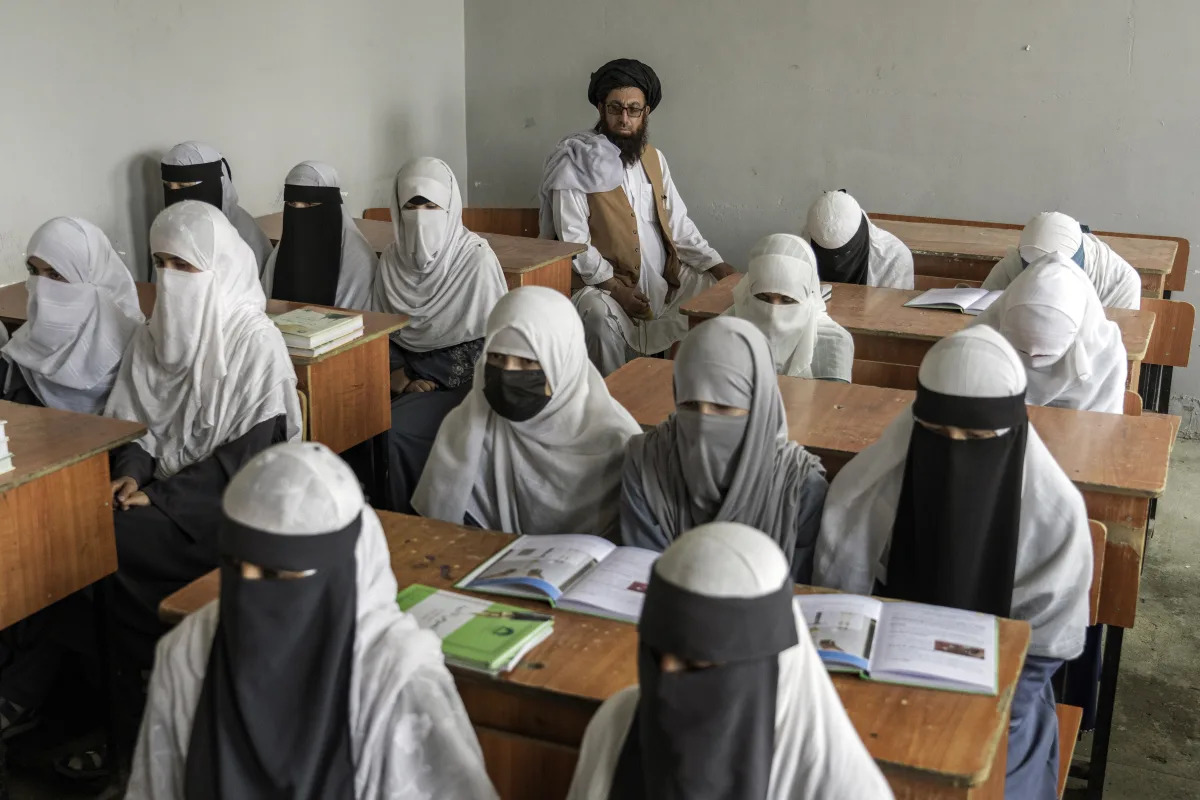
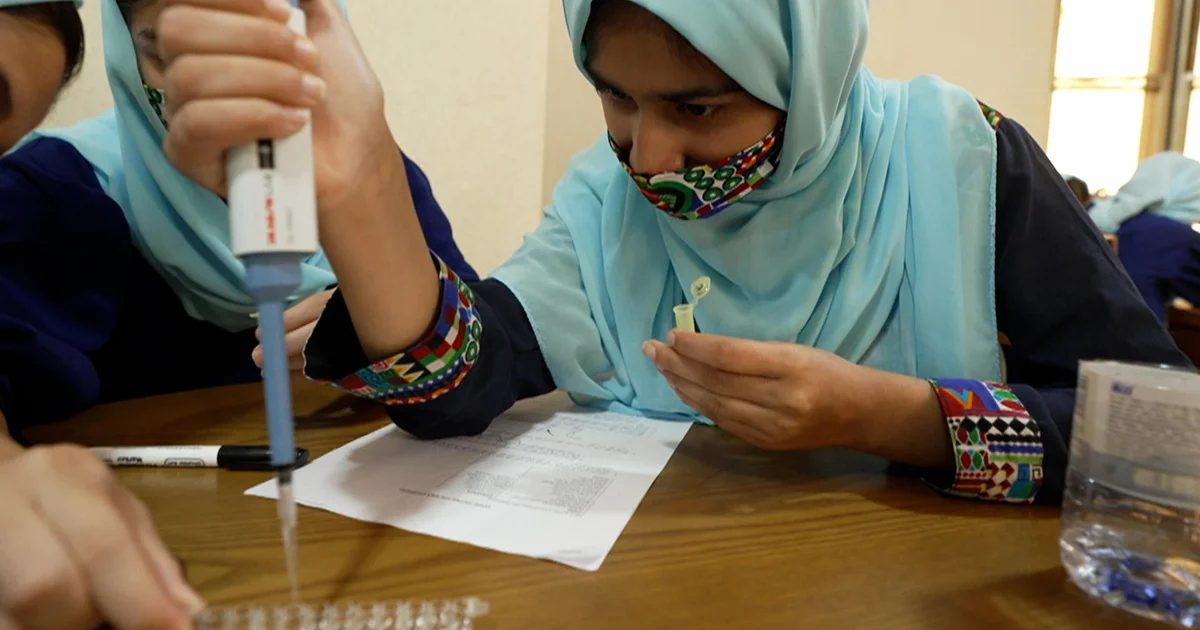
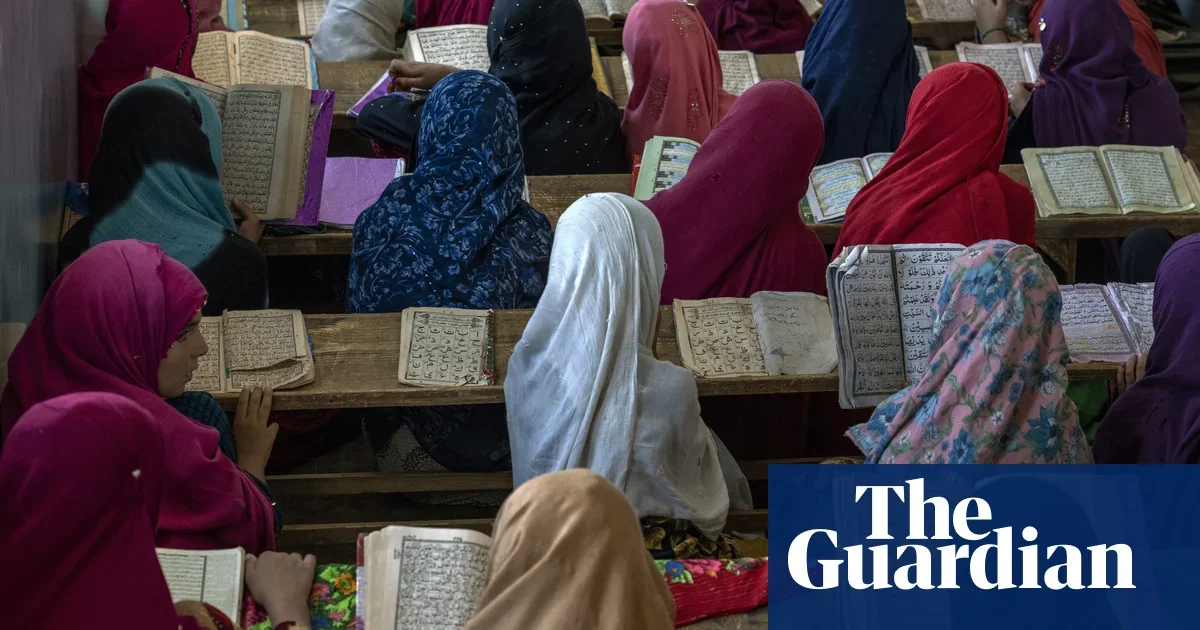
In Afghanistan, the Taliban's ban on girls' secondary education has led to a surge in religious schools called madrasas, which are often religiously focused and aligned with Taliban ideology, while many girls and women feel their educational and future aspirations are being crushed, leading to underground efforts to continue learning amid risks.
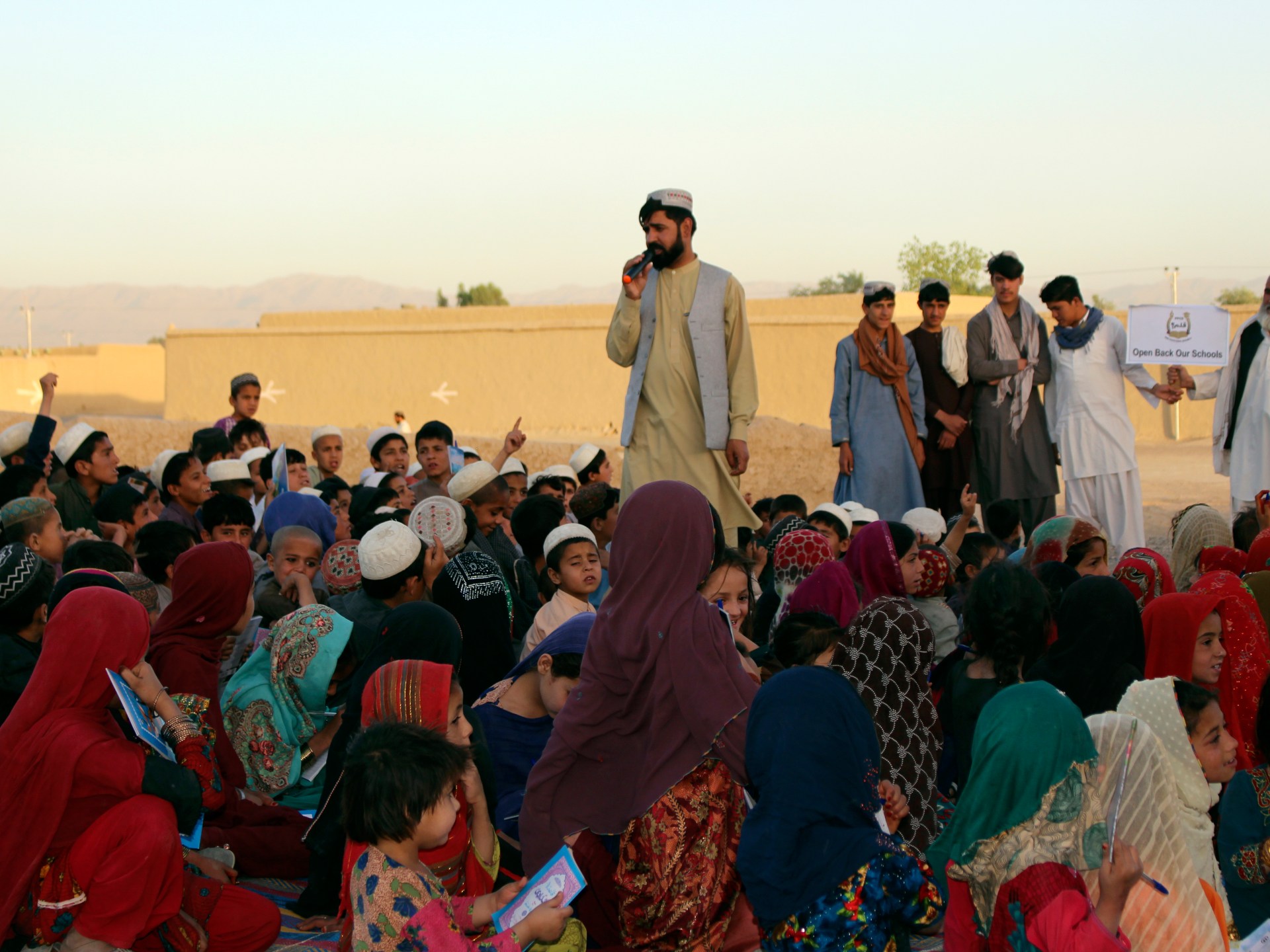
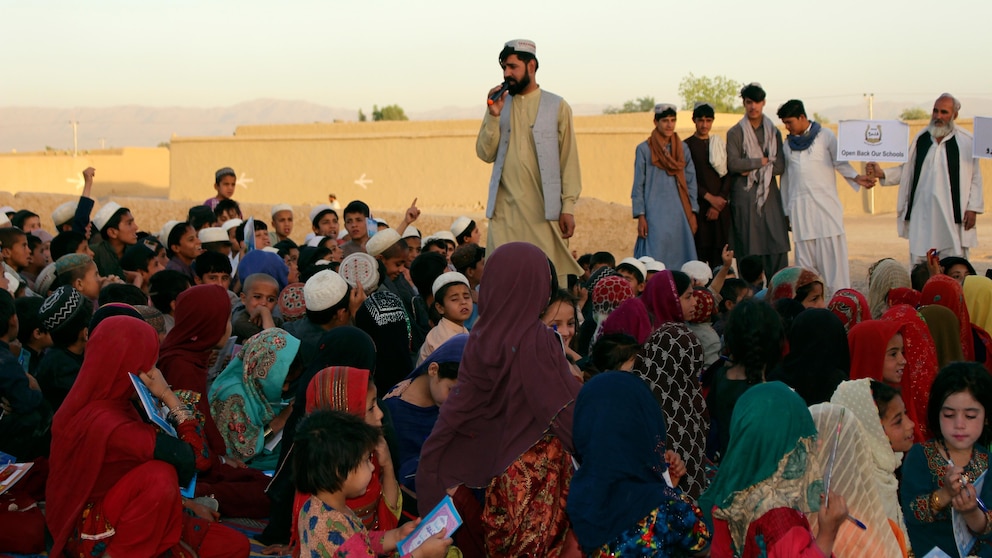
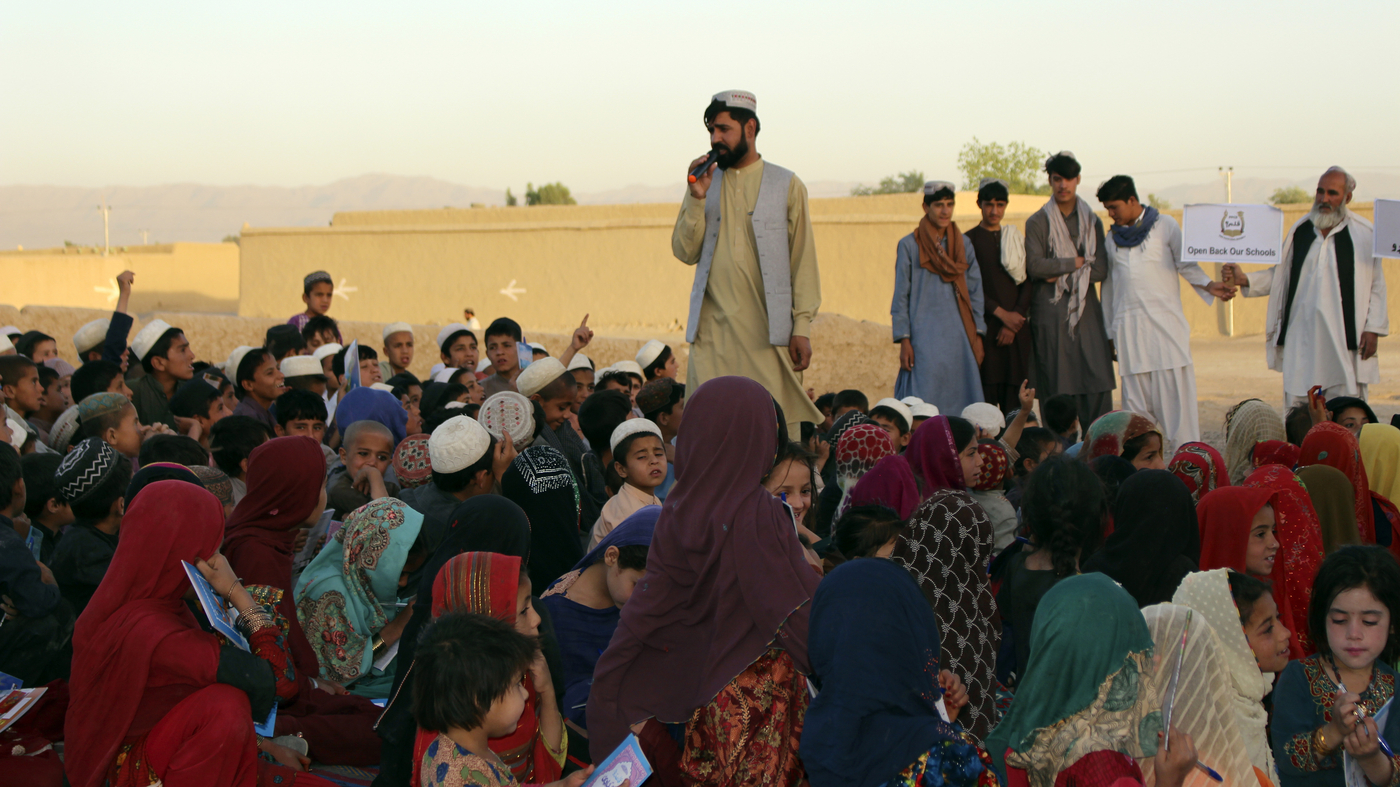
Matiullah Wesa, an Afghan activist who campaigned for girls' education, has been released by the Taliban after seven months in prison. Wesa, the founder of the nonprofit organization Pen Path, was arrested in March for "propaganda against the government." His release has been welcomed, but concerns remain for other activists targeted by the Taliban. The Taliban's crackdown on activism and erosion of press freedoms have raised alarm among international rights groups.
Matiullah Wesa, an Afghan activist who campaigned for girls' education, has been released by the Taliban after spending 215 days in prison. Wesa, who had been advocating for the right of girls to go to school, was arrested seven months ago. Since their takeover, the Taliban have imposed restrictions on female education, barring girls from school beyond the sixth grade and banning women from universities. Wesa's release was welcomed by the UN special rapporteur on human rights in Afghanistan, who called for the immediate release of all arbitrarily detained human rights defenders. Amnesty International also criticized Wesa's imprisonment and called for the release of other activists.
Matiullah Wesa, an Afghan activist advocating for girls' education, has been released by the Taliban after spending 215 days in prison. Wesa had been vocal in demanding equal educational opportunities for girls and urging the Taliban-led government to reverse its bans on female education. Since their takeover, the Taliban have restricted girls' education beyond the sixth grade and banned women from attending universities. Wesa's release comes after a door-to-door campaign by his organization, Pen Path, to promote girls' education. Further details about his release and condition remain unknown.
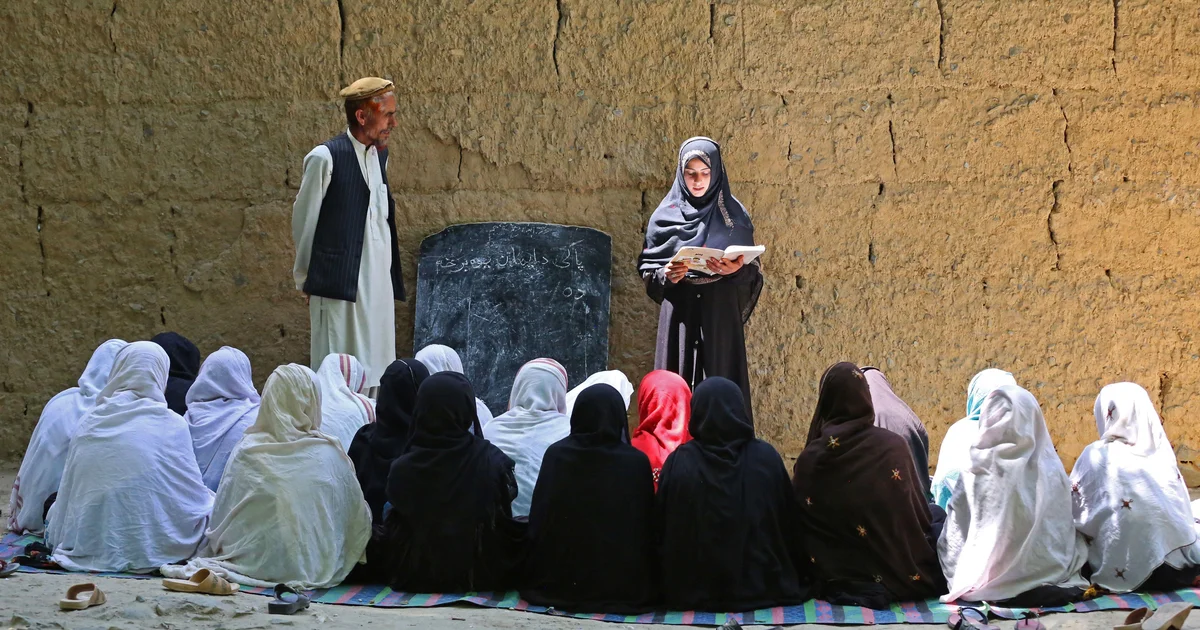
Despite the Taliban's ban on female education, a network of secret schools called SRAK has been established in Afghanistan to provide education to around 400 girls across eight provinces. The schools operate in underground locations, hidden from the Taliban's scrutiny. The founder, Parasto Hakim, and her team of teachers and staff risk their lives to ensure girls have access to education. The Taliban's promises of a more progressive government have been broken, with girls barred from attending school beyond the 6th grade and women being erased from public life. The secret schools offer hope and a lifeline for girls and women who dream of a future without the Taliban's restrictions.
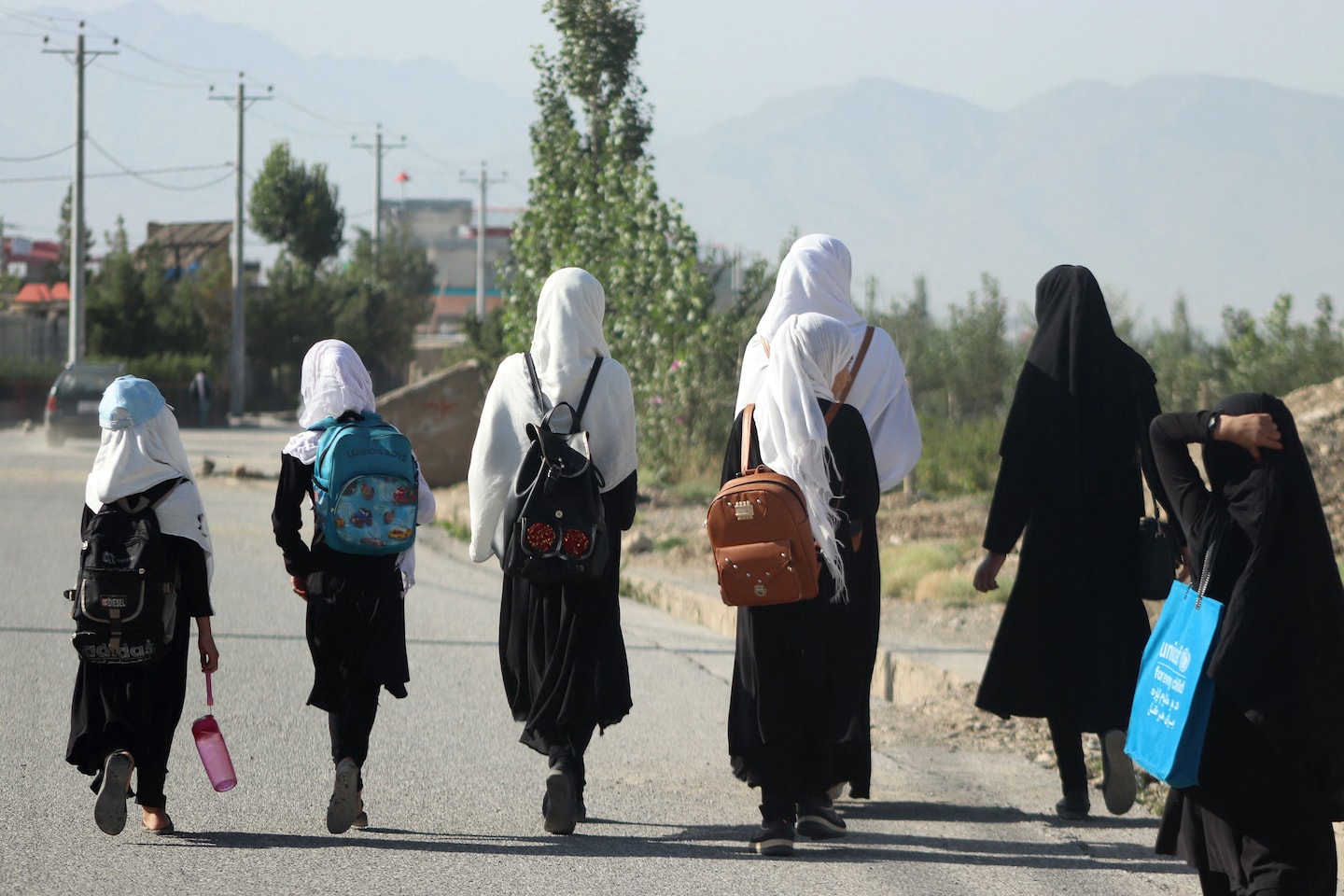
Two years after the Taliban banned girls from school beyond sixth grade, Afghanistan remains the only country in the world with restrictions on female education. The ban, which affects over 1 million girls, has triggered global condemnation and remains the Taliban's biggest obstacle to gaining recognition as the legitimate rulers of Afghanistan. The impact of the ban is far-reaching, affecting not only girls' rights but also the country's economy, public health, and child protection. While international pressure has had limited effect, there is hope that internal pressure from ordinary Afghans and the desire for some form of international acceptance may eventually lead to change.
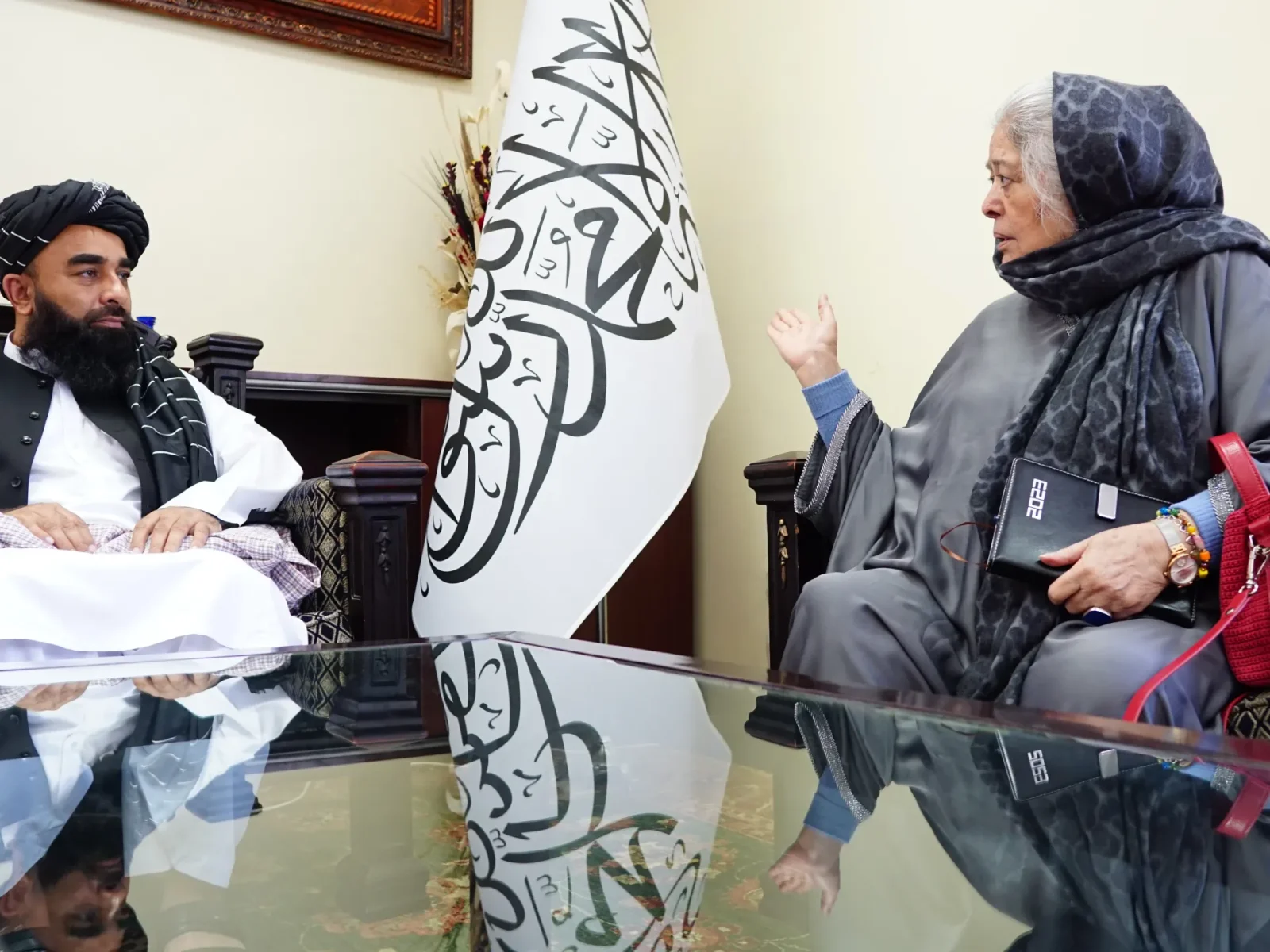
Afghan women's rights activist Mahbouba Seraj confronts Taliban spokesperson Zabiullah Mujahid in an Al Jazeera documentary, describing the Taliban's ban on girls' education and other restrictions on women as a "crime" and an "apartheid." Seraj demands that girls' schools be reopened, emphasizing the importance of education for future generations. Mujahid acknowledges her concerns but argues that allowing schoolgirls to go against the government could destabilize Afghan society. The Taliban's policies have resulted in over 2.5 million Afghan girls and young women being out of school since 2021, reversing significant progress made in female education. Seraj warns that if the Taliban does not reverse its policies, the world will stand against them, and the people of Afghanistan will suffer.
SOLA (School of Leadership Afghanistan) is a school in Afghanistan that provides education to girls beyond the 6th grade, defying the Taliban's ban on girls' education. However, due to the deteriorating security situation in Afghanistan, SOLA had to relocate to Rwanda, where the girls continue their education. SOLA's founder, Shabana Basij-Rasikh, who herself disguised as a boy to attend a secret school during the Taliban's rule, is committed to empowering Afghan girls through education. The story highlights the challenges faced by Afghan girls in accessing education and the resilience of those who strive to learn despite the obstacles.
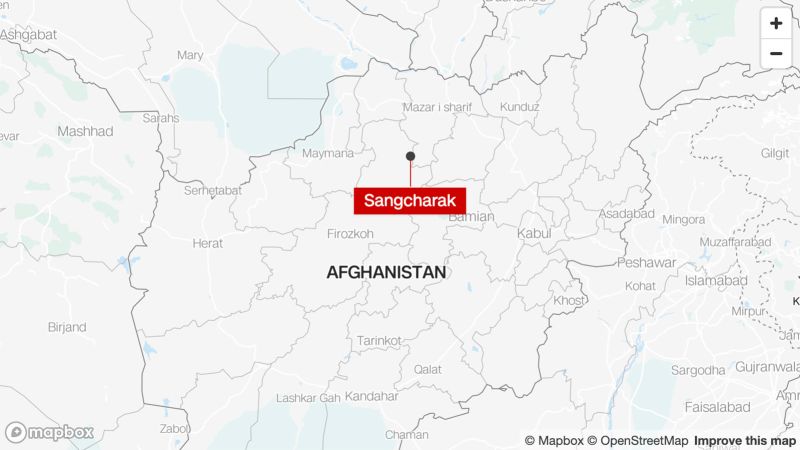
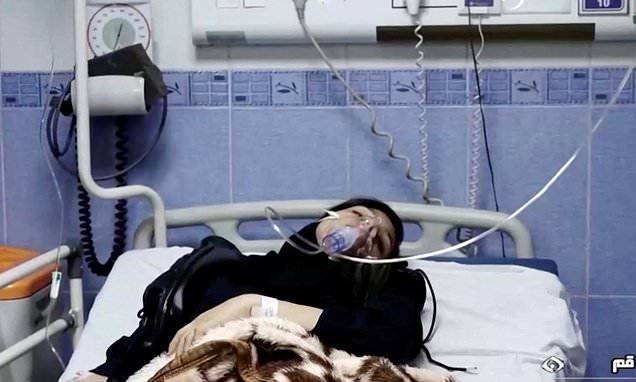
Nearly 80 primary school students, mostly girls, in Afghanistan's Sangcharak district were suspected to have been poisoned over the weekend and taken to hospital. Officials are unclear on the culprit, motive, and potential type of poison used. The education of girls has become a divisive issue in Afghanistan since the Taliban takeover of the country in 2021, where the group proceeded to strip away hard won freedoms for women and exclude them from public life. Poisoning attacks against schoolgirls have taken place in the past, blamed on extremists opposed to women's education.
Over 80 girls and teachers were poisoned in two separate incidents at elementary schools in Afghanistan's Sar-e-Pul province. The Taliban, who are not in favor of formal education for girls, have vowed to find the perpetrators. It is unclear who is behind the poisonings, but the Taliban have faced a mounting insurgency from the ISIS faction in Afghanistan since they came back to power. The incidents are part of the gender apartheid measures taken against women and girls in Afghanistan to create an atmosphere of fear, according to a former member of Afghanistan's parliament.
Over 80 Afghan students and teachers, mostly girls, were poisoned in two separate incidents over the weekend, causing no critical injuries but prompting an investigation. Witness accounts suggest a gas may have been used. Girls' education has become a divisive issue in Afghanistan since the Taliban took over, with the group banning women from universities and closing schools to girls starting in seventh grade. The Taliban-run government has provided no timeline for the reopening of schools and universities.
Nearly 80 primary schoolgirls were poisoned and hospitalized in two separate attacks at their schools in Sar-e-Pul province, northern Afghanistan. The attacks are believed to be the first of their kind since the Taliban took power in August 2021. Girls are banned from education beyond sixth grade, and women are barred from most jobs and public spaces. The investigation is ongoing, but initial inquiries suggest that someone with a personal grudge paid a third party to carry out the attacks.
Nearly 80 girls in two primary schools in Sar-e-Pul province, northern Afghanistan, were poisoned and hospitalized in targeted attacks, according to a local education official. The attacks are believed to be the first of their kind since the Taliban took power in August 2021. Girls are banned from education beyond sixth grade, and women are barred from most jobs and public spaces. The official said the person who orchestrated the poisoning had a personal grudge but did not elaborate. The investigation is ongoing.
Nearly 80 girls were poisoned and hospitalized in two separate attacks at their primary schools in northern Afghanistan, marking the first such assault since the Taliban took power in August 2021. Girls are banned from education beyond sixth grade, including university, and women are barred from most jobs and public spaces. The attacks are similar to those happening in Iran since last November, where thousands of students have reported being sickened by noxious fumes in girls' schools. The cause of the attacks in Afghanistan is believed to be a personal grudge, according to an education official.