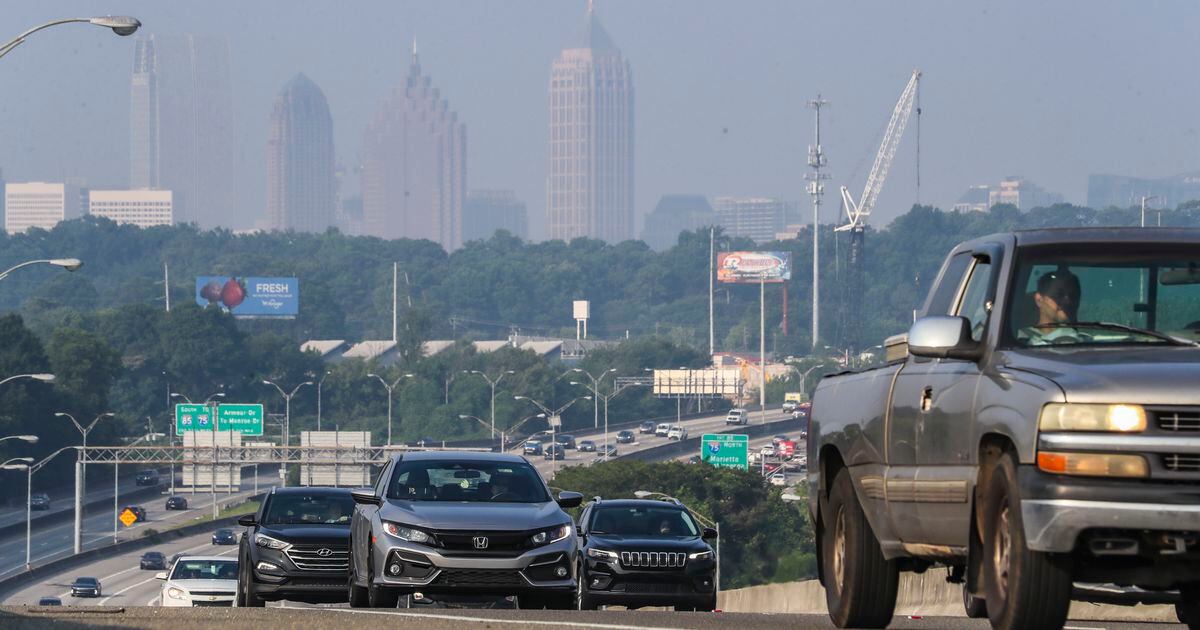
Gas prices in the US have dropped to around $3.05 per gallon, the lowest since May 2021, driven by increased oil supply, lower demand, and geopolitical stability, with projections suggesting prices may fall further to $3 soon.
Gasoline prices in the United States have dropped below $3 per gallon in 11 states, with falling seasonal demand and the use of less-expensive winter-grade gas contributing to the decline. The states with average pump prices just under $3 per gallon include Alabama, Arkansas, Georgia, Kentucky, Louisiana, Mississippi, Missouri, Oklahoma, South Carolina, Tennessee, and Texas. The national average for gasoline currently sits at $3.36, compared to $3.78 one year ago. Gasoline consumption is expected to decrease next year due to remote work, improved fuel efficiency, and high inflation. Despite volatility in the oil markets, gasoline prices have remained flat or fallen since mid-September.
Oil prices fell as traders focused on demand concerns, with news of potential low gasoline demand in the US and Chinese refiners requesting lower volumes of Saudi crude. While concerns about a supply disruption in the Middle East have diminished, the Gaza war still poses a risk. Fresh economic data from China, including declining consumer prices, added to the bearish sentiment. However, some analysts believe the sell-off in oil is exaggerated, as fundamentals remain tight in the short term.
Oil prices experienced a significant drop of $5 following the release of the EIA's inventory report, which showed a substantial increase in gasoline inventories and a dramatic decline in demand. This crash came shortly after OPEC+ agreed to maintain production cuts, which should have supported higher oil prices. The decline in prices suggests a larger shift in sentiment rather than a direct reaction to gasoline demand alone. While a recovery is possible, concerns about a potential recession in 2024 may cap future gains. At the time of writing, WTI was trading at $84.31 and Brent at $85.89.
Gas prices continue to rise due to efforts to cut global oil production, leading to higher petroleum prices and subsequently increasing pump prices. The end of the U.S. government's release of oil from the strategic reserve, combined with peak summer demand for gasoline, has further squeezed supply. The average price of a gallon in metro Atlanta has risen by 34 cents in a month, with state and federal taxes adding about 50 cents to the cost. Oil prices, which account for at least half the price at the pump, have reached their highest level since early April. Retailers are expected to continue adjusting their prices upwards, and concerns remain about the impact of refinery and pipeline issues on gasoline availability.
The Energy Information Administration (EIA) reported a weekly inventory draw on crude oil inventories, but it failed to arrest the slide in crude oil prices. The US economy's current mood is the dominant factor in the oil market, and a build in gasoline stocks did not help. The Fed is expected to announce another rate hike, and Congress is locked in debt ceiling negotiations, neither of which is bullish for oil prices. A decline in diesel demand suggests a slowdown in US economic growth. Meanwhile, gasoline demand may be on its way down, too, with driving season around the corner.