Larian Studios is moving away from Vulkan and DirectX 11 for its next project, focusing instead on DirectX 12 to improve performance and graphics. The new game engine, already in pre-production, will feature enhanced visual effects, including a global illumination lighting system and mesh shaders, promising more dynamic and realistic scenes. This shift addresses technical issues faced in Baldur's Gate 3, with the new title expected after 2028.
Assassin's Creed Red is rumored to be heavily influenced by Assassin's Creed Valhalla, featuring similar combat with more gore, an evolved settlement system allowing for greater customization, and substantial improvements to the Anvil game engine. Despite these similarities, the game is expected to offer significant overhauls in animations, parkour mechanics, and dynamic weather. A full reveal is anticipated during an upcoming Ubisoft showcase.
Unity has informed shareholders that its controversial Runtime Fee, introduced in September, will only provide minimal benefit in the next fiscal year. The fee, which sparked backlash from developers, will not have a major impact on Unity's business until at least 2025. The company plans to restructure its business and expects layoffs, as well as discontinuation of some products.
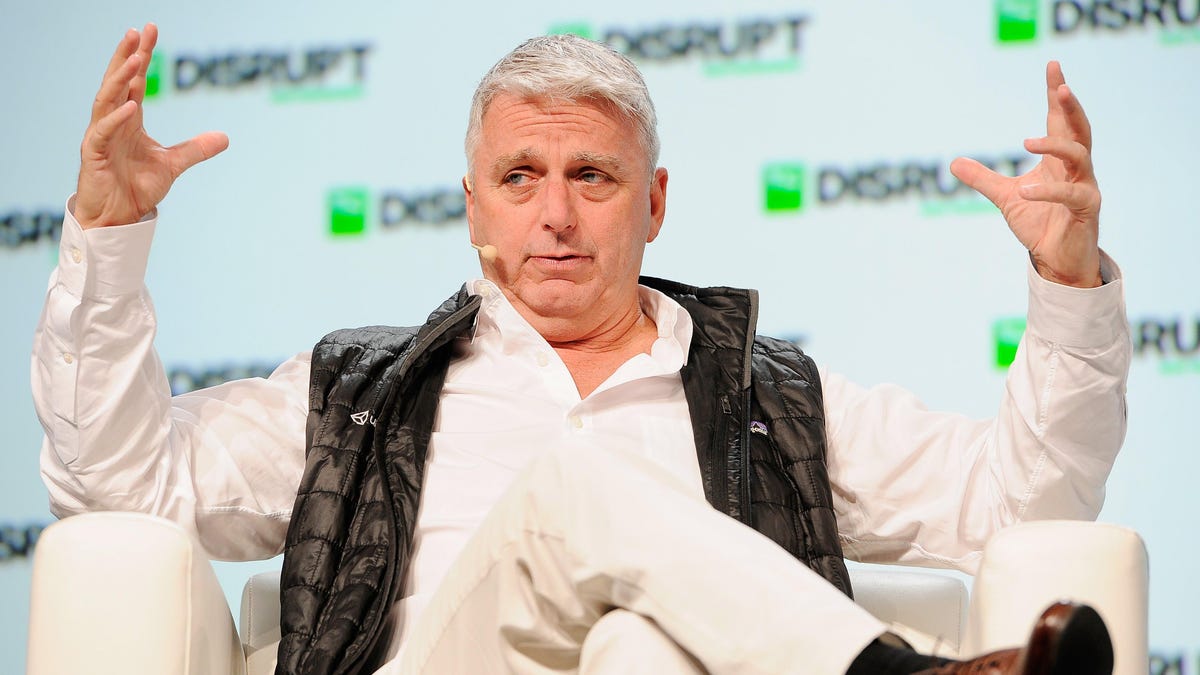
Unity President and CEO John Riccitiello has announced his retirement after nearly nine years of leading the game engine company and becoming one of the most hated figures in gaming. The announcement comes after a revolt among top Unity developers over the company's plans to charge subscribed developers based on the number of game downloads. Jim Whitehurst, former president of RedHat, will be taking over as the new CEO. Despite attempts to appease developers with a revised pricing model, trust in Unity has been damaged, with some developers already announcing plans to switch to other engines. Riccitiello's tenure at Unity has been marked by controversy and criticism for his emphasis on monetization and micro-transactions in games.
Unity, the popular game engine, will introduce a new fee called the "Unity Runtime Fee" starting in January 2024. The fee will be based on the number of users installing games built on the engine and will be triggered after specific revenue and install thresholds are crossed. The fee structure varies depending on the subscription plan, with Unity Personal and Plus licenses paying a flat fee per install, while Pro and Enterprise licenses pay a smaller per-install fee that scales downward. Unity stated that the fee is intended to balance the value exchange between the company and developers and to support ongoing investments in the engine. Free-to-play developers have the option to offset the fee by adopting other Unity services. The announcement has received mixed reactions from developers, with concerns raised about the impact on smaller studios and indie developers. Unity is also making updates to its licensing plans and offering additional tools at no extra cost.
Sports Interactive has announced that women's soccer teams will be introduced to the popular simulation franchise, Football Manager, in 2024. The studio aims to provide the same level of depth and quality for the women's game as it does for the men's, which has required extensive research and adjustments to the attribute systems, translations, and league rules. In addition to the inclusion of women's teams, Football Manager 2025 will see a shift to the Unity game engine, offering improved graphics and user interface. The studio also plans to allow players to transfer their progress from previous editions, ensuring a seamless transition and access to career saves.
Unity, the company behind the popular game engine, is reportedly cutting 600 jobs, which accounts for 8% of its workforce, in its third round of layoffs within a year. The company plans to reduce its worldwide offices from 58 to fewer than 30 over the coming years. Unity CEO John Riccitiello said the layoffs are necessary for higher growth, and middle managers will be affected. Unity had record revenue of $1.39 billion in 2022 and plans to move forward with a hybrid work model beginning in September.