
Tag

Galaxy Shapes

All articles tagged with #galaxy shapes

astronomy2 years ago

"Unveiling Cosmic Shapes: James Webb Telescope Solves Galactic Mysteries"

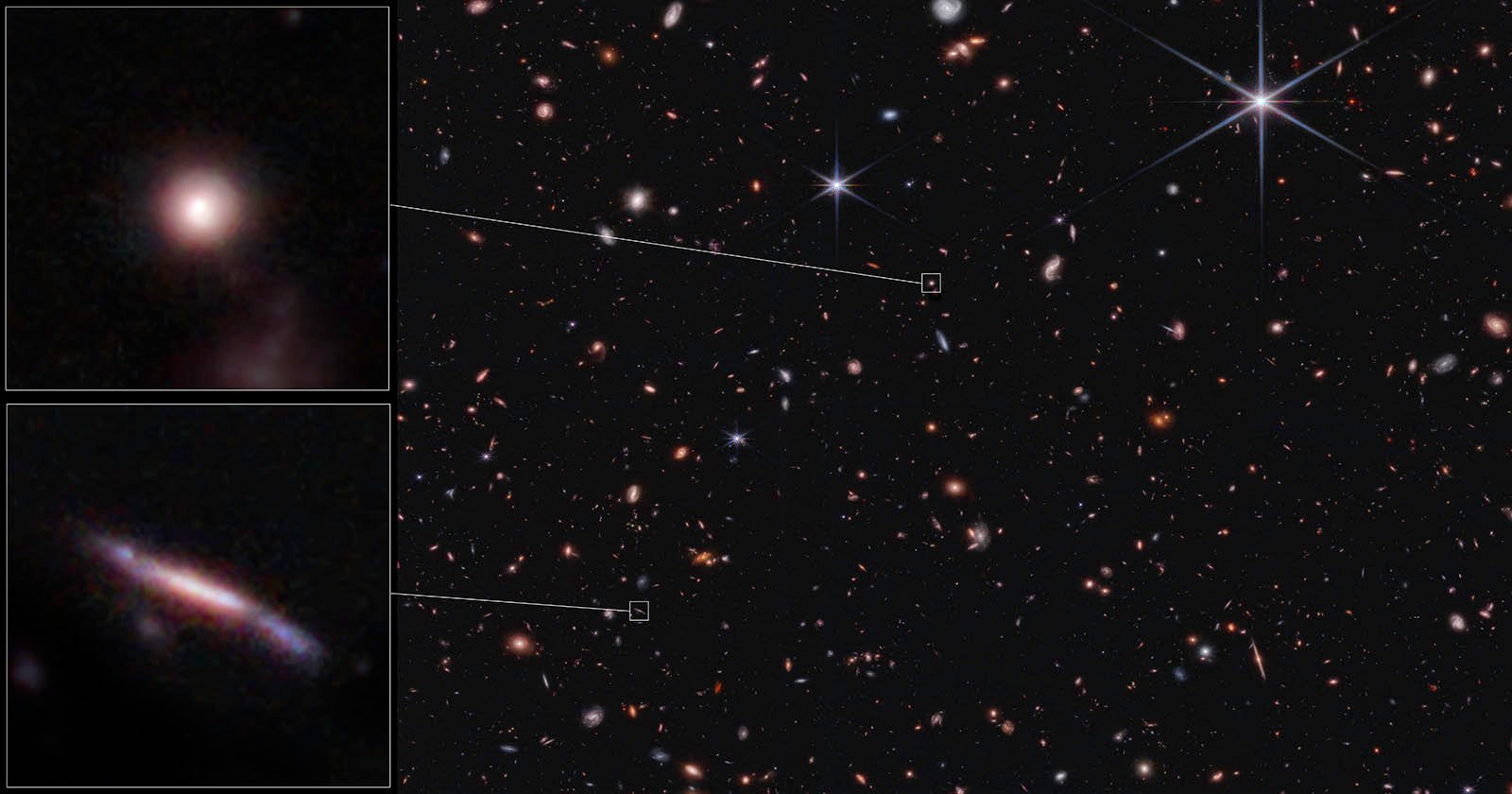
The James Webb Space Telescope has discovered that many distant galaxies have flattened oval disk and tube-like shapes, unlike the spiral and elliptical structures typically seen in closer galaxies. These surfboard- and pool-shaped galaxies were found to be more common in the early Universe, raising questions about whether their shapes have been molded by cosmic conditions over the past 13 billion years. The telescope's exceptional sensitivity and resolution allow scientists to look further back in time than ever before, shedding light on the cosmic evolution of galaxies.
astronomy2 years ago

"James Webb Telescope Reveals Early Galaxies Shaped Like Pool Noodles and Surfboards"

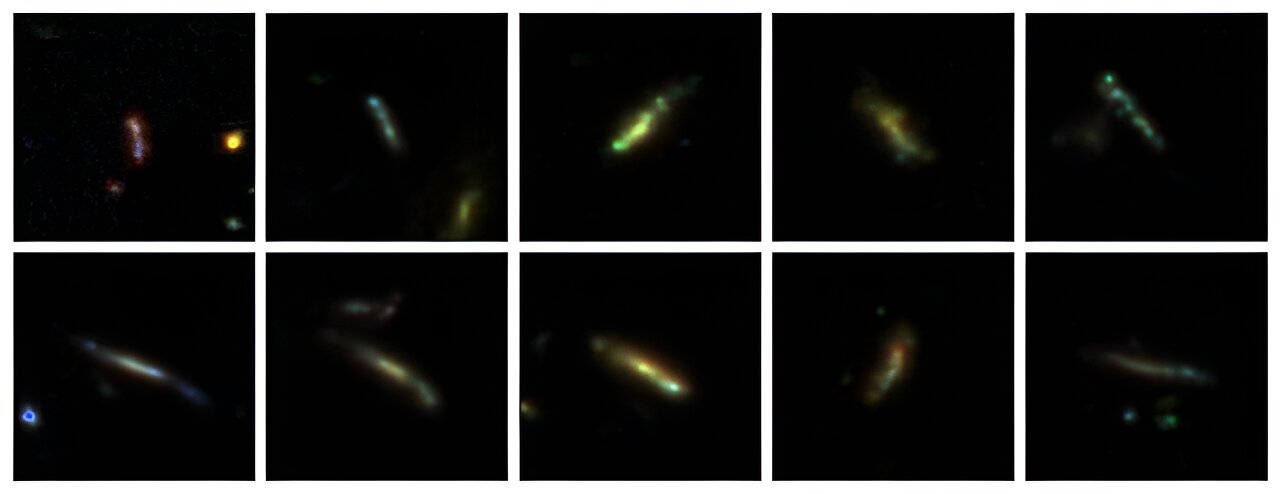
Analysis of images from NASA's James Webb Space Telescope suggests that galaxies in the early universe were often flat and elongated, resembling breadsticks, rather than round like balls of pizza dough. These findings challenge previous assumptions about the shapes of early galaxies and provide new insights into their formation and evolution. The research also indicates that the Milky Way may have appeared more like a breadstick billions of years ago. The study, based on near-infrared images from the Cosmic Evolution Early Release Science Survey, reveals that these distant galaxies are less massive and are precursors to more massive galaxies like our own. The elongated shape of these early galaxies may be linked to the presence of filaments of dark matter in the early universe.

astronomy2 years ago

Unveiling Cosmic Wrinkles: Galaxy Shapes as Clues to the Big Bang

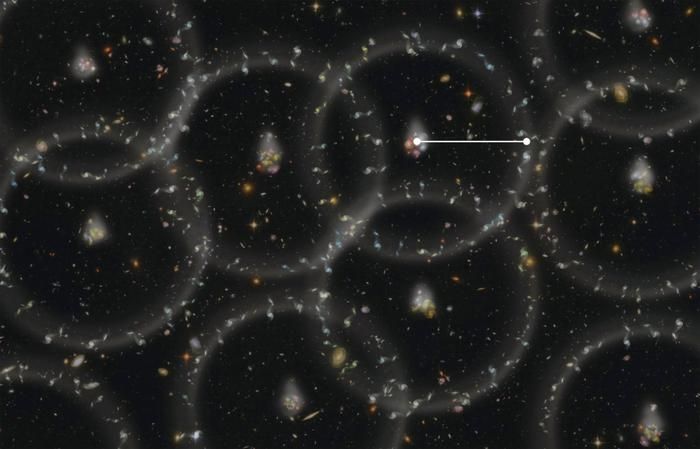
Astronomers have discovered a new method to detect Baryon Acoustic Oscillations (BAOs), which are subtle wrinkles in cosmic matter from the early universe. Traditionally, BAOs have been observed through galaxy clusters, but a new study focuses on galaxy shapes and orientations. By analyzing the stretched orientations of one million galaxies, researchers can identify the presence of BAOs. This method provides a more accurate measurement of cosmic distances and the universe's expansion, potentially shedding light on the mysteries of dark matter and dark energy. The study was published in the journal Nature Astronomy.