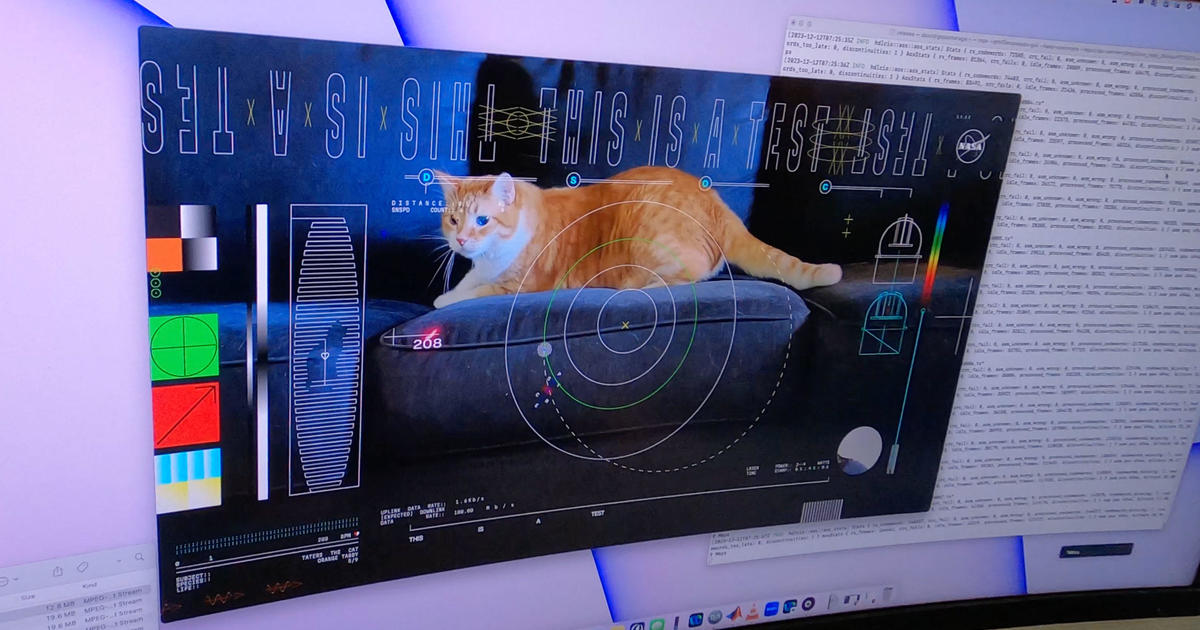
NASA successfully transmitted a 15-second ultra-high definition video of a cat named Taters from nearly 19 million miles away using its Deep Space Optical Communications technology. The video was uploaded to NASA's Psyche asteroid probe and transmitted via an encoded near-infrared laser to Earth, setting a record for transmission distance. This achievement demonstrates the potential for streaming high-bandwidth video and data from deep space, which could be crucial for future human missions beyond Earth's orbit and pave the way for advancements in space exploration.
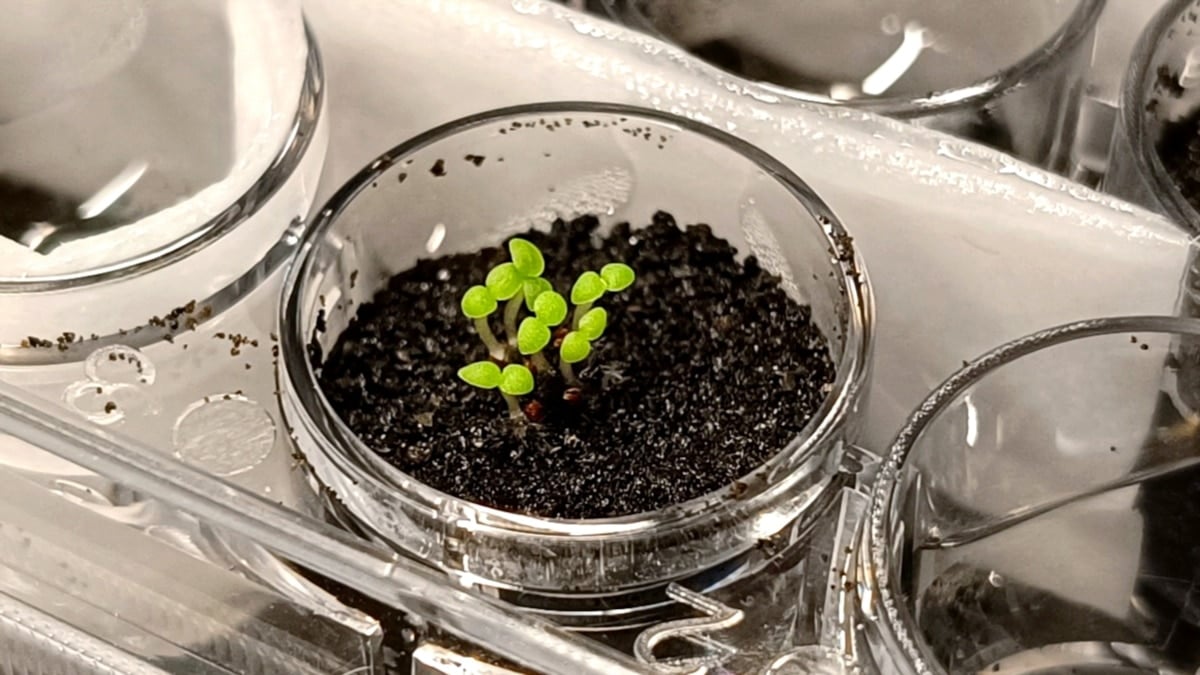
Chinese scientists have discovered that introducing special bacteria into moon-like soil can increase its fertility, making it suitable for agriculture. By treating the soil with three different types of bacteria, the researchers found that plants grew better and had increased access to phosphorus, an essential nutrient. This breakthrough could pave the way for future greenhouses on the moon, reducing the need for transporting food, water, and oxygen from Earth. The study highlights the potential of using lunar regolith to sustain long-term human presence on the moon.
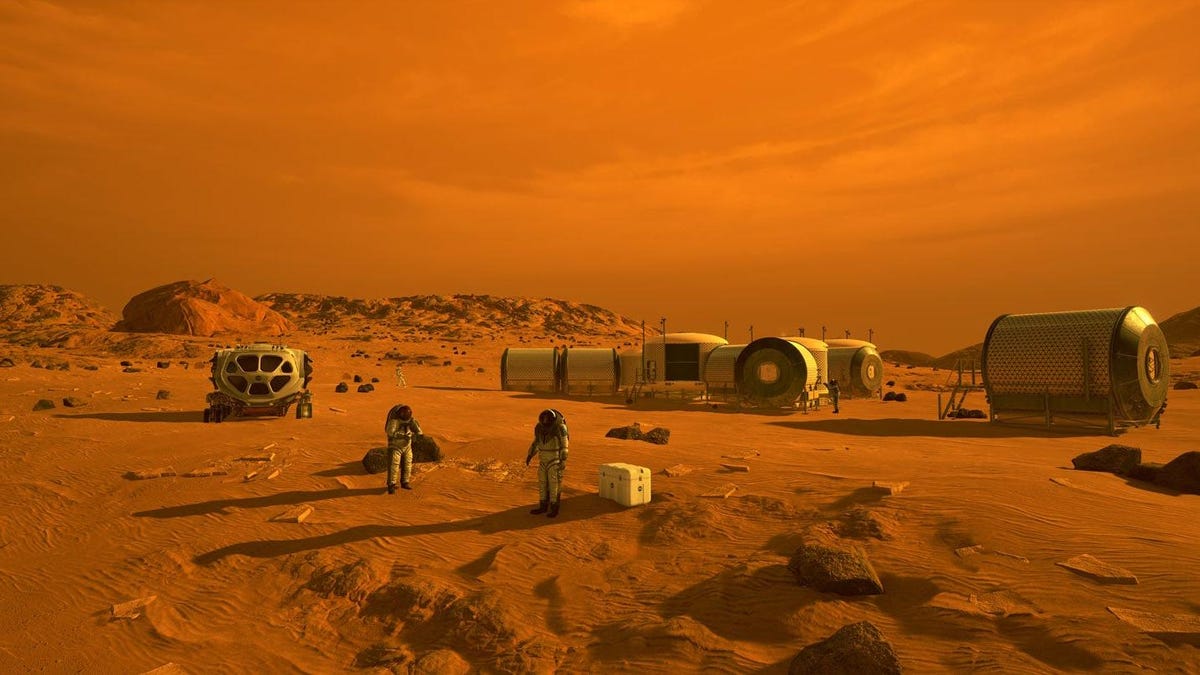
A recent study suggests that it may only take a group of 22 people with agreeable personality types to establish and sustain a colony on Mars. Scientists created a simulation based on high-performing teams in isolated, high-stress environments and found that an initial population of 22 was the minimum required for a viable colony. The study highlights the importance of considering human behavior in future space exploration and warns against neglecting social, behavioral, and psychological aspects in estimations and projections.