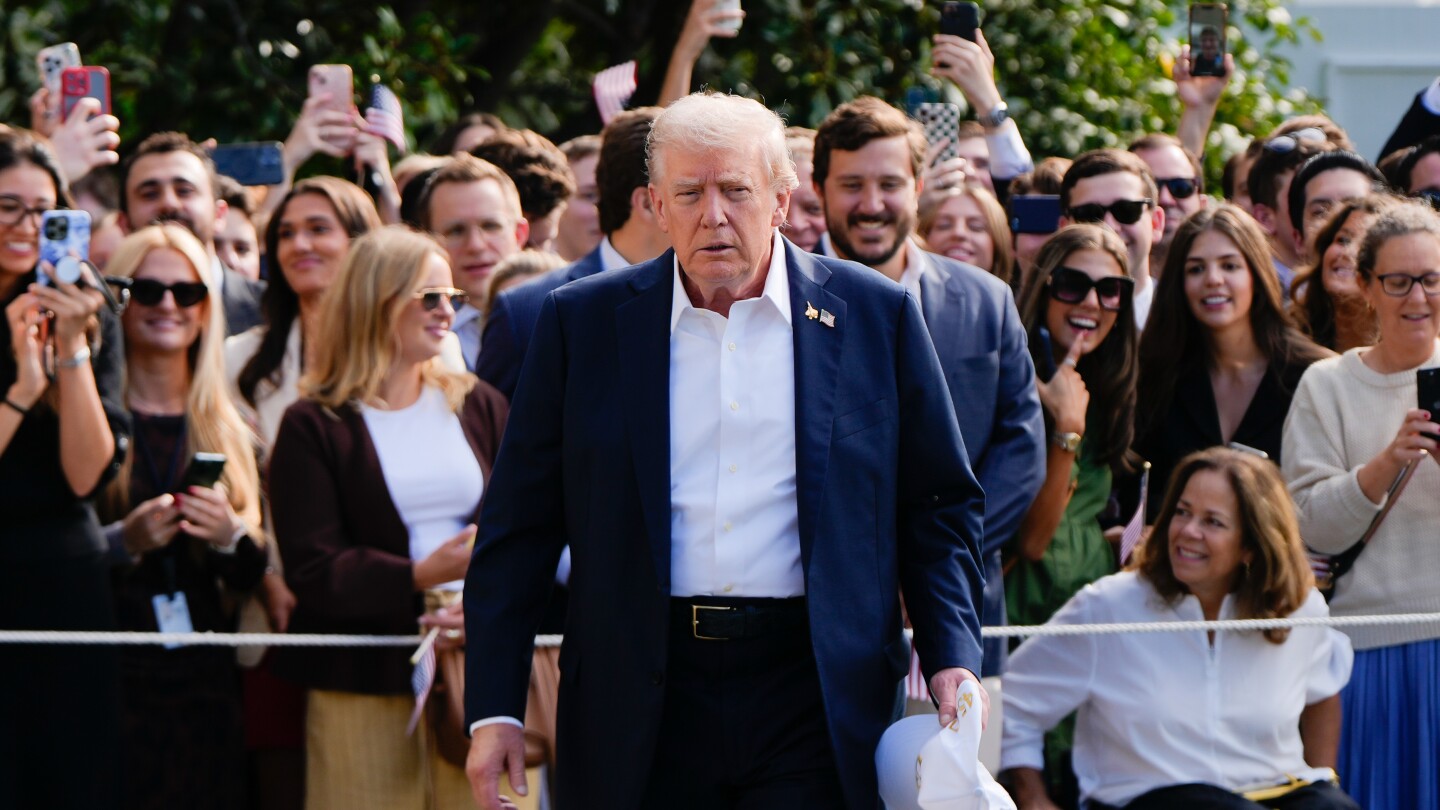
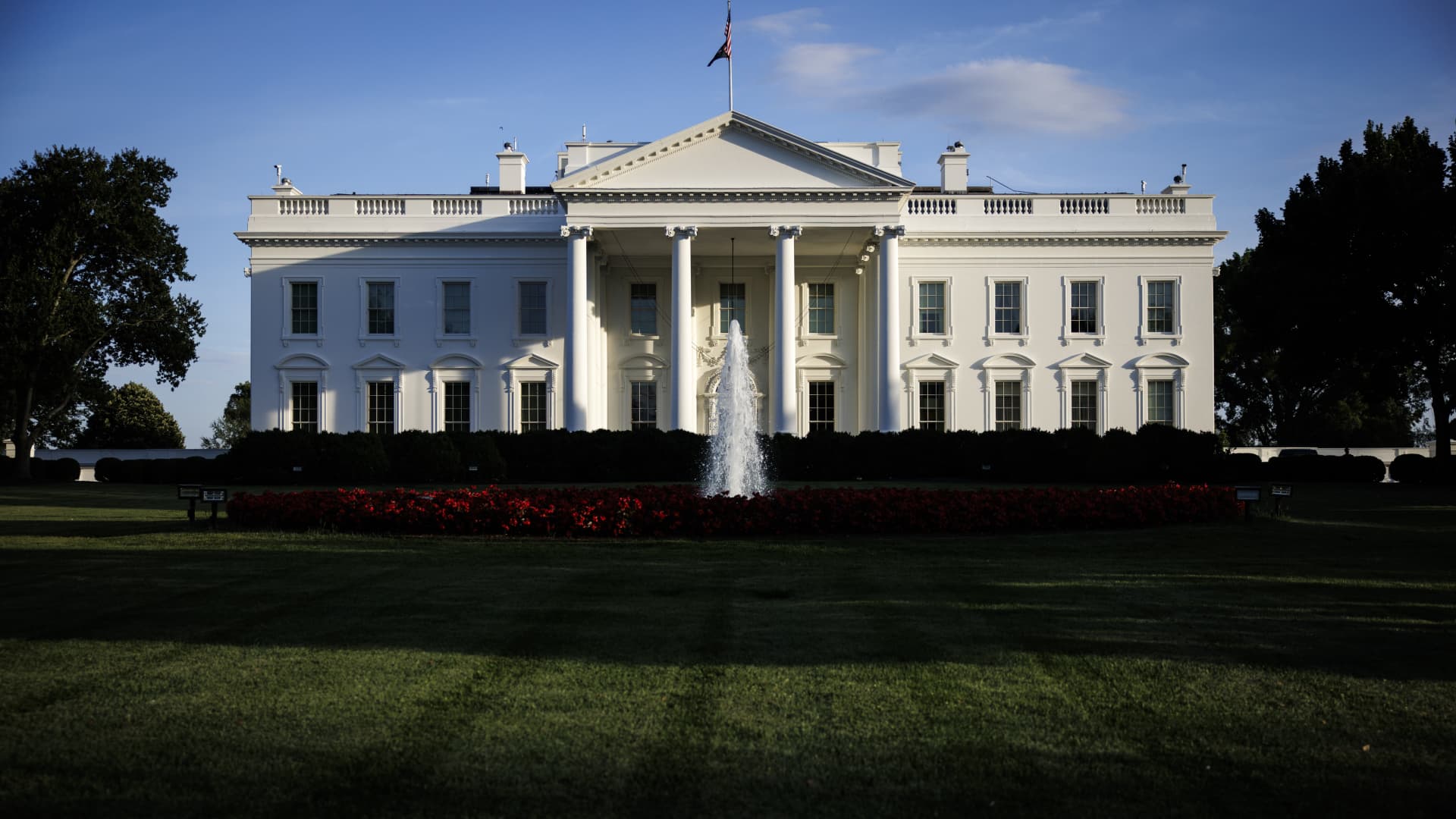
Congressional leaders are heading to the White House to negotiate a potential government shutdown, with Democrats demanding health care benefits extension and Republicans pushing for current funding levels; a shutdown could occur if legislation is not passed by Tuesday night, amid tense negotiations and partisan stances.
U.S. Senator Patty Murray and other top appropriators have released a bipartisan funding package for fiscal year 2024, emphasizing investments in national security and the American people. The legislation rejects steep cuts and extreme Republican riders, aiming to lower child care costs, protect workers' rights, invest in education and health, support small businesses, and strengthen national defense. The package also includes provisions for combating the opioid crisis, supporting Afghan allies, and maintaining America's global leadership.
Congress is approaching another government shutdown deadline, with crucial services and federal workers at risk of being sidelined or going unpaid if new funding legislation is not passed by midnight late Friday. Another larger shutdown deadline looms just a week later, prompting concerns about the potential impact on essential services and federal employees.
The federal government is on the brink of a shutdown as Republicans in the House, driven by demands for deep spending cuts, clash with Democrats over funding legislation. If a shutdown occurs, non-essential federal agencies will cease operations, millions of federal employees will face delayed paychecks, and government services will be disrupted. The impact will extend beyond federal workers, affecting businesses, financial markets, and public confidence in the government. The duration of the shutdown is uncertain, with some predicting it could last weeks. Congressional negotiations and the passage of funding legislation are necessary to end the shutdown.
The U.S. federal government is heading towards a shutdown as Republicans in the House demand deep spending cuts. If a funding plan is not passed by October 1, federal agencies will stop non-essential work, resulting in delayed paychecks for millions of federal workers, including military personnel. The shutdown could last weeks, impacting government services, businesses, and financial markets. While the president and Congress will continue to work and get paid, their non-essential staff may be furloughed. Court cases, including those involving Donald Trump and Hunter Biden, would continue unaffected. Congress must agree on funding legislation, but hardline Republicans are pushing for a complete negotiation of all 12 bills that fund the government, potentially prolonging the shutdown.