Impact of Skipping Breakfast and Late Dinners on Bone Health
A recent study links skipping breakfast and eating late dinners to a higher risk of osteoporotic fractures, emphasizing the importance of meal timing for bone health and overall aging.

All articles tagged with #fracture risk
A recent study links skipping breakfast and eating late dinners to a higher risk of osteoporotic fractures, emphasizing the importance of meal timing for bone health and overall aging.
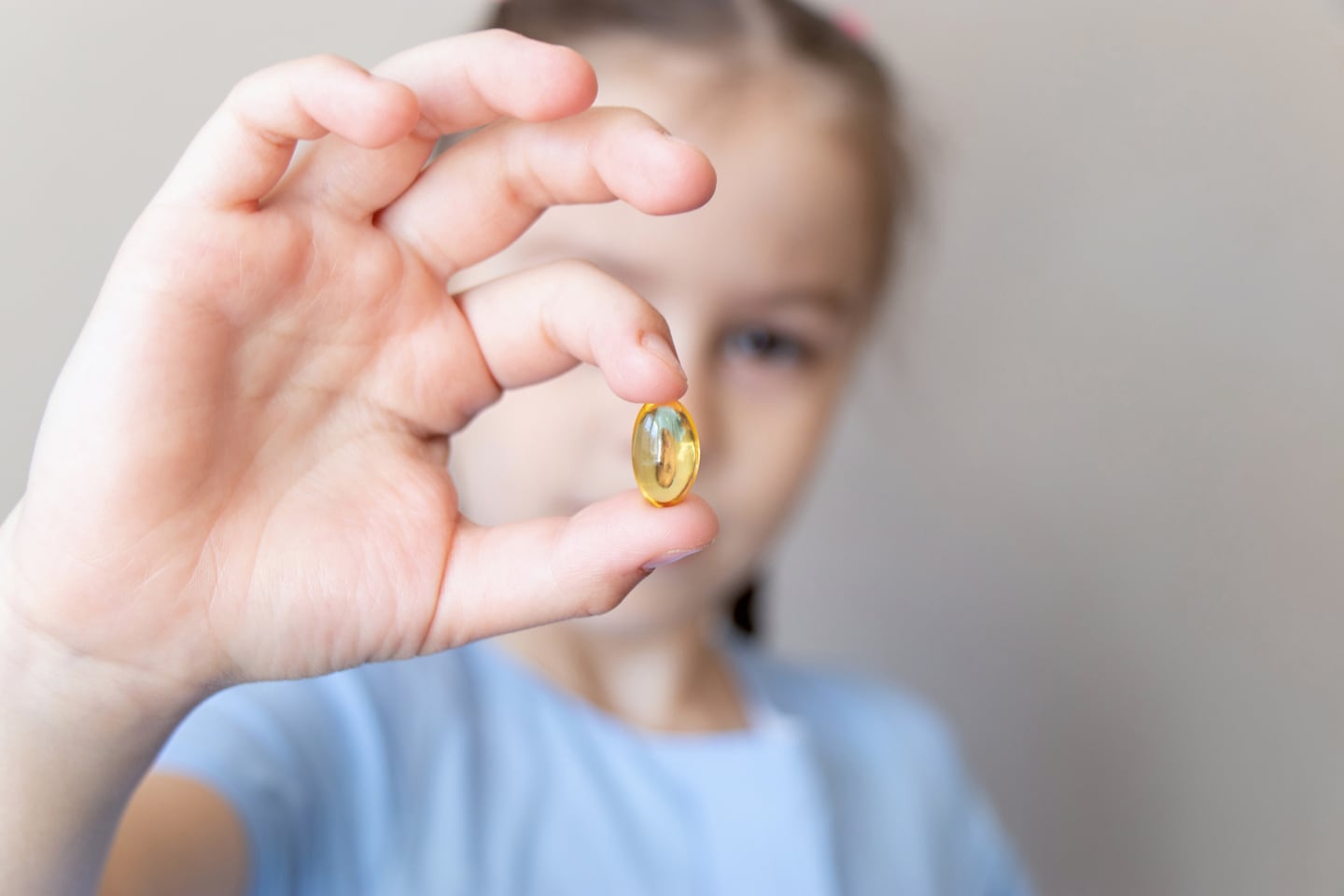
A study conducted on schoolchildren in Mongolia found that vitamin D supplements did not prevent bone fractures in children. Despite higher vitamin D levels in the group that received supplements, the fracture rate remained the same as the group that did not take supplements. The study suggests that the lack of calcium supplementation alongside vitamin D may have contributed to the ineffectiveness of the supplements. The study excluded children with rickets, a condition where vitamin D deficiency leads to softening of the bones.
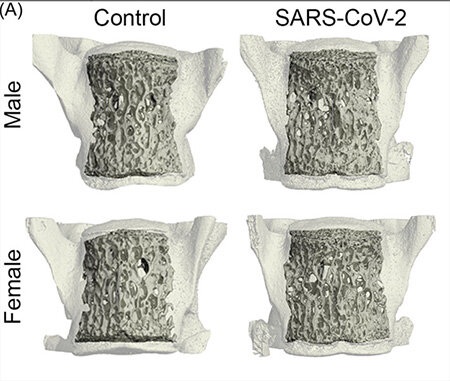
A study conducted by UC Davis Health found that COVID-19 can lead to acute bone loss in mice, suggesting that people with COVID-19 may experience long-term orthopedic issues such as decreased bone mass, increased fracture risk, and other musculoskeletal complications. The study revealed that SARS-CoV-2 infection caused significant changes in bone structure, including thinner growth plates and an increased number of osteoclast bone cells. Fragility fractures, resulting from minor trauma, may be an underreported long-haul symptom of COVID-19. The study highlights the potential long-term consequences of COVID-19 on bone health and emphasizes the need for further research in this area.