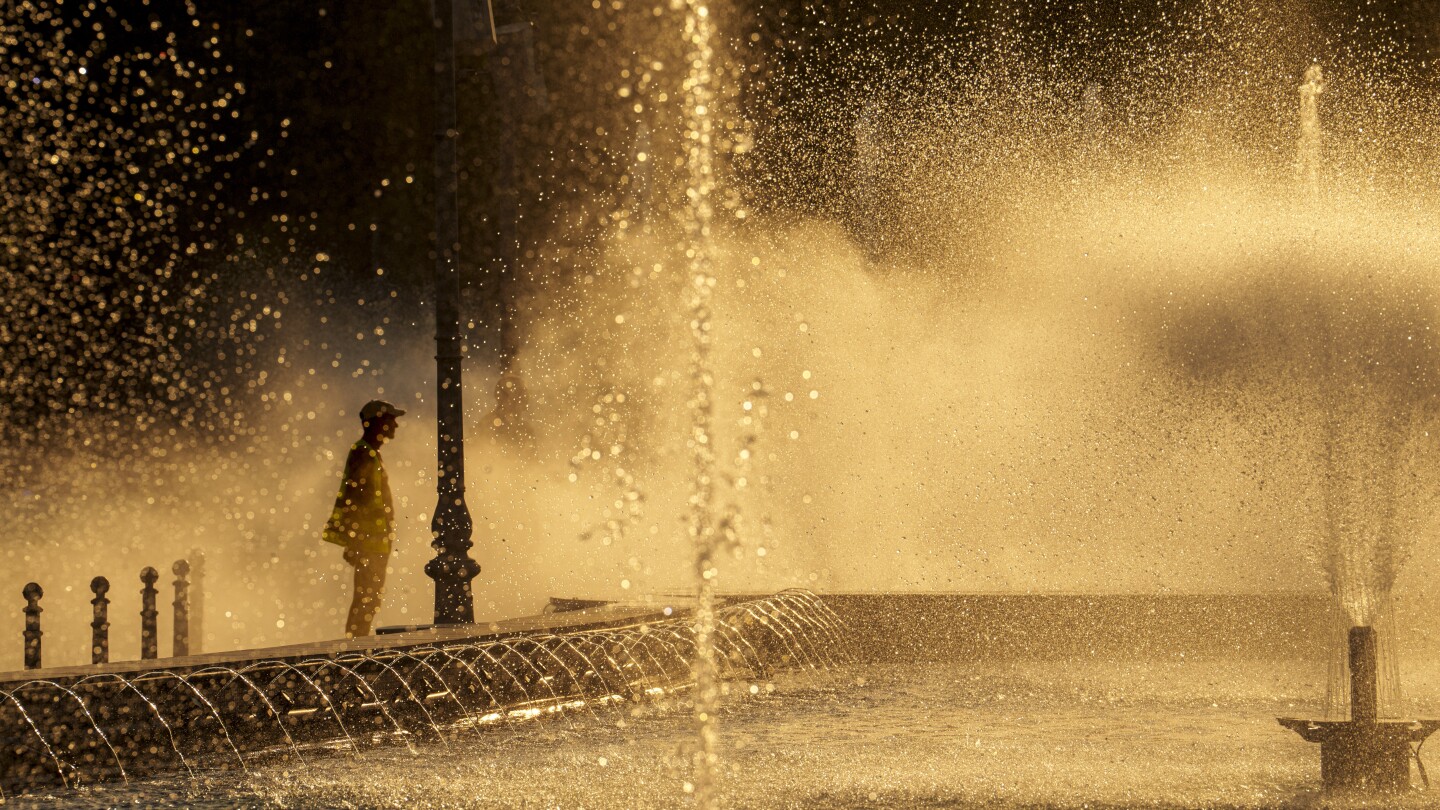
A severe heat wave is sweeping through central and southern Europe, with temperatures reaching up to 40 degrees Celsius (104 Fahrenheit). Authorities in countries like Italy, Croatia, Greece, and Serbia have issued warnings and taken measures to protect public health, including advising people to stay indoors and stay hydrated. The extreme heat has led to forest fires, melting pavement, and increased power consumption, highlighting the impact of climate change on weather patterns.
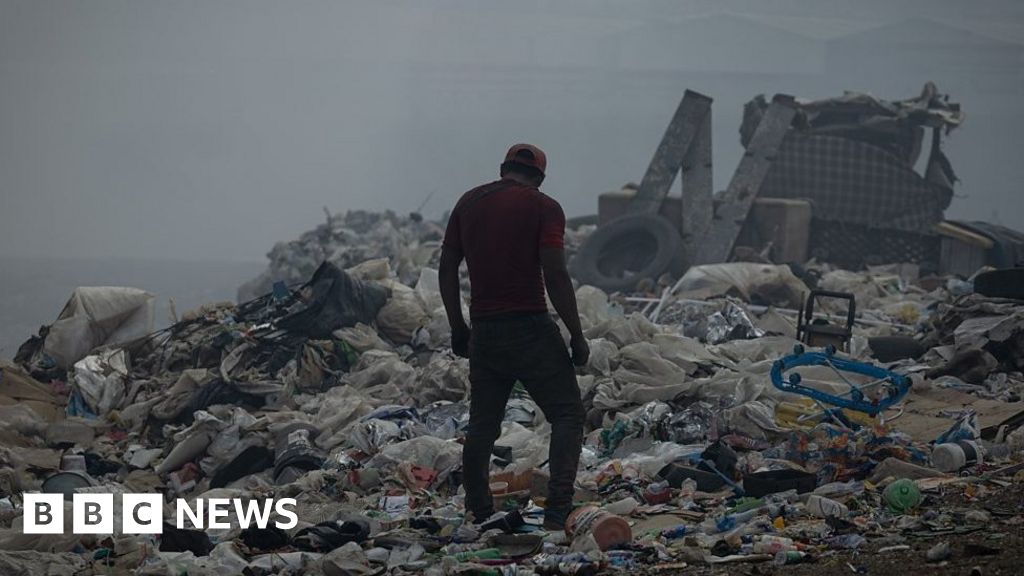
Guatemalan President Bernardo Arévalo has declared a natural disaster as fires rage in forests and at a major landfill site, with over 200 people receiving medical attention due to exposure to landfill smoke. Around 44 forest fires were active across the country, and the president stated that 80% of the fires were started by people. A 30-day "state of calamity" has been declared, allowing funding to be re-allocated to firefighting efforts.
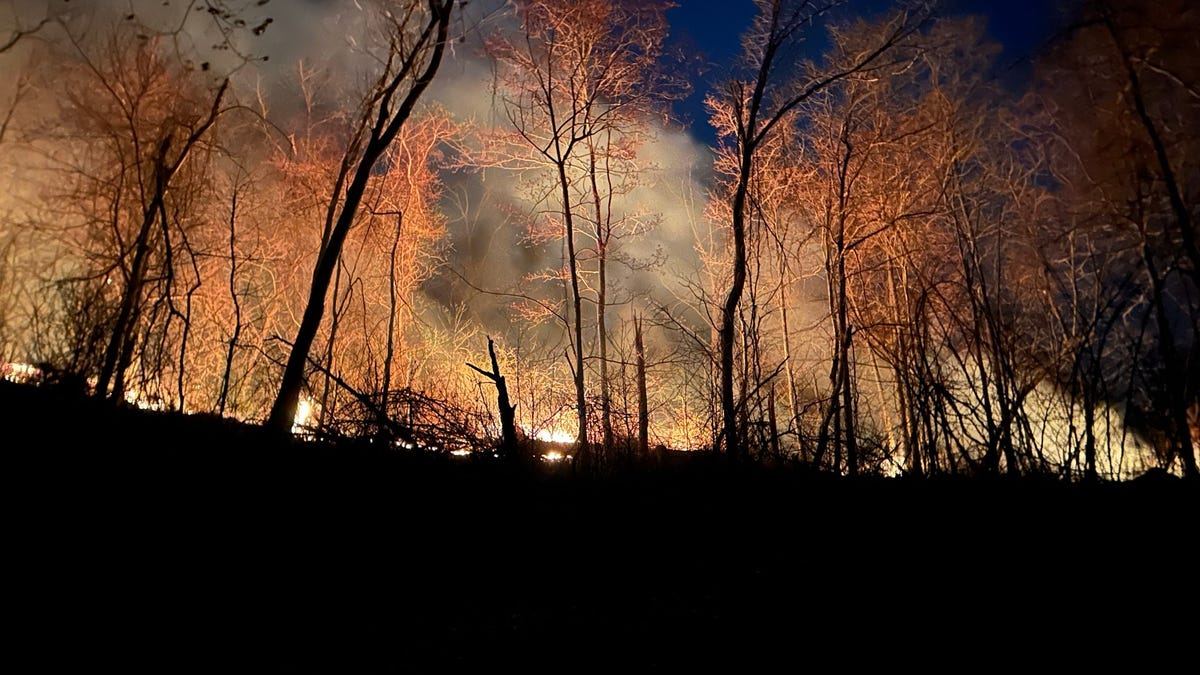
West Virginia has been battling uncontrollable wildfires, but much-needed rain has entered the forecast, providing relief to the state. The West Virginia Emergency Management Division expressed gratitude to first responders and announced that no outside resources are currently needed. The National Guard has been actively involved in dousing the wildfires, and road closures and fire bans are in effect in affected areas. A national TV personality expressed personal connection and gratitude to volunteer firefighters, particularly those fighting the wildfires in West Virginia.
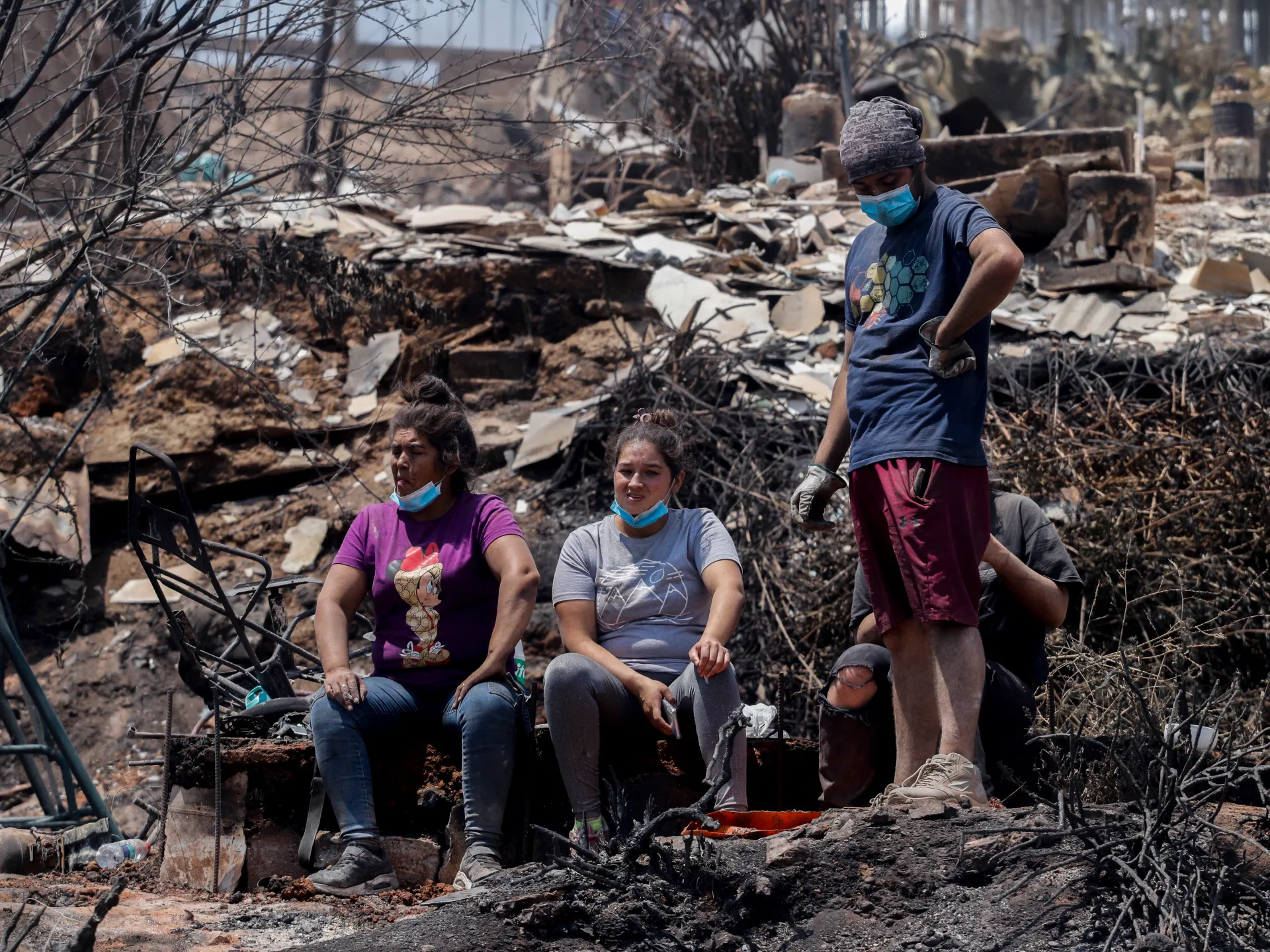
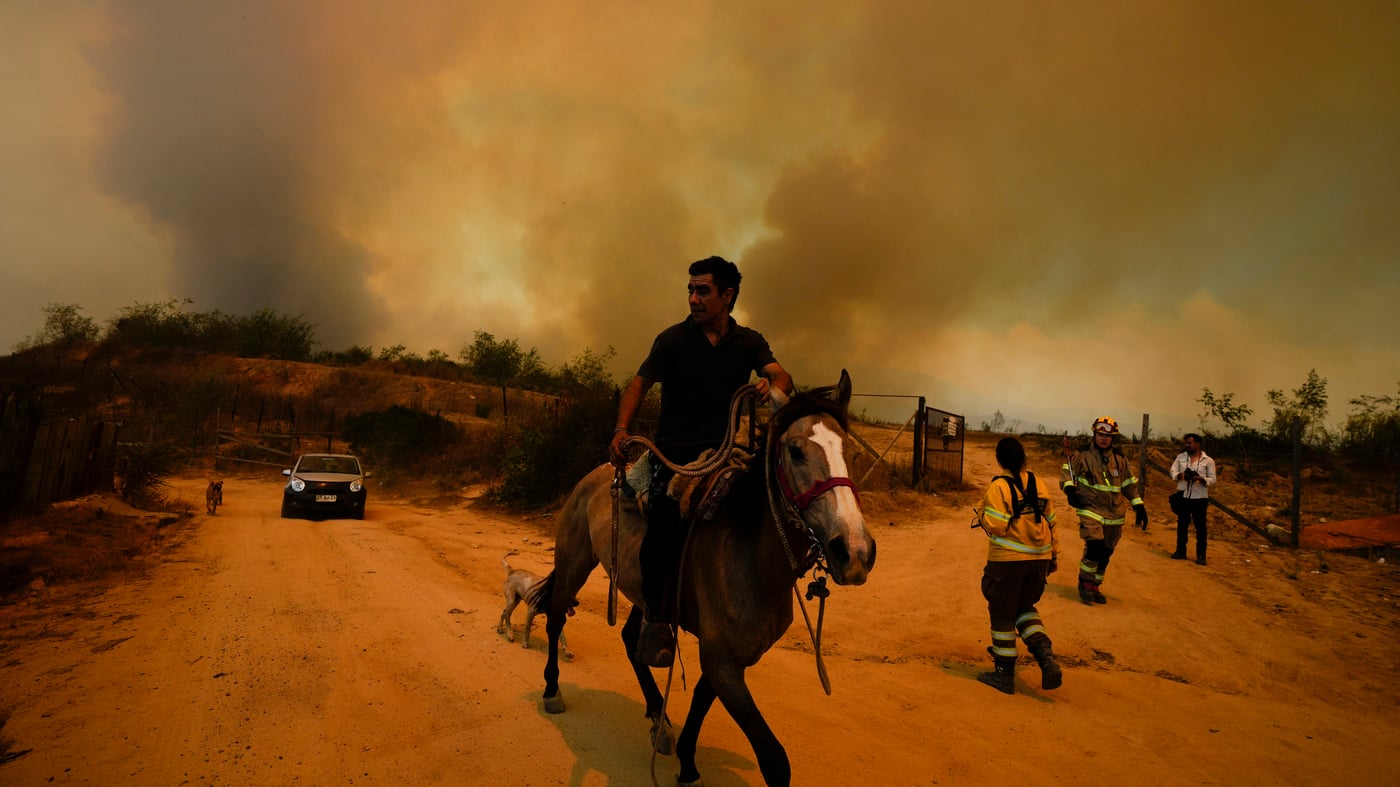
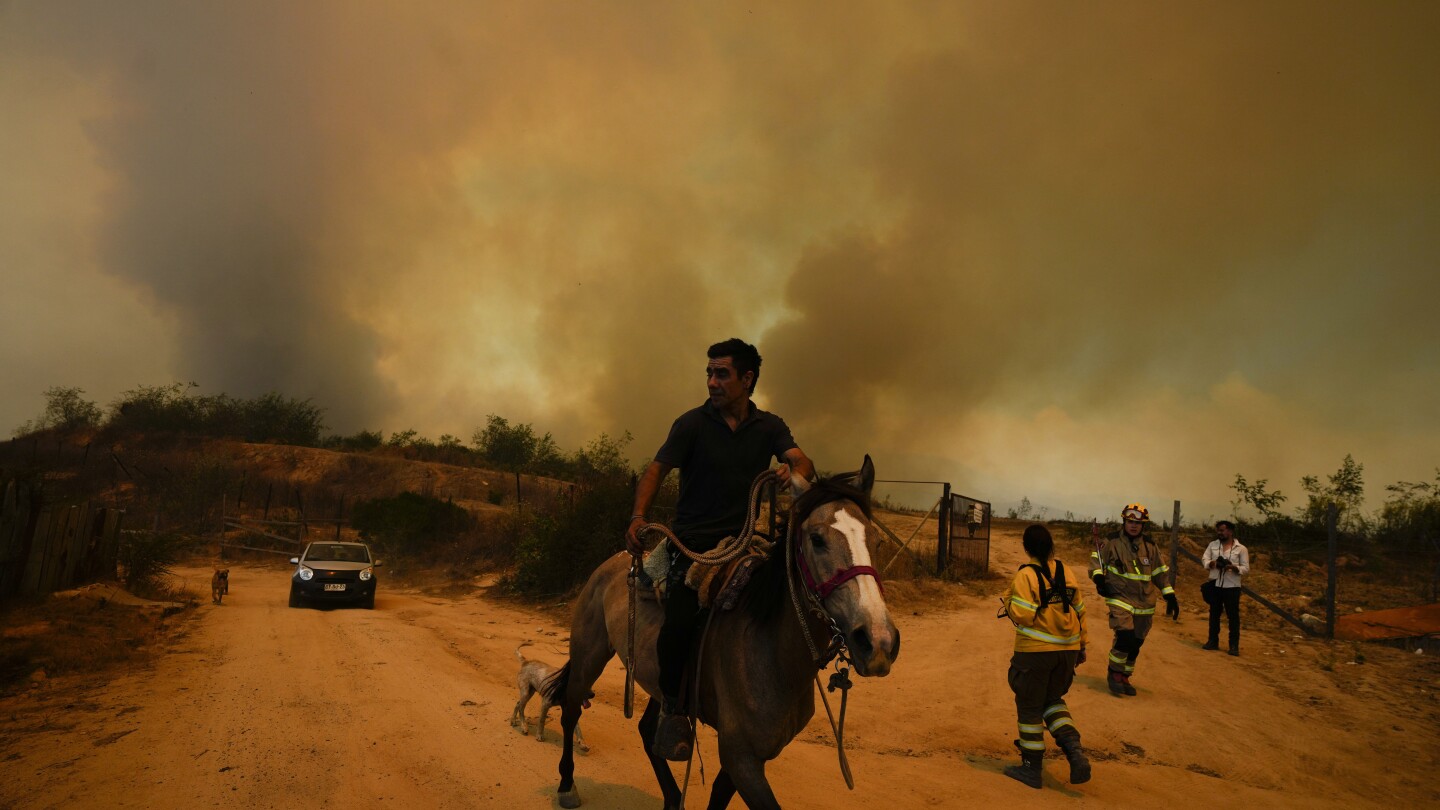
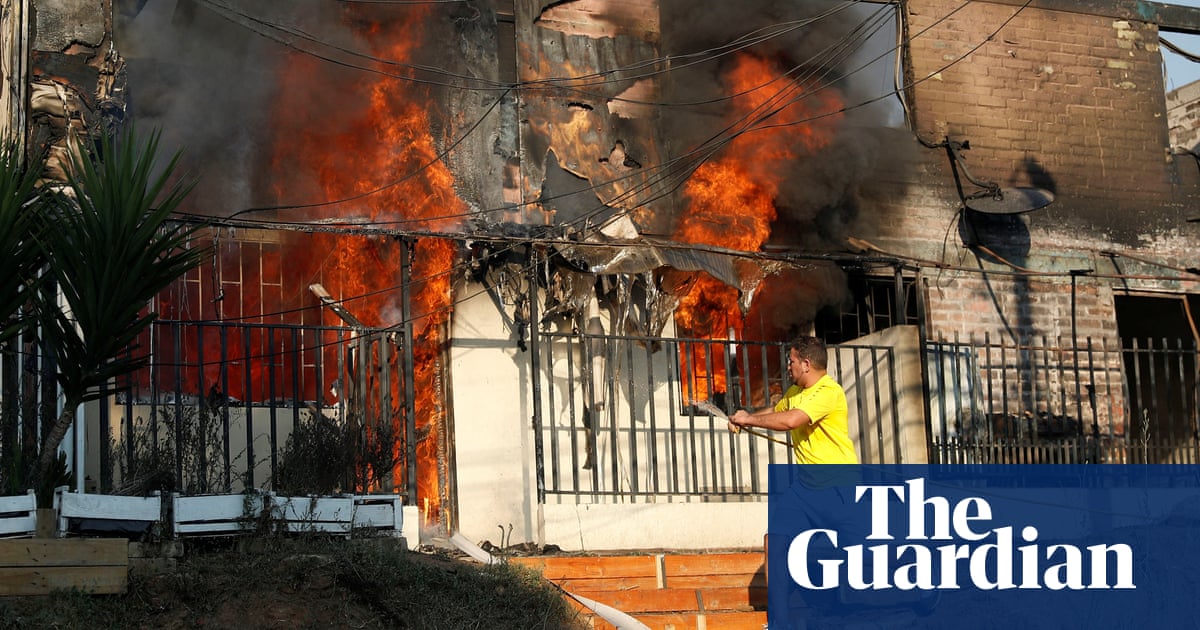
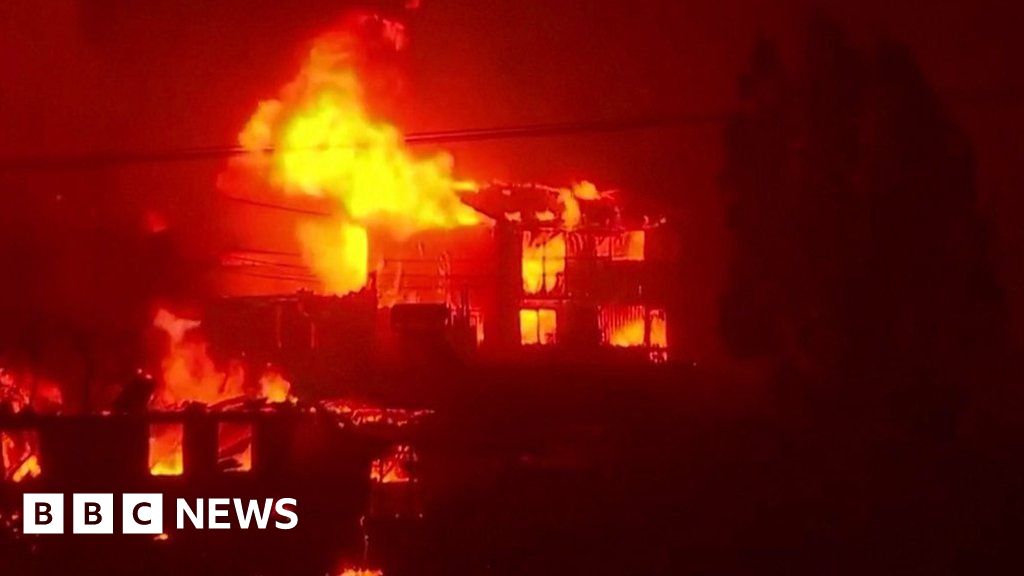
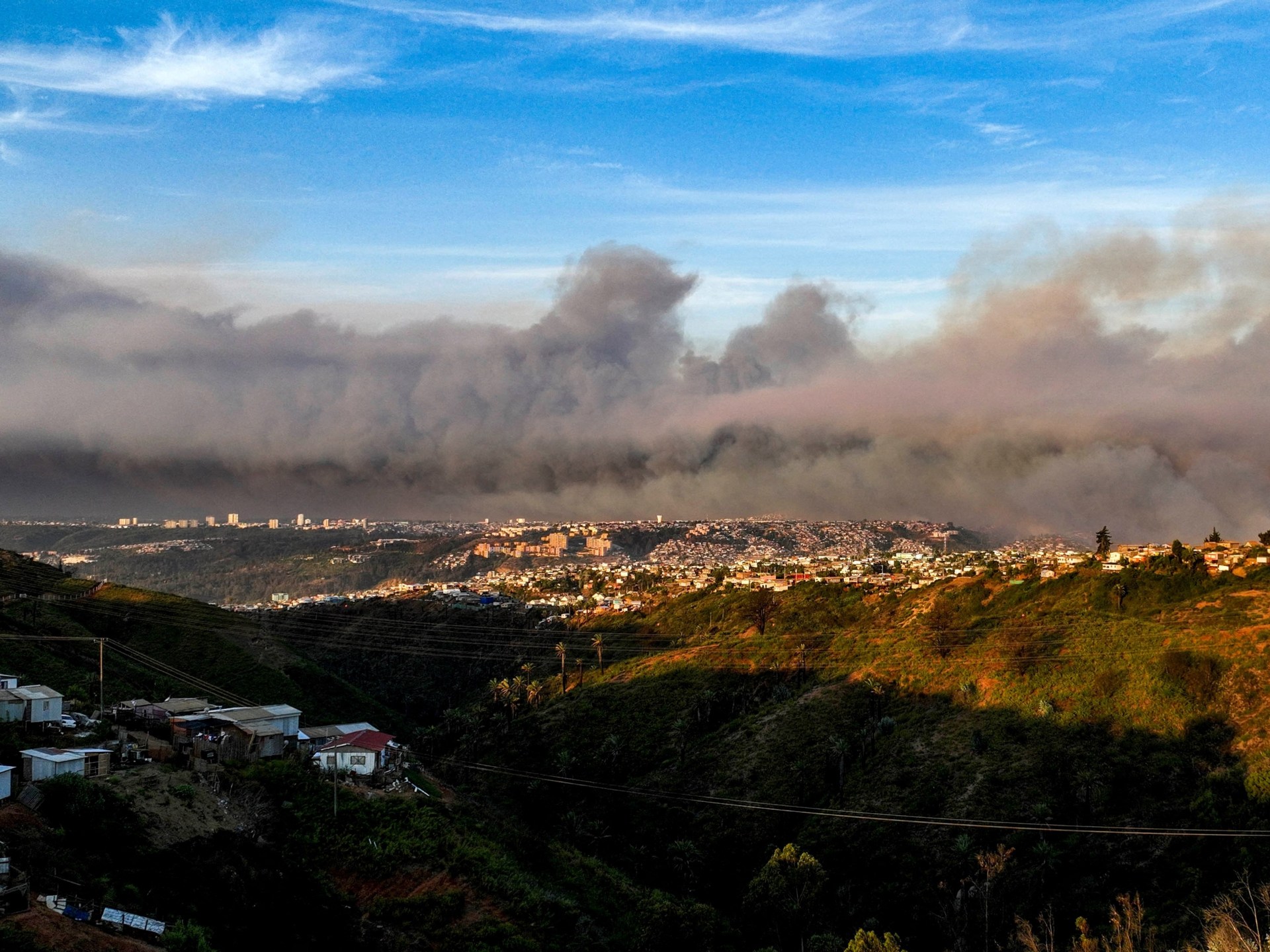
Chile's forest fires have claimed at least 112 lives, with hundreds more missing, prompting President Gabriel Boric to declare a state of emergency. The fires have devastated the central region of Valparaiso, with 200 people missing in the city of Viña del Mar. Efforts to combat the fires involve thousands of firefighters and military personnel, along with firefighting aircraft. The fires, exacerbated by record high temperatures and low humidity, have led to calls for prayers from Pope Francis and raised concerns about the increasing frequency of natural disasters due to climate change.
Forest fires in Chile have claimed the lives of at least 64 people, with the death toll expected to rise, and have affected over 43,000 hectares and 1,350 homes. President Gabriel Boric has declared two days of national mourning and a state of emergency, promising government resources to aid those affected. Evacuations have been triggered in central Chile, and red alerts have been issued for at-risk areas. The fires, exacerbated by a heat wave, have prompted the deployment of helicopters, firefighters, and the suspension of mass commercial events.
At least 64 people have died in forest fires in Chile's Valparaíso region, with a state of emergency declared and urgent resources mobilized to address the situation. The health ministry issued a health alert, suspending elective surgeries and setting up temporary field hospitals, while rescue efforts have been hindered by the scale of the disaster. President Gabriel Boric imposed a curfew to aid emergency vehicle access, and 1,400 firefighters are being deployed. The cause of the fires is under investigation, and the government has banned activities that could exacerbate the situation.
Intense forest fires in central Chile have resulted in at least 46 deaths and the destruction of over 1,100 homes, with 92 fires burning in the center and south of the country. President Gabriel Boric warned of worsening conditions as firefighters struggle to reach threatened neighborhoods, urging cooperation with rescue efforts. The fires, fueled by high temperatures and strong winds, have prompted evacuations and caused power blackouts, with the El Niño weather pattern exacerbating the risk of forest fires in the region.
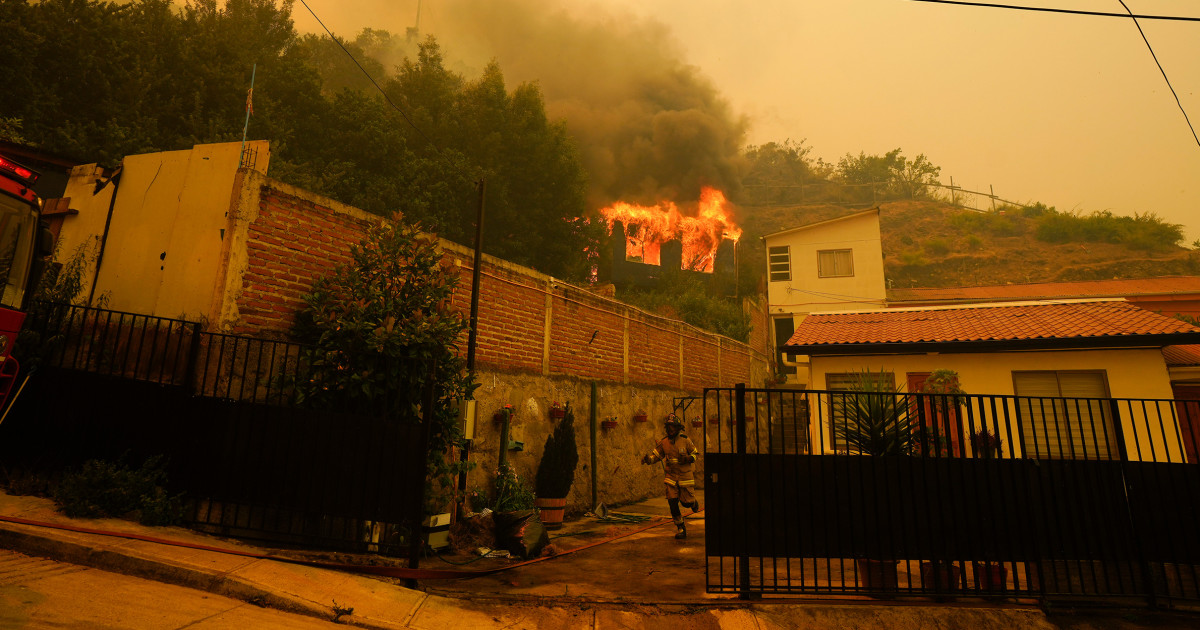
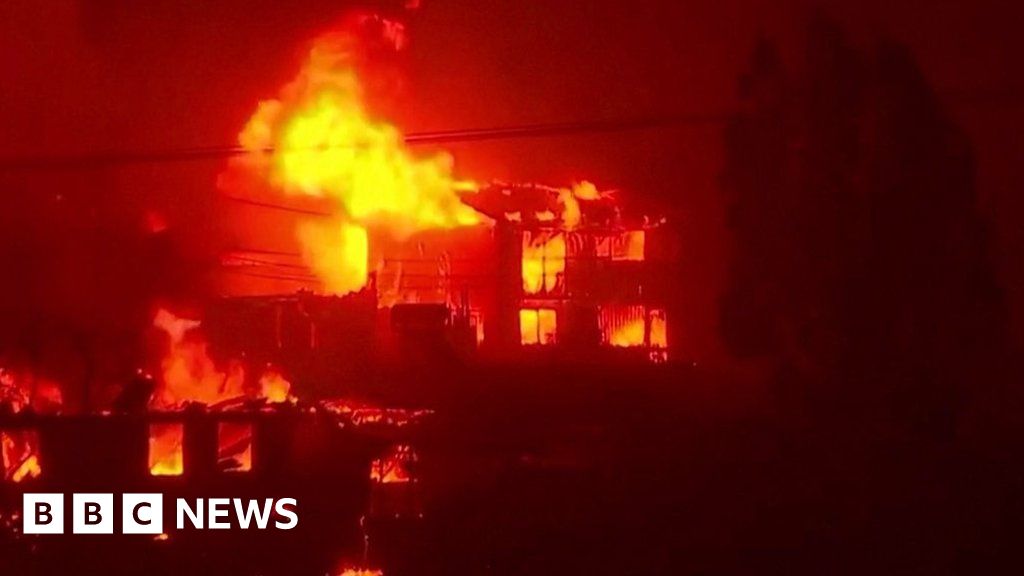
Intense forest fires in central Chile have claimed at least 19 lives and destroyed around 1,100 homes, with the region of Valparaíso being the hardest hit. The fires, fueled by high temperatures and the El Niño weather pattern, have prompted evacuations, caused blackouts, and led to the deployment of helicopters and hundreds of firefighters. The situation remains challenging as rescue teams struggle to reach affected neighborhoods, and the fires continue to threaten densely populated areas.
Intense forest fires in central Chile have resulted in at least 19 deaths and the destruction of over 1,000 homes, with 92 fires currently burning in the region. The fires, fueled by unusually high temperatures, have particularly impacted the Valparaíso area, prompting evacuations and causing widespread devastation. Emergency response efforts, including the deployment of helicopters and firefighters, are underway, but challenging terrain and precarious housing have hindered rescue operations. The El Niño weather pattern has exacerbated drought conditions, increasing the risk of forest fires in the region.
Forest fires in Chile have claimed the lives of at least 46 people, with over 200 residents reported missing and more than 43,000 hectares of land affected. The fires, fueled by high temperatures and strong winds, have devastated homes and communities, prompting an urgent response from emergency services.
Chile has declared a state of emergency as forest fires rage in the tourist region of Valparaiso, killing at least 10 people and forcing many to flee their homes. The fires, driven by a summer heatwave and drought, have ravaged thousands of hectares of forest, leading to evacuations and road closures. The situation is exacerbated by strong winds, and the fires are being fueled by the El Nino weather phenomenon.
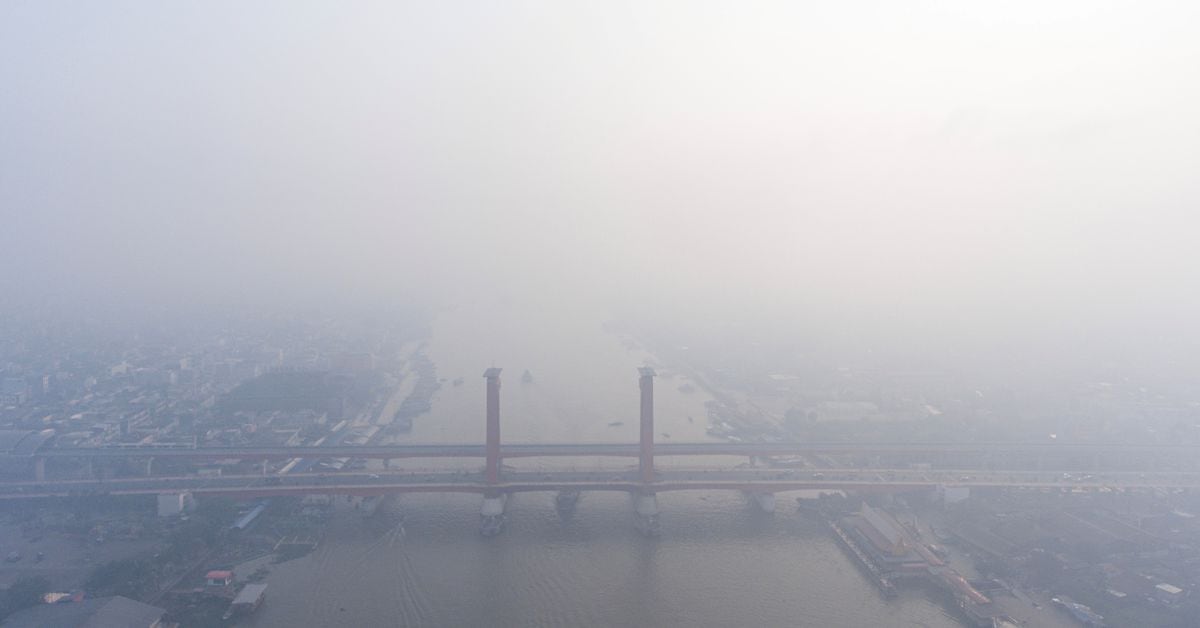
Indonesia's environment minister defended the country's efforts to combat forest fires and haze, stating that they are using water bombing from helicopters and cloud seeding to control the fires. Malaysia had urged Indonesia and other Southeast Asian nations to take action against the worsening air quality caused by slash-and-burn land clearing for plantations. However, the Indonesian minister denied that hazardous haze was crossing borders and stated that no haze has been detected heading towards Malaysia. Forest fires are reportedly on the decline in Sumatra and Borneo. ASEAN members have pledged to phase out crop burning and take collective action to minimize its adverse environmental and health impacts.
Malaysia is preparing to seed clouds in an attempt to make rain and considering closing schools as air quality worsens due to forest fires in neighboring Indonesia. The country experiences haze every dry season from fires used to clear land for palm oil and pulp and paper plantations. The Department of Environment reported unhealthy air pollution index readings in 11 areas, particularly in the western part of Peninsular Malaysia. Efforts to clear the air with rain and other measures will be implemented when API readings exceed 150 for more than 24 hours. Environmental group Greenpeace called for legislation to hold plantation companies accountable for causing air pollution.
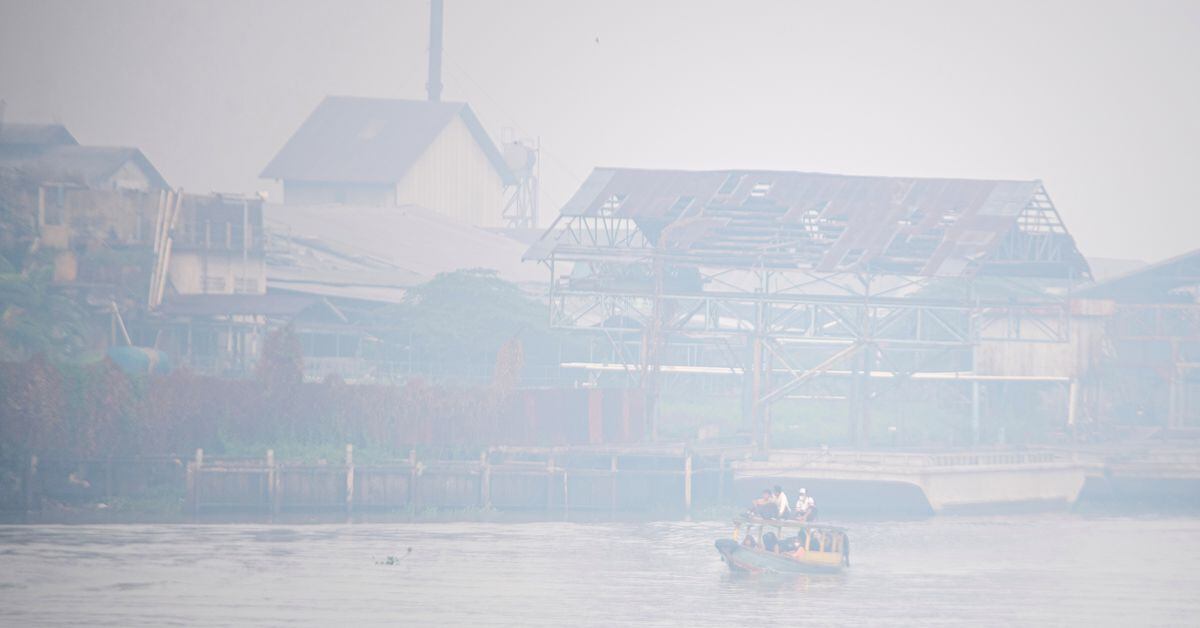
Indonesia's environment ministry denies that the forest fires in Sumatra and Borneo have affected air quality in neighboring Malaysia, despite Malaysia's Department of Environment warning of high pollution levels due to trans-boundary haze from Indonesia. Indonesia's dry season this year has been severe, exacerbating the forest fires, and authorities are focusing on extinguishing them with water bombing. The fires have burned over 267,900 hectares of forests so far this year, causing haze in several cities. Some areas reported visibility of less than 10 meters, leading to remote learning for students in affected cities.
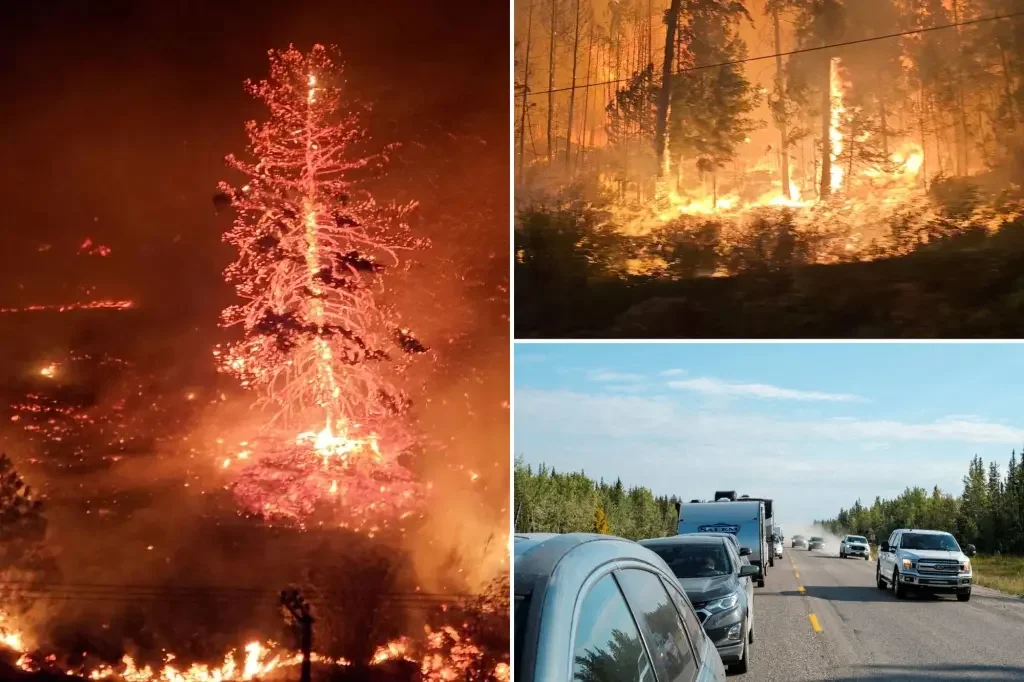
The wildfires in British Columbia, Canada, have intensified, leading to the evacuation of over 35,000 people and the destruction of many properties. The province has declared a state of emergency and is in dire need of shelter for evacuees and firefighters. The spread of the blazes and disruption highlight the severity of Canada's worst wildfire season yet, with approximately 54,054 square miles of land already burned. The fire season is expected to stretch into autumn due to widespread drought-like conditions. The main east-west highway has been partially closed, and the fires have drawn in federal government assistance and support from 13 countries.