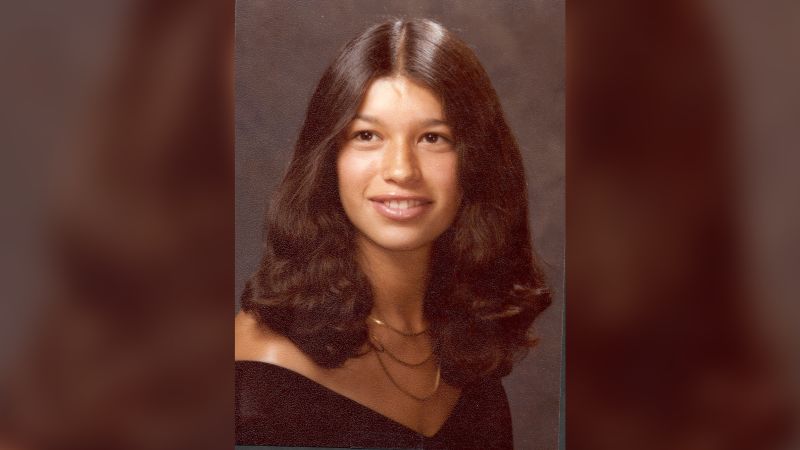
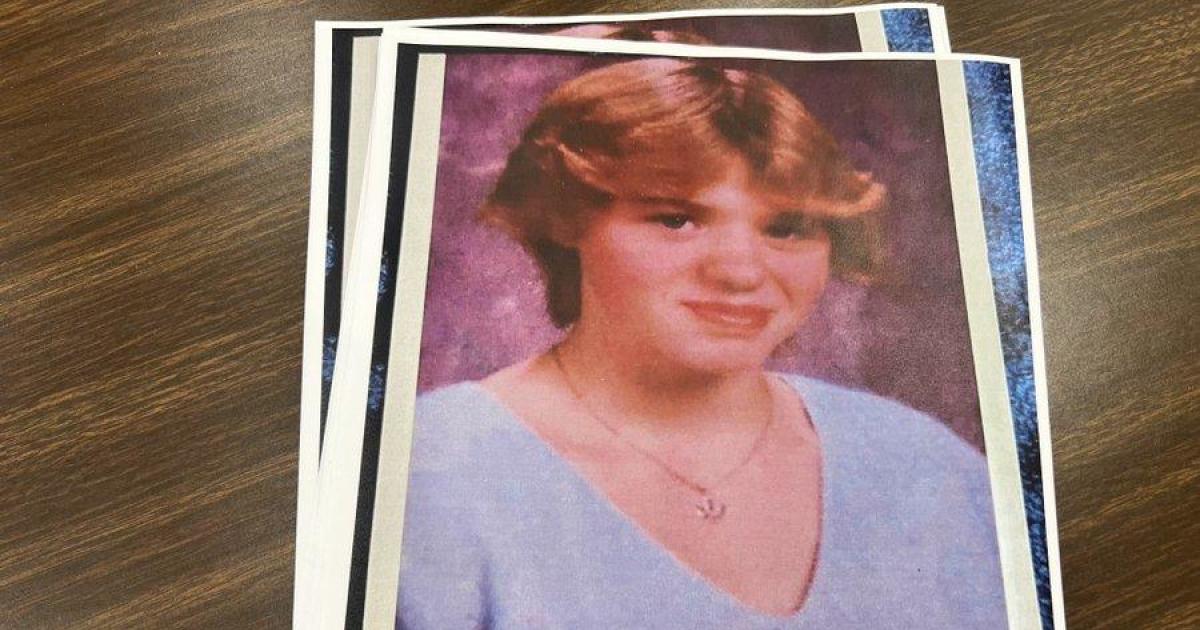
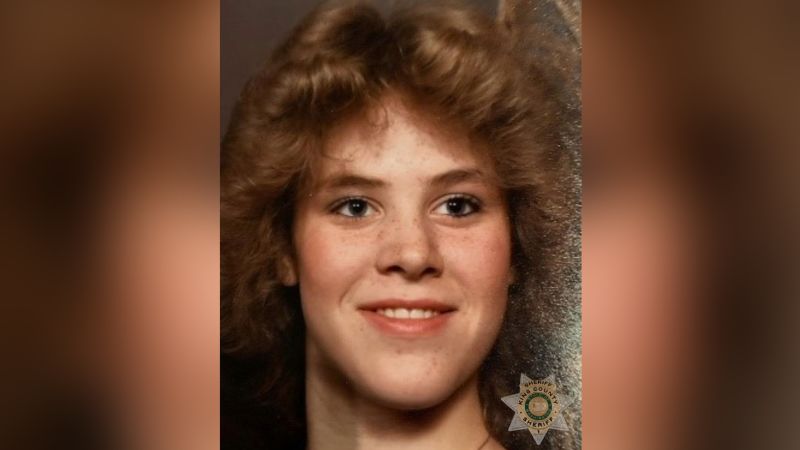
Valerie Nagle's DNA helped identify the remains of her sister, Marion McWhorter, who disappeared in Oregon in 1974, after decades of uncertainty, through advances in forensic genealogy and DNA analysis.
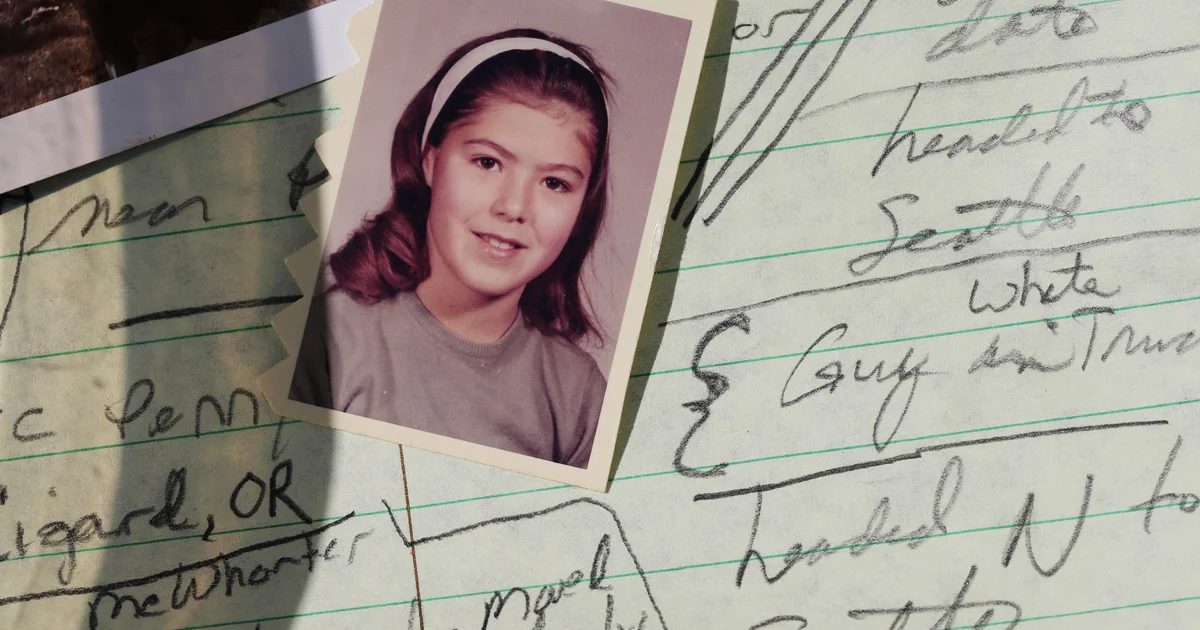
The mystery of a teenage girl's remains found in the basement of a former New York City nightclub has been solved after 50 years. The girl, initially known as Midtown Jane Doe, was identified as Patricia Kathleen McGlone, who disappeared in 1969. Her remains were discovered in 2003, but it took decades of forensic advancements and genetic genealogy to uncover her identity. The case remains unsolved, with her husband, who used a false identity, and her half-brother as persons of interest. The story highlights the challenges of solving cold cases and the transient nature of life in the 1960s.
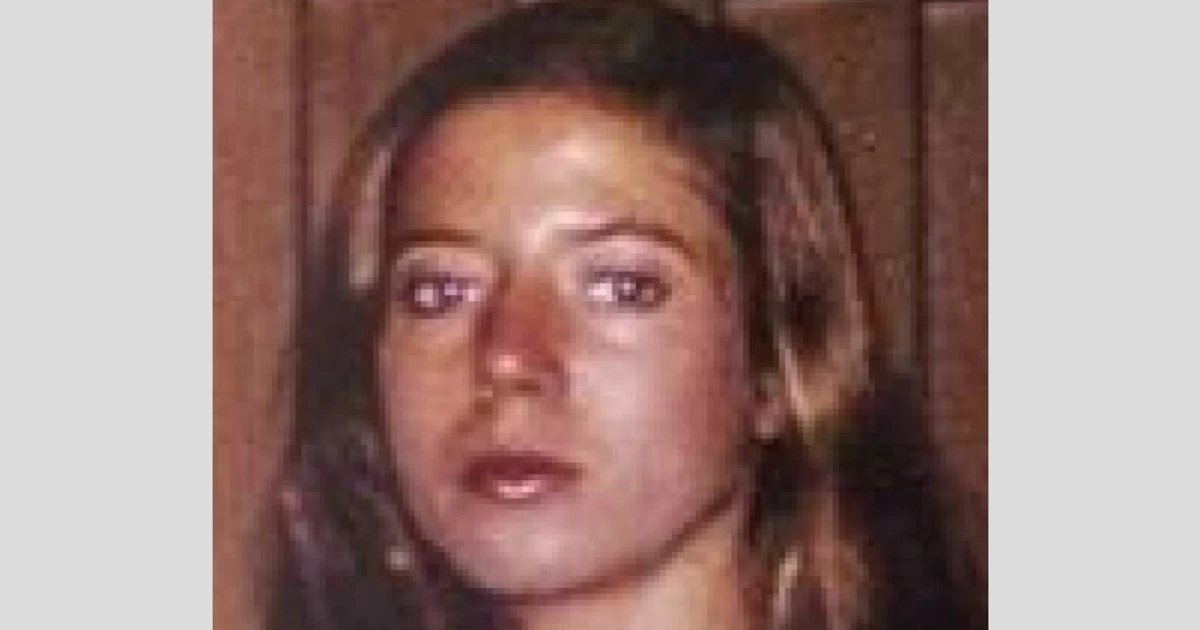
After 45 years, DNA and forensic genealogy have identified Lewis Randolph "Randy" Williamson as the suspected killer of 17-year-old Esther Gonzalez, who was raped and murdered in 1979. Williamson, who had initially reported finding Gonzalez's body and passed a polygraph test at the time, was confirmed as the suspect through DNA evidence collected posthumously. This breakthrough brings closure to the Gonzalez family, although Williamson died in 2014 and will not face justice.
An 84-year-old man, Jon Miller, has been arrested in connection with the 1974 murder of Mary K. Schlais, a 25-year-old hitchhiker, in Wisconsin. The case, which had remained unsolved for decades, was cracked using forensic genetic genealogy, leading investigators to Miller in Minnesota. Schlais was killed while traveling to an art show in Chicago, and her brother expressed relief at the arrest after so many years. The Dunn County Sheriff's Office collaborated with genetic genealogists to identify Miller as a suspect.
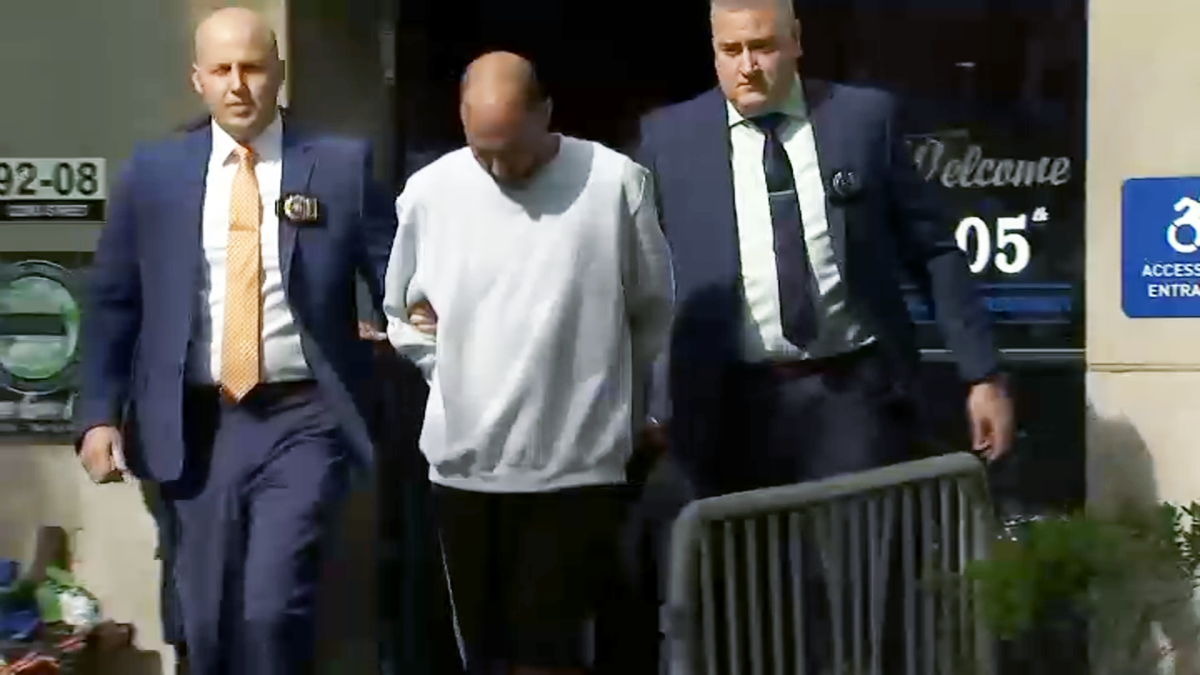
Anthony Scalici has been arrested in Florida for the 2009 murder of his uncle, Rosario Prestigiacomo, in Queens, New York, after DNA from a discarded fork matched evidence from the crime scene. This marks the first time a NYC homicide suspect was identified using public genealogy databases.
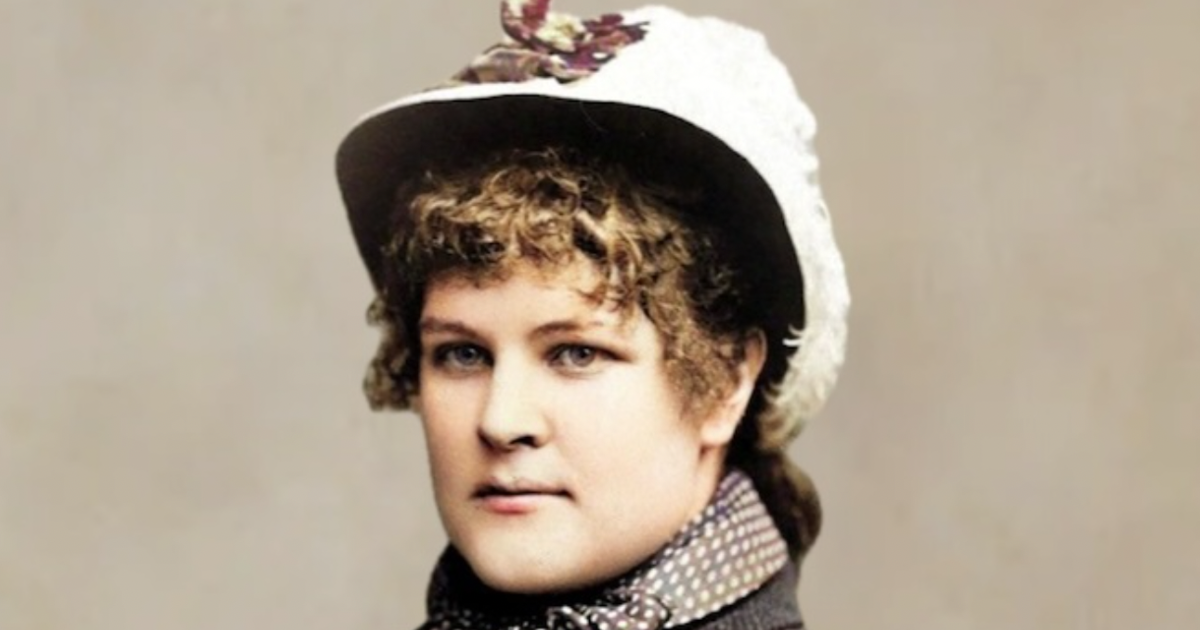
Skeletal remains found in a plastic bag in California in 1985 have been identified as Gertrude Elliott-Littlehale, a woman born in 1864 who died in 1915. The identification was made possible through forensic genetic genealogy by Othram, a lab specializing in DNA analysis. The remains were initially discovered near Channel Islands Harbor, and the case remained unsolved for decades until recent advancements in DNA technology provided new leads.
A second suspect has been named in the 1970 murder of Maryland high school student Pamela Lynn Conyers using DNA evidence and forensic genealogy, with both suspects having died before they could be charged. Investigators are seeking public assistance in filling in missing information and determining if the suspects were involved in additional crimes, as they were known hunters who frequented a now-closed bar. The announcement brings some closure to Conyers' family and friends, but they continue to seek answers about her death.
The body of a pregnant woman found in a northeastern Indiana basement in 1992 has been identified as Tabetha Ann Murlin through forensic genetic genealogy and DNA provided by her father, nearly 32 years after her death. The case went cold but was renewed in 2016, and her identity was confirmed after her father submitted a DNA sample for testing in January. The cause and manner of her death have not been determined, and the investigation is ongoing.
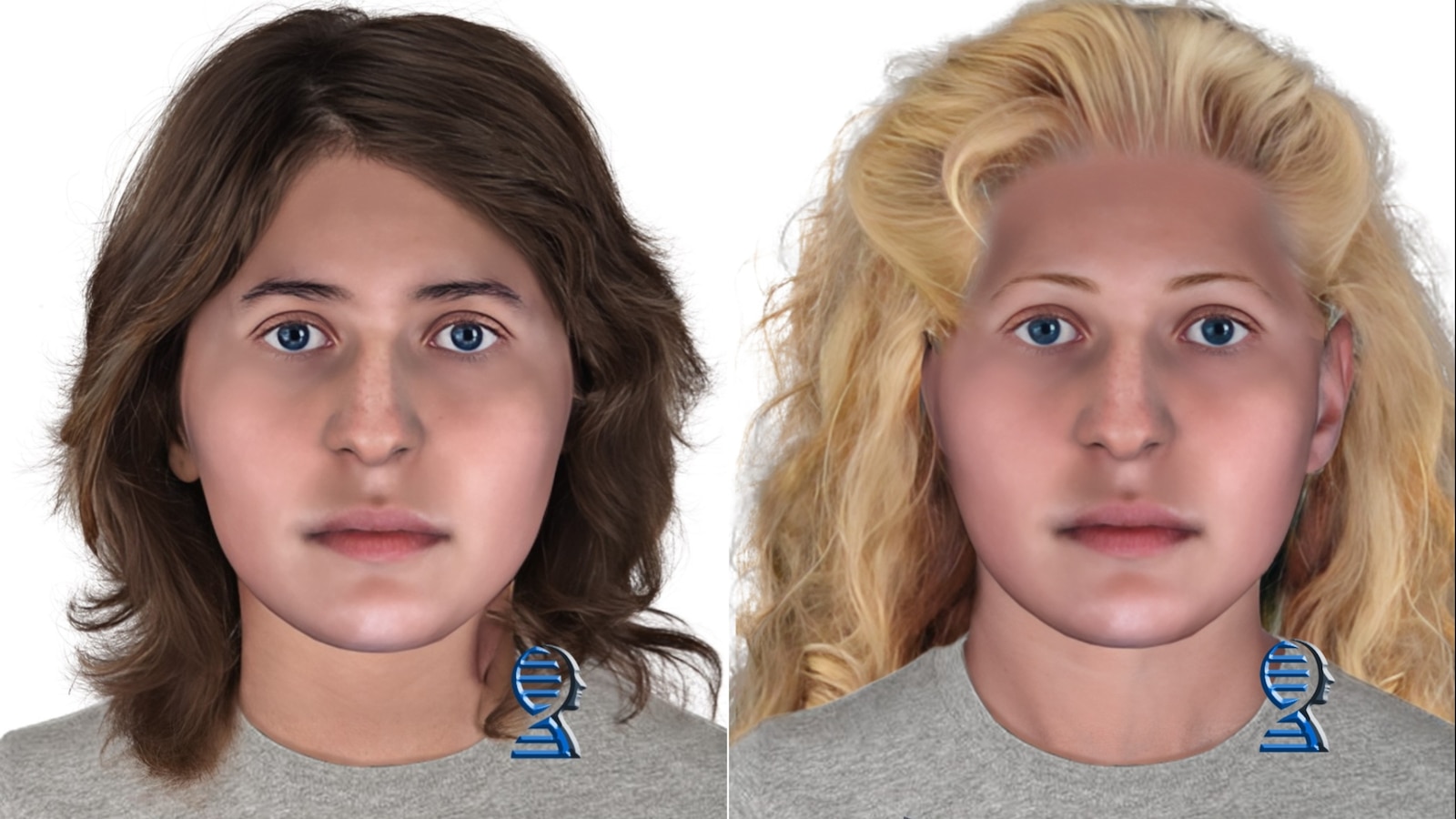
Riverside County officials are seeking help to identify the last unidentified victim of the "Happy Face Killer," who was murdered in 1992. Known as "Claudia" by the killer, she was described as having shaggy, wild blonde hair and was about 20 to 30 years old at the time. Recent advances in DNA technology and tips from the public are hoped to help discover her name. The killer, Keith Jesperson, claimed to have killed women in five states and was given the nickname "Happy Face Killer" due to the smiley faces he drew on a letter he sent to a newspaper bragging about his crimes.
After nearly 40 years, DNA testing has revealed the identity of human remains known as Bones 17, which were linked to the infamous "Green River Killer" case. The remains have been identified as belonging to Lori Anne Razpotnik, a teenager who went missing in 1982. Advanced DNA testing by Parabon Nanolabs and comparison testing with a saliva sample provided by Razpotnik's mother confirmed the match. The Green River Killer, Gary Ridgway, pleaded guilty to 48 counts of aggravated murder in 2003 and is currently serving a life sentence without parole.
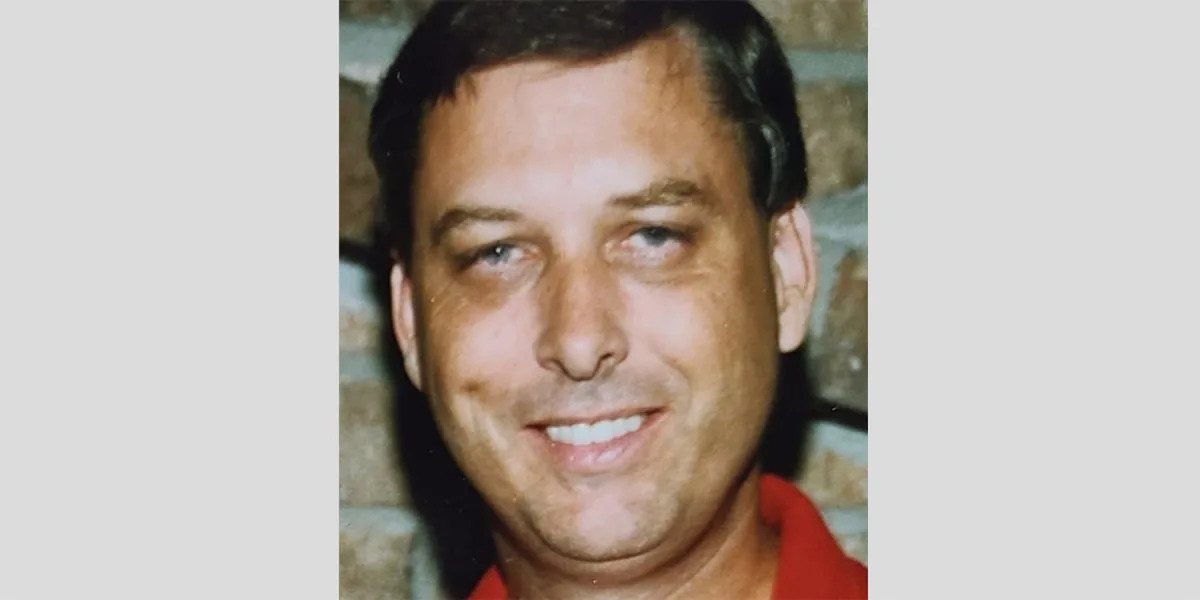
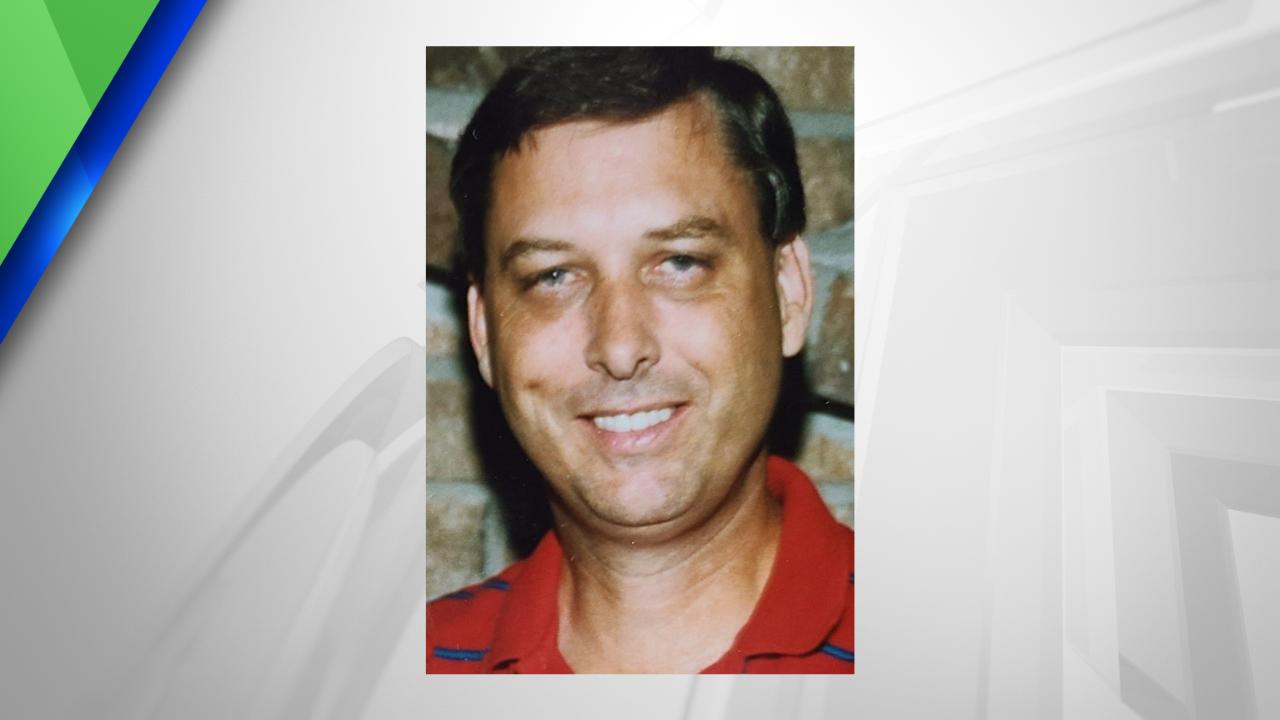
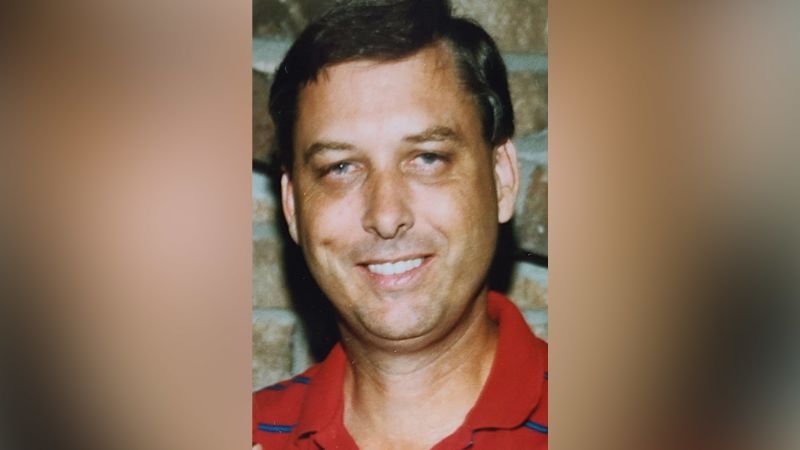
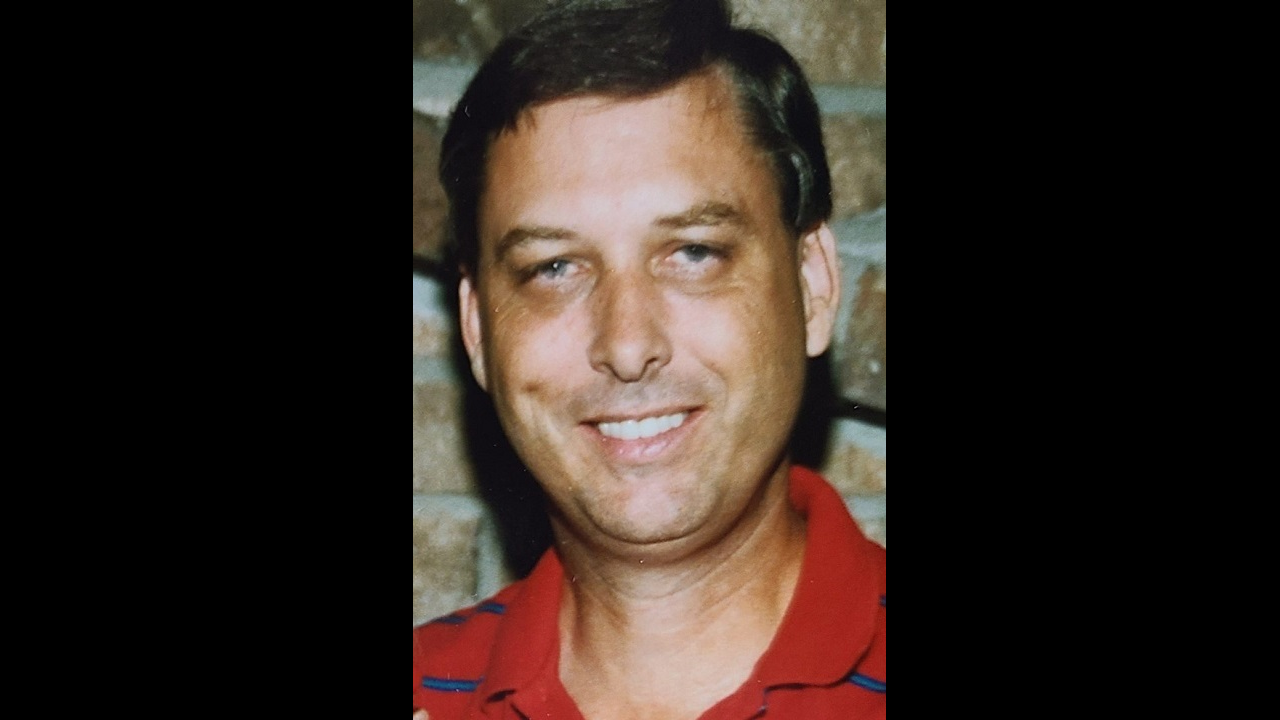
Human remains found in Kentucky nearly 25 years ago have been identified as those of Roger D. Parham, an FBI fugitive who fled a federal arrest warrant in 1998. The remains were identified using advanced DNA technology and are now being investigated as a homicide. Parham had been released on bond but failed to appear in court on a rape charge. Kentucky State Police worked with a private laboratory specializing in forensic genealogy to make the identification. Parham's relatives have been notified of the discovery.
Human remains discovered in Lake Barkley nearly 25 years ago have been identified as those of Roger Dale Parham, thanks to advanced DNA testing and forensic genealogy. Parham, who was awaiting trial on criminal charges in 1999, disappeared and was thought to have fled the area to evade prosecution. The cause of his death is yet to be determined, but due to the circumstances in which he was found, the case is being investigated as a homicide. Kentucky State Police are urging anyone with information to come forward.
The body of a man found wrapped in tire chains and anchored with a hydraulic jack in Kentucky's Lake Barkley in 1999 has been identified as Roger Dale Parham, a fugitive accused of rape who had been missing for over a decade. Advanced genealogy DNA testing linked the unidentified body to a relative of Parham, leading investigators to solve the mystery of his disappearance. However, the cause of Parham's death remains undetermined, and the case is now being investigated as a homicide due to the suspicious circumstances surrounding the discovery of his body.
Human remains found in a lake in Kentucky nearly 25 years ago have been identified as belonging to Roger Parham, an FBI fugitive who disappeared after being charged with rape involving a minor in Arkansas. The remains were discovered wrapped in heavy tire chains and anchored with a hydraulic jack. With the help of advanced DNA technology and forensic genealogy, investigators were able to identify Parham. Due to the suspicious circumstances surrounding the discovery, his death is now being investigated as a homicide. The exact cause of death remains unknown.
Kentucky State Police have identified human remains found in Lake Barkley almost 25 years ago as Roger Dale Parham, thanks to advanced DNA technology and forensic genealogy. Parham, who disappeared in 1999 while awaiting trial on criminal charges, was located through a relative's DNA match. The circumstances of the remains' discovery, wrapped in heavy tire chains and anchored with a hydraulic jack, suggest foul play, and the case is being investigated as a homicide. The Kentucky State Police express gratitude to various entities involved in the identification process and urge anyone with information to come forward.