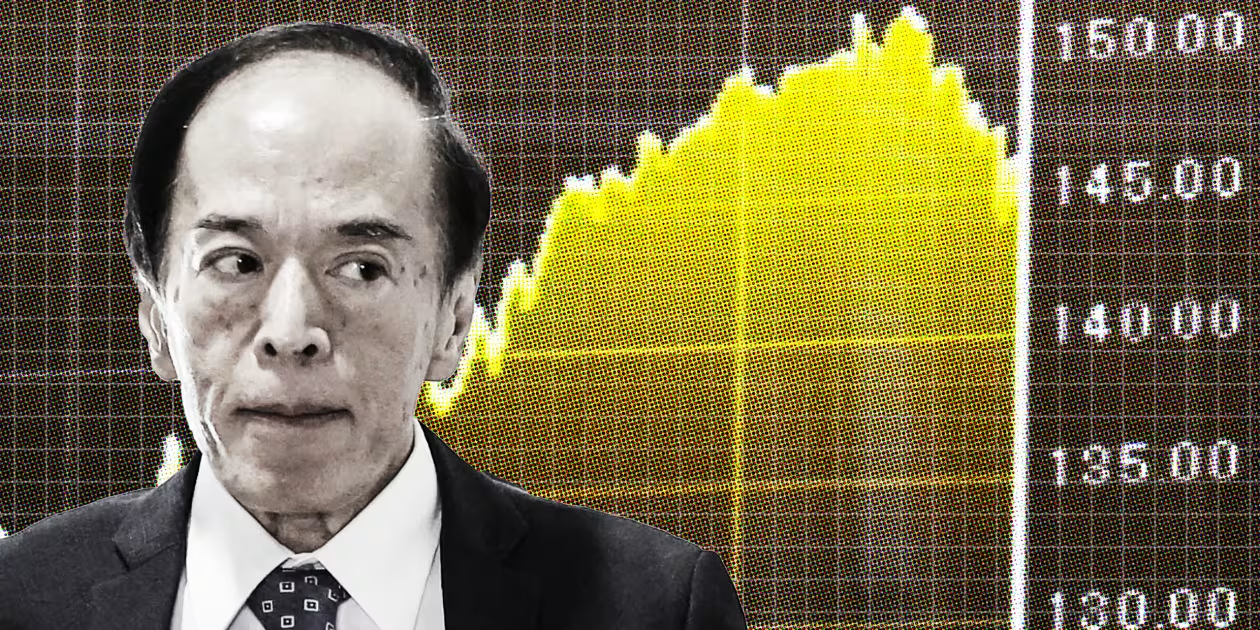
Japan's vice finance minister for international affairs, Masato Kanda, has warned against speculative moves in the foreign exchange market as the yen remains weak against the dollar, trading around 150-151 per dollar since the Bank of Japan's recent interest rate hike. Kanda emphasized that the yen's current weakening is not in line with fundamentals and is driven by speculation, stating that appropriate action will be taken against excessive fluctuations.
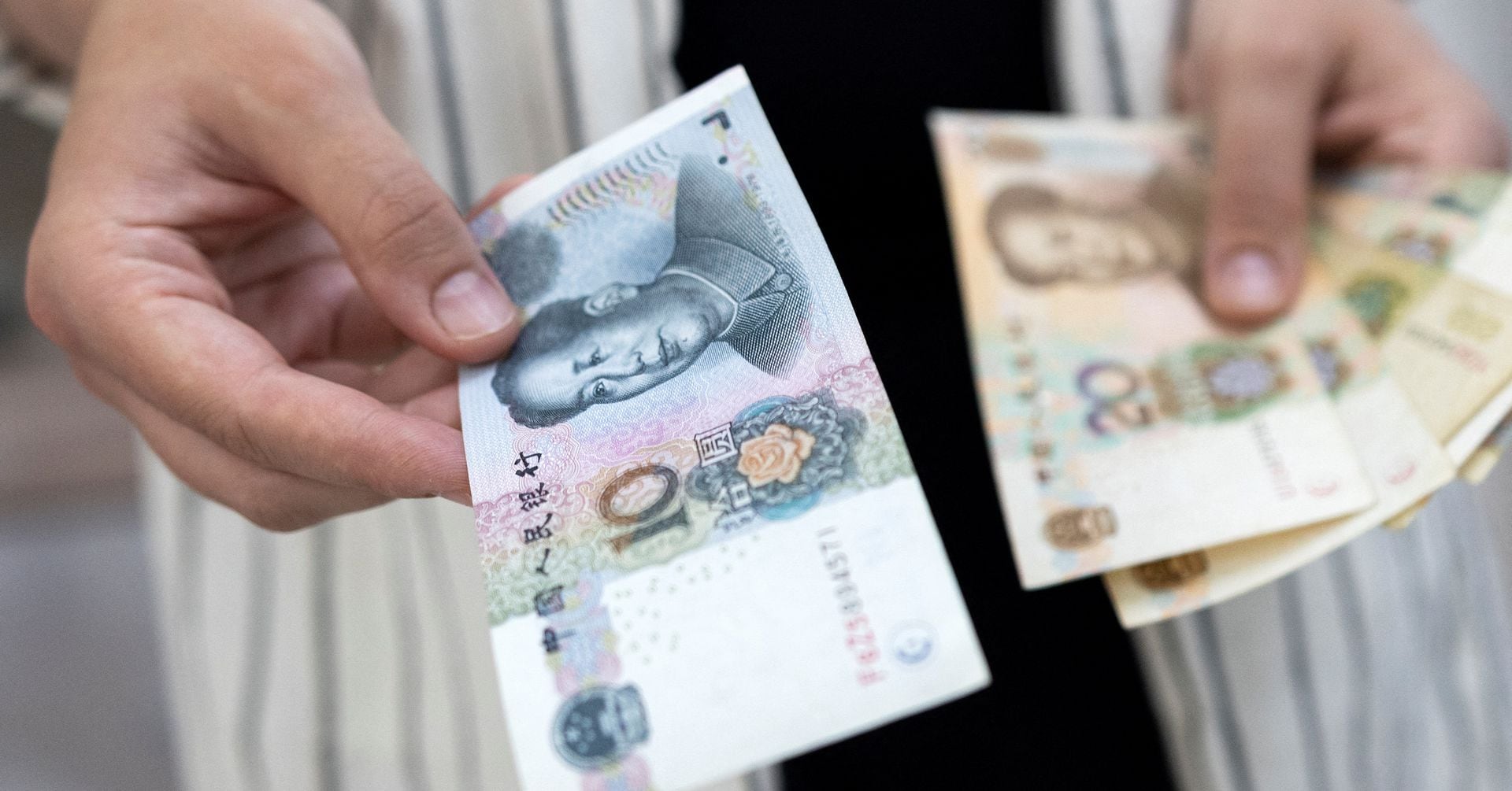
China's major state-owned banks took action to support the yuan by tightening liquidity in the offshore foreign exchange market and actively selling U.S. dollars onshore as equities experienced a significant drop. The move aimed to prevent the yuan from depreciating too rapidly amidst a plunge in China's A shares. Overseas funds have sold approximately $1.6 billion in Chinese equities this year, reflecting weakened investor confidence due to signs of economic slowdown. State banks' actions led to tighter offshore yuan liquidity and increased costs for shorting the currency, while aggressive spot dollar selling defended the 7.2 per dollar level.
The yen has reversed its downtrend against the dollar, moving closer to a 33-year low, as the policy rates of the Bank of Japan (BOJ) and the Federal Reserve (Fed) are set to align. While the weak yen has been detrimental to inflation, it has benefited Japanese exporters by increasing the value of overseas revenue when converted to yen, providing them with some relief.
China's major state-owned banks have been observed swapping yuan for US dollars in the onshore swap market and selling those dollars in the spot market to support the yuan's recovery. This move is aimed at encouraging domestic exporters to settle their foreign exchange receipts into the local currency and boosting the yuan's performance towards the year-end. Chinese state banks often act on behalf of the central bank in the foreign exchange market, but they also trade on their own behalf.
The Bank of Japan (BOJ) may intervene in the USD/JPY exchange rate if the yen weakens further, with past interventions resulting in an initial 500-point drop. The Ministry of Finance (MOF) is responsible for formulating foreign exchange policy and instructs the BOJ to execute interventions. The BOJ conducts operations by buying yen using USD reserves. The MOF and BOJ collaborate closely, with the MOF making the ultimate decision on intervention based on advice from the BOJ. The current JPY weakness is impacting the popularity of Kishida in the polls, potentially prompting the government to announce new economic measures.
China's currency regulators have reportedly instructed some commercial banks to reduce or delay their purchases of U.S. dollars in an effort to slow the depreciation of the yuan. This informal guidance comes as China's economy struggles to recover from the pandemic and the U.S. dollar and other major currencies see rising yields. The People's Bank of China (PBOC) and the State Administration of Foreign Exchange (SAFE) have not yet commented on the matter. The yuan has hit an eight-month low and has lost 3.6% against the dollar this year. China's authorities have pledged to let market factors determine the yuan's movements, but concerns about currency stability have been expressed.