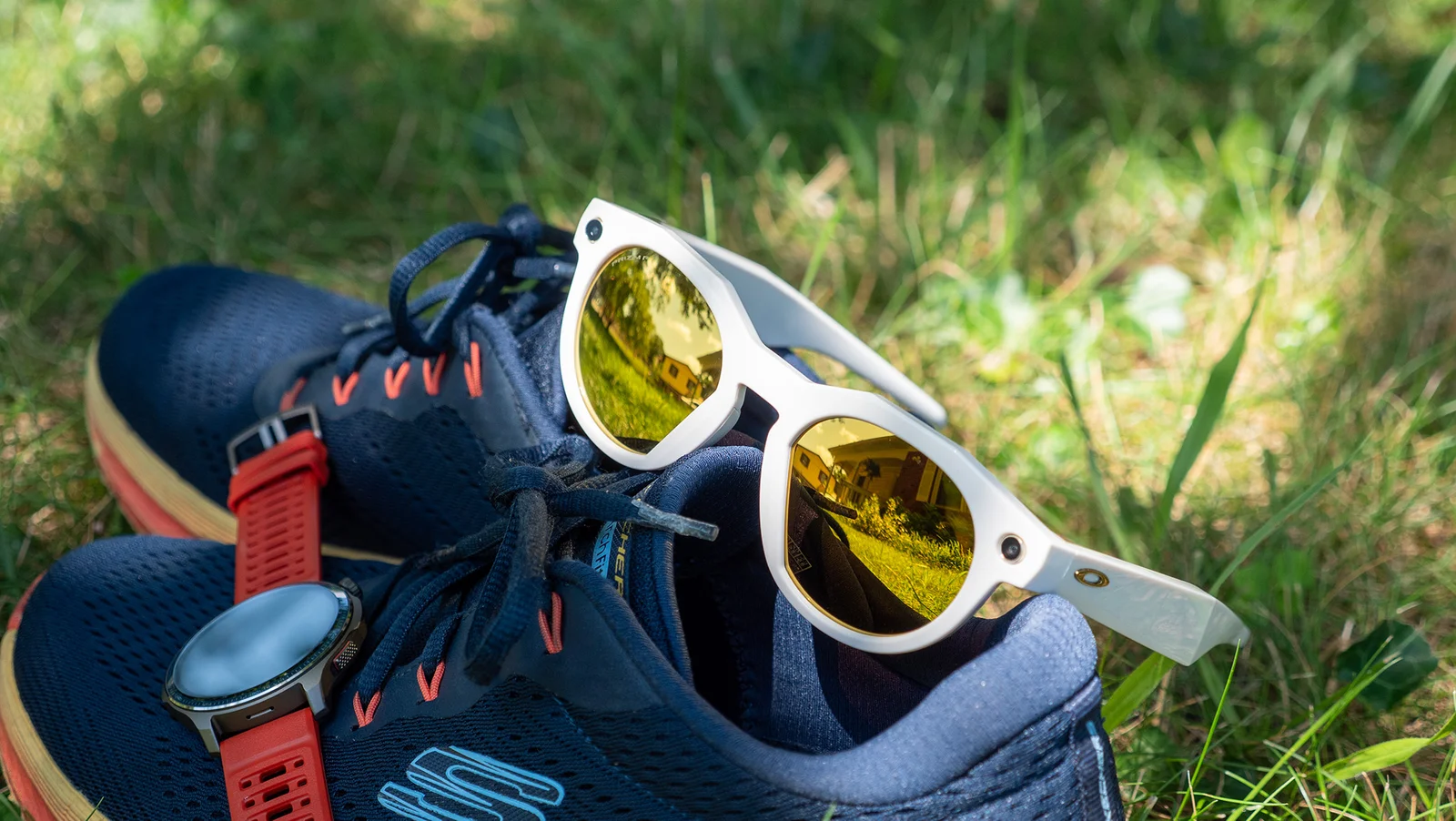
The Oakley Meta Vanguard AI glasses are high-tech, sport-oriented sunglasses with integrated AI, Garmin fitness data, and hands-free media capture, offering a glimpse into the future of wearable tech, though they remain niche and somewhat complex to set up.
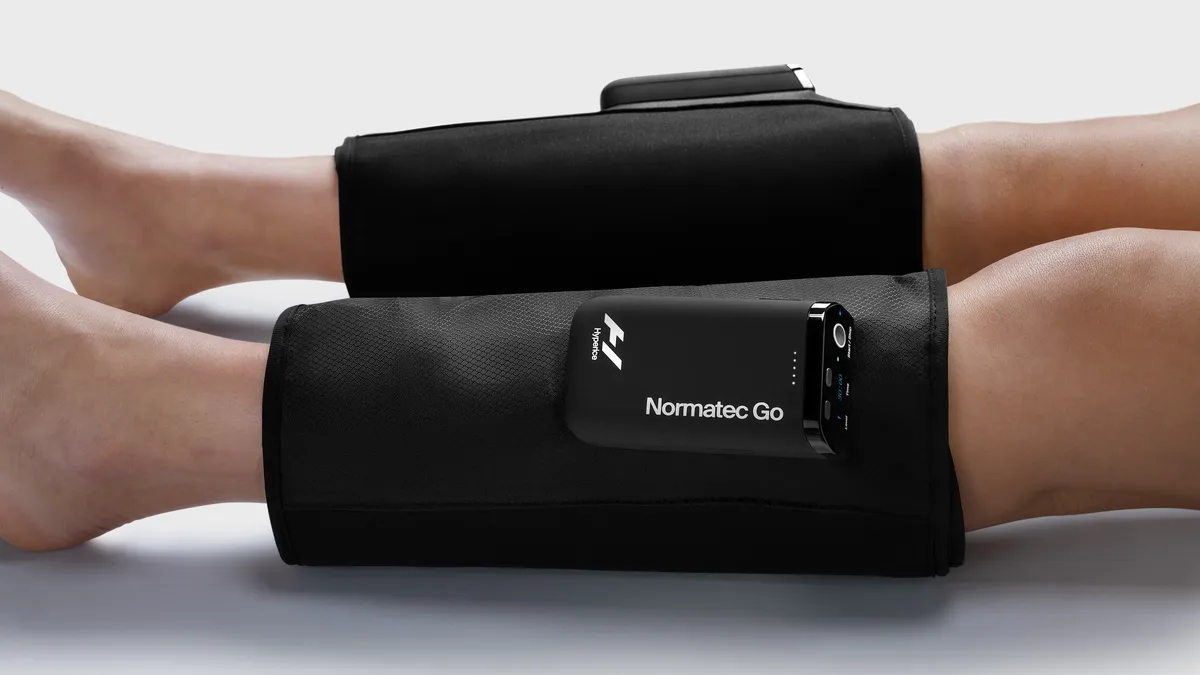
The article reviews nine recommended fitness tech items, including compression boots, smartwatches, massage guns, a smart ring, a home gym system, exercise bike, earbuds, and a personal training app, highlighting their features and suitability as gifts or personal upgrades.
Strava has filed a lawsuit against Garmin, alleging patent infringement related to exercise tracking features like segments and heatmaps, and claiming Garmin violated a cooperation agreement. The lawsuit seeks to stop Garmin from selling products with these features, but experts doubt its success. The case appears unusual given the long-standing partnership between the companies and recent timing, with Strava citing Garmin's new API branding requirements as a motive. The situation remains complex and potentially disruptive, but its impact on users is uncertain.
Strava has sued Garmin for patent infringement related to fitness and cycling features like segments and heatmaps, seeking to block Garmin from selling products with these features, citing unauthorized use of Strava's patented technology despite prior agreements.
The article reviews nine top fitness tech items, including compression boots, smartwatches, massage guns, a smart ring, a home gym system, exercise bike, earbuds, and a personal training app, highlighting their features and benefits for enhancing workout recovery, tracking health, and motivating fitness routines.
The Oakley Meta HSTN smart glasses excel in video stabilization during workouts, making them a great tool for athletes to record smooth first-person footage, especially in 1080p mode, despite some limitations like fit during certain movements and being only sunglasses without transition lenses.
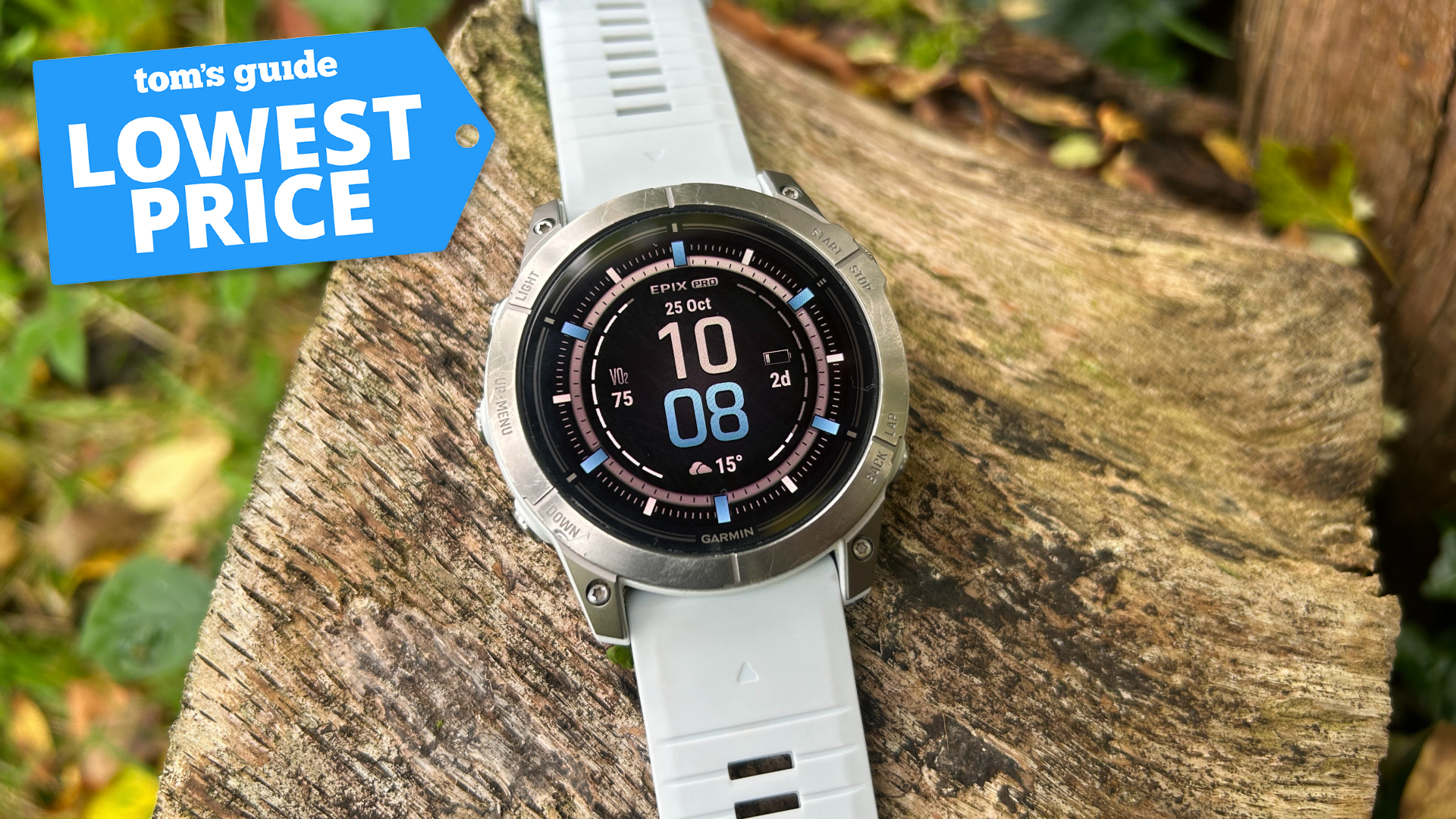
A fitness editor reviews the best early Prime Day deals on Garmin running watches, highlighting significant discounts on models like the Forerunner 55, 165, 265S, and Epix Pro, which offer advanced health and fitness tracking features.
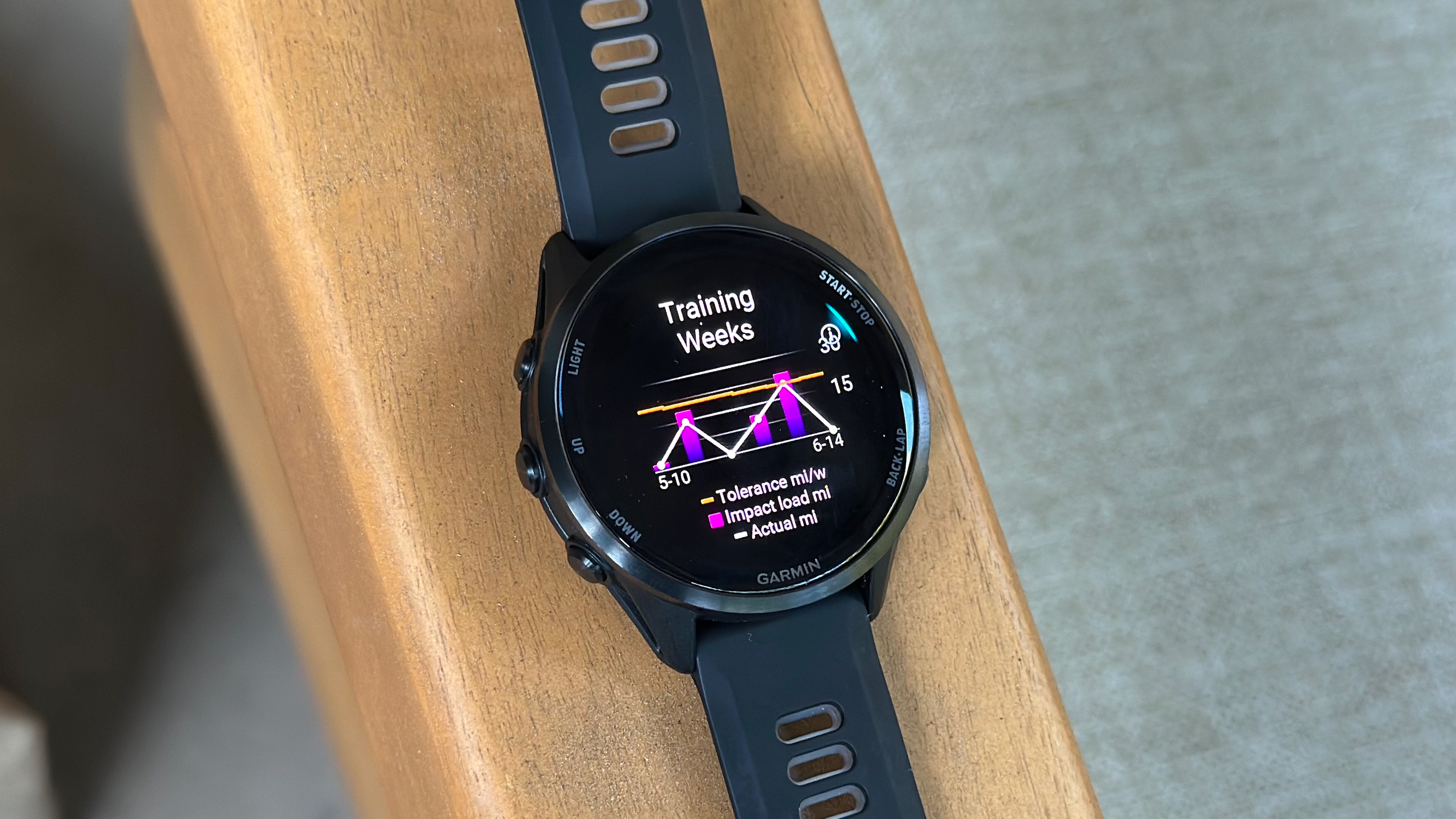
The Garmin Forerunner 970's running tolerance feature is highly useful for preventing injuries by warning users when they are pushing beyond their safe limits, but it is currently restricted to premium models, which may limit its accessibility for casual runners. The feature considers various factors like impact load and recent training history to provide valuable insights, especially for beginners and casual runners aiming to avoid overtraining and injury.
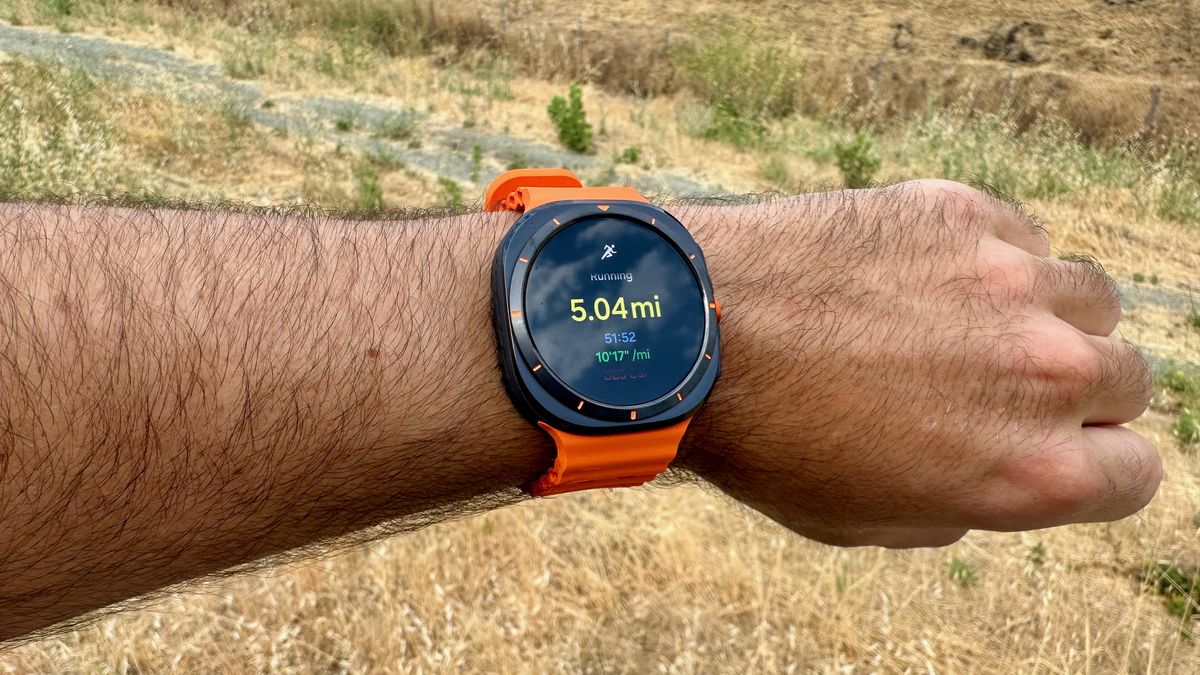
The Galaxy Watch Ultra largely meets Samsung's fitness promises with improved heart rate accuracy and dual-band GPS, showing promising results in initial tests. While there are minor issues with heart rate tracking during rapid changes and step counting, the watch's hardware upgrades make it a strong contender in the fitness watch market. Further in-depth testing is needed to fully evaluate its performance.
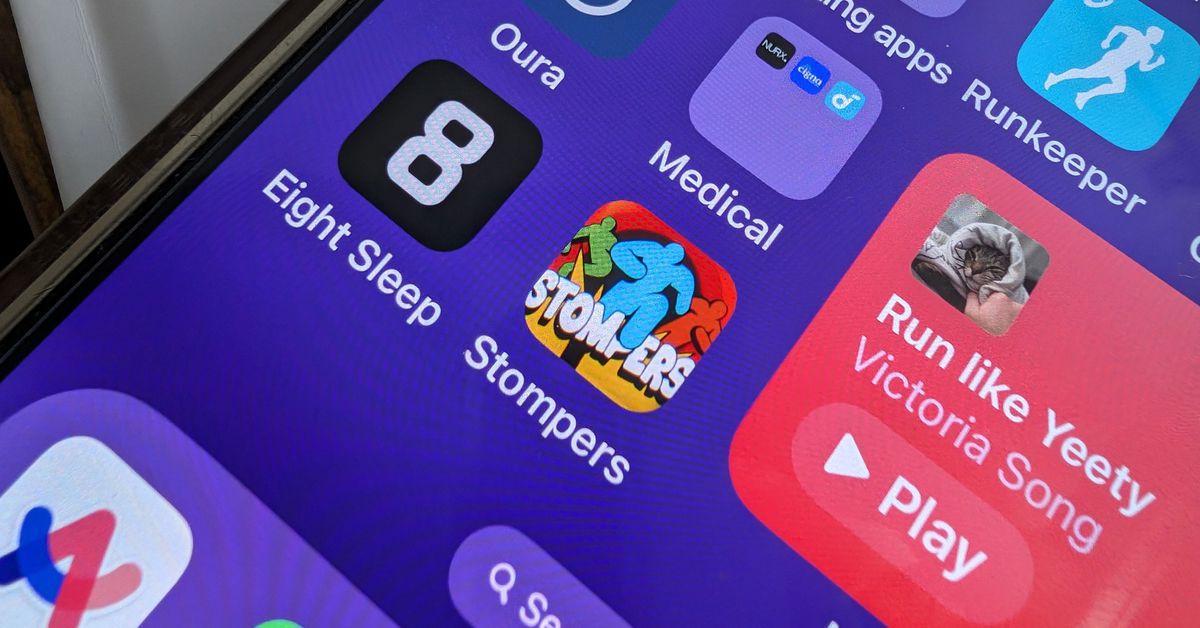
Stompers is a new iOS app designed by Soren Iverson that combines fitness tracking with whimsical, competitive elements reminiscent of Looney Tunes and Mario Kart. Users can "whack" and trick their friends to alter step counts, making walking a fun, interactive game. The app aims to connect friends through playful competition and is set to expand with an Android version and potential single-player mode.
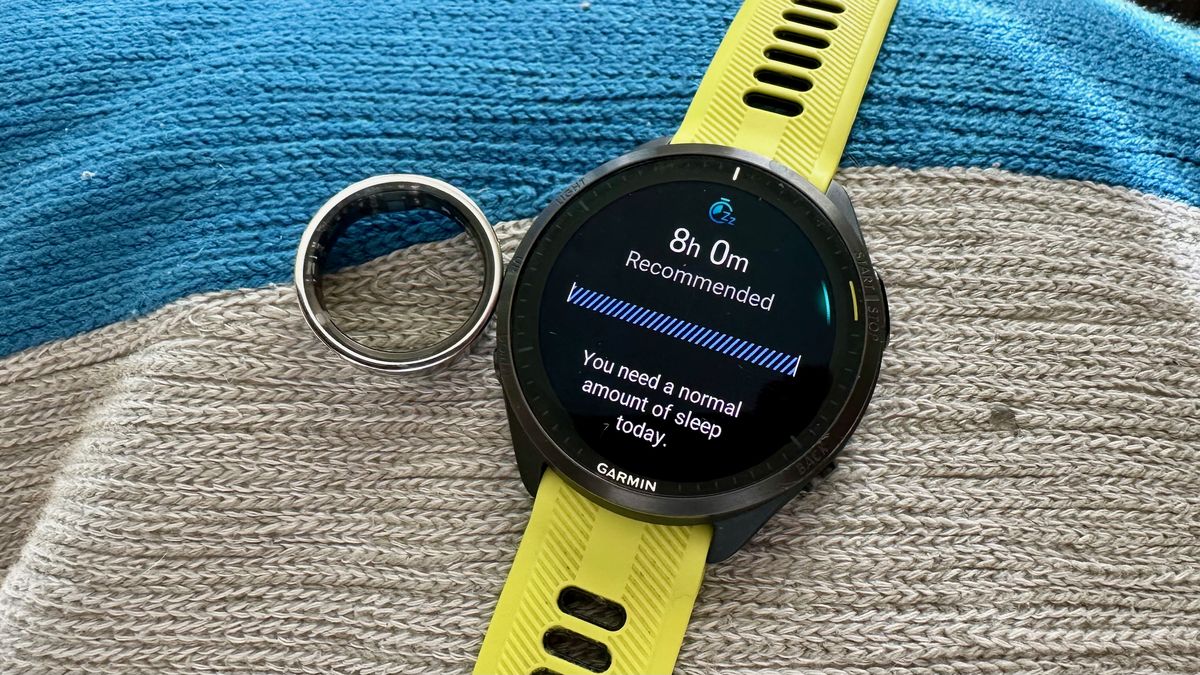
Android Central's Wearables Editor, Michael Hicks, shares his experience with smart rings for sleep tracking, highlighting their lightweight and comfortable form factor compared to smartwatches. He emphasizes the challenges of wearing a smartwatch to bed, including discomfort, inaccurate readings, and disrupted sleep. While acknowledging that smart rings cannot replace smartwatches for app functionality and fitness metrics, he recommends them for those seeking accurate sleep and health data without discomfort, especially for tech enthusiasts who can afford to add smart rings to their collection of devices.
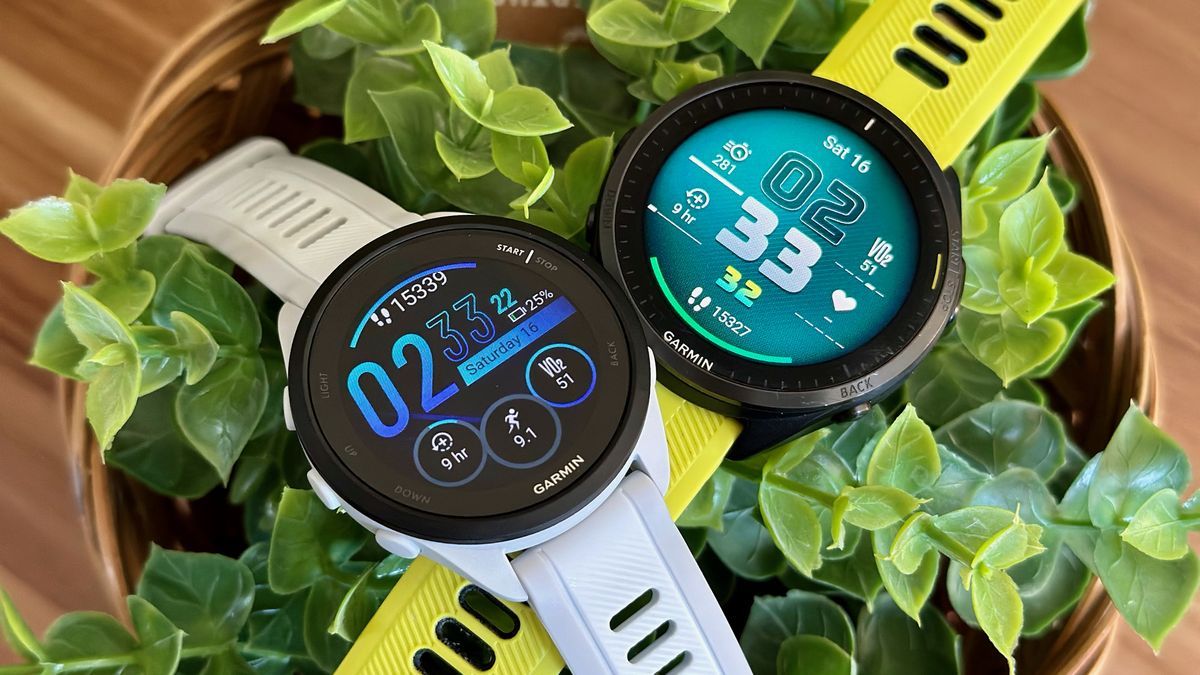
The Garmin Forerunner 165 impresses with its affordability and features, offering a more readable AMOLED touch display, improved heart rate sensor, and multi-GNSS tracking. While it lacks certain advanced metrics like Training Load, which is available on pricier models, the Forerunner 165 still delivers accurate results for steps, heart rate, GPS, and elevation gain. The absence of Training Load, a crucial feature for tracking workout intensity, is a notable drawback, especially considering that the device may have the capability to provide this data. Despite this limitation, the Forerunner 165 remains a compelling option for runners seeking a budget-friendly yet capable smartwatch.
The Wahoo KICKR RUN treadmill offers a unique running experience with features like time of flight sensors for pace control, tilting capability, and extensive connectivity options. Priced at $5,000USD, it is set to launch in June with a focus on delivering a high-tech and immersive running experience. The RunFree mode allows for pace control by body movement, and the treadmill's tilting feature aims to simulate the sensation of running on different terrains. While the initial impressions are positive, a comprehensive review is planned for later this spring.
Whoop, a popular fitness tracker among serious athletes, is introducing a new feature called Whoop Coach, powered by ChatGPT. This AI-powered chatbot pulls data from the user's Whoop tracker to provide personalized recommendations and insights. Users can ask the chatbot to design custom plans, routines, and recipes based on their goals, as well as receive insights into their data and comparisons with others in their demographic. While the effectiveness of the feature remains to be seen, it represents a move towards more interactive and personalized fitness technology.