Tag

Fitness Apps

All articles tagged with #fitness apps

CNET Fitness Expert Shares Top 9 Must-Have Fitness Tech Items

Originally Published 3 months ago — by CNET

Featured image for CNET Fitness Expert Shares Top 9 Must-Have Fitness Tech Items
Source: CNET

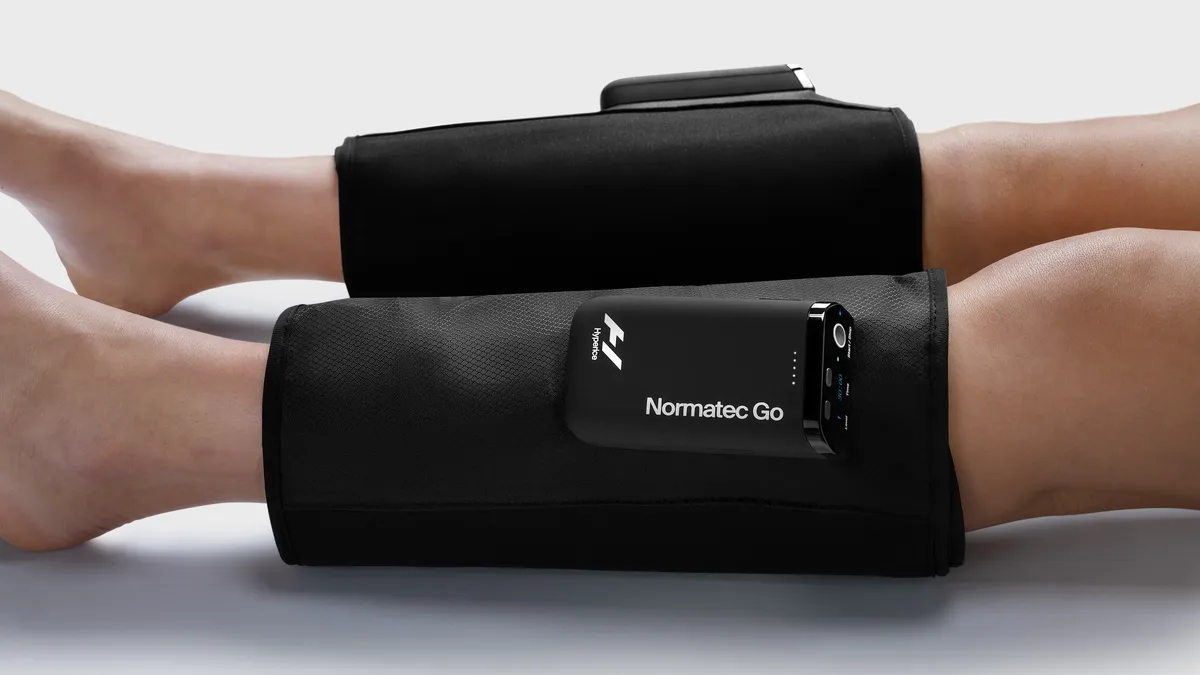
The article reviews nine top fitness tech items, including compression boots, smartwatches, massage guns, a smart ring, a home gym system, exercise bike, earbuds, and a personal training app, highlighting their features and benefits for enhancing workout recovery, tracking health, and motivating fitness routines.

"Testing the Future: Apple Vision Pro Headset Review and Cycling Trials"

Originally Published 1 year ago — by DC Rainmaker

Featured image for "Testing the Future: Apple Vision Pro Headset Review and Cycling Trials"
Source: DC Rainmaker

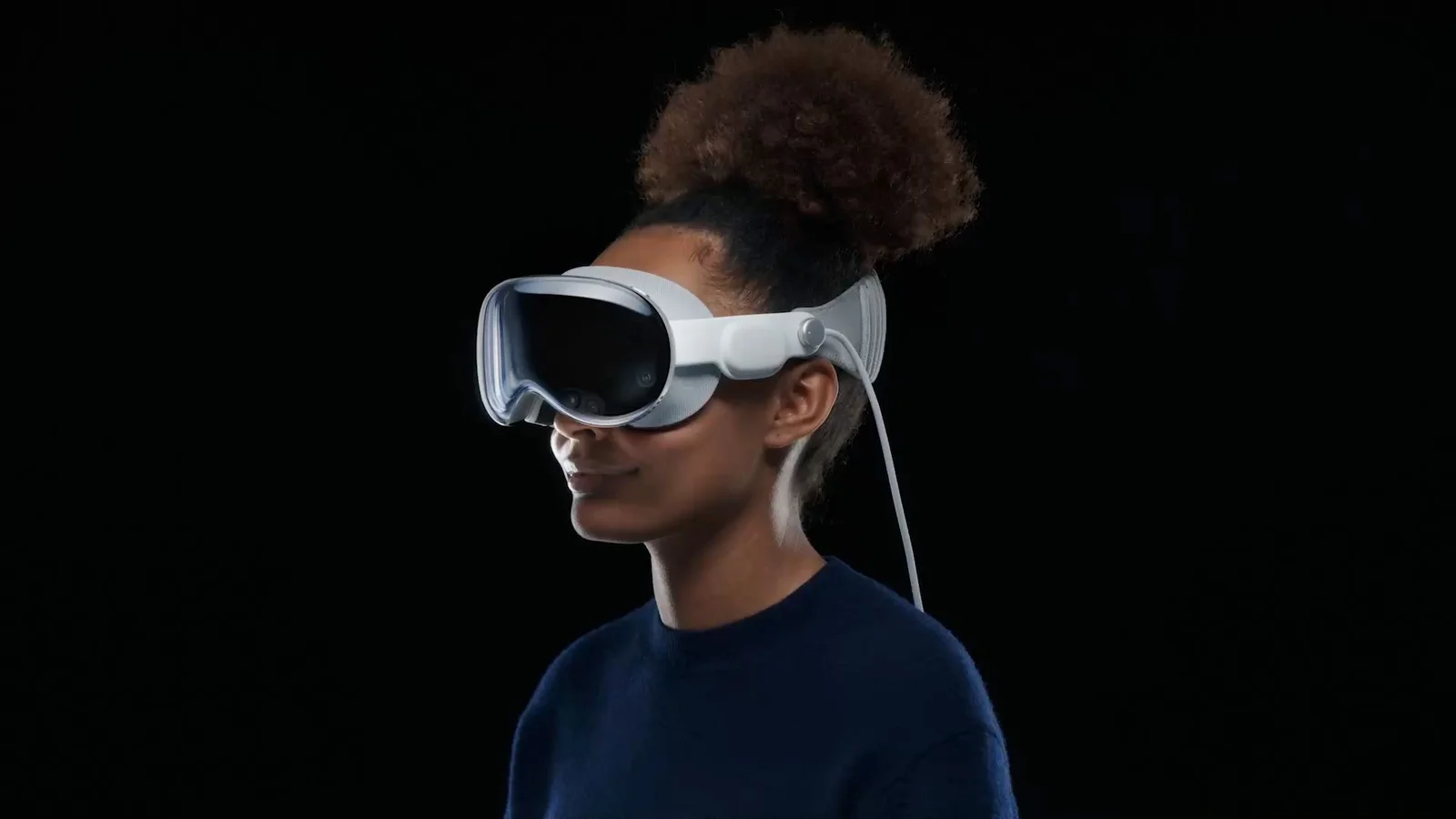
The article explores the performance of Apple's Vision Pro in cycling, focusing on both outdoor and indoor riding experiences with apps like Zwift and Rouvy. While outdoor use is entertaining, the future potential lies in indoor cycling as apps increase compatibility, with the Meta Quest 3 also being promoted for sport/fitness. The review covers aspects such as comfort, heat, sweat handling, and image clarity, offering technical depth for cyclists interested in both indoor and outdoor riding. The author encourages support for the website and provides Amazon links for readers to contribute.

"Pilates Essentials: Gear, Routine, and Apps for Quick Workouts Anywhere"

Originally Published 2 years ago — by NBC News

Featured image for "Pilates Essentials: Gear, Routine, and Apps for Quick Workouts Anywhere"
Source: NBC News

Pilates is a highly effective low-impact workout that combines strength training and stretching, offering benefits such as improved strength, flexibility, mobility, and alignment. It can be done through mat Pilates or reformer Pilates, both of which can be practiced at home or in a studio. Pilates apparel and equipment recommendations are provided, and experts emphasize the importance of consistency in practice, with options for beginners and advanced practitioners.

"Tech Companies Tap into Fitness Trend to Drive VR Headset Market Growth"

Originally Published 2 years ago — by The Washington Post

Featured image for "Tech Companies Tap into Fitness Trend to Drive VR Headset Market Growth"
Source: The Washington Post

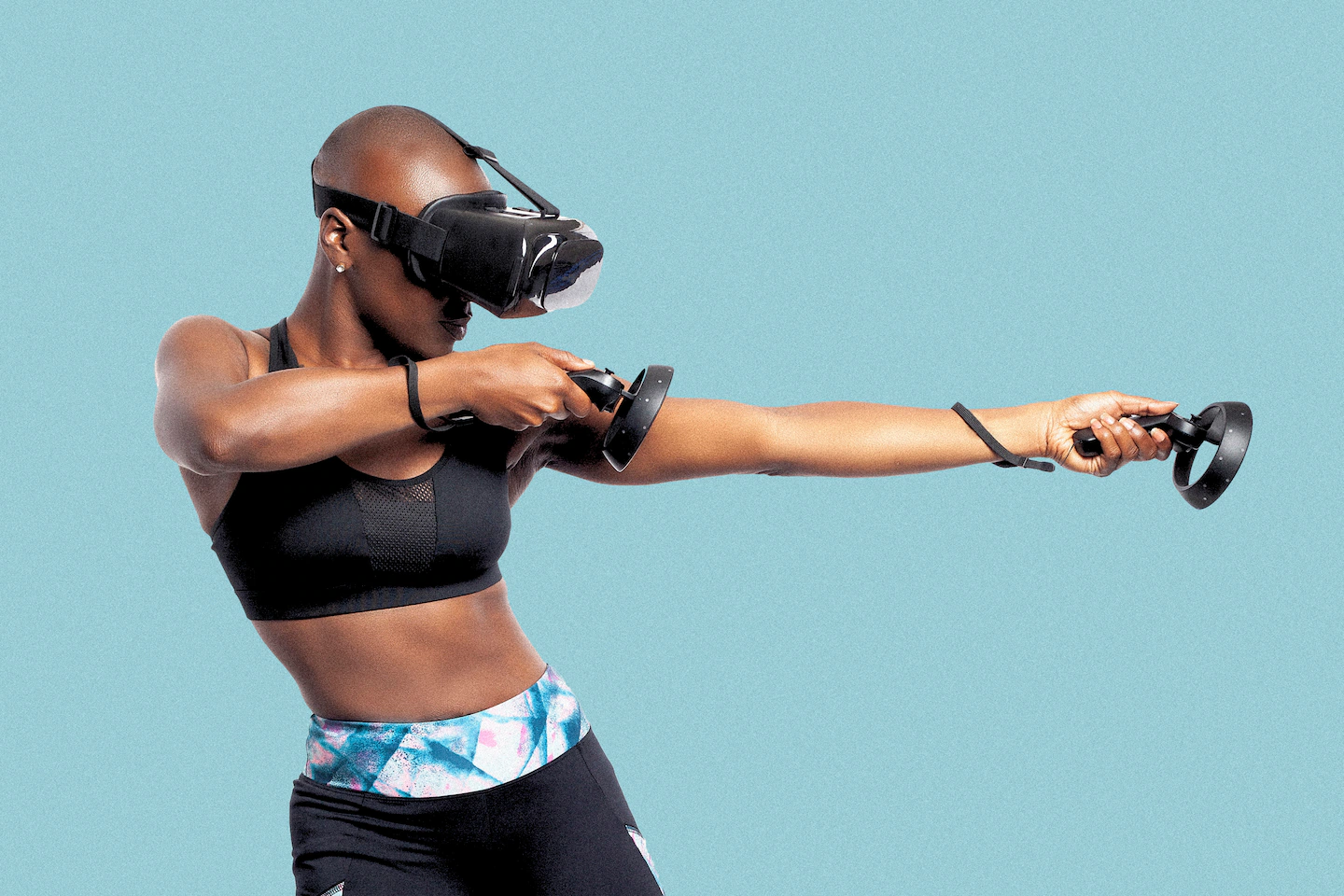
Tech companies are targeting women and mainstream consumers in their efforts to expand the virtual and augmented reality (VR/AR) app market. By promoting non-gaming use cases such as work, fitness, and entertainment, companies like Meta, Apple, and ByteDance are partnering with corporations outside of gaming and acquiring non-gaming app makers. VR-powered fitness apps are seen as a way to attract people who may be intimidated by traditional workout classes, offering immersive and interactive exercise routines. While challenges such as comfort and dizziness remain, enthusiasts believe that Apple's upcoming mixed-reality headset could demonstrate the value of VR and help Meta attract customers with a more affordable alternative.

Unveiling the Hidden Features of Apple's Vision Pro

Originally Published 2 years ago — by MacRumors

Featured image for Unveiling the Hidden Features of Apple's Vision Pro
Source: MacRumors

Apple reportedly developed several features for the Vision Pro headset, including fitness and wellness apps, full-body tracking, and more, but did not announce them at WWDC. Some features may still be in development, while others may have been abandoned. The device is not set to release until 2024, so additional features may be added before then.

AI vs Human: Who Wins in Fitness Training?

Originally Published 2 years ago — by CNET

Featured image for AI vs Human: Who Wins in Fitness Training?
Source: CNET

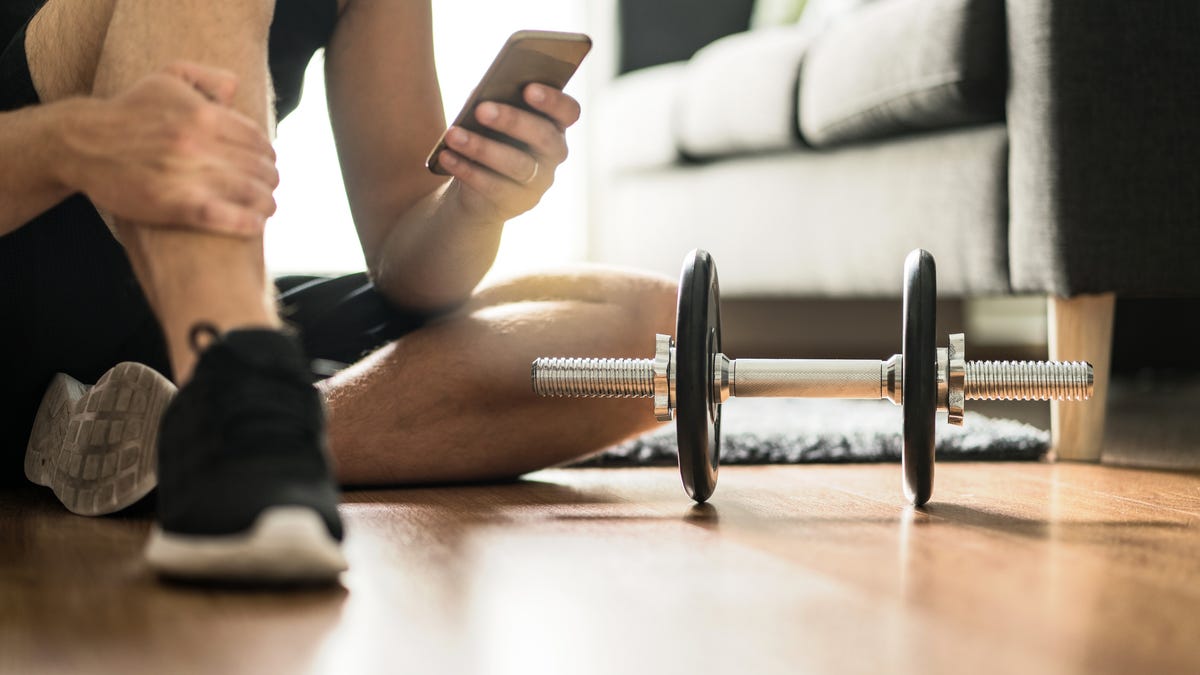
FitnessAI, an AI-powered fitness app, produces personalized workout routines based on user information, but has limitations in understanding individual needs and nuances. Future, a virtual personal training app, provides real-time feedback and customized workout routines, but is more expensive. While AI-powered fitness apps may improve efficiency and gradually achieve progressive overload, they cannot replace the motivation and feedback provided by a human trainer.