The UK government is considering assessing public finances only once a year instead of twice, following IMF suggestions to reduce policy shifts caused by frequent assessments, aiming to create more stability in fiscal policy and better manage economic risks.
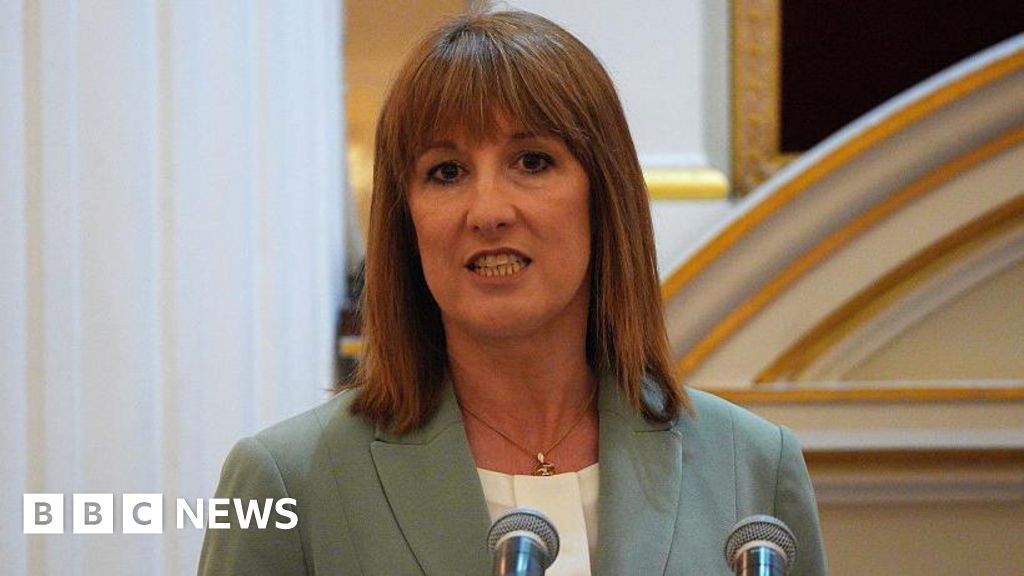
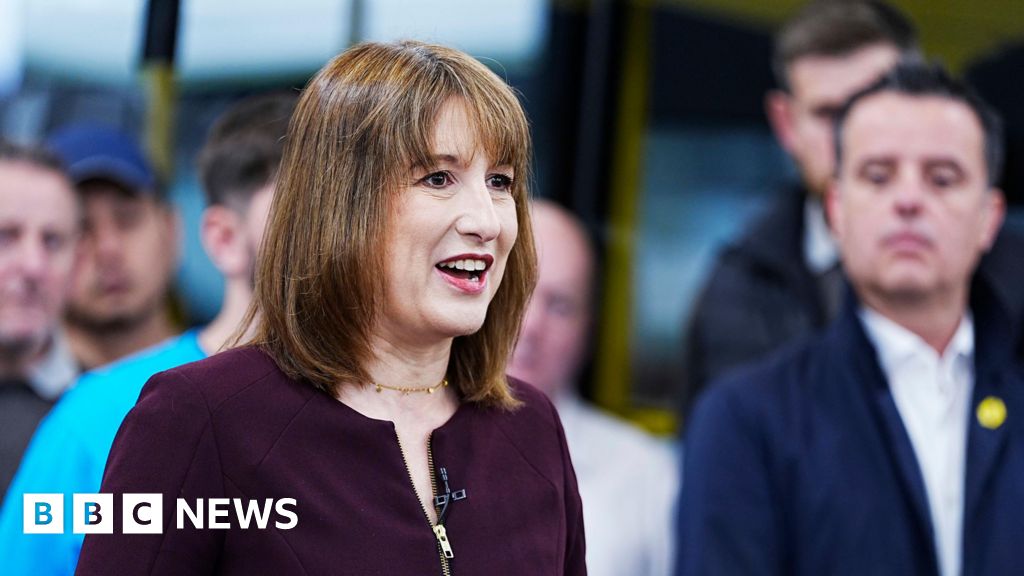
Chancellor Rachel Reeves announced that not all government departments will receive their desired funding in the upcoming spending review, citing economic realities and her strict fiscal rules, which aim to control borrowing and debt. She defended her decisions, including a focus on infrastructure investment and social justice, while acknowledging some departments will face cuts. The review, set for 11 June, will scrutinize government spending over the next few years amid internal disagreements and political debate about economic management and public service funding.
The European Council and Parliament have reached a provisional agreement on the EU fiscal-rules framework, preserving the European Commission's proposed reform to reduce debt ratios and deficits while prioritizing investment in key areas. Member countries will still need to submit fiscal plans, and those exceeding debt or deficit limits will receive a "reference trajectory" from the Commission to achieve prudent debt levels within four years, extendable to seven years with certain reforms and investments. The agreement awaits approval from member countries' representatives and the Parliament's economic affairs committee before formal voting.
The European Union has finally reached an agreement on the long-delayed reform of its fiscal rules, aiming to modernize and simplify the bloc's economic governance. The reform, which has been in the works for years, is intended to make the rules more adaptable to economic conditions and to provide more flexibility for member states. The changes are expected to be implemented gradually, with the European Commission playing a key role in overseeing the process.
The European Union has reached a preliminary deal to reform its fiscal rules after Germany and France found a compromise. The reform keeps the 3% deficit and 60% debt targets but introduces changes to how they are met. Each member state will design a mid-term fiscal plan to reduce deficits and put debt on a downward path. The reform includes numerical safeguards based on debt and deficit levels, with automatic procedures for countries exceeding these thresholds. The agreement also includes provisions for a "resilience margin" and a transition period to cushion the impact of rising interest rates. The reform still needs to be negotiated with the European Parliament.
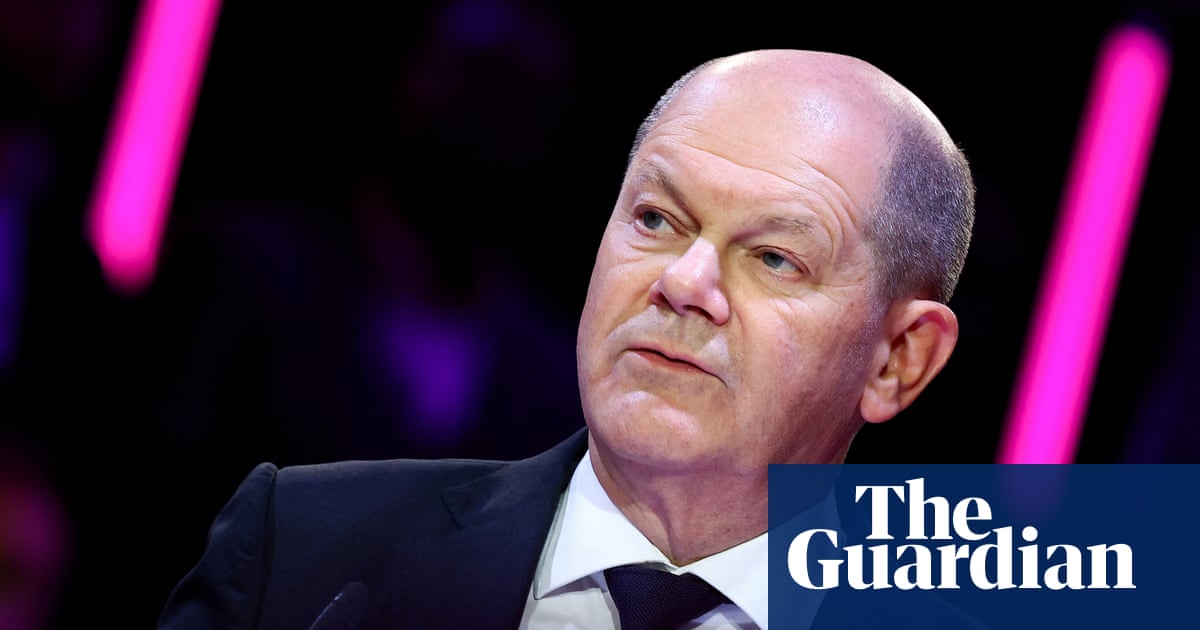
Germany is facing a billion euro budget crisis after the country's highest court ruled that the government's 2024 budget violated fiscal rules. The ruling has jeopardized the coalition government under Olaf Scholz and raised fears of economic stagnation. The court's decision prevents the government from diverting €60bn of borrowing from its pandemic emergency fund into a climate and transformation fund, hindering Germany's green revolution and industrial modernization. The crisis has also cast uncertainty on future financial support for Ukraine, the EU budget, and other areas of spending. Calls for reforming the debt brake rule, which limits the government's structural deficit, are growing louder, but opposition from fiscally conservative parties poses a challenge. The government's credibility is at stake, and the country's economic stability is in danger.