Despite the Trump-era First Step Act allowing thousands of nonviolent federal offenders to leave prison sooner, implementation issues have led to some inmates remaining incarcerated months longer than they should. Problems include miscalculation of earned time credits and a lack of capacity in halfway houses. Advocates and experts highlight the need for better execution and resources to ensure eligible inmates are released on time, as mandated by the law.
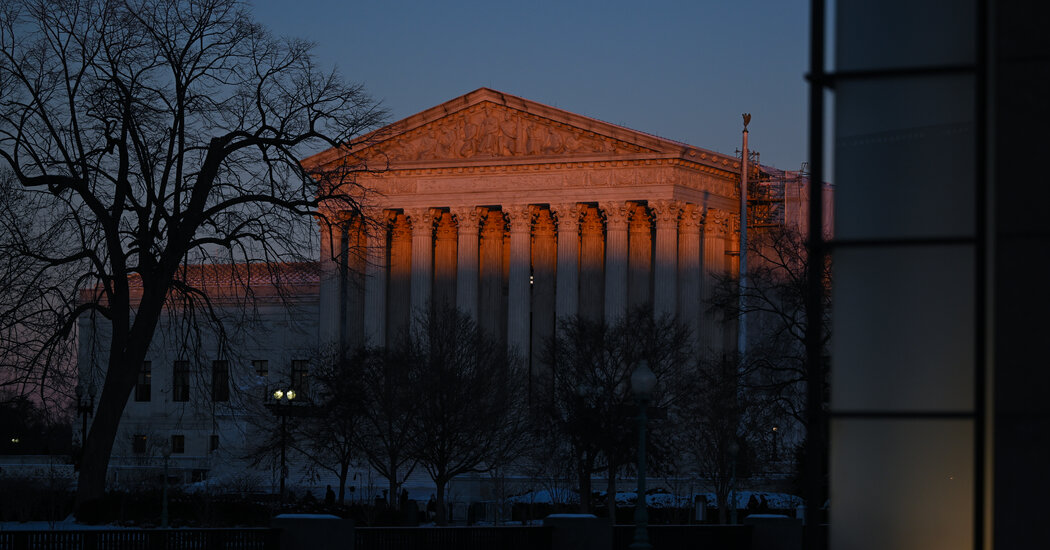
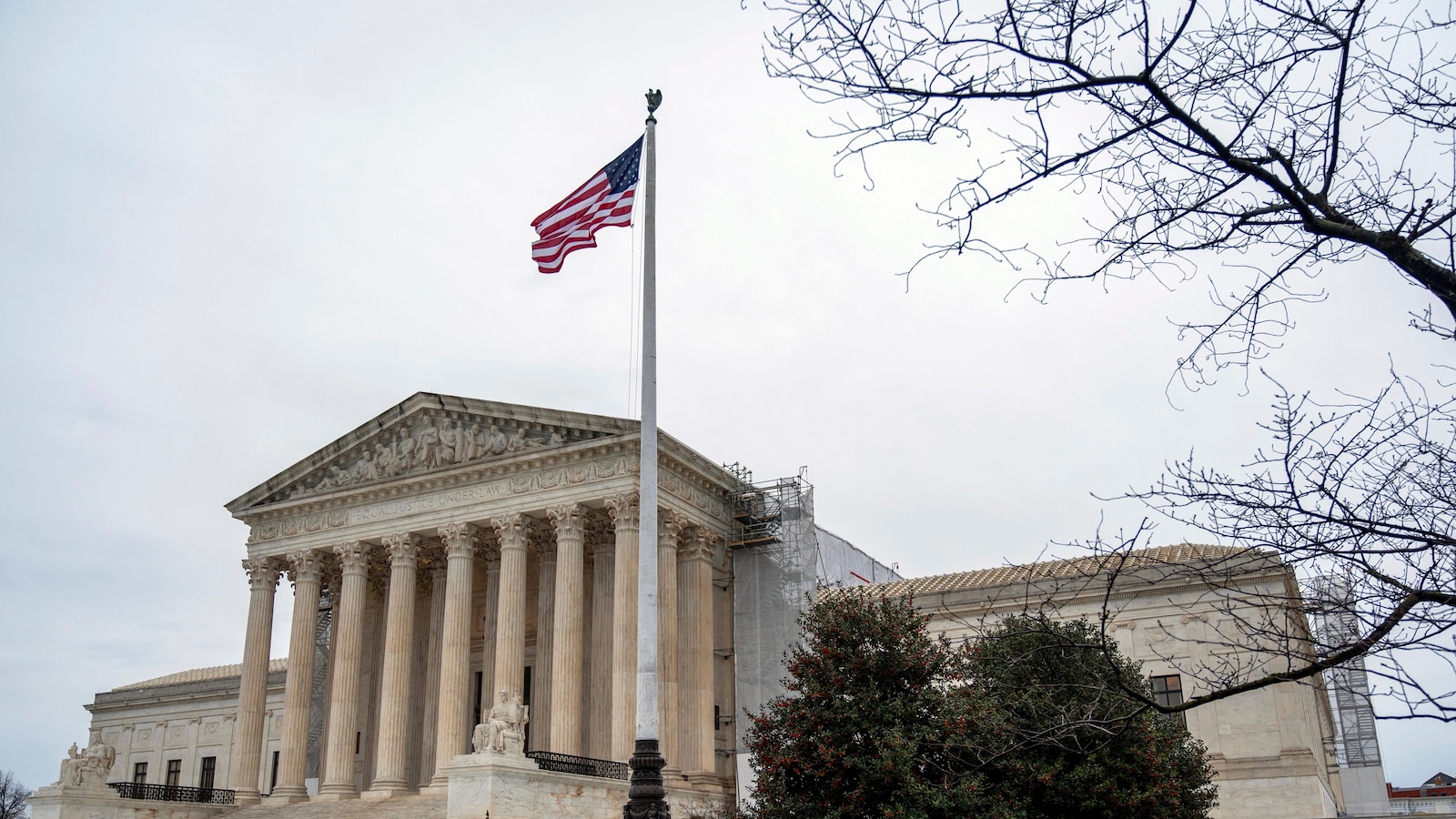
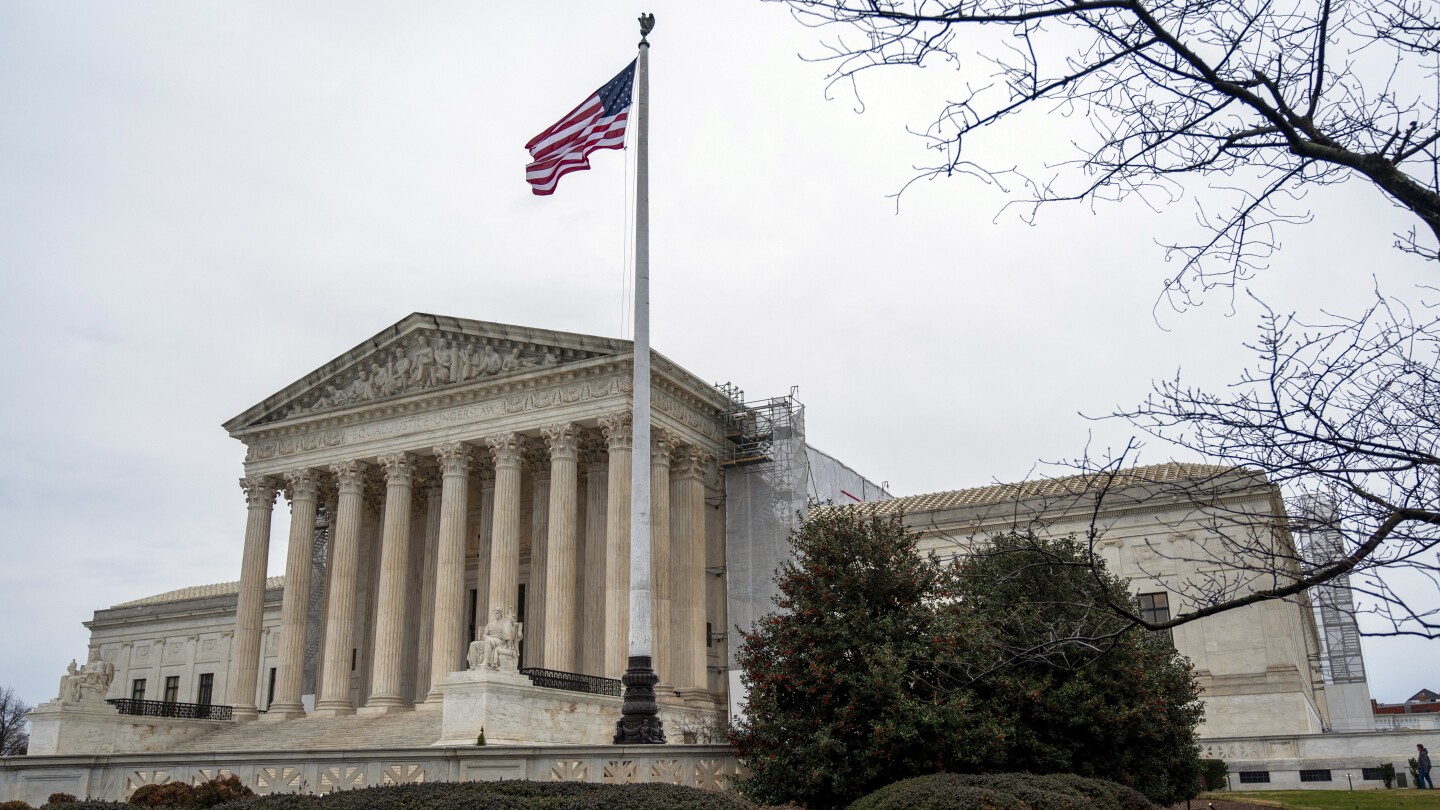
The Supreme Court narrowly interpreted a provision of the First Step Act, a landmark criminal justice law, siding with the government in a decision likely to limit the number of federal prisoners eligible for reduced sentences for nonviolent drug crimes. The 6-3 decision, not split along ideological lines, concluded that a criminal defendant must meet specific criminal history conditions to qualify for relief, with failure to meet any criteria rendering a prisoner ineligible. The case focused on eligibility for shorter prison sentences under the bipartisan 2018 legislation, and the majority opinion, written by Justice Elena Kagan, adopted a tone of an English teacher, focusing on the interpretation of grammar in the law.
The Supreme Court ruled 6-3 against a convicted drug dealer seeking a shorter sentence under the 2018 First Step Act, stating that he did not meet the necessary requirements for a lower sentence. The decision, with an unusual ideological alignment, limits exceptions under the Act to mandatory minimum sentences, potentially affecting thousands of federal prison inmates. Justice Elena Kagan wrote the opinion, joined by five conservative justices, while Justice Neil Gorsuch dissented, expressing concern about denying individuals a chance at an individualized sentence.
The Supreme Court has ruled that low-level drug dealers are ineligible for shortened prison terms under the First Step Act, a bipartisan criminal justice overhaul, due to a dispute over the interpretation of a provision in the law. The 6-3 decision means that thousands more people in the federal criminal justice system will be denied a chance at a reduced sentence, impacting nearly 6,000 individuals convicted of drug trafficking in the 2021 budget year alone.
The Supreme Court ruled that low-level drug dealers convicted of distributing at least 50 grams of methamphetamine are ineligible for shortened prison terms under the 2018 First Step Act, settling a dispute over the law's "safety valve" provision. The 6-3 decision means thousands more people in the federal criminal justice system will be denied a chance at a reduced sentence, with nearly 6,000 individuals convicted of drug trafficking in the 2021 budget year alone potentially affected. The ruling hinged on the interpretation of the provision's language and criteria for allowing judges to forgo mandatory minimum sentences, leaving some hopeful for potential legislative changes in the future.
The Supreme Court is set to interpret the word "and" in a provision of the bipartisan 2018 criminal justice overhaul, known as the First Step Act, which aims to reduce mandatory minimum sentences for low-level, nonviolent drug dealers who cooperate with prosecutors. The interpretation of "and" will determine whether all three conditions listed in the provision must apply for a longer sentence to be imposed or if just one condition is enough. The decision could affect the sentences of nearly 6,000 drug traffickers in the 2021 budget year alone and potentially over 10,000 people sentenced since the law took effect. The case, Pulsifer v. U.S., will have significant implications for the application of the safety valve provision and the discretion of judges in sentencing.
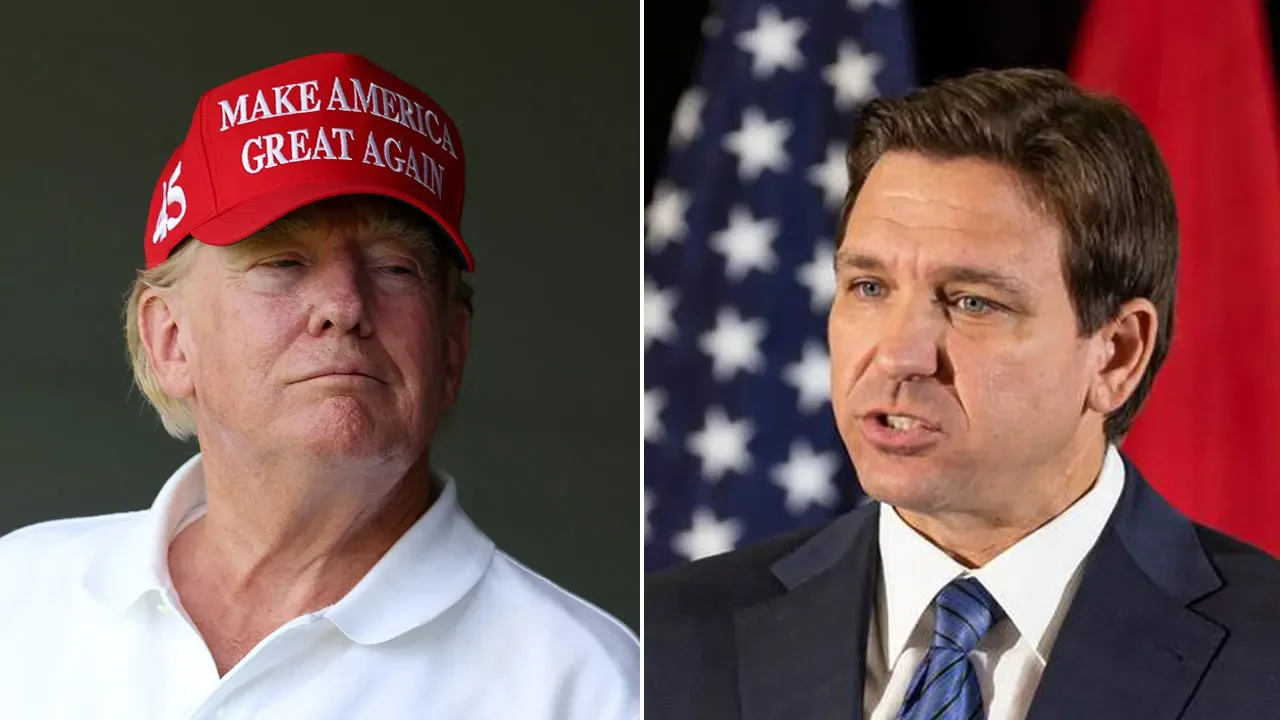
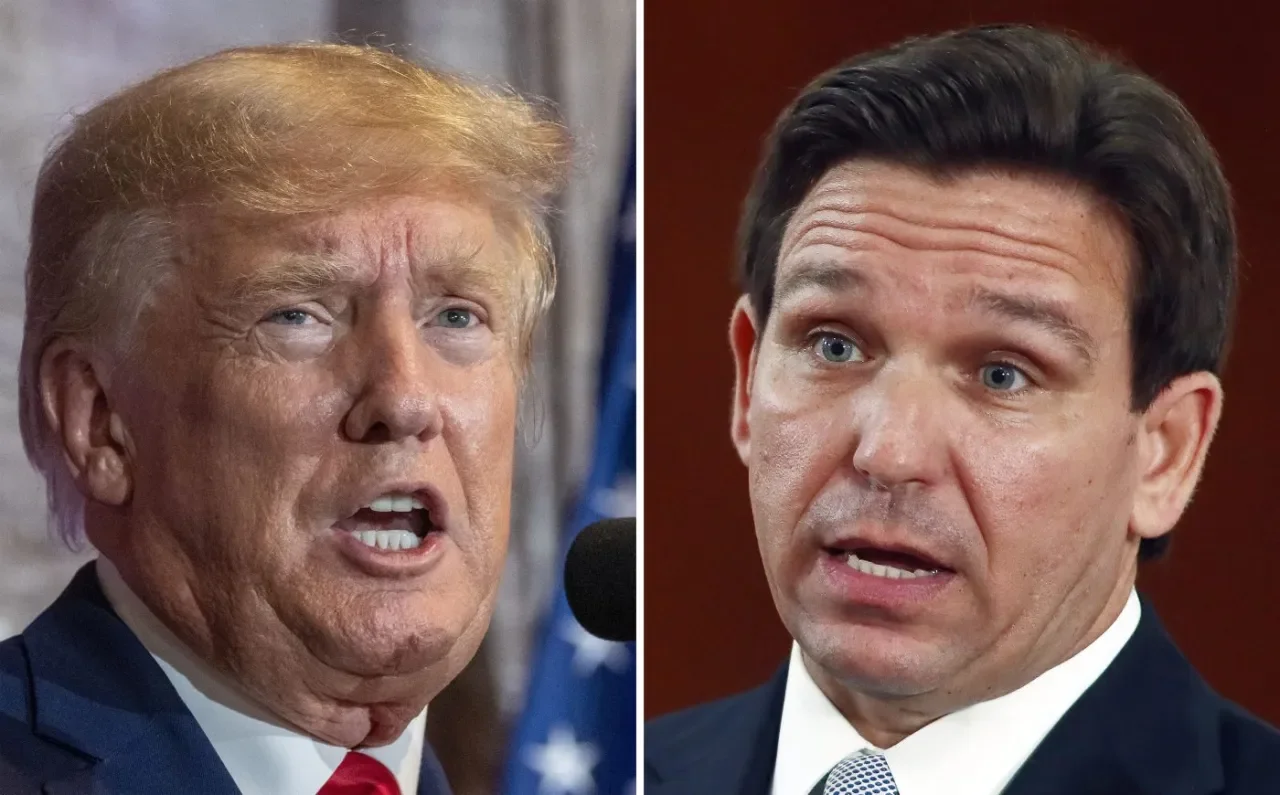
Florida Governor Ron DeSantis called former President Donald Trump's claims about crime in Florida "delusional" and defended his record on public safety and COVID-19. DeSantis also criticized Trump's support for the First Step Act, which he plans to repeal if elected president. The two are considered top candidates for the 2024 Republican presidential nomination. DeSantis argued that Trump's recent attacks on him show that he is the candidate who can beat him.
Florida Governor Ron DeSantis, who recently announced his candidacy for the 2024 presidential election, has said that he would push Congress to repeal the First Step Act, a criminal justice reform bill signed into law by former President Trump in 2018. DeSantis called the legislation a "jailbreak bill" and criticized its provisions for reducing mandatory minimum sentences and expanding credits for well-behaved prisoners. He argued that those who are in jail should serve their time and that releasing unrehabilitated prisoners early is a mistake. DeSantis' comments highlight his efforts to position himself as more conservative than Trump on certain issues.
Florida Governor Ron DeSantis, who recently announced his candidacy for the 2024 presidential election, said he would push to repeal the First Step Act, a criminal justice reform bill signed into law by former President Donald Trump. DeSantis criticized the bill, which reduced mandatory minimum sentences and aimed to reduce recidivism, as a "jailbreak bill" and argued that those in jail should serve their time. DeSantis's comments highlight his efforts to position himself as more conservative than Trump and appeal to primary voters.
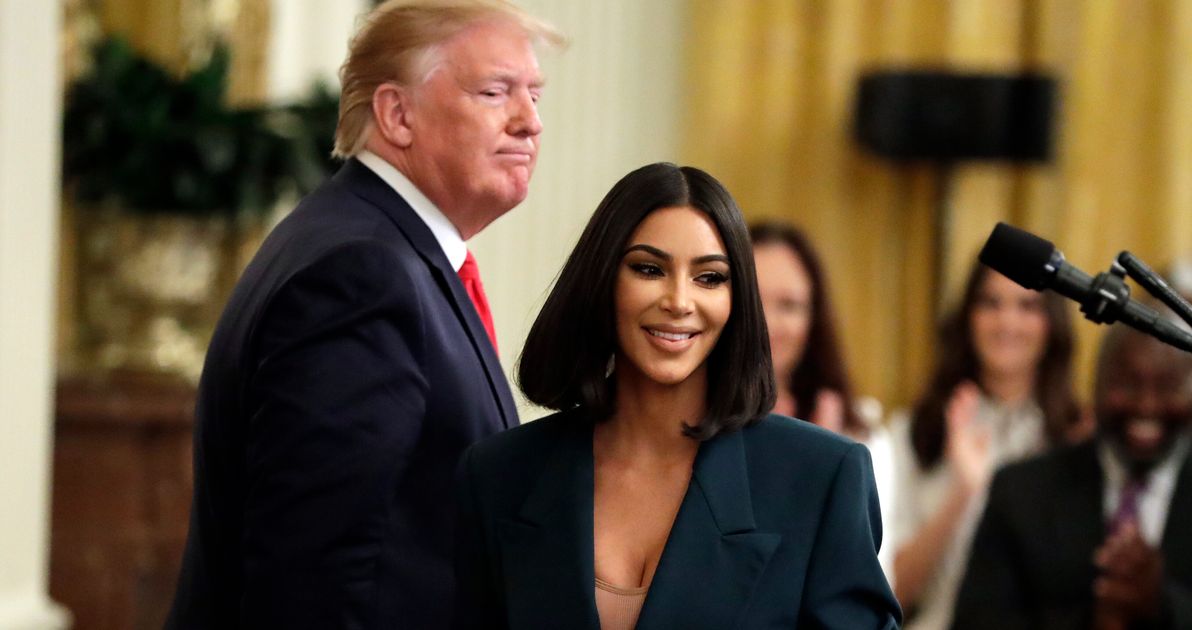
Kim Kardashian believes that her storytelling helped Donald Trump "open his heart" to criminal justice reform, and credited herself for convincing him to sign the First Step Act in 2018. However, the Trump administration oversaw 13 federal executions between 2016 and 2021, more than any president in the past 120 years.