Aisha Bowe, a rocket scientist, faces public backlash after her participation in Blue Origin's all-female spaceflight, which was widely covered and featured celebrities like Katy Perry and Gayle King.
"Cosmos," a new production by French theater director Maëlle Poésy, tells the story of the Mercury 13 space program through choreographed movement and acrobatic sequences, challenging conventional narratives and stereotypes about female astronauts. The play, presented at the Théâtre Gérard Philipe in Saint-Denis, France, creatively explores the space dreams of three Mercury 13 women and their struggle against gender inequality.
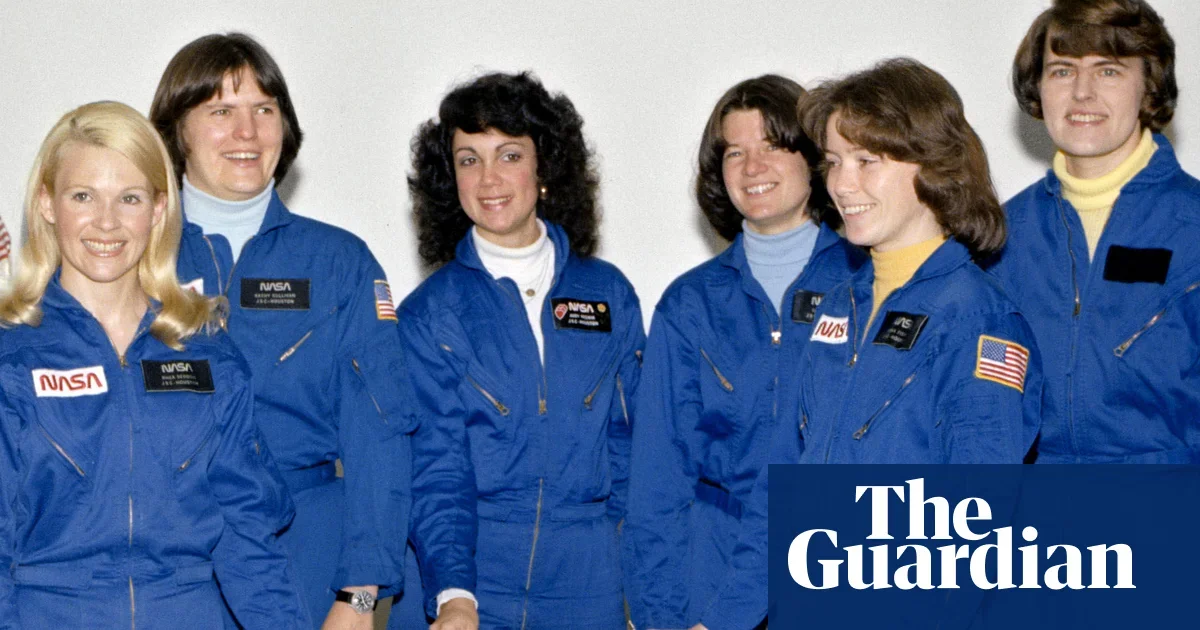
Loren Grush, author of a book on the first six American female astronauts, discusses the challenges they faced in entering the space program. Initially, women were excluded due to military restrictions and concerns about their mental well-being and ability to serve alongside men. The selection process involved rigorous testing and interviews, and the women had to navigate a male-dominated culture and face sexist questions from the press. Despite these obstacles, the women made significant contributions to space exploration, with some flying multiple missions and achieving groundbreaking milestones. However, there is still progress to be made in achieving gender and racial representation in space.
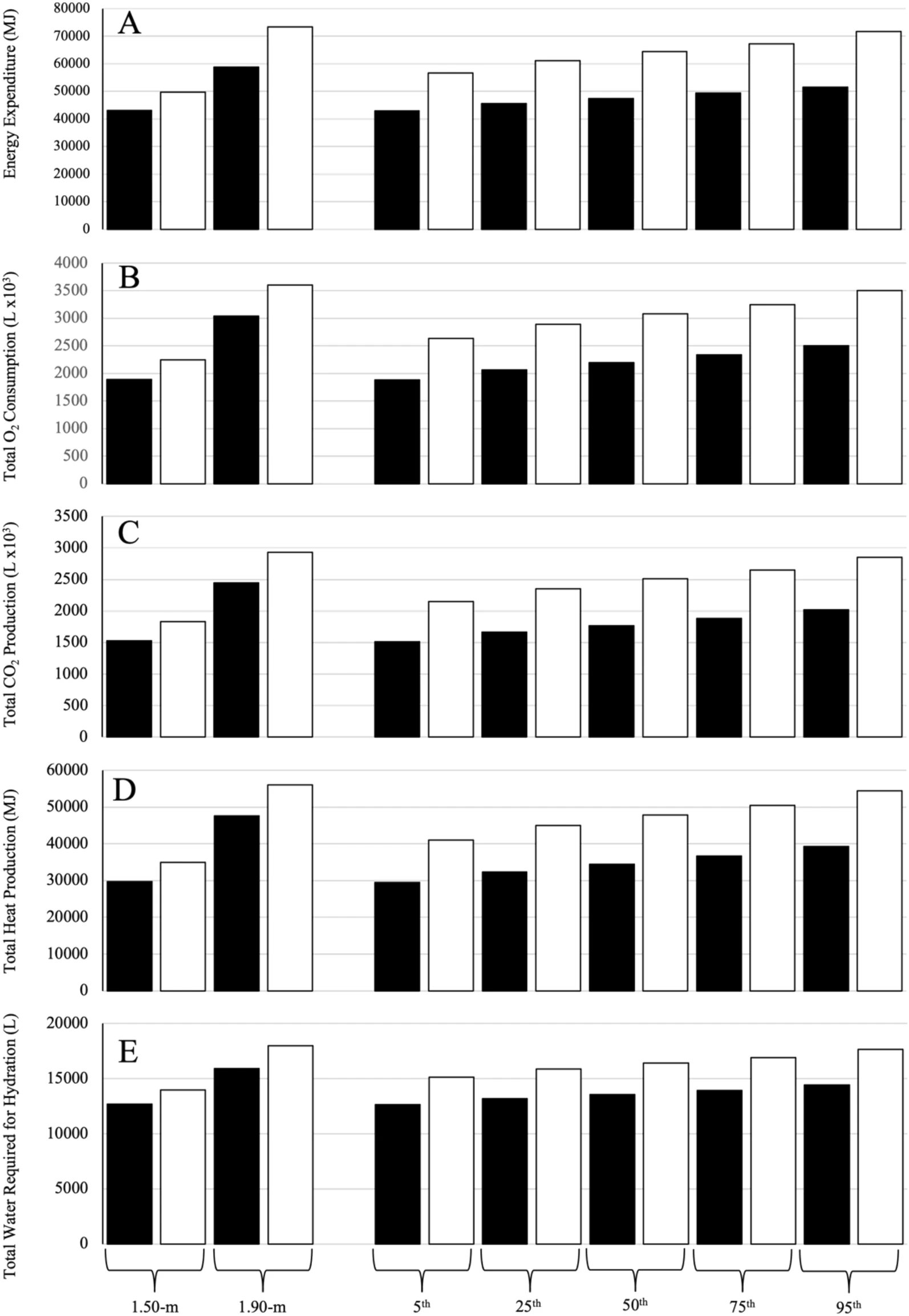
Researchers suggest that all-female astronaut crews would be more efficient for space exploration, as they use less oxygen and water, produce less carbon dioxide, and have a more efficient body type. A crew of four women on a 1,080-day mission to Mars would save $158 million on food and storage space. Women would also be less of a drain on resources than men. This thesis has been around since the 1950s, but it was 1983 before Sally Ride broke the gender barrier.
A study by the European Space Agency found that female astronauts are more efficient than their male counterparts in terms of water requirements for hydration, total energy expenditure, oxygen consumption, carbon dioxide and metabolic heat production during space exploration missions. The study suggests that all-female crews may be more efficient for future space missions, especially in smaller diameter habitat space, and could save millions of dollars in food weight and free up space.