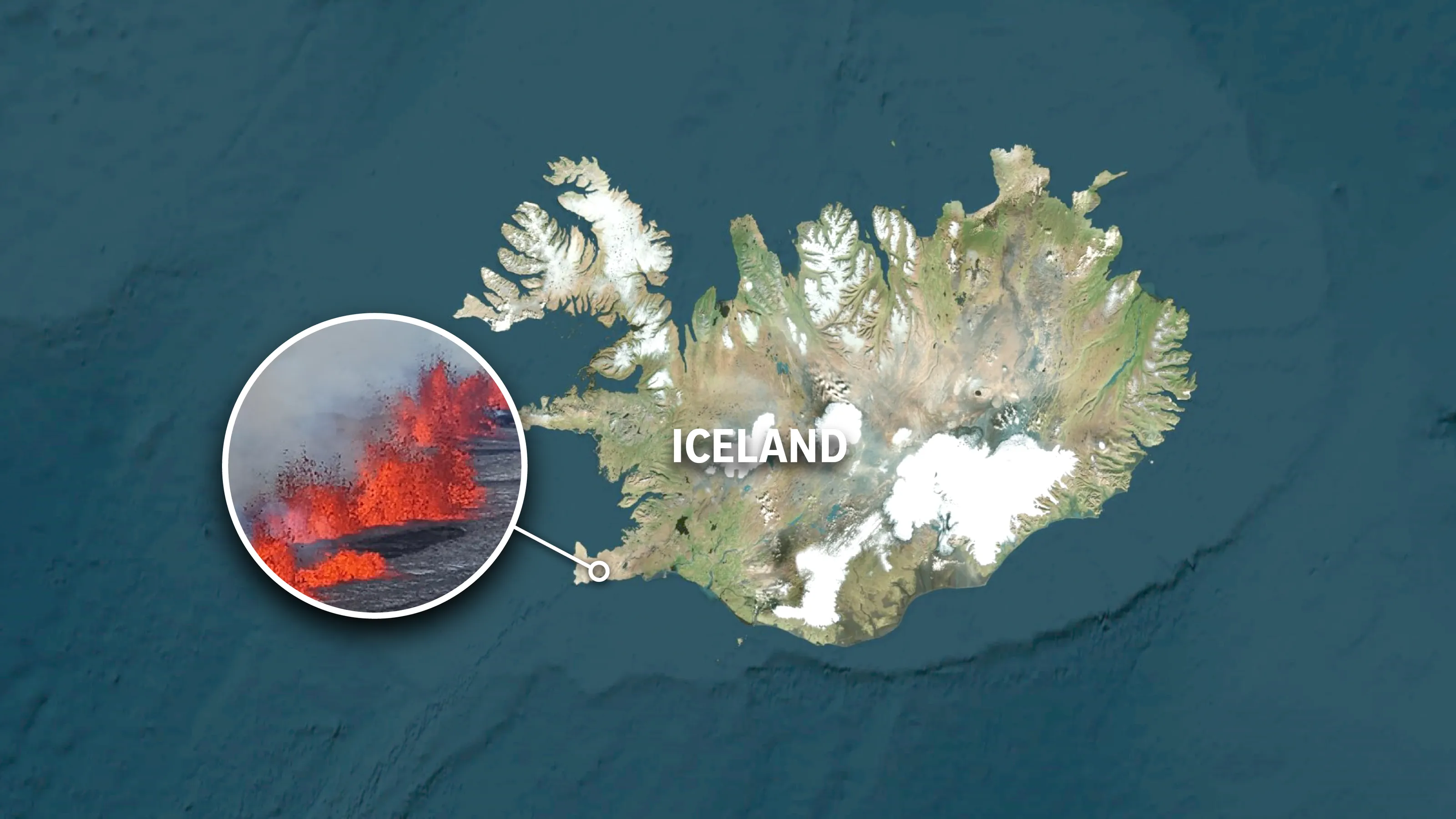
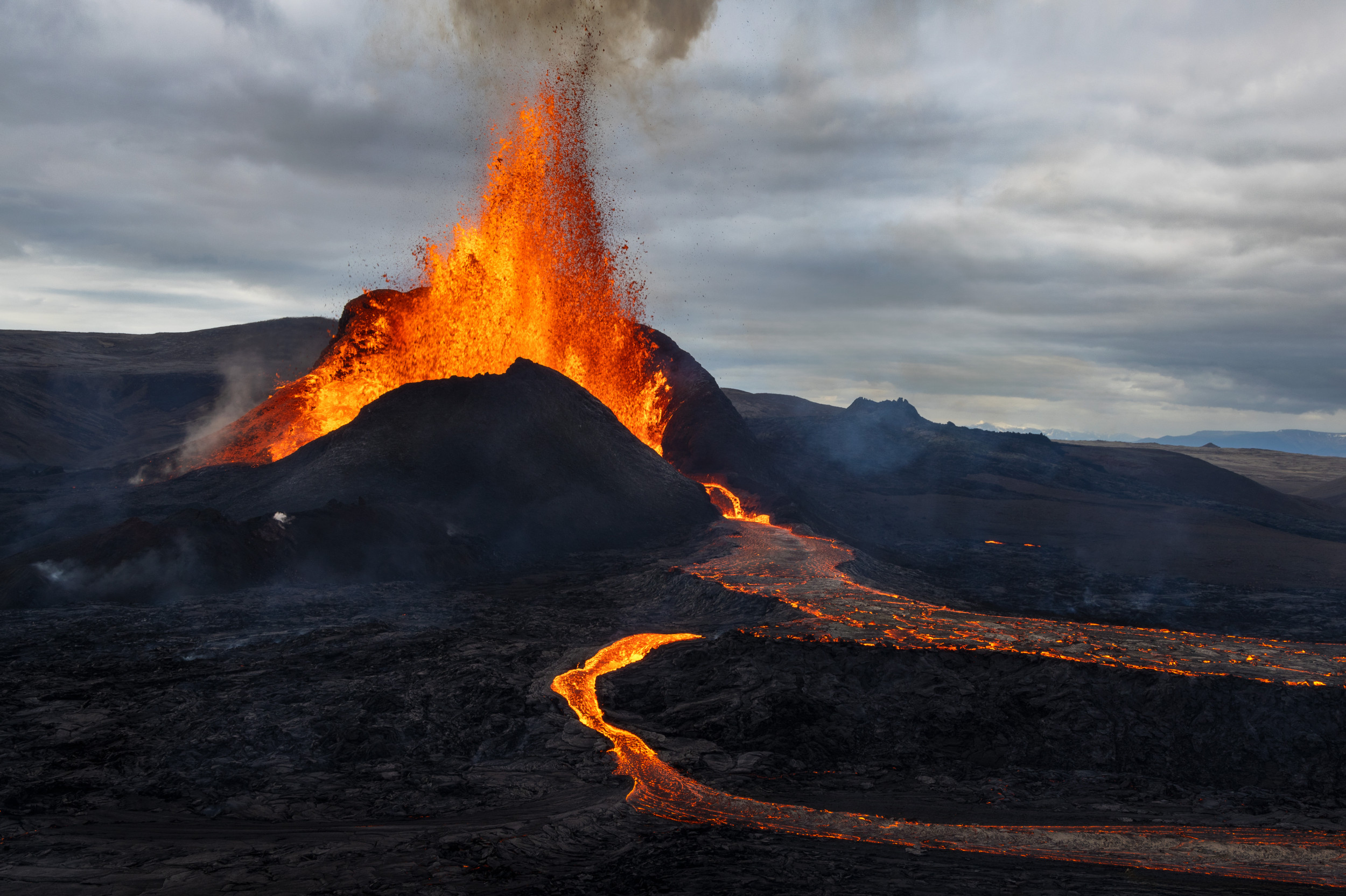
Iceland's latest volcanic eruption, the 12th since 2021, features a 2.4 km fissure spewing lava, captured dramatically by drone footage, with ongoing lava flows and minor seismic activity, posing local risks from wildfires and toxic gases.
A volcanic eruption has occurred in Iceland's Sundhúksgígar crater row, marking the ninth eruption in the area since 2021, prompting evacuations and causing gas pollution concerns, with spectacular drone footage capturing the event.
Scientists studying the 2021 eruption of Iceland's Fagradalsfjall volcano have proposed a new theory on how volcanic fountains form. They believe that low-lying volcanoes like Fagradalsfjall have a shallow magma-filled cavity beneath the caldera. As the magma rises, a layer of gas-induced foam forms, and when this layer collapses, it creates pressure that propels the magma into the air, resulting in lava fountains. This study brings scientists closer to understanding the formation of these captivating phenomena, which differ from fountaining events at other well-known volcanoes. Fagradalsfjall volcano has recently shown increased activity, prompting evacuations due to the potential threat of eruption.
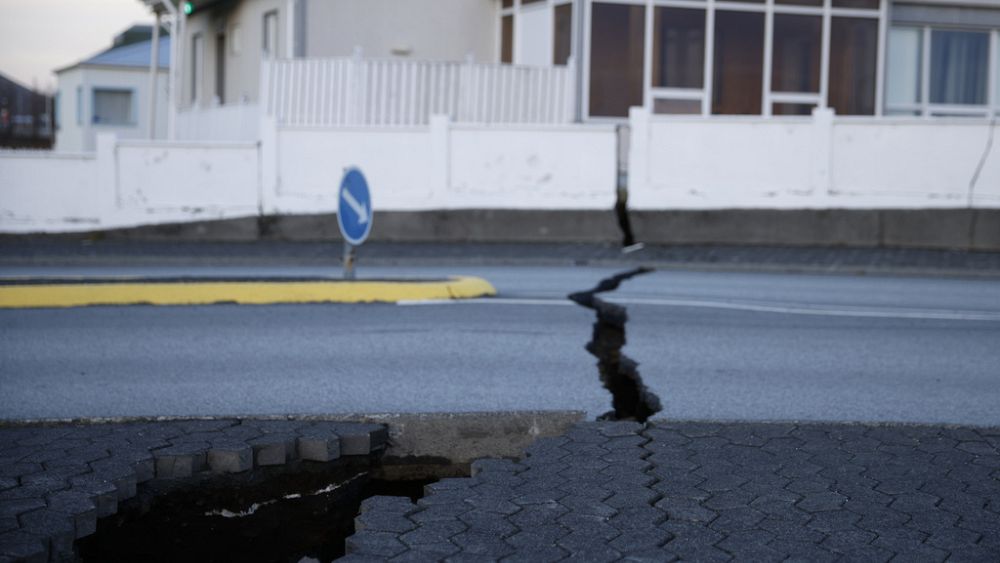
The town of Grindavik in Iceland's southwestern Reykjanes peninsula has been evacuated due to fears of an imminent eruption of the Fagradalsfjall volcano. With a fissure spanning 15 kilometers, authorities have declared a state of emergency and opened shelters and help centers in nearby towns. Residents were briefly allowed back into their homes to retrieve their most valued possessions, including livestock. Iceland, known for its 33 active volcanic systems, is closely monitoring the situation.