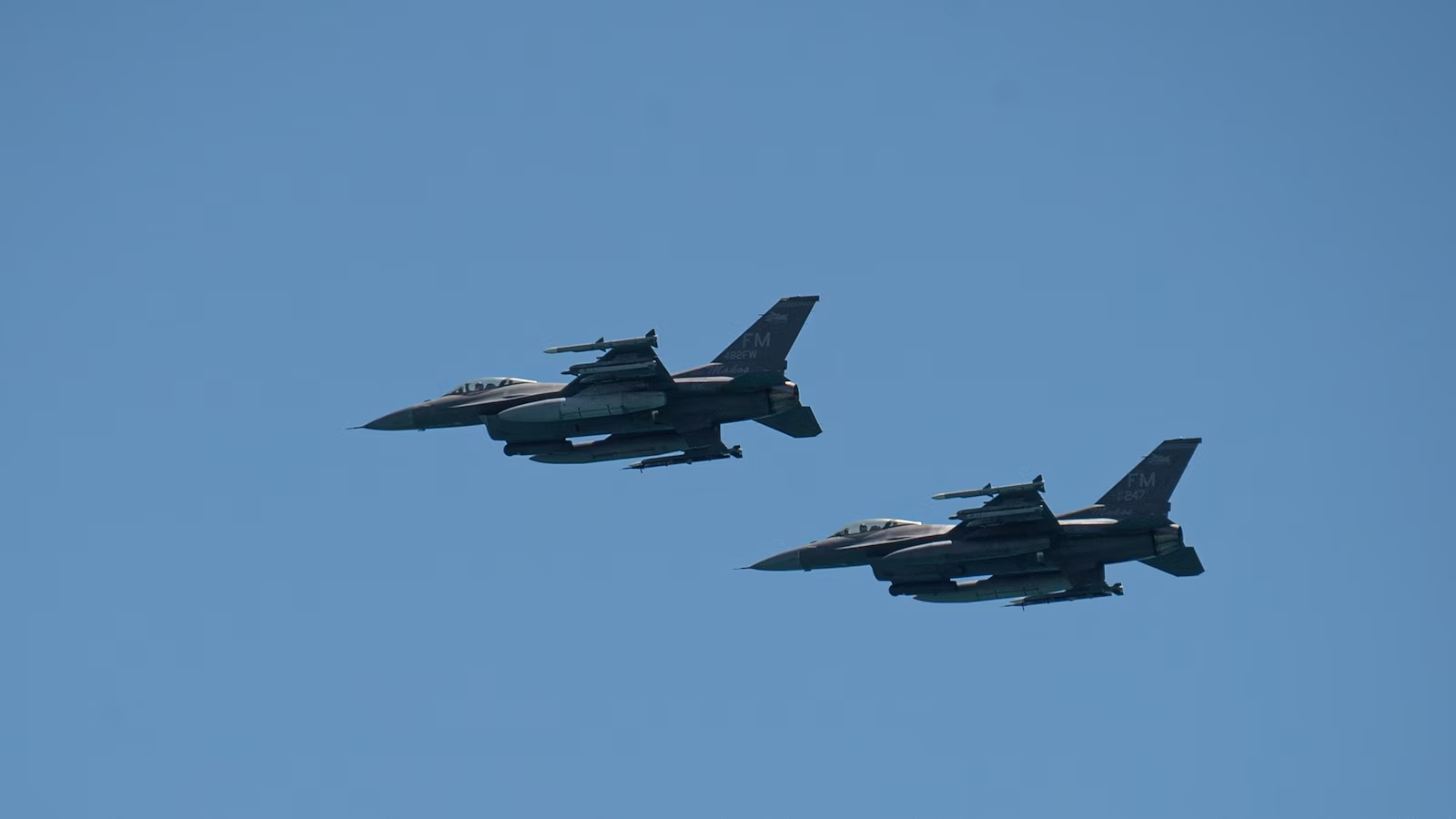
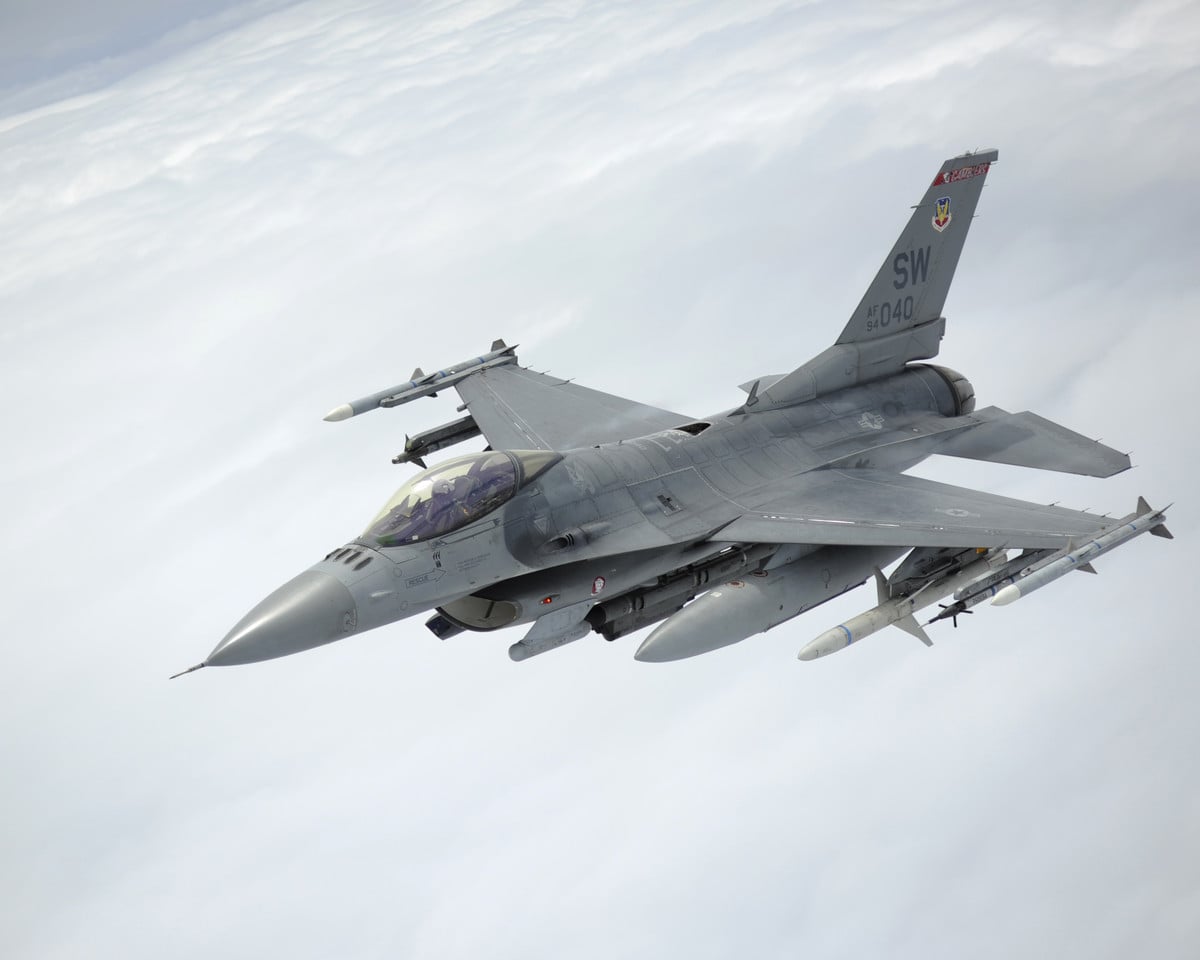
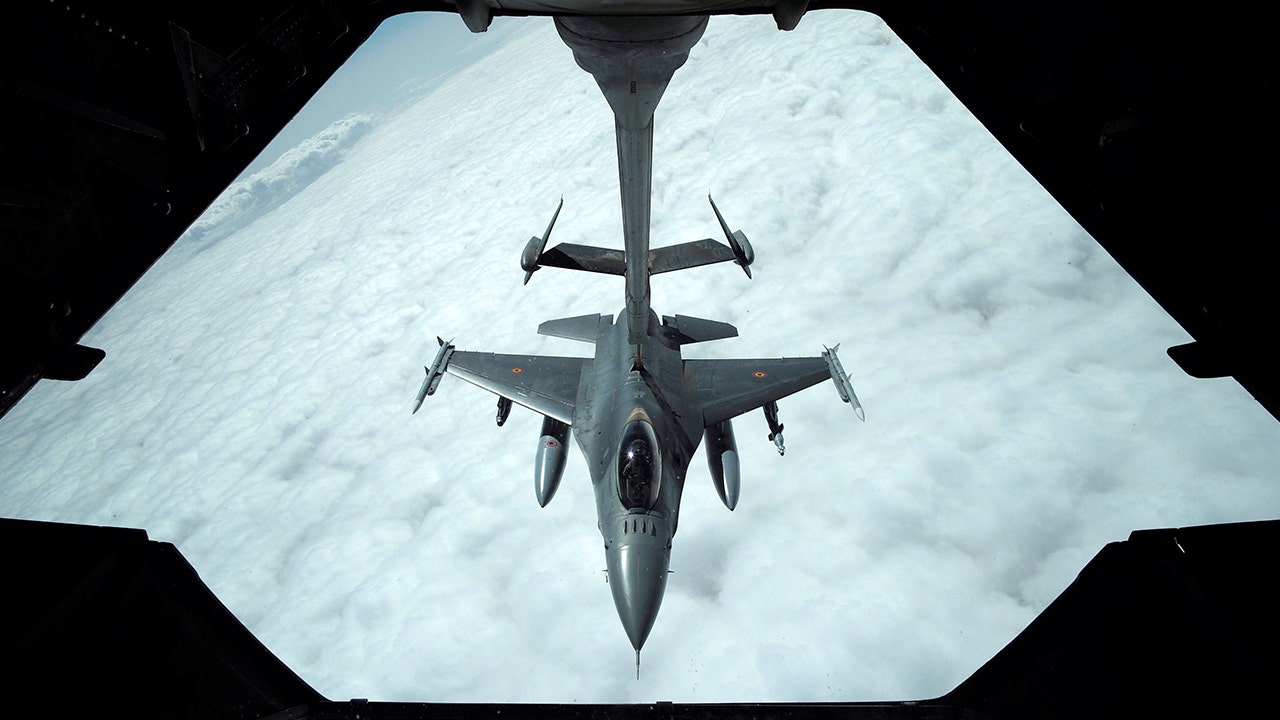
NORAD intercepted a Russian aircraft in the Alaskan Air Defense Identification Zone for the third time in a week, with F-16 fighters dispatched to identify the aircraft, which remained in international airspace and was not considered a threat.
Following extensive Russian drone and missile attacks on Ukraine's energy infrastructure, the country has imposed nationwide electricity consumption caps starting Monday. Critical infrastructure will remain unaffected, but regional outages may occur if limits are exceeded. The attacks have caused over $1 billion in damage, prompting Ukraine to seek increased energy imports from the EU. Additionally, reports of Russian human rights violations against Ukrainian POWs have surfaced. Meanwhile, Ukraine's successful strikes in Crimea and the potential use of F-16 fighters are reshaping the conflict dynamics, with varying restrictions from Western allies on their use.
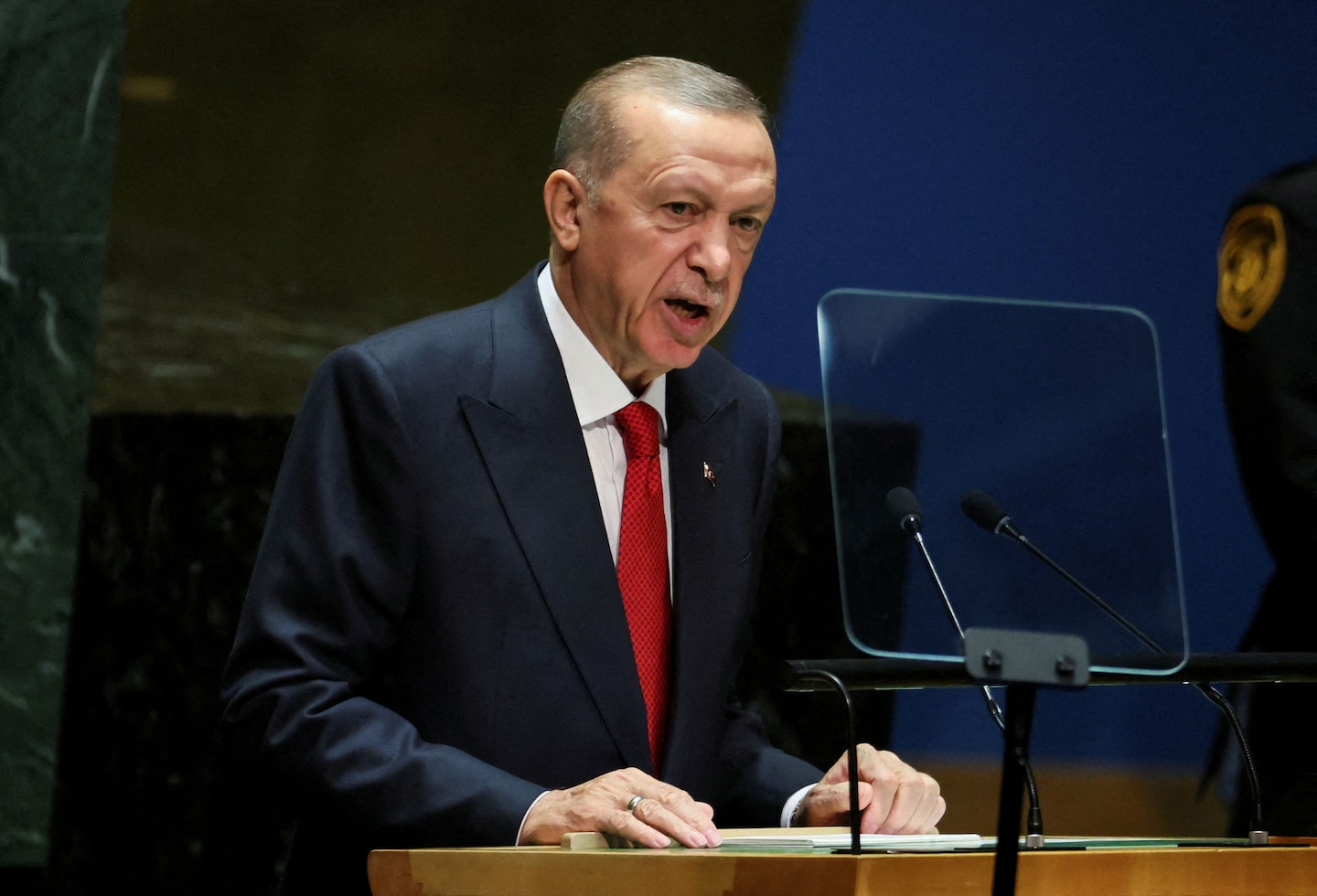
Turkish President Erdogan is obstructing Sweden's bid to join NATO, despite previously pledging to allow it. His obstructionism has also emboldened Hungary to threaten to impede Sweden's accession. Erdogan is using this as leverage to secure a $20 billion deal for US-made F-16 fighters. However, US President Biden has made it clear that Congress must approve the deal, and many members of Congress want Turkey to definitively lift its hold on Sweden's NATO membership before approving the F-16 deal. Erdogan's actions are benefiting Russian President Putin and risking Turkey's relationship with its NATO allies. Sweden has addressed Ankara's concerns and strengthened ties with NATO, but Erdogan's demands, including progress on Turkey joining the EU and a ban on burning the Quran in Sweden, are unlikely to be met. The best option is for Turkey to ratify Sweden's NATO membership and proceed with the F-16 deal.
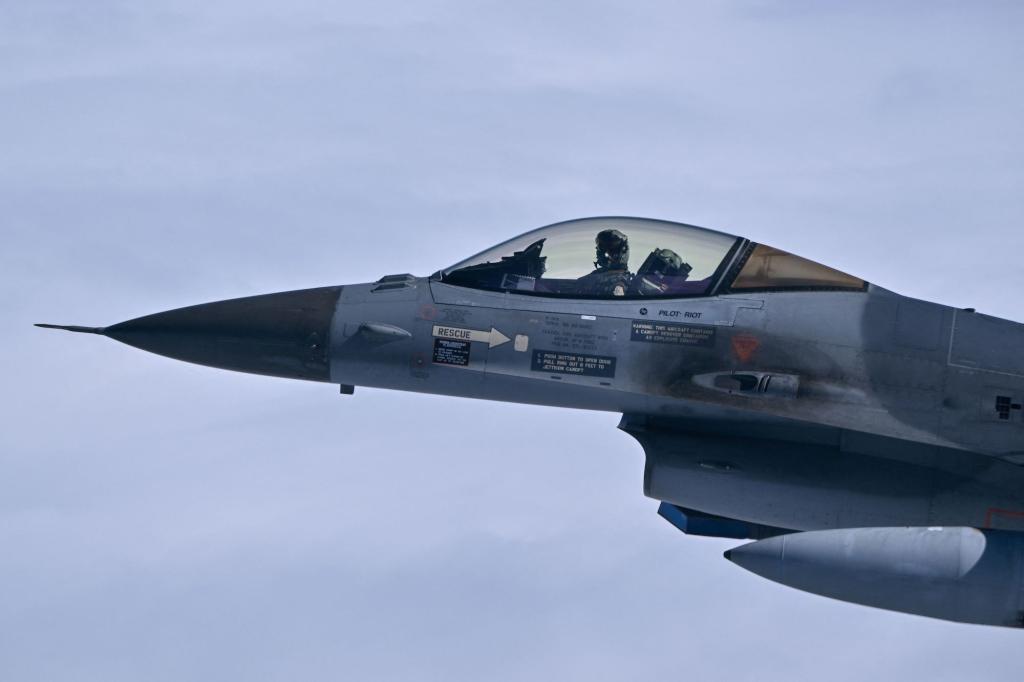
The US is deploying F-16 fighter jets to the Persian Gulf region to protect ships from Iranian seizures in the Strait of Hormuz. This comes after Iran attempted to seize two oil tankers near the strait, prompting the US Navy to respond and prevent the seizures. The F-16s will provide air cover to ships and increase the US military's visibility in the region to deter further Iranian actions.
The US is deploying F-16 fighter jets to the Persian Gulf region to protect ships from Iranian seizures in the Strait of Hormuz. This move comes after Iran attempted to seize two oil tankers near the strait, prompting the US Navy to respond and prevent the seizures. The F-16s will provide air cover to ships and increase the US military's visibility in the region to deter further Iranian actions.