President Trump has taken executive action leading numerous health systems across the U.S. to cease providing gender-affirming care and surgeries to minors, fulfilling his campaign promise to end what he described as child sexual mutilation.
Donald Trump has announced plans to pardon Jan. 6 rioters and attempt to end birthright citizenship on his first day back in office if re-elected. In an NBC interview, Trump expressed his intention to use executive action to challenge the 14th Amendment, which guarantees citizenship to those born in the U.S. Legal experts argue such actions would be unconstitutional, and litigation is expected if Trump proceeds.
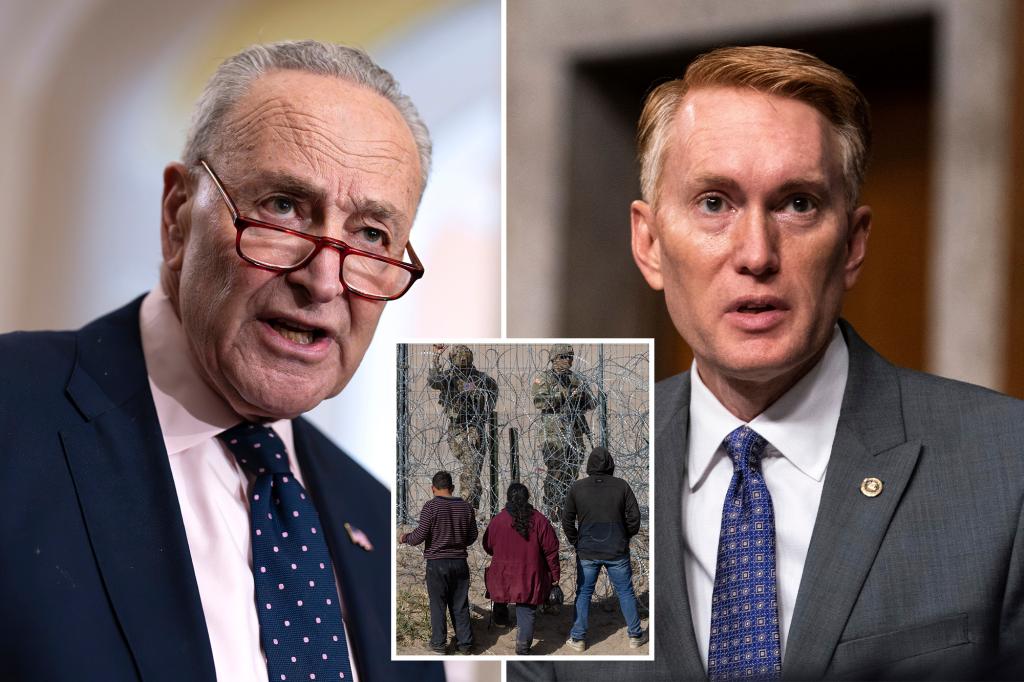
The Senate failed for the second time this year to pass a comprehensive US border security and immigration bill due to bipartisan opposition. With the bill's failure, President Biden is expected to move forward with executive actions to address border security, despite previously claiming he lacked the authority to do so. The bill's rejection has sparked blame from both parties, with Democrats accusing Republicans of not being serious about border security and Republicans criticizing Democrats for political maneuvering.
The Biden administration is finalizing an executive action to temporarily shut the southern border to migrants using Section 212(f) of the U.S. Code, contingent on Mexico's cooperation. The plan, which aims to stem illegal migration, is being coordinated with Mexican leaders and is expected to be unveiled after Mexico's June 2 presidential election. The administration anticipates legal challenges and stresses the need for bipartisan legislative support to effectively address border security.
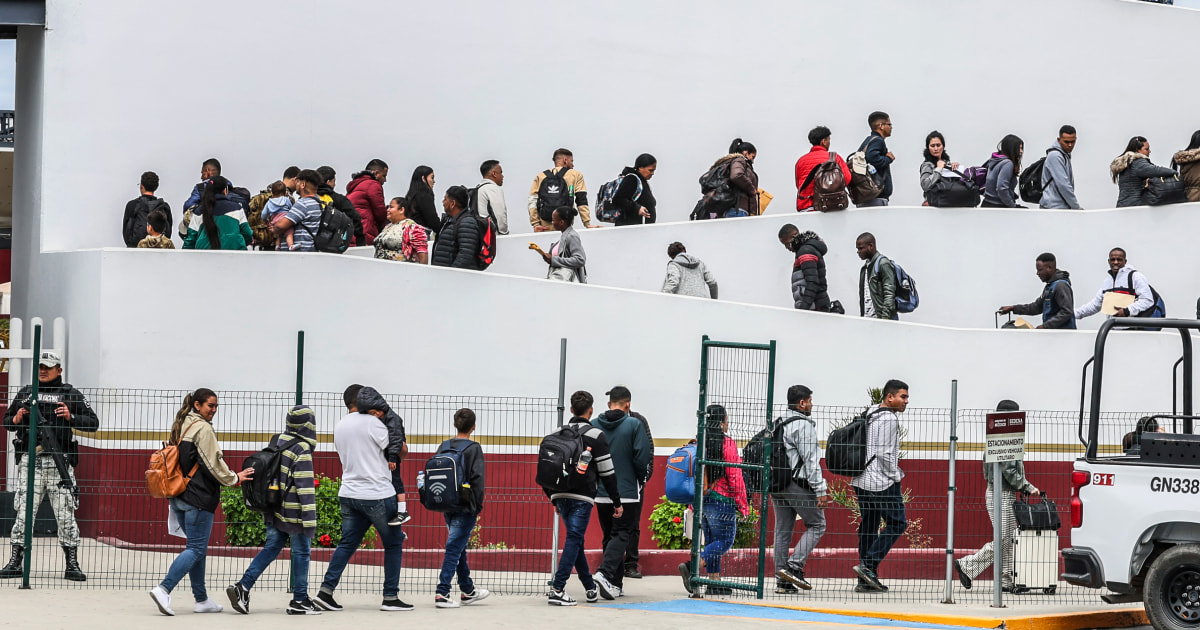
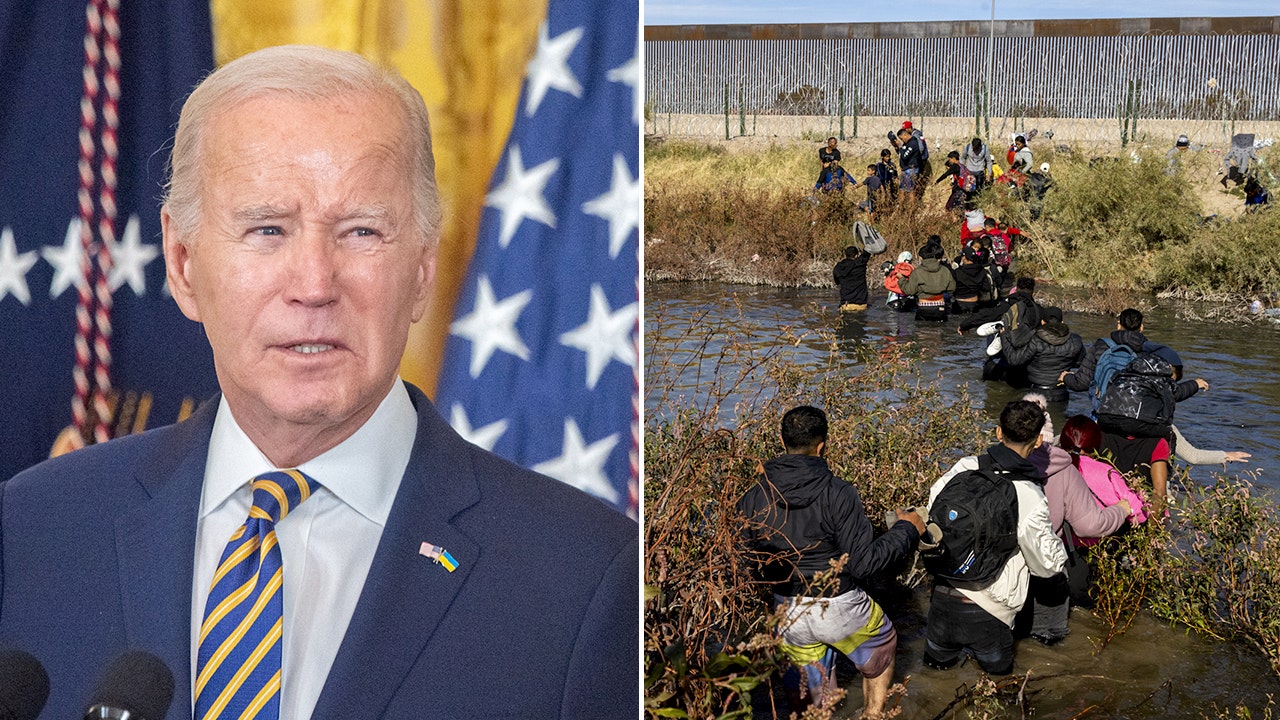
President Biden stated that he does not intend to take executive action to address the surge of migrants at the southern border, preferring to rely on Congress to find a solution after a bipartisan Senate bill failed to gain support. This comes after earlier indications that he might consider executive action. Biden has blamed Republicans for the border bill's failure and emphasized the need for bipartisan agreement, while nearly 7.3 million migrants have illegally crossed the southwest border during his presidency.
President Biden and former President Trump are both scheduled to visit the US-Mexico border on Thursday, with Biden planning to meet with Border Patrol agents and local leaders in Brownsville to discuss border agreements, while Trump is expected to give remarks at Eagle Pass. Biden's visit comes as he considers executive action to restrict migrants' ability to seek asylum, while Trump hopes to use the border as a political issue against Biden. The visits highlight the ongoing focus on immigration and border policies as both administrations seek to address the situation.
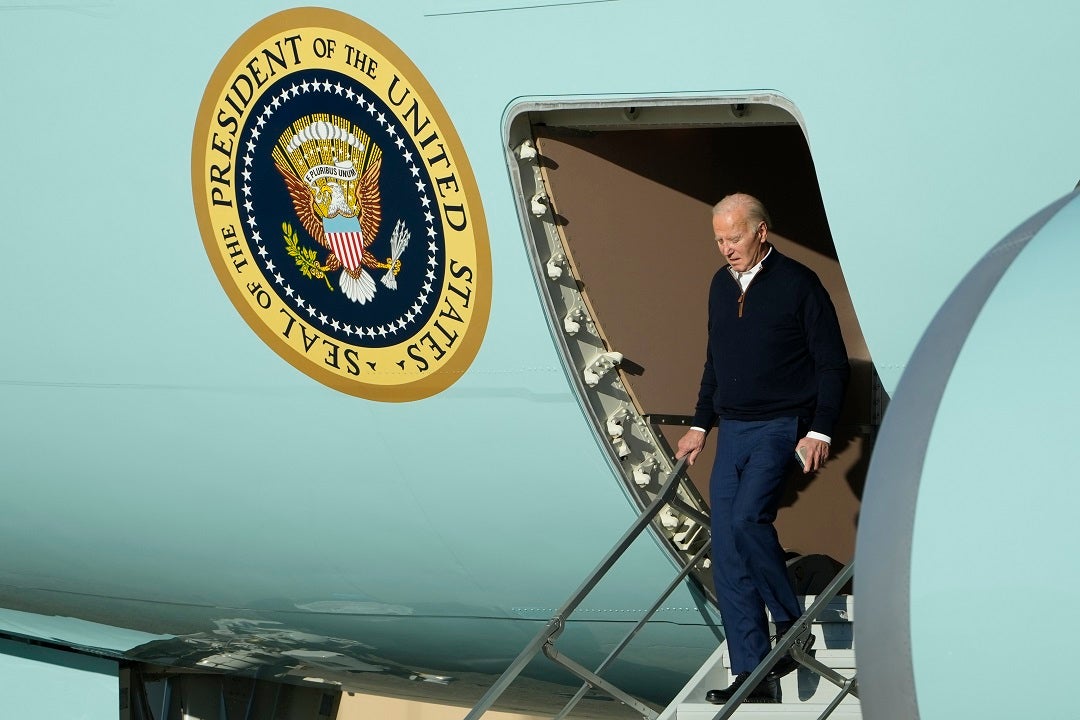
President Biden expressed frustration with the collapse of a bipartisan immigration deal in Congress and indicated he is exploring executive actions to address migration across the southern border. During a meeting with governors, he mentioned working with attorneys to understand the limits of his authority and potential executive actions. Biden's consideration of invoking Section 212(f) of the Immigration and Nationality Act has faced resistance from Justice Department lawyers, who are hesitant about potential legal challenges. While no decisions have been made, Biden's discussions with governors and his exploration of executive options reflect a focus on addressing immigration issues in the absence of congressional action.
President Biden is exploring executive actions to address the surge of migrants at the southern U.S. border, but is facing legal constraints and funding limitations. A failed Senate compromise aimed at empowering the administration to turn away asylum-seekers and provide border personnel funding has left the White House considering its next steps. Biden expressed frustration at the lack of legal clarity on potential executive actions during a meeting with governors, who acknowledged the limitations of unilateral actions and the need for congressional solutions. Immigration experts note the challenges of implementing effective deterrence measures and the likelihood of legal challenges to unilateral actions.
President Joe Biden is considering using executive authority to restrict migrants' ability to seek asylum if they cross the southern border illegally, prompting backlash from progressives and immigration advocates. This move comes as Biden faces pressure to address the border crisis and navigate the issue during the 2024 election. The potential use of federal immigration powers, previously deployed by former President Donald Trump, has raised concerns about the legality and impact on vulnerable communities. Despite the push for stronger border enforcement, Biden's consideration of executive action has drawn criticism from progressive voters and some Latino voters, adding to existing discontent over his support for Israel.
The Biden administration is considering executive action to address the ongoing border crisis after a bipartisan Senate bill failed to gain support, with potential plans drawing criticism from both immigration activists and Republicans. Options being explored include using the 1952 Immigration and Nationality Act to restrict certain categories of foreigners and raising the bar for initial asylum screenings. However, the reported plans have faced backlash from both the left and the right, with some accusing Biden of adopting Trump-like policies and others criticizing the potential measures as lacking due process for asylum seekers.
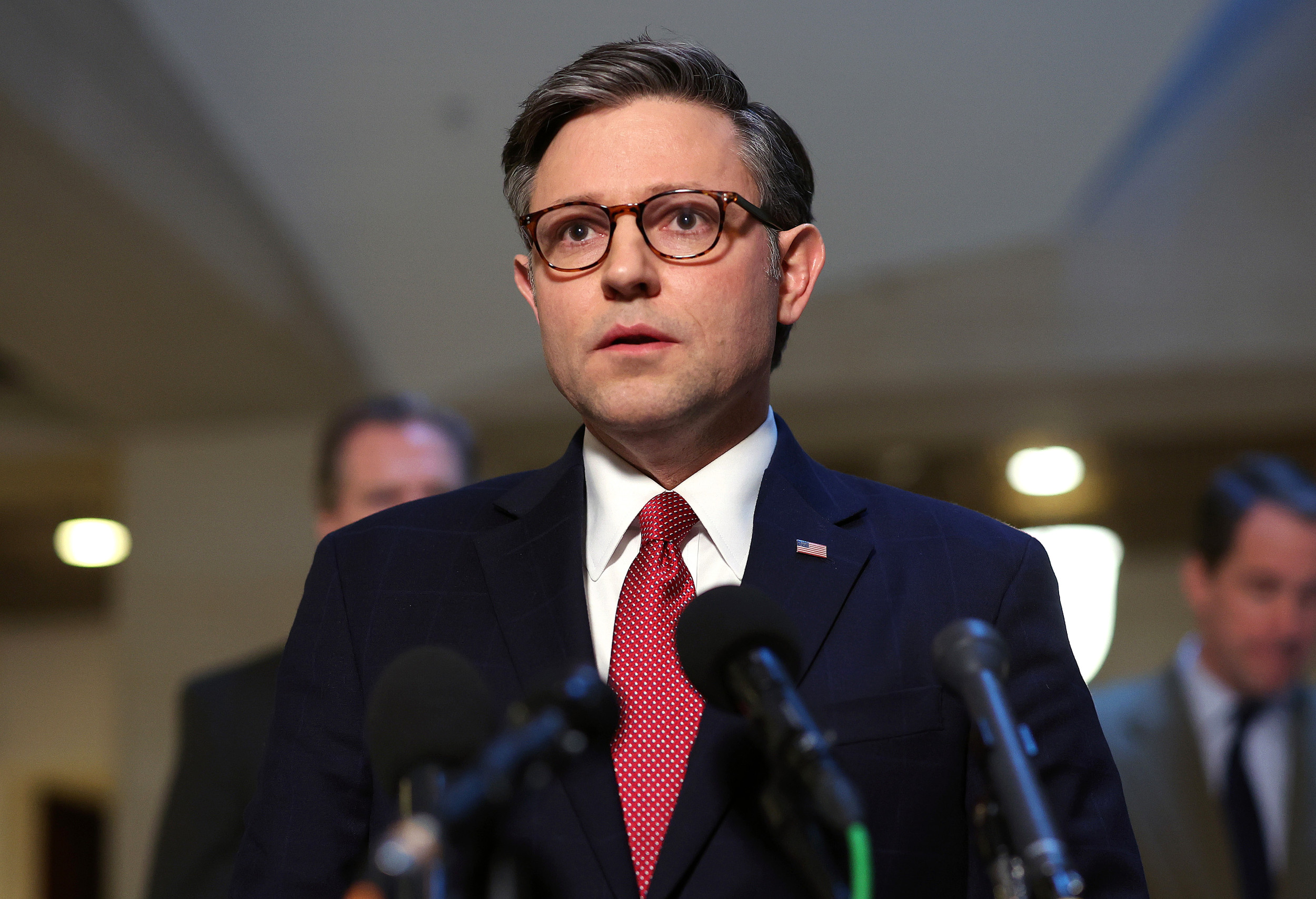
House Speaker Mike Johnson criticizes President Joe Biden for considering changes to immigration policy, calling it "election year gimmicks" and accusing Biden of waiting until 2024 to address the border crisis. The White House responds, accusing Johnson of playing politics with border security. Reports suggest Biden may use executive action to address the border crisis, with immigration becoming a key issue for his reelection campaign. Democrats hope immigration won't derail a second Biden term, while Republicans criticize the delay in passing border security legislation.
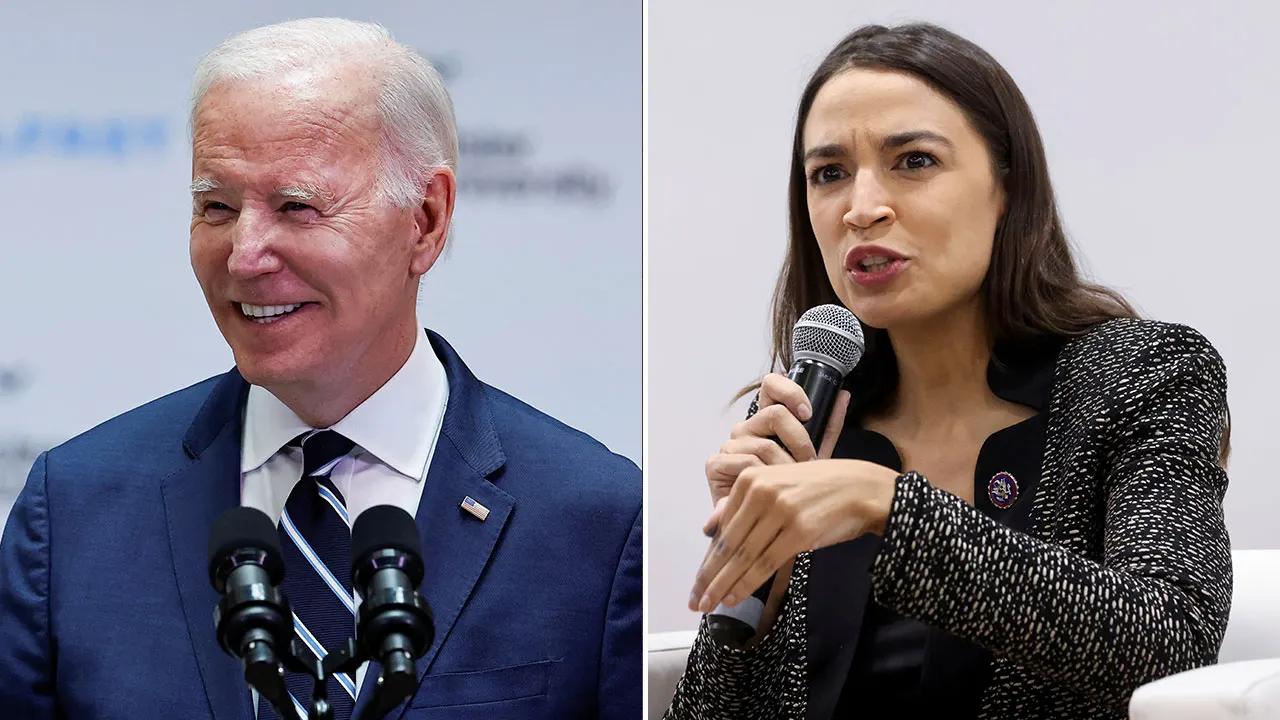
Rep. Alexandria Ocasio-Cortez criticizes President Biden for considering executive action to address the migrant crisis at the U.S.-Mexico border, comparing his approach to former President Trump's immigration policies. Democrats are increasingly frustrated with Biden's willingness to crack down on the overwhelmed asylum system, while Republicans accuse him of making the crisis worse by rolling back Trump administration policies. The border issue is becoming a top concern for 2024 voters, with nearly eight in 10 voters considering it a significant issue.
Senator Ron Johnson dismissed the possibility of President Biden taking executive action on the border as "election year gimmicks," suggesting that the administration should instead focus on addressing the root causes of migration and securing the border through legislative action.
President Biden is considering new executive actions to address the record migration at the southern border after congressional Republicans blocked border legislation. The potential actions may involve provisions of federal immigration law previously used by former President Trump, which could provoke backlash from progressives and immigration advocates. The Biden administration is exploring options to restrict migrants' ability to claim asylum in the U.S. if they cross the border illegally, similar to the bipartisan border legislation that was blocked in the Senate. The issue of immigration is becoming a key focus for the 2024 presidential election, with a recent poll showing widespread dissatisfaction with the government's handling of the situation at the border.
The White House is considering using executive action to restrict migrants' ability to seek asylum at the US-Mexico border if they crossed illegally, a move reminiscent of Trump-era policies. This comes as President Biden faces ongoing challenges with migration at the border. The proposed action involves using an authority known as 212f to clamp down on unlawful border crossings, but no final decision has been made. The administration is also facing challenges in securing border security funds, with discussions about declaring a national emergency to shore up funds.