A Tesla supplier, L&F, significantly reduced its long-term battery materials contract due to delays in Cybertruck development and changing market conditions, reflecting a 99% decrease in supply expectations, which impacted its stock price.
Ford is confident in achieving its two million EV run rate goal by the end of 2026, despite concerns over EV battery supply. The automaker has secured deals with three lithium industry leaders, including Albermarle, Nemaska Lithium, and SQM, to support its initiatives. Ford is focusing on smaller batteries with better performance and has secured 240 GWh of battery cell capacity globally. The company is also investing in recycling capabilities in the US to support the EV rollout going forward.
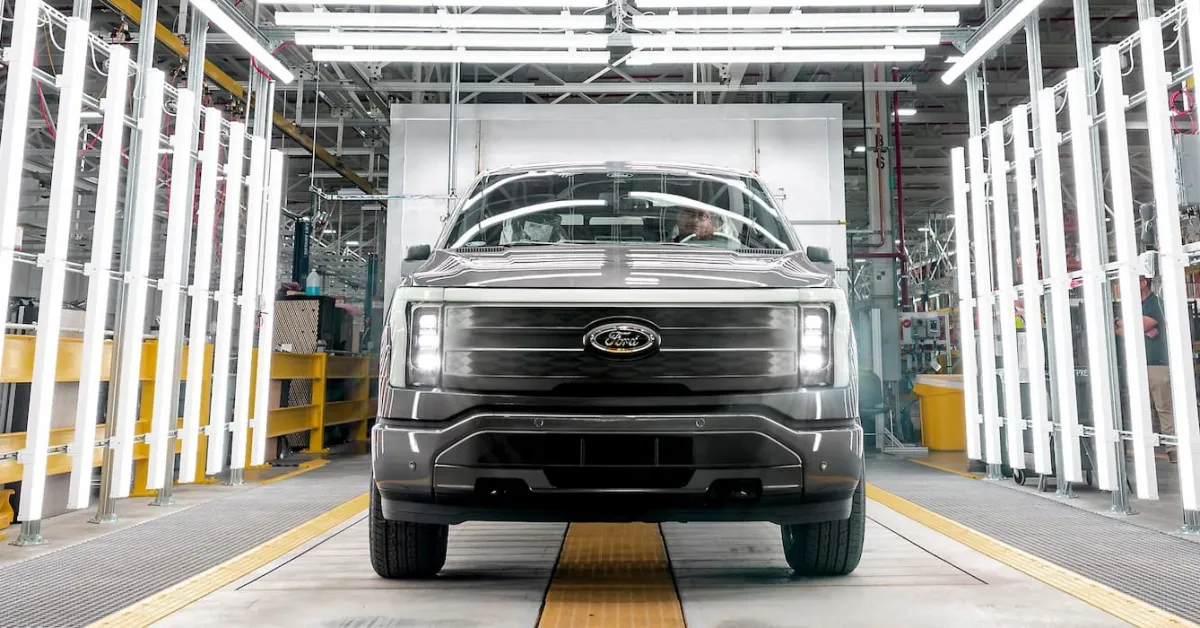
Ford CEO Jim Farley cites battery supply as the constraint to accelerating EV production, emphasizing the need to build out a supply chain in the US for critical battery minerals. Despite ongoing battery constraints, Ford is aiming to produce 2 million EVs annually by late 2026. The automaker continues manufacturing massive batteries, upwards of 140 kWh, for its full-size electric truck, the F-150 Lightning. Ford is building out its domestic supply chain and manufacturing capabilities to streamline production, cut costs, and put the company in a position to succeed in the increasingly competitive EV market.