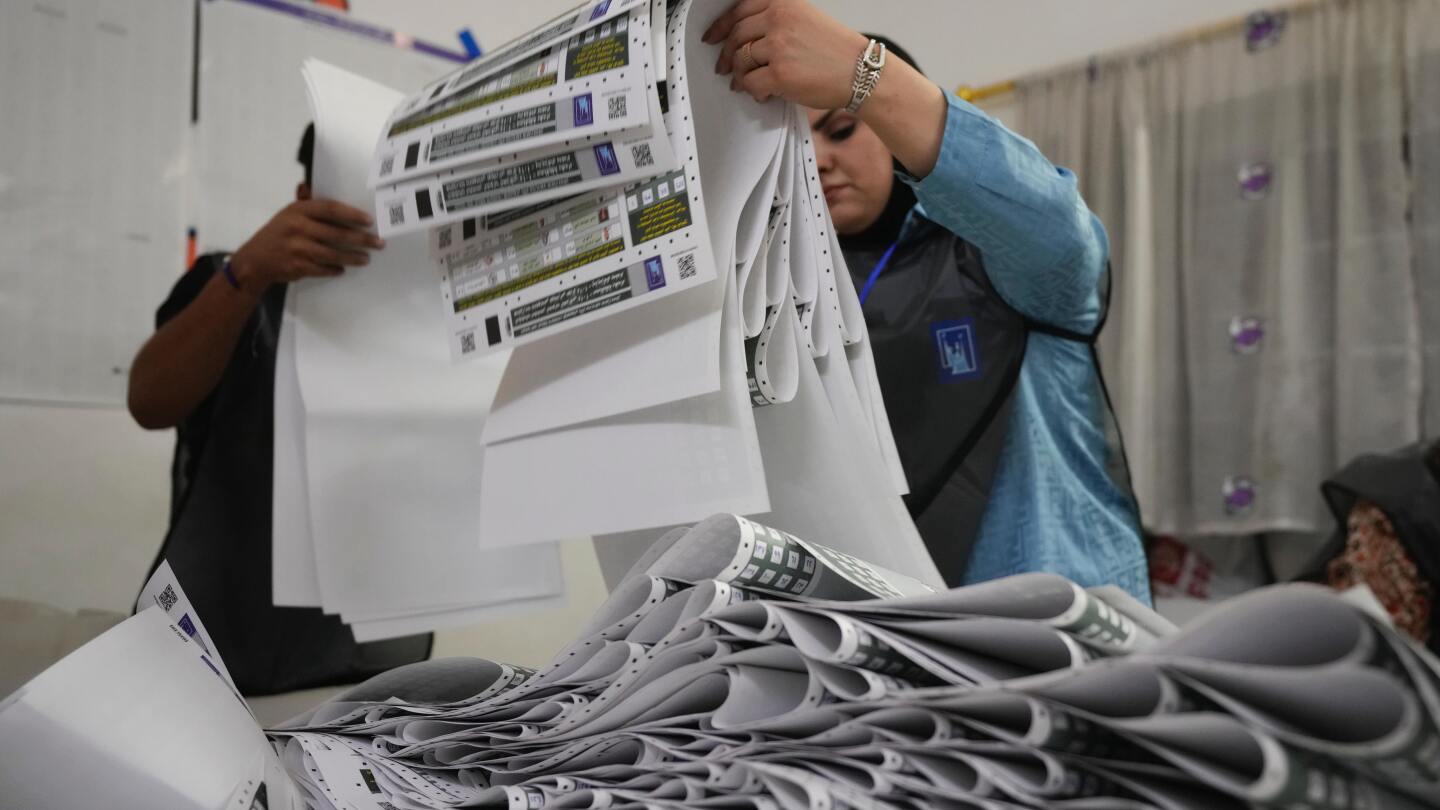
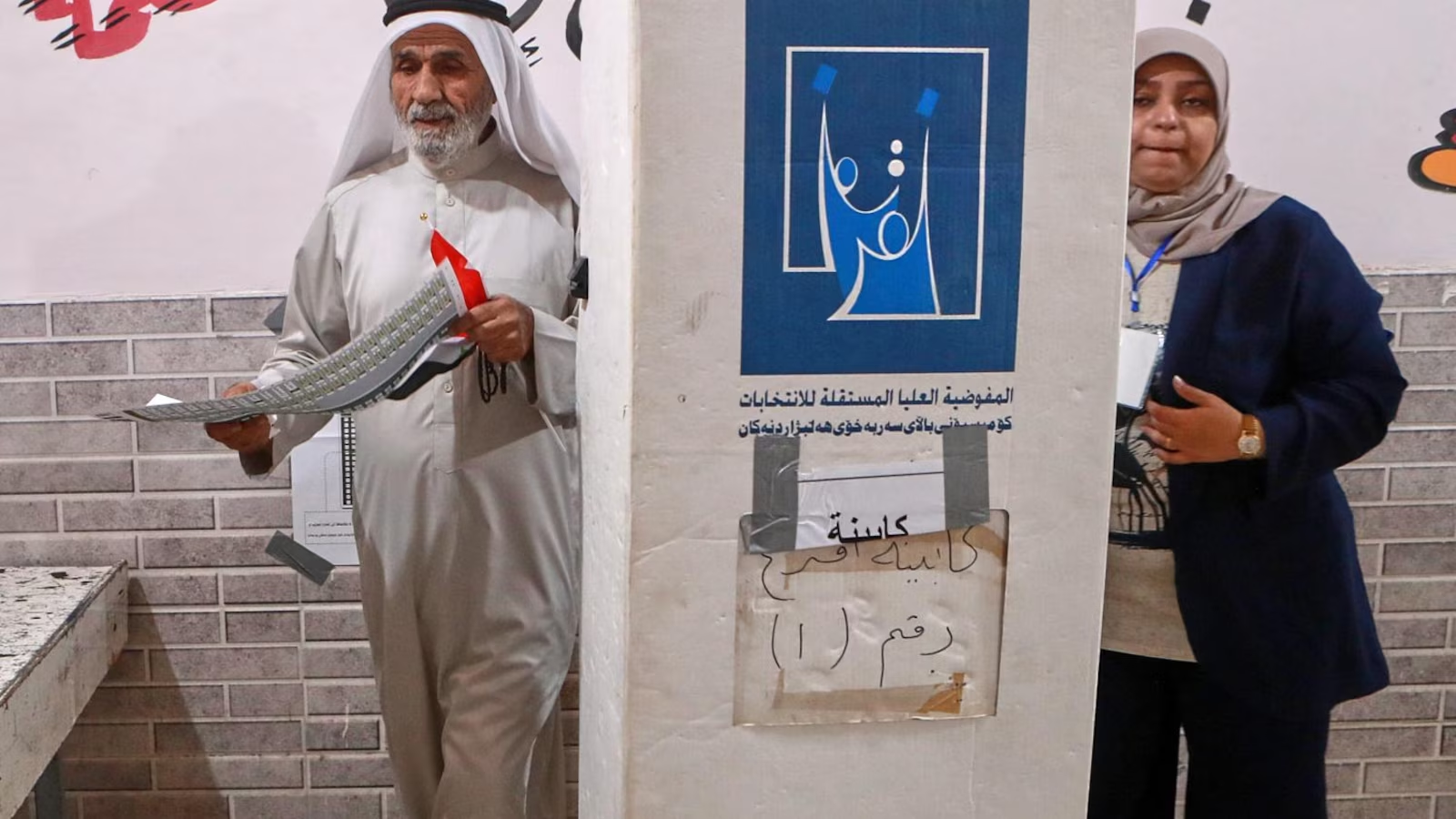
Iraq's parliamentary election saw low turnout and a major boycott by Muqtada al-Sadr's Sadrist Movement, amid security concerns and regional tensions, with violence in Kirkuk and widespread apathy among voters.
Iraq's parliamentary election saw low voter turnout due to tight security and a boycott by the Sadrist Movement led by Muqtada al-Sadr, amid regional conflicts and political tensions, with concerns over legal challenges to the election date.
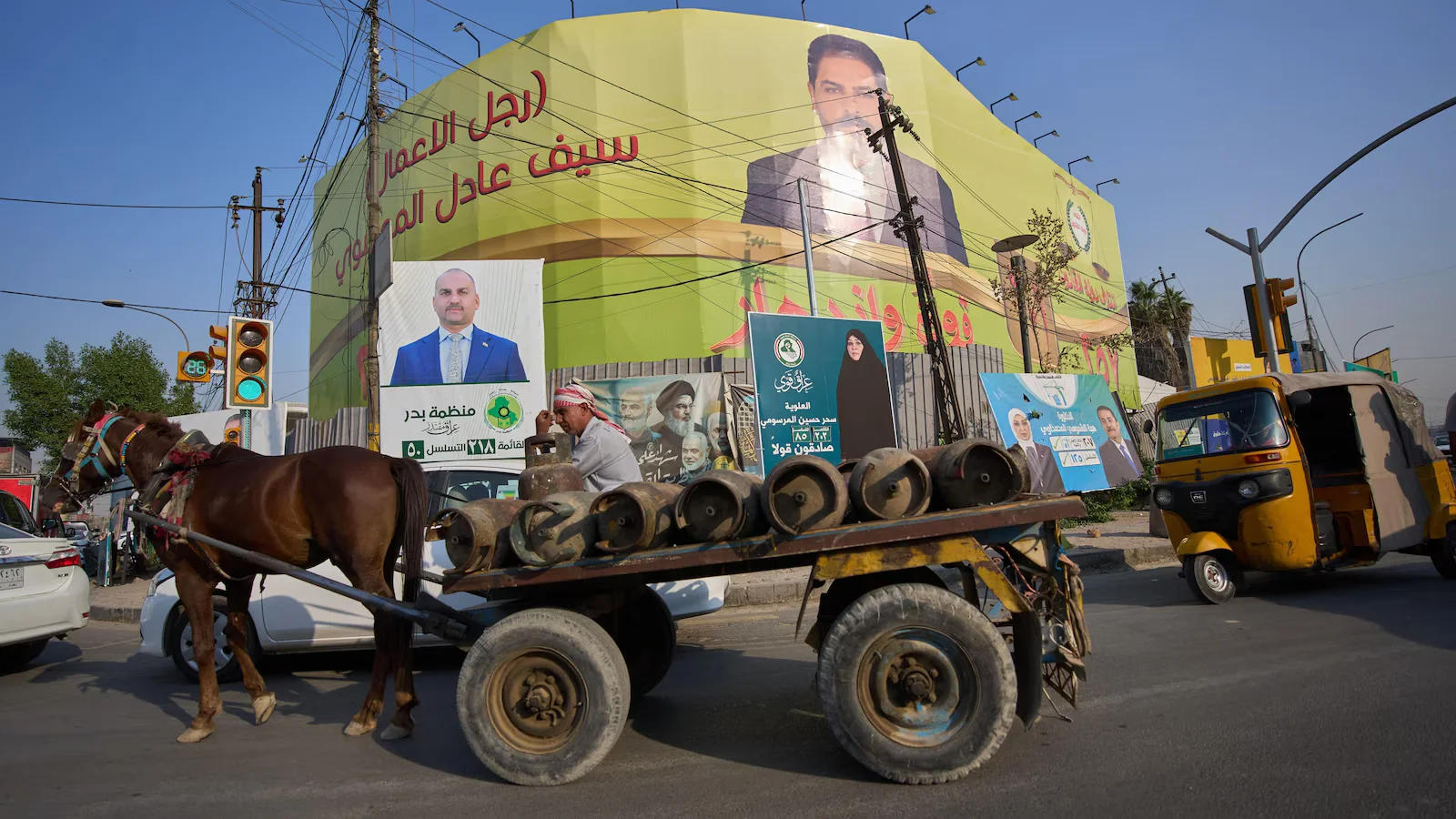
Iraq is holding a crucial parliamentary election amid regional tensions, political divisions, and public discontent over services and corruption, with the outcome potentially affecting Prime Minister al-Sudani's chances for a second term and the country's balancing act between Iran and the US.
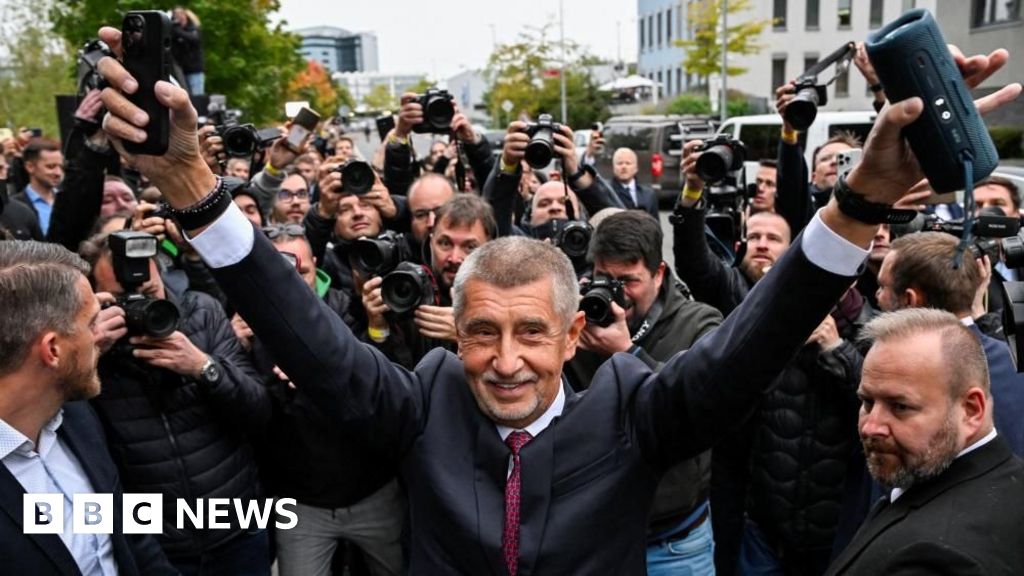
Andrej Babis' populist ANO party wins the Czech parliamentary election with nearly 35% of the vote, but falls short of a majority, leading to potential coalition negotiations with right-wing parties, particularly the Motorists for Themselves and the SPD, amid ongoing political uncertainties.
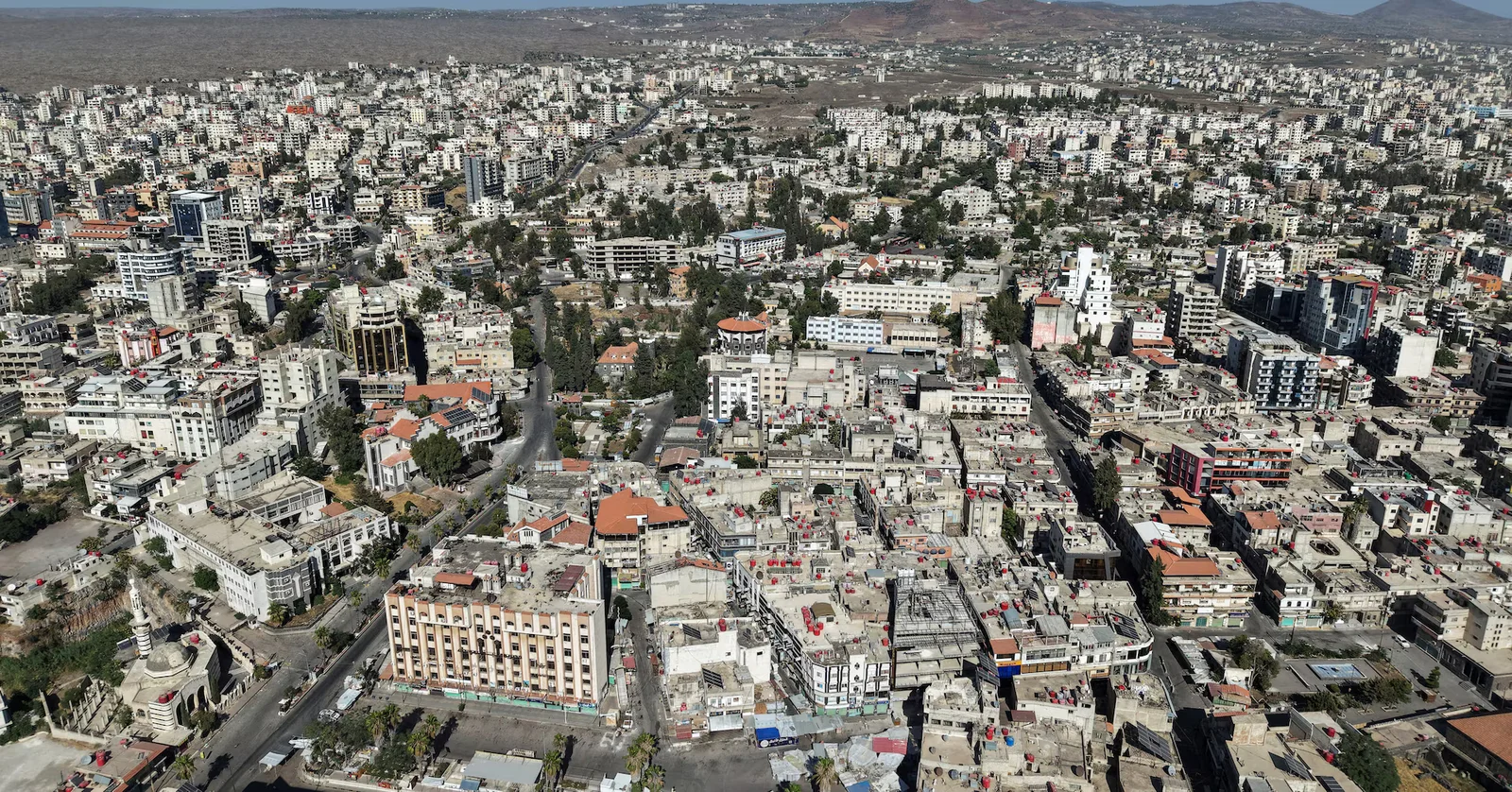
Syria's upcoming parliamentary elections scheduled for September are delayed in Sweida and other provinces due to security concerns following sectarian clashes and violence, with elections postponed until a safe environment is restored.
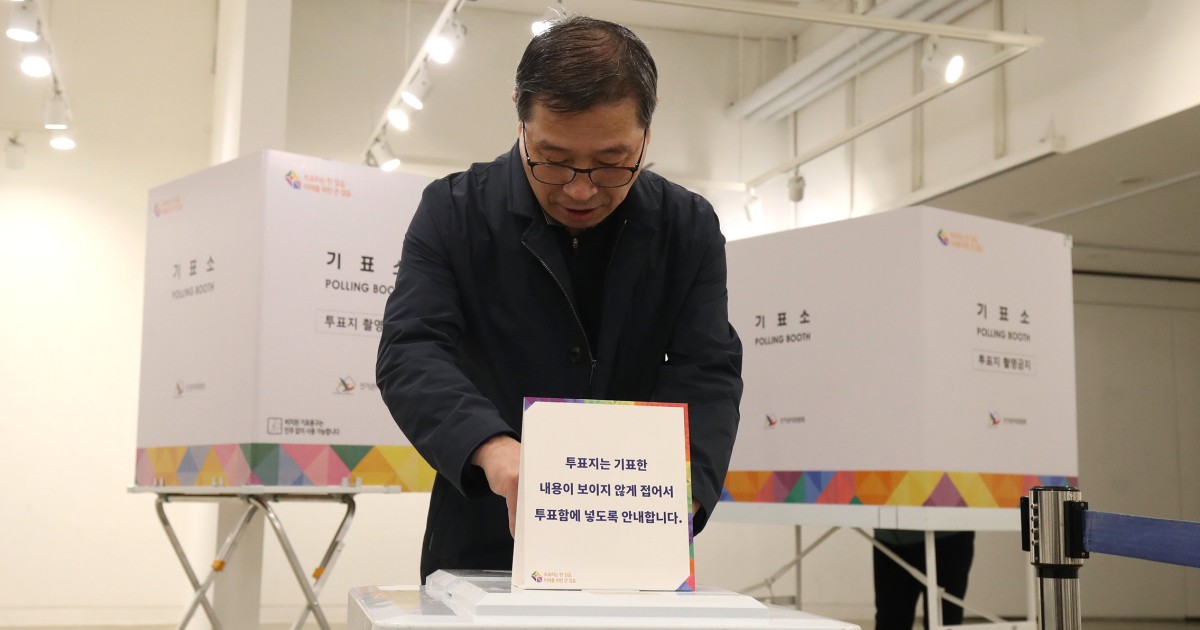
South Korea's liberal opposition parties, led by the Democratic Party, secured a significant win in the parliamentary election, falling just short of a super majority but dealing a blow to President Yoon Suk Yeol and his conservative party. The opposition's victory is expected to deepen the policy stalemate, hindering Yoon's ability to pass legislation and implement his economic pledges. The election was seen as a referendum on Yoon's leadership amid economic challenges and political scandals, and the opposition's control of parliament is likely to prolong the government deadlock on key policy issues.
South Korea's liberal opposition parties are projected to win a significant victory in the parliamentary election, potentially securing a combined 200 seats out of 300, which could limit conservative President Yoon Suk Yeol's influence for the remainder of his term. The ruling People Power Party is expected to suffer a significant defeat. The election is seen as a mid-term confidence vote on President Yoon, who has faced low approval ratings and opposition-controlled parliament. The outcome may lead to a political deadlock and intensifying political challenges for Yoon, impacting his domestic agenda and setting the stage for the next presidential race.
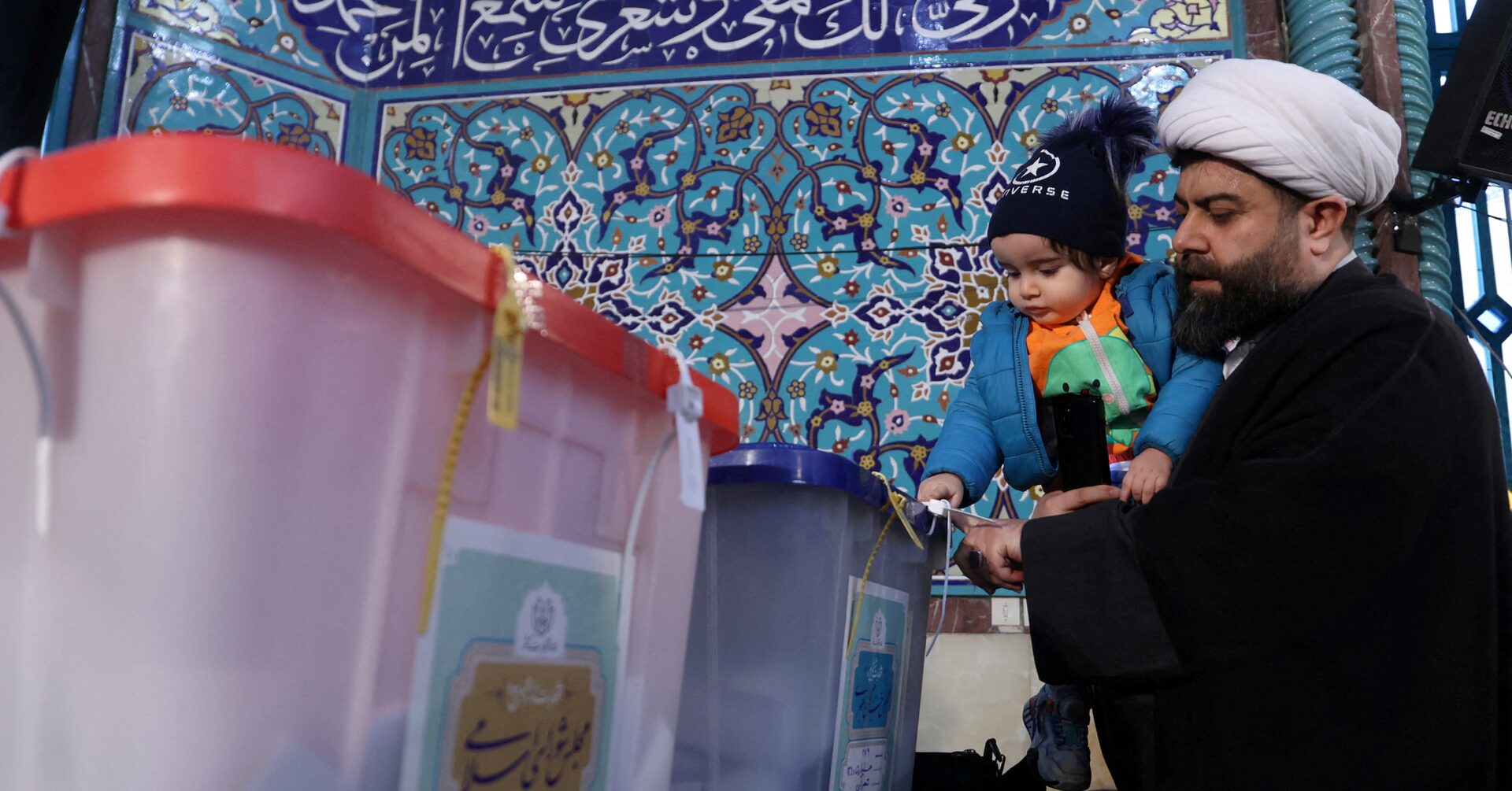
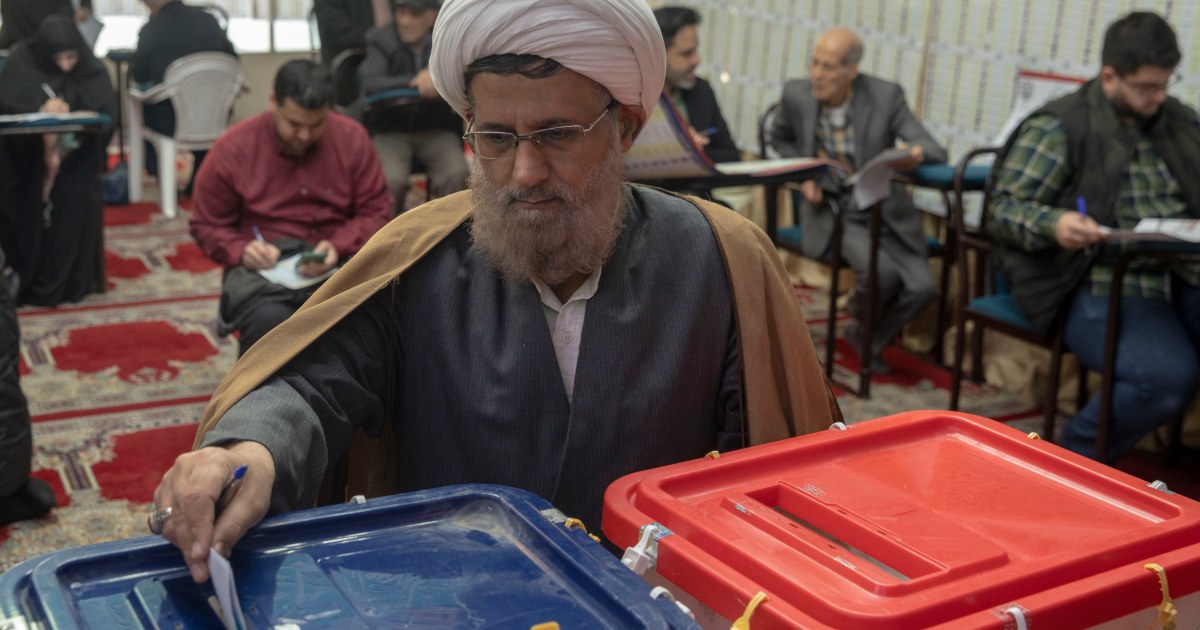
Iran's parliamentary election saw a record low turnout of around 41%, signaling widespread disillusionment with the clerical establishment amid economic struggles and limited electoral options. Hardliners and low-key conservatives dominated the contest, with reformists and moderates largely staying out. The election, the first since anti-government protests in 2022-23, resulted in hardliners maintaining their grip on parliament, while activists and opposition groups had called for a boycott. Critics argue that the ruling clerics are unable to address the economic crisis caused by mismanagement, corruption, and U.S. sanctions.
Iran's parliamentary election saw a low turnout amid calls for a boycott, with state-controlled television showing lines of voters while others saw largely empty polling stations. Only 116 relatively moderate or pro-reform candidates are vying for seats out of about 15,000 candidates. The election comes amid economic challenges due to Western sanctions and ongoing tensions over Iran's nuclear program. Supreme Leader Ayatollah Ali Khamenei and hard-line President Ebrahim Raisi urged people to vote, but turnout appeared to be the lowest ever, potentially undermining the government's legitimacy.
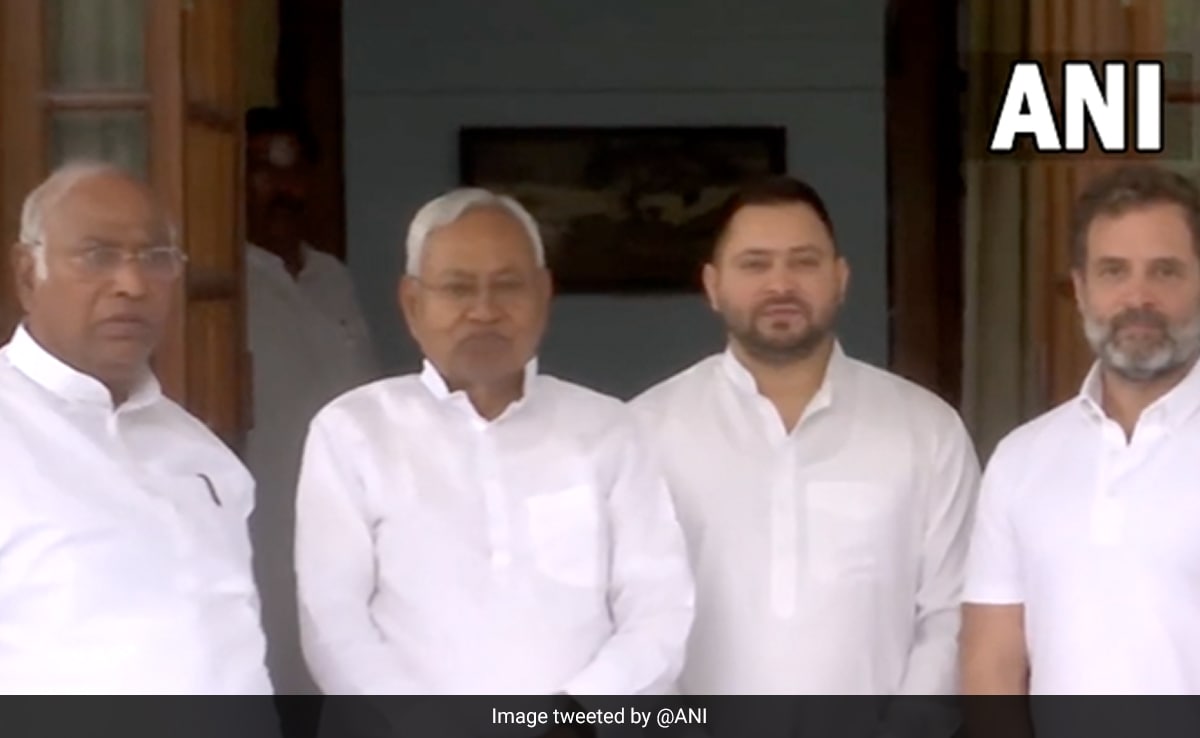
Nitish Kumar's Janata Dal United plans to contest 17 seats in the upcoming parliamentary election in Bihar, with the rest of the 40 seats to be divided between Lalu Yadav's Rashtriya Janata Dal, the Congress, and the Left. The party claims that sitting MPs will not be disturbed, in line with the agreement among the constituent parties of the INDIA Alliance. Discussions on seat-sharing within the alliance have commenced, with the Bihar Congress suggesting a flexible approach to contesting elections together.
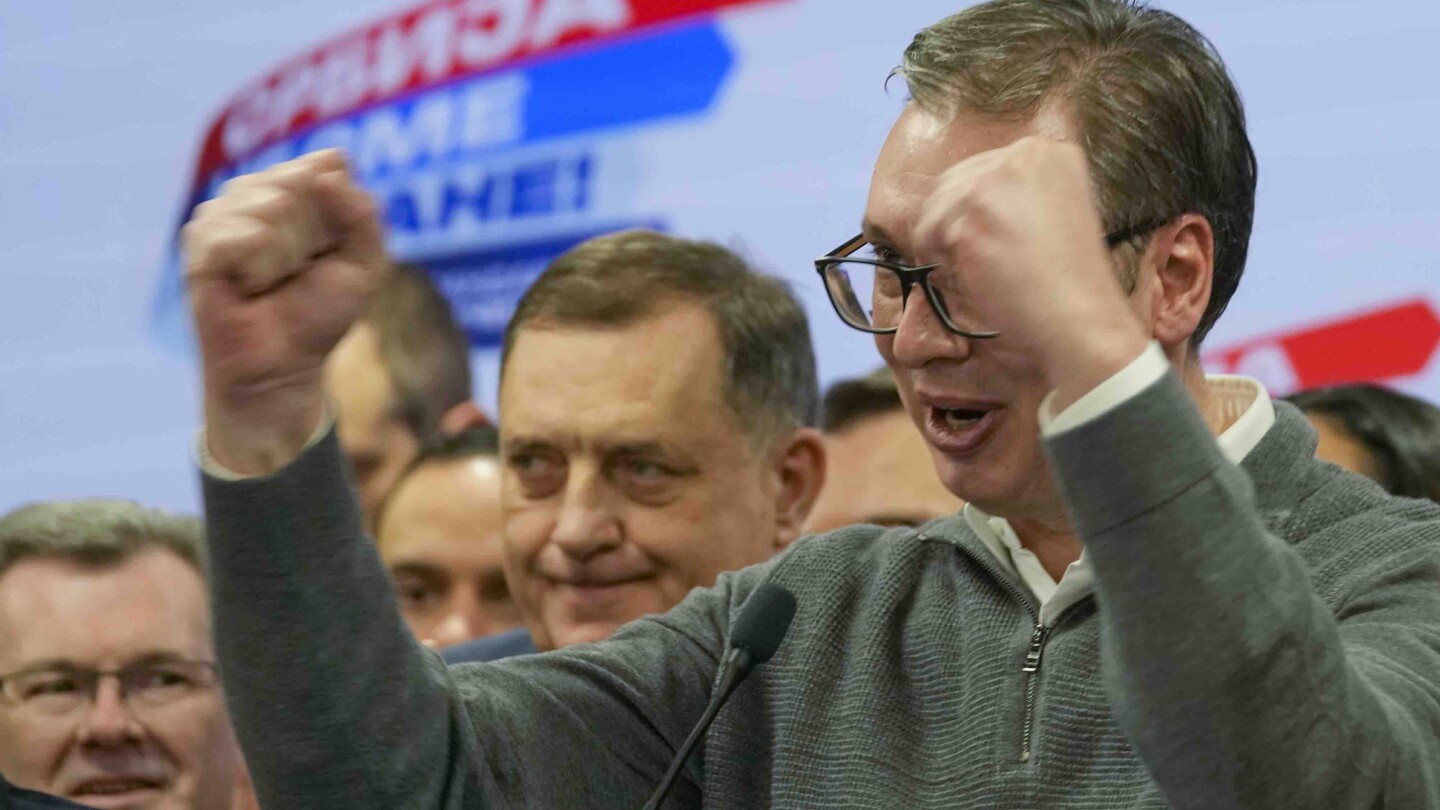
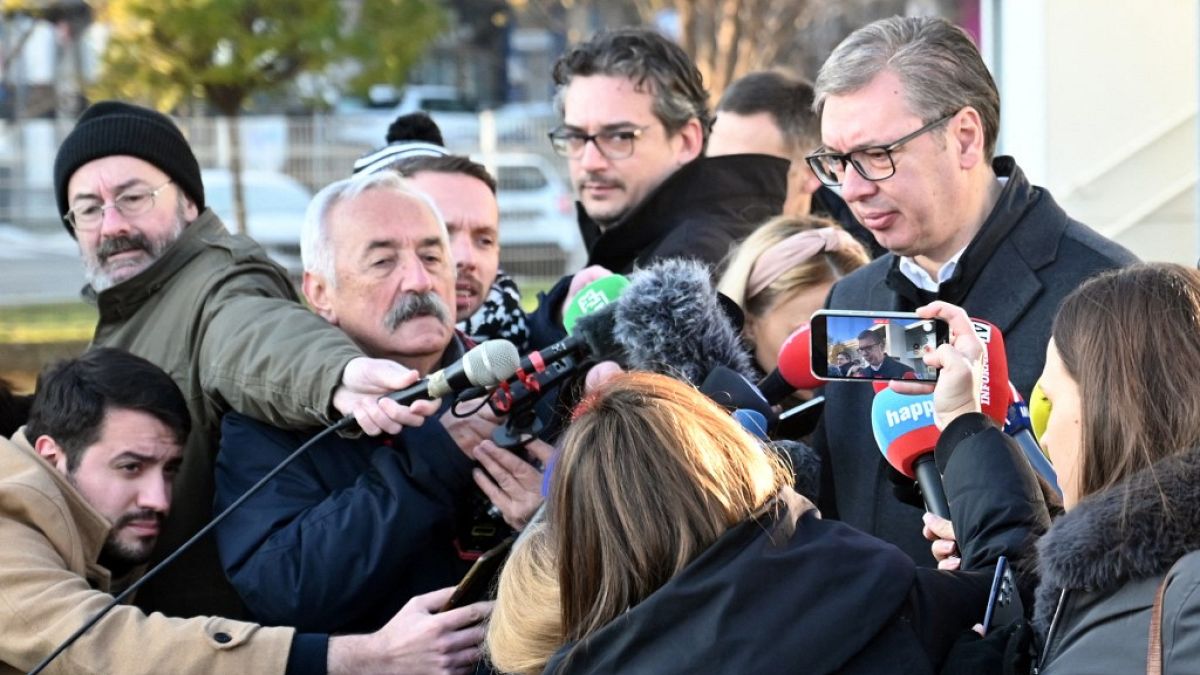
Serbia's ruling party, the SNS, led by President Aleksandar Vučić, has claimed victory in the parliamentary election despite widespread reports of irregularities. Early results show the SNS at around 46%, while the opposition alliance, Serbia Against Violence, is at about 23%. The opposition is planning a protest over the alleged irregularities, calling for the results in Belgrade to be annulled and a repeat election to be held.
Serbia's governing populists, the Serbian Progressive Party, claimed a sweeping victory in the country's parliamentary election, winning 47% of the vote and expected to hold around 130 seats in the 250-member assembly. The main opposition Serbia Against Violence group won around 23%. The election was marred by reports of major irregularities, including allegations of vote-rigging and the organized transfer of illegal voters. The opposition coalition plans to dispute the vote count, while authorities deny any wrongdoing. President Aleksandar Vucic campaigned relentlessly for his party, which ran the campaign as a referendum on his leadership.
Serbia's ruling Serbian Progressive Party (SNS), led by President Aleksandar Vucic, has won a sweeping victory in the parliamentary election, according to projections by pollsters Ipsos and CeSID. The SNS is projected to have won 46.2% of the votes, with the opposition Serbia Against Violence (SPN) alliance coming in second with 23.2%. The election was marred by allegations of irregularities and election fraud, with the SPN accusing the ruling party of stealing the election. The SNS is expected to seek coalition partners to solidify its dominance in parliament.
Serbia's ruling populists, led by President Aleksandar Vucic, claimed a sweeping victory in the country's parliamentary election, with projections showing they won 47% of the vote and are expected to hold around 130 seats in the 250-member assembly. The main opposition group, Serbia Against Violence, won around 23% of the vote. The election was marred by reports of major irregularities, and the main contest was between the ruling populists and a centrist coalition aiming to undermine their rule.
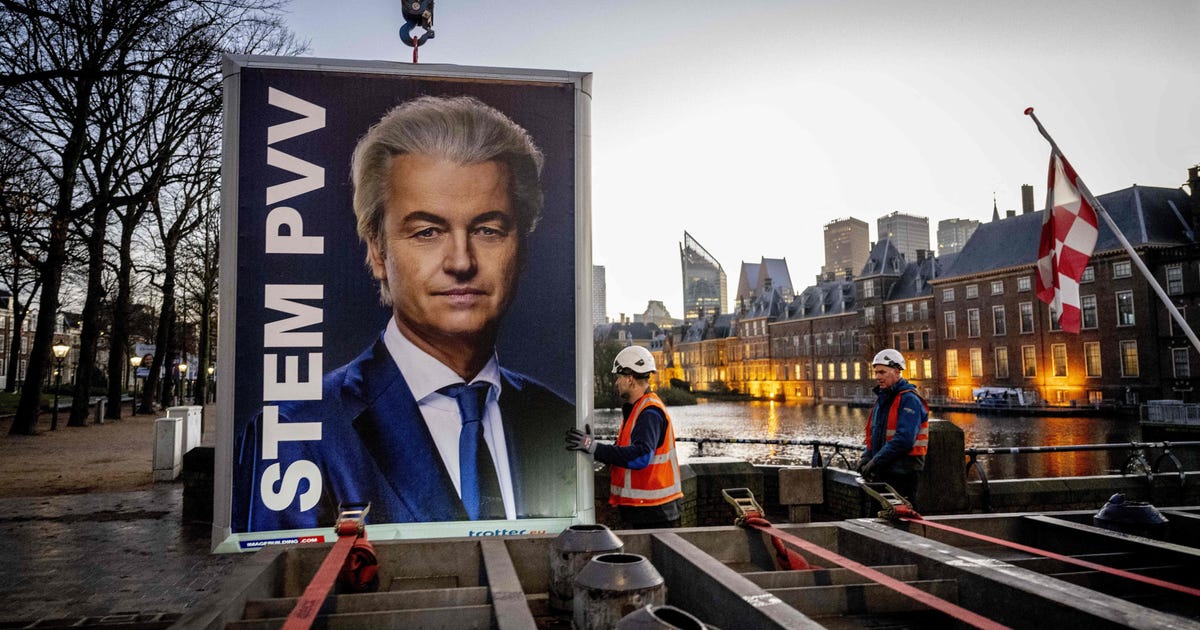
Geert Wilders' far-right Party for Freedom (PVV) achieved unexpected success in the Dutch parliamentary election, winning 23.6% of the vote and 37 out of 150 seats in the lower House of Representatives. Experts warn that when center-right parties try to compete on far-right issues, they inadvertently legitimize extremists and pave the way for their rise to power.