Apple's latest iOS 18.1.1 update has sparked user complaints about changes to the iPhone Photos app, which now organizes photos by topics like 'Recent Days' and 'Trips'. Users find the new layout confusing, but Apple and tech experts like The MacWhisperer Academy offer tips to revert to a more familiar setup. Suggestions include scrolling down to reveal more of the photo library, distinguishing between 'date captured' and 'recently added', and customizing the home screen to prioritize useful sections.
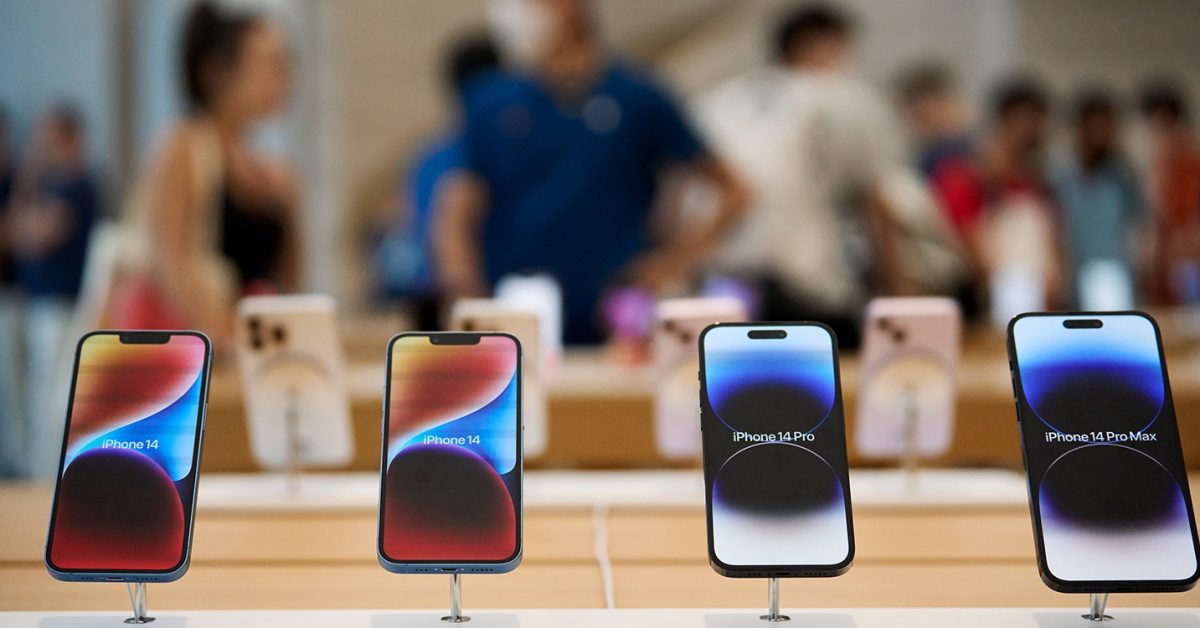
Apple is set to introduce a new "Presto within Apple" system in its retail stores, allowing employees to update iPhone software while the device is still in its box. The system, which resembles a small two-spoke locker, can handle up to six iPhones at once and uses a combination of MagSafe and other wireless technologies to install iOS updates within 15 to 30 minutes. This will ensure that iPhones sold at Apple Stores come with the latest iOS version, addressing the issue of devices shipping with outdated software.
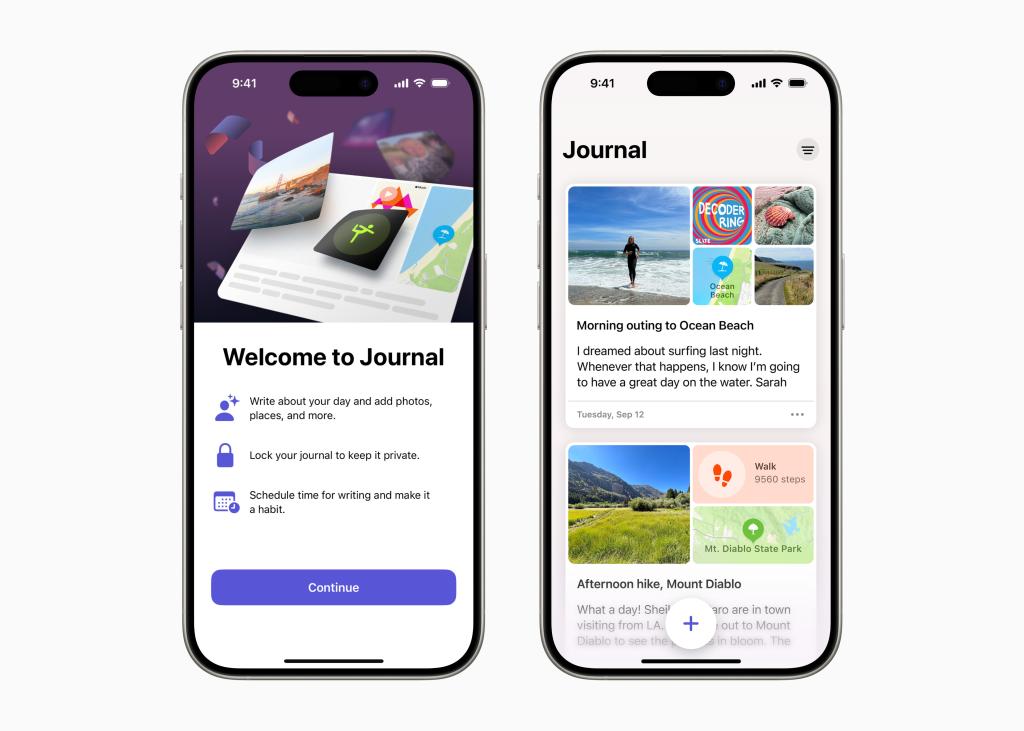
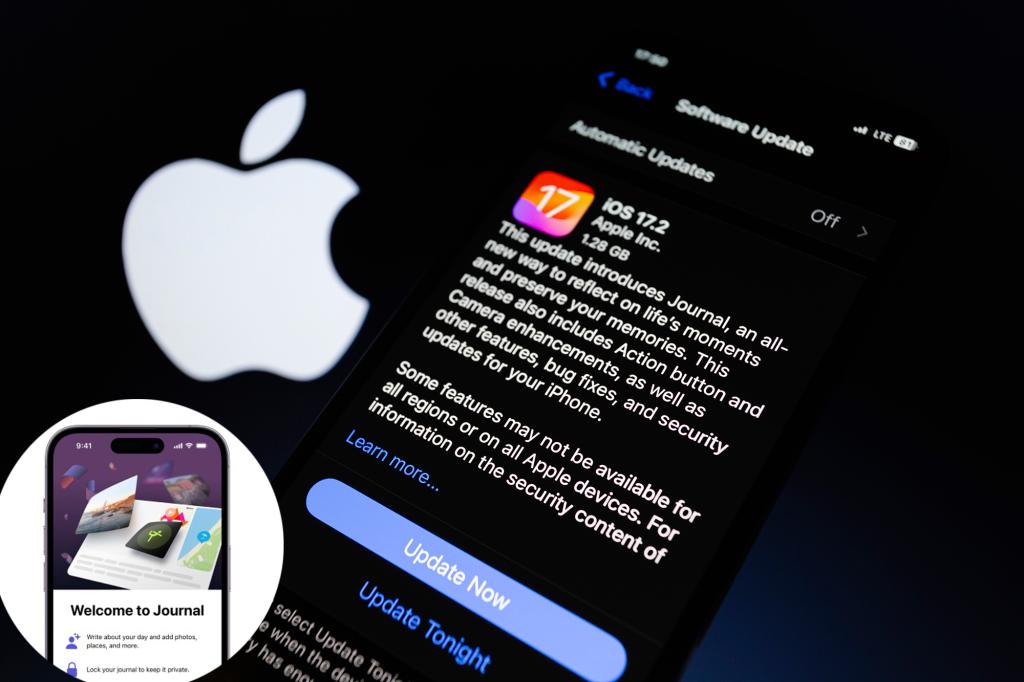
Apple's latest iPhone software update has turned on a default setting called "Discoverable by Others," leading users to believe their name and location are being shared without consent. This setting is related to the new Journal app, which uses a Journaling Suggestions API to recommend topics based on user data. Despite assurances from Apple that user data is encrypted and not shared, users have found the setting turned on by default, prompting concerns about privacy. Apple insists that the feature is for sharing data with nearby users similar to AirDrop, but users are advised to disable the setting for added privacy.
Apple announces the ability for iPhone users in the EU to download apps from websites, complying with the EU's Digital Markets Act, while preparing for the release of iOS 17.4.1 to address bugs and security vulnerabilities. Rumors about upcoming iPad Pro and iPad Air models, iPhone 16 lineup, and next-generation CarPlay are circulating, and a video comparison of the M3 MacBook Air and MacBook Pro is available. Additionally, the iPhone SE 4's resale value is expected to depreciate heavily, and rumors about the iPhone 16 Pro's new features are surfacing.
Apple's upcoming iOS 17.4 update will introduce a new security feature called PQ3 Messaging Protocol to protect iMessage against potential future quantum computing attacks. This advanced encryption aims to safeguard messages from being intercepted and decrypted by quantum computers, which are still in their early stages of development. The update will require both sender and receiver to download the new protocol for enhanced security, and it is part of Apple's proactive approach to future-proof its messaging platform.
A recent report indicates that iPhone 15 Pro customer satisfaction has decreased, with one of the main reasons being disappointment with the battery life. Despite a slight increase in battery capacity compared to the iPhone 14 Pro, user ratings for the iPhone 15 Pro and Pro Max have dropped, particularly in relation to battery performance. An early overheating issue was resolved with an iOS update, but user satisfaction has continued to decline. The article invites readers to share their experiences in a poll and comments, while also providing guidance on checking iPhone battery health.
Apple has released a new Stolen Device Protection feature in its latest iOS update, aimed at preventing thieves from accessing important functions and settings on stolen iPhones. The feature utilizes biometric security and familiar location tracking to make it harder for thieves to reset or erase the device. Users are urged to turn on the feature, which requires the latest iOS update, two-factor authentication, and Find My device to be enabled for their Apple ID account.
Apple's latest iOS update includes a new feature called Stolen Device Protection, aimed at thwarting phone thieves from accessing important functions and settings. The feature adds extra biometric security measures and delays to prevent unauthorized access to the device, making it harder for thieves to wipe the phone or access sensitive accounts. Users are urged to activate this feature by updating to iOS 17.3, enabling two-factor authentication and Find My device, and setting up Face ID or Touch ID. This feature applies to iPhone XS and newer models.
Apple has introduced a new Stolen Device Protection feature in its latest iOS update, aimed at thwarting phone thieves from accessing important functions and settings. The feature adds extra biometric security measures and delays to prevent unauthorized access to personal information and accounts. Users are urged to activate this feature, which applies to iPhone XS and newer models, to enhance the security of their devices and protect against theft.
Apple has introduced a new Stolen Device Protection feature in its latest iOS update, aimed at thwarting phone thieves from accessing important accounts and wiping phones for resale. The feature adds extra biometric security measures and delays critical operations when the device is in an unfamiliar location, making it harder for thieves to access sensitive information. Users are encouraged to activate the feature in their iPhone settings, and it applies to iPhone XS and newer models.
Apple has released a new iOS update, iOS 17.3, which introduces Stolen Device Protection to safeguard sensitive data if an iPhone is stolen. This feature adds extra layers of security based on the iPhone's location, requiring additional authentication for sensitive changes made in unfamiliar locations. Users need to enable Significant Locations in their iPhone settings for this feature to work effectively. While the feature may initially cause inconvenience by requiring extra authentication in new locations, it aims to provide enhanced security for iPhone users.
After downloading Apple's emergency iOS update, a customer's iPhone lost touch connectivity, leading to an eight-hour ordeal involving visits to AT&T, Best Buy, and the Apple Store. Despite being under warranty, the Apple Store worker accused her of tampering with the phone, voided the warranty, and demanded $500 for repairs. Frustrated, the customer was forced to open a new line with AT&T to get a new phone, while others shared similar issues with Apple's recent updates, including loss of network connectivity and battery-draining problems.
Apple has released a surprise update for iPhone users, iOS 17.2.1, promising to fix various bugs, although the specific fixes remain undisclosed. The previous iOS update, 17.2, introduced new features and security enhancements. The latest update comes shortly after the unveiling of iOS 17.3 beta versions, leaving users puzzled about the need for another minor update. While the English-language release lacks details, the Japanese and Chinese versions mention addressing battery drainage issues. The update is not urgent and may have been released in time for the holiday season or to prepare for new device activations. Apple recently introduced Stolen Device Protection to enhance security, requiring biometric access codes for sensitive functions.
Apple is introducing a new security feature called "Stolen Device Protection" in an upcoming iOS software update to prevent thieves from using a stolen iPhone to change the Apple ID password. The feature aims to protect users' financial accounts and iCloud-stored data by making it harder to change the password when the device is away from familiar locations. Users will need to enable the feature manually.
Apple is introducing a new security feature called "Stolen Device Protection" in an upcoming iOS software update to prevent thieves from using a stolen iPhone to access financial accounts and lock the owner out. The feature makes it harder to change the Apple ID password when the user is away from a familiar location, but it needs to be enabled by the user.