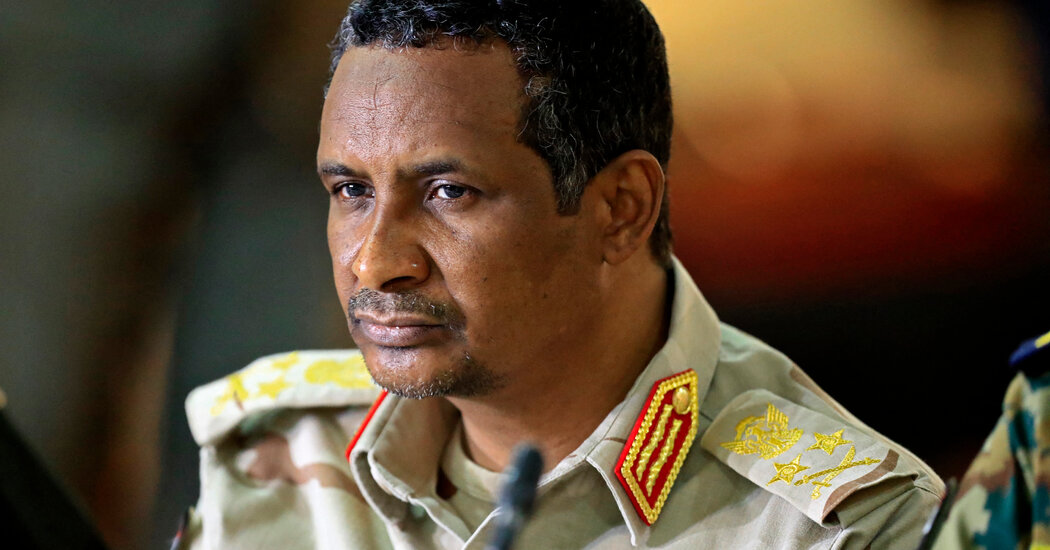
A coalition led by Sudan's paramilitary Rapid Support Forces has announced a self-declared parallel government amid ongoing civil war, further destabilizing the country and complicating peace efforts, with accusations of war crimes and ethnic cleansing against the R.S.F.
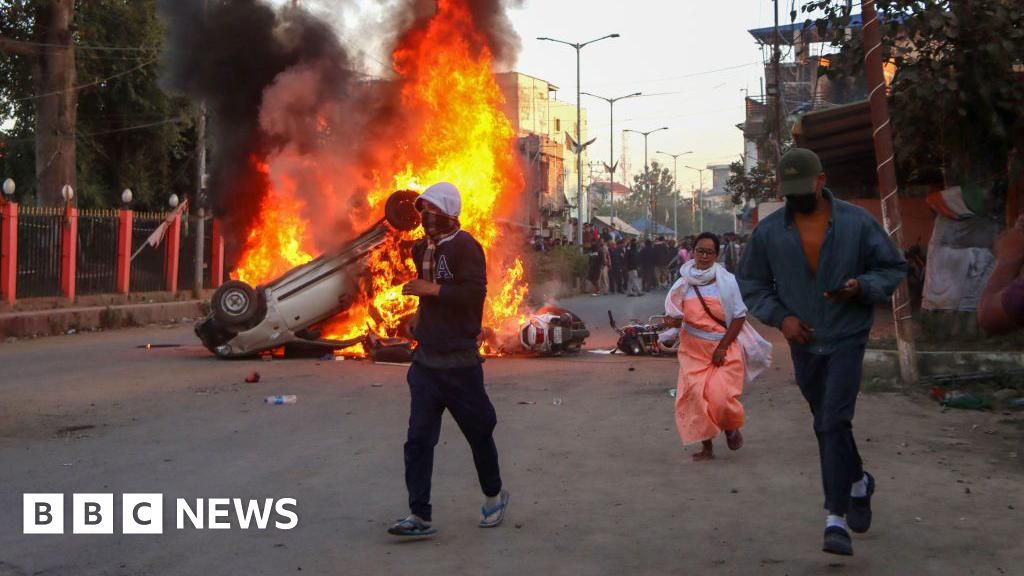
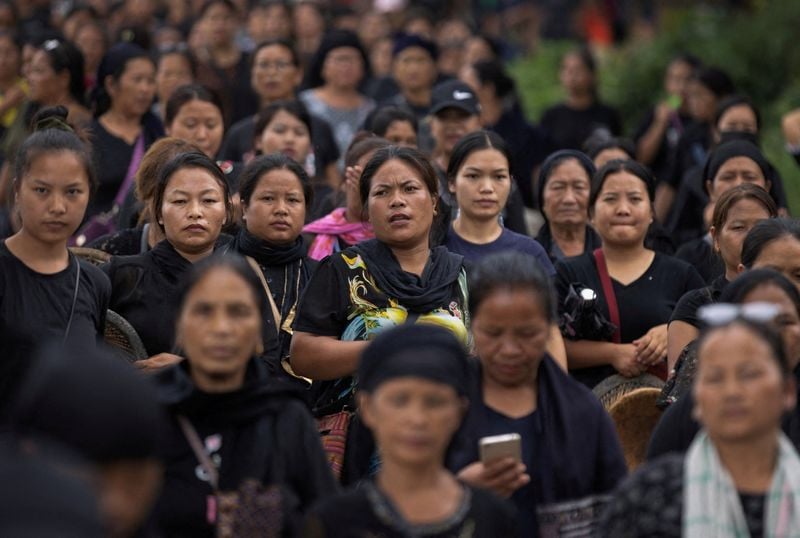
Manipur, a state in northeastern India, is experiencing renewed ethnic violence following the discovery of six bodies believed to belong to the Meitei community. The Meitei allege these individuals were kidnapped and killed by Kuki armed groups, though police have not confirmed this. The incident has led to violent protests, internet shutdowns, and an indefinite curfew in certain areas. The ongoing conflict between the Meitei and Kuki communities, which began in May 2022, has resulted in over 200 deaths and significant displacement. The Indian government has deployed top security officials to address the escalating tensions.
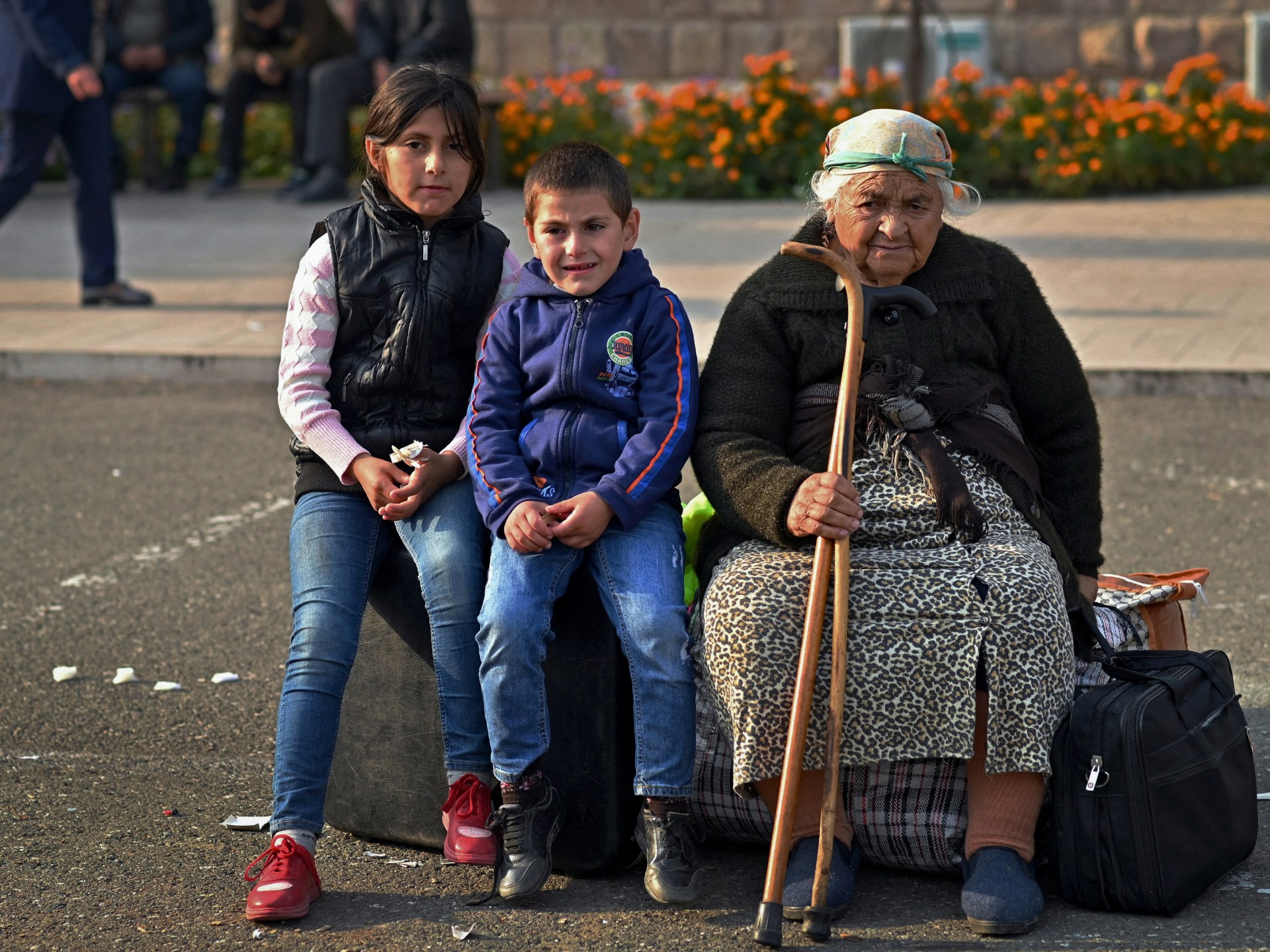
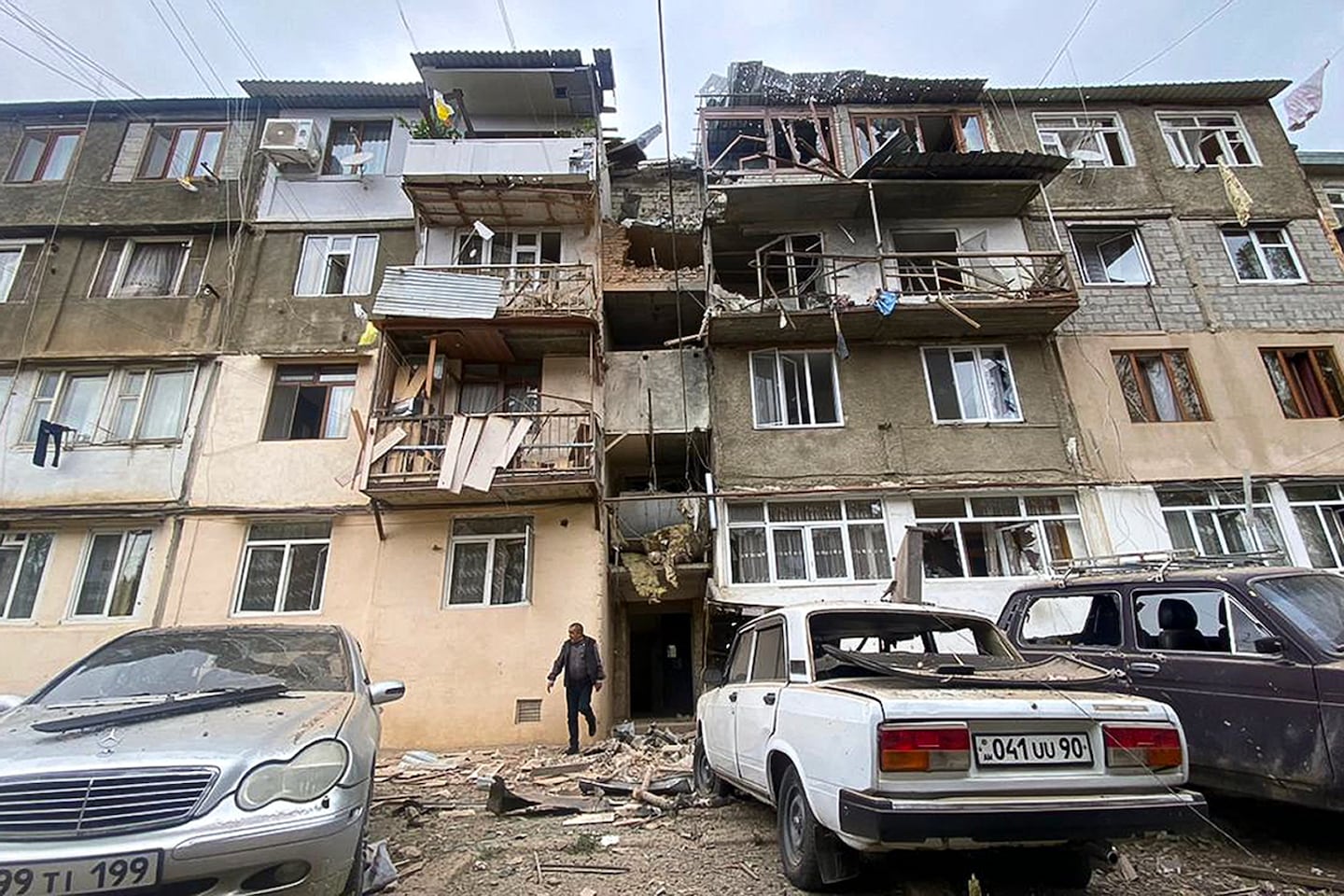
The International Court of Justice has ruled that Azerbaijan must allow ethnic Armenians who fled Nagorno-Karabakh during the Azerbaijani military takeover to return to their homes. The court stated that Azerbaijan must ensure the safe and unimpeded return of those who wish to go back, as well as guarantee the safety of those who remain in Nagorno-Karabakh. Tens of thousands of ethnic Armenians fled the region after Azerbaijan captured it in a lightning offensive in September. Azerbaijan's foreign ministry has stated its commitment to upholding the human rights of Armenian residents, but many ethnic Armenians remain skeptical about their safety under Azerbaijani rule.
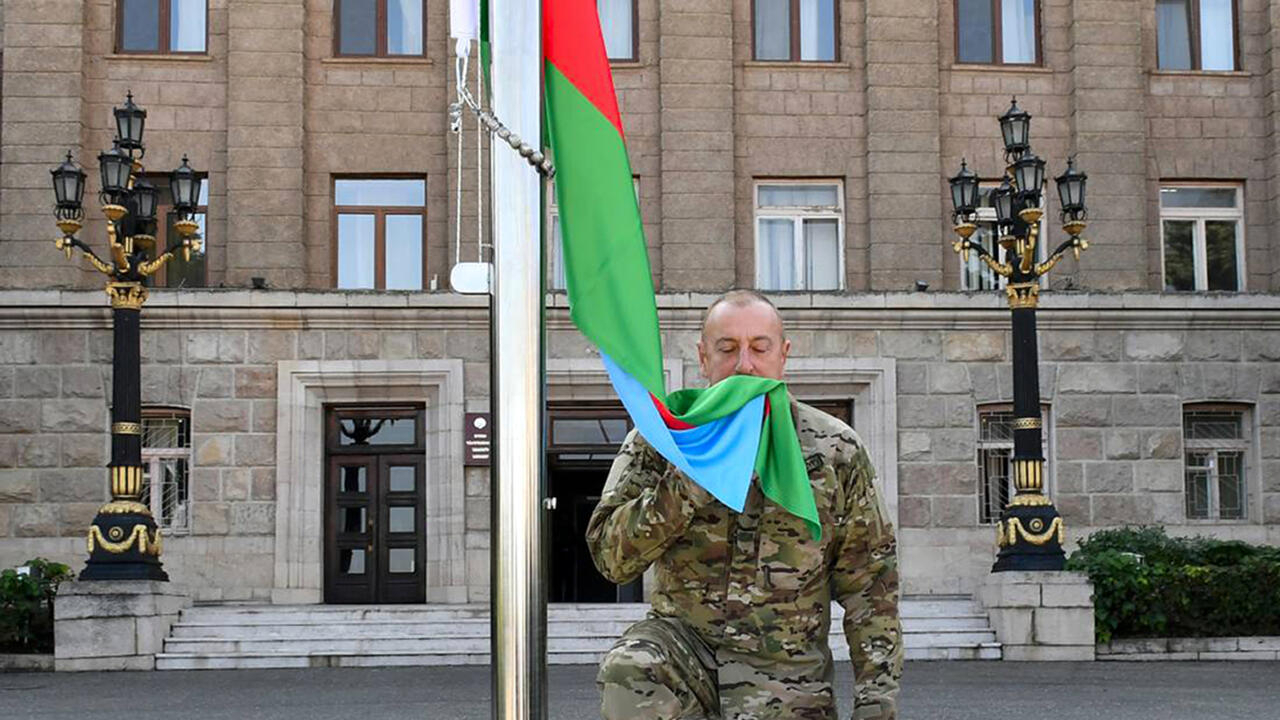
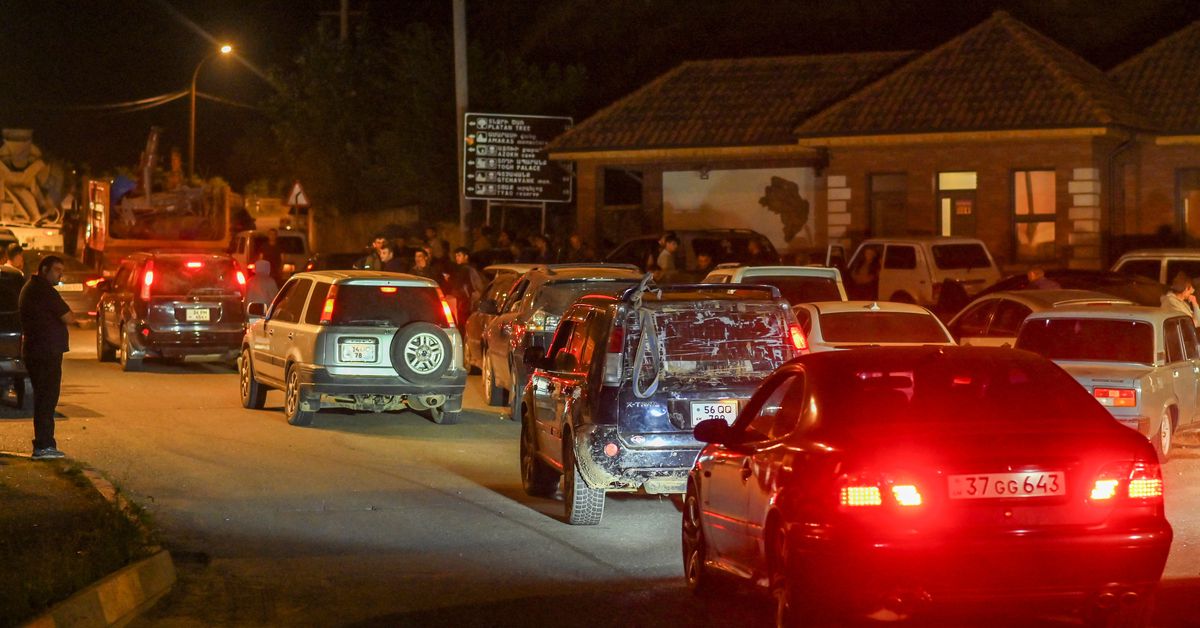
President Ilham Aliyev of Azerbaijan raised the national flag in Nagorno-Karabakh's main city, Khankendi/Stepanakert, marking Azerbaijan's conquest of the region following a lightning offensive last month. The offensive led to the exodus of ethnic Armenians, with the majority of the estimated 120,000 residents fleeing to Armenia. Aliyev's visit coincided with his 20th year as president and reflects his long-standing commitment to bringing Nagorno-Karabakh back under Azerbaijani control.
Turkish President Erdogan is set to meet with Azeri President Aliyev to discuss the situation in Nagorno-Karabakh, as thousands of ethnic Armenians flee the region following Azerbaijan's victory over breakaway fighters. The Armenians fear persecution and ethnic cleansing under Azerbaijani control. More than 1,500 people have already crossed into Armenia, and many are driving towards the border through the Lachin corridor. Turkey supported Azerbaijan in the 2020 conflict but denies involvement in the recent military operation. Armenia has condemned the hostility, with over 200 people killed and 400 wounded. The Karabakh Armenians reject Azerbaijan's promises and have called for a U.N. mission to monitor human rights and security in the region.
Azerbaijan has declared an "anti-terrorist" campaign in the disputed Nagorno-Karabakh region, which is under Armenian control. Tensions have been escalating since Azerbaijan blockaded the only road connecting Nagorno-Karabakh to Armenia, causing shortages of essential supplies. Armenian authorities deny having troops in the area and accuse Azerbaijan of aggression. Russia, which brokered a truce in 2020, has called for an immediate end to hostilities but is unlikely to intervene unless the Russian peacekeepers are threatened. Armenia has called on the US and international community for help. The situation raises questions about the price of Russian acquiescence and the potential for a renewed conflict in the region.
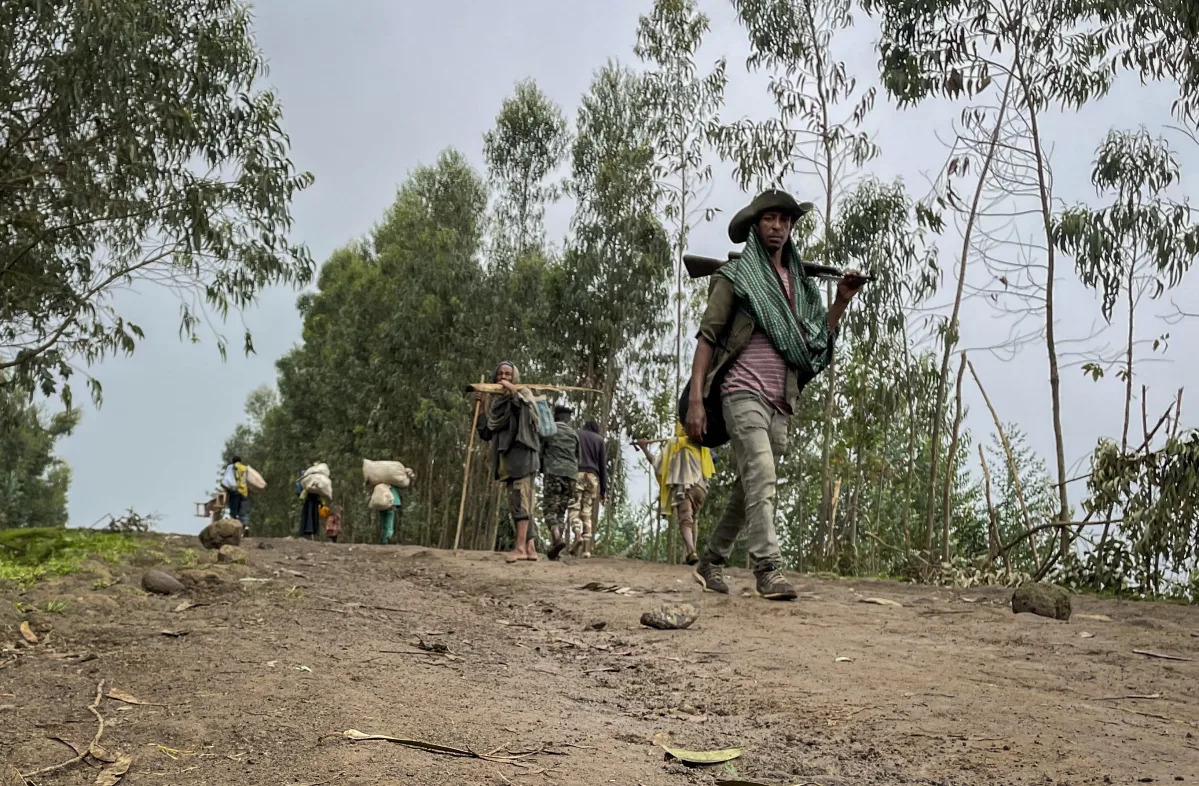
The United Nations human rights office reports that at least 183 people have been killed in clashes in Ethiopia's Amhara region since July as Amhara fighters resist the federal government's attempts to disband them. The human rights situation in Ethiopia is deteriorating, with over 1,000 people reportedly arrested under a state of emergency. The UN calls for the release of arbitrarily detained individuals and an end to the fighting as the military retakes towns seized by Amhara fighters. Ethiopia's government has struggled to contain conflicts along ethnic lines, and outside efforts to understand the toll of abuses have been criticized or limited.
Ethiopia, once hailed for its progress under Prime Minister Abiy Ahmed, has descended into one of the deadliest wars of the 21st century. The conflict began in the northern region of Tigray and has since spread to other parts of the country. Ethiopia's history of ethnic and political divisions, as well as economic challenges, contributed to the violence. Abiy Ahmed's efforts to centralize power and build a single Ethiopian identity led to a war against the Tigrayans, resulting in widespread atrocities. The situation remains complex, with ongoing violence targeting other ethnic groups and peace remaining elusive.
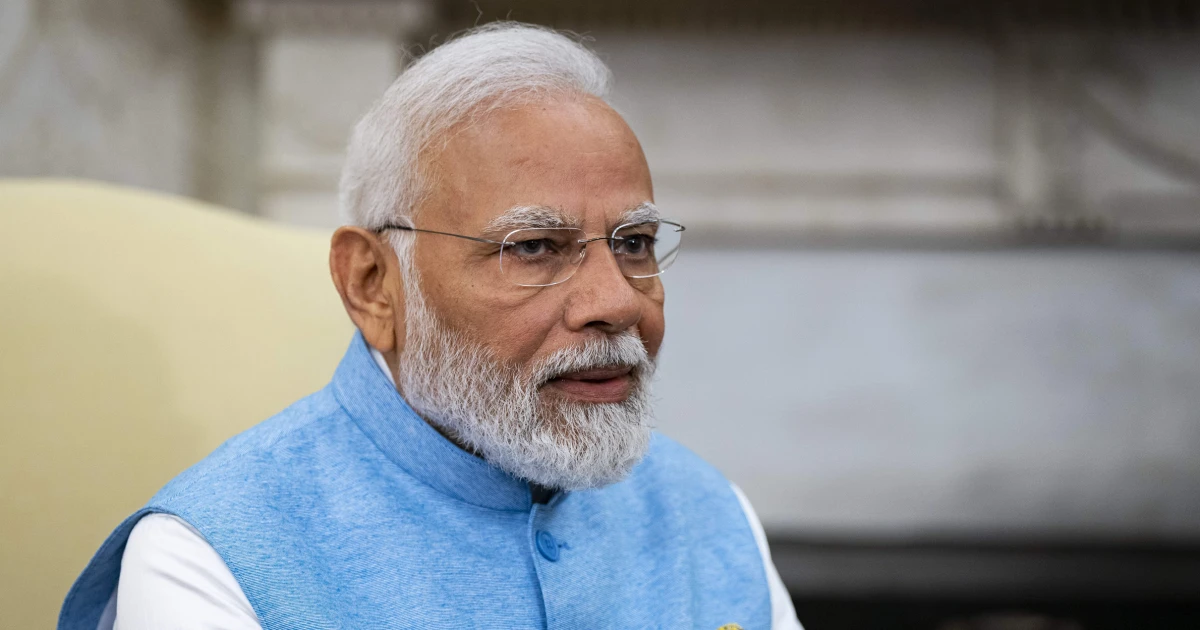
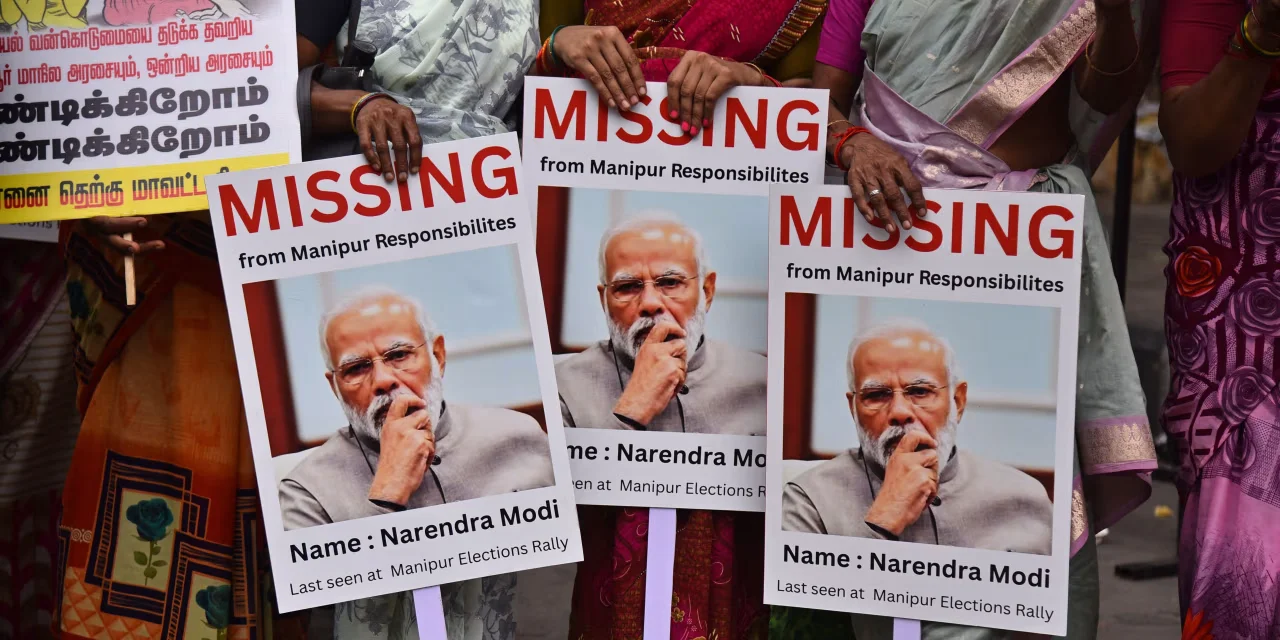
Indian Prime Minister Narendra Modi easily survived a no-confidence vote brought by the opposition over his handling of an ethnic conflict in Manipur. Critics accused Modi of prioritizing the interests of his party and Hindu nationalist constituency over addressing the violence. In a two-hour speech, Modi dismissed the vote as an attempt to defame India and listed his achievements while attacking the opposition Congress party. The political standoff raises tensions ahead of national elections, but surveys indicate Modi remains popular and is expected to win a third term. The vote was seen as more of a show of opposition unity than a serious threat to Modi's political standing.
Indian Interior Minister Amit Shah attributes the ethnic conflict in Manipur, India, to the political instability in neighboring Myanmar, which has led to an influx of refugees into Manipur. Shah called for dialogue between the warring ethnic groups, the Meiteis and the Kukis, to resolve the issue peacefully. The violence, triggered by a court ruling suggesting extending special privileges to the Meiteis, has resulted in over 180 deaths, numerous injuries, and displacement of tens of thousands of people. Shah assured that security forces have been deployed to maintain peace and urged the conflicting parties to engage in talks with India.
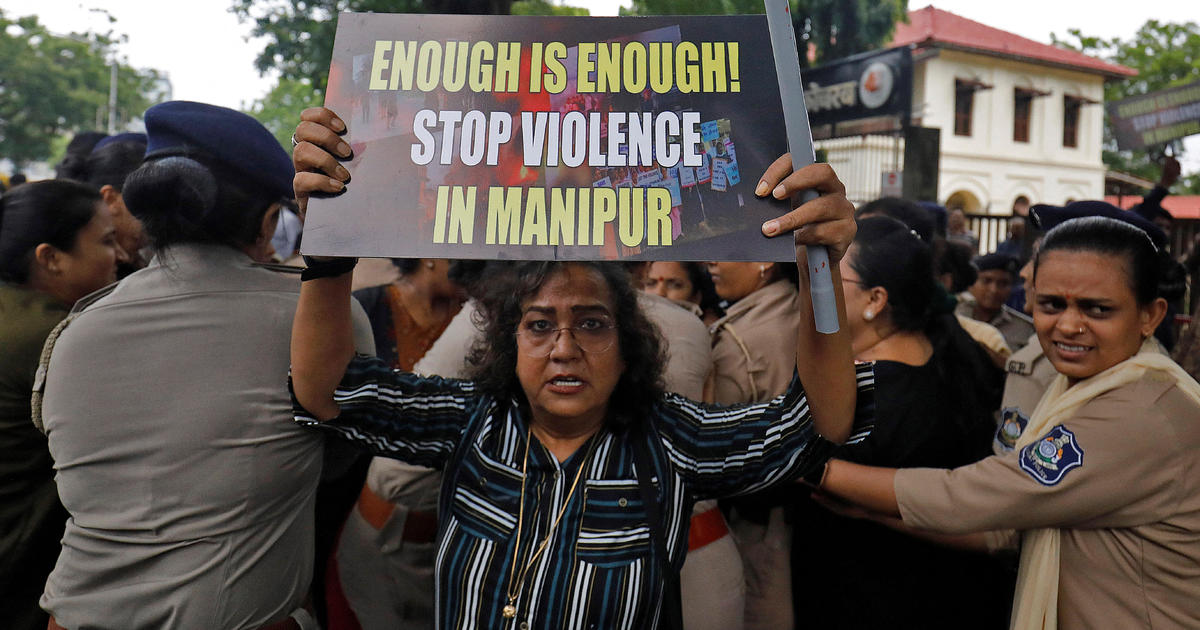
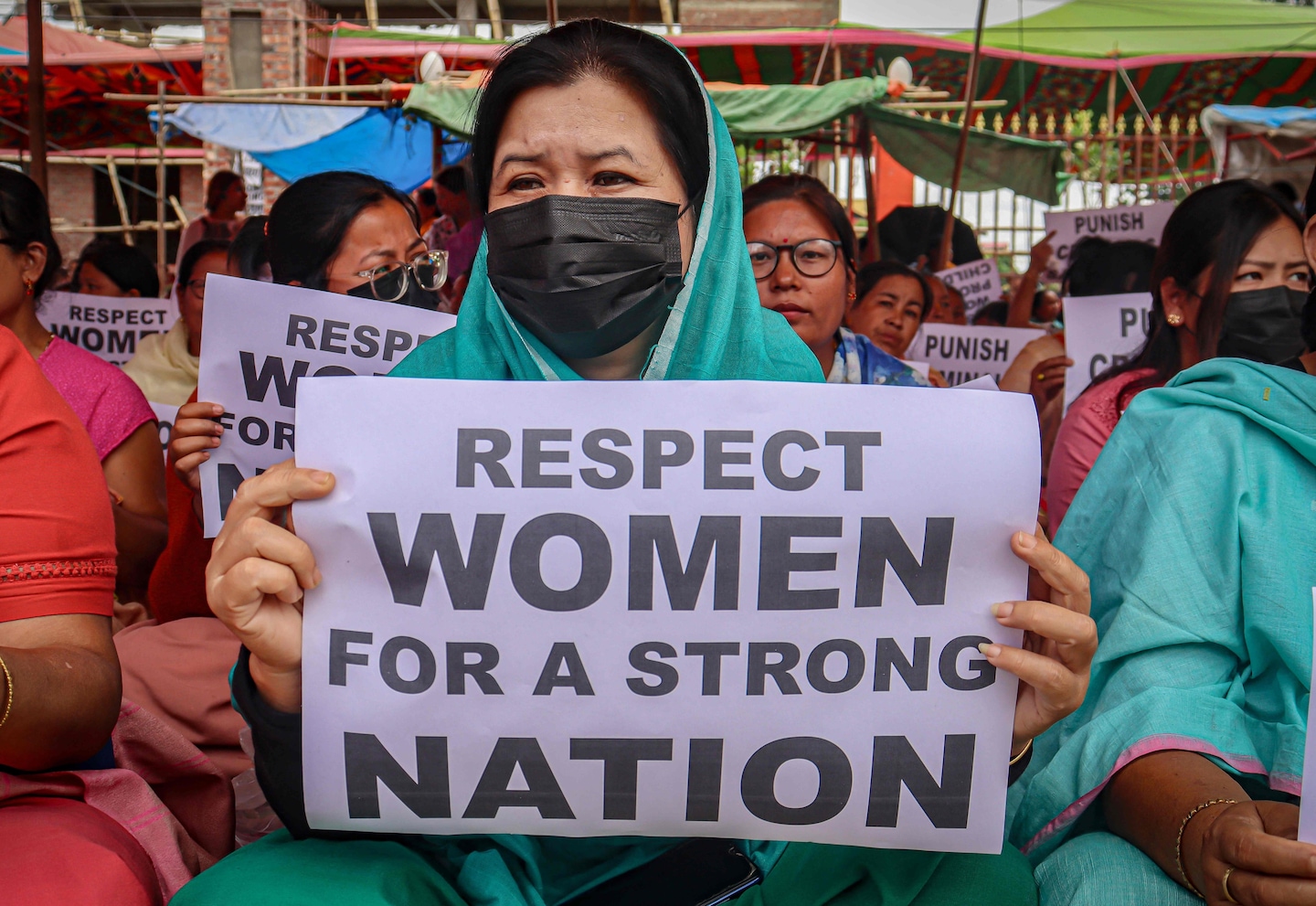
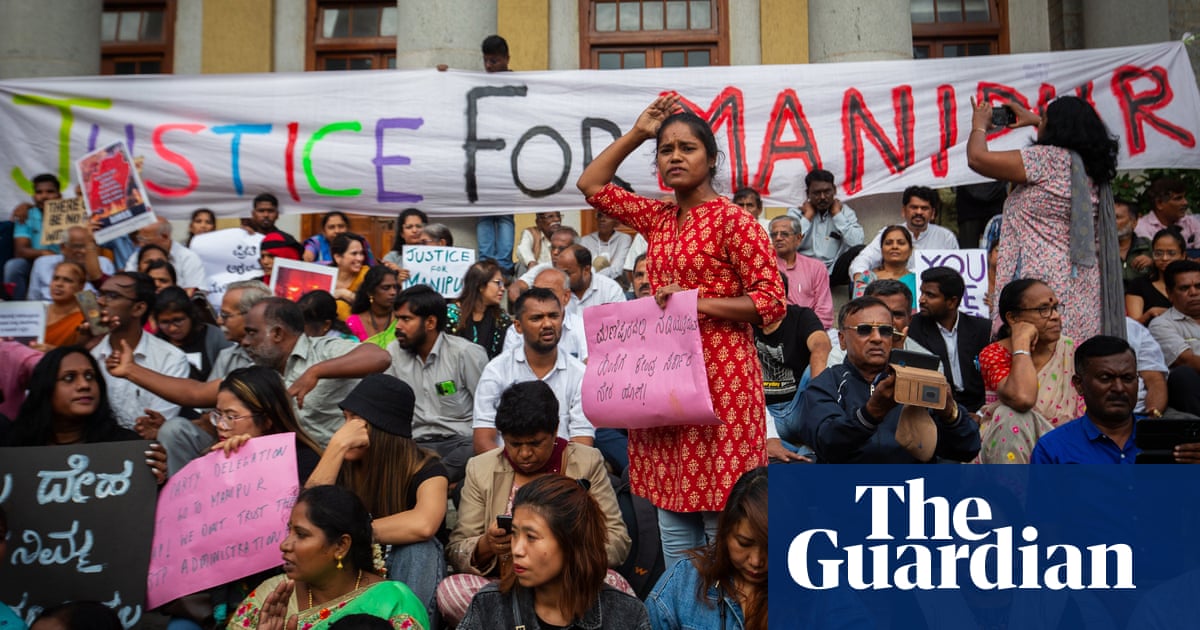
A video depicting a sexual assault in India has intensified pressure on the Modi government, which is already facing criticism over an ongoing ethnic conflict in the country. The assault occurred in a state where clashes between two ethnic groups have resulted in months of violence. Protesters in Chennai have taken to the streets to demonstrate against sexual violence targeting women in the state of Manipur.
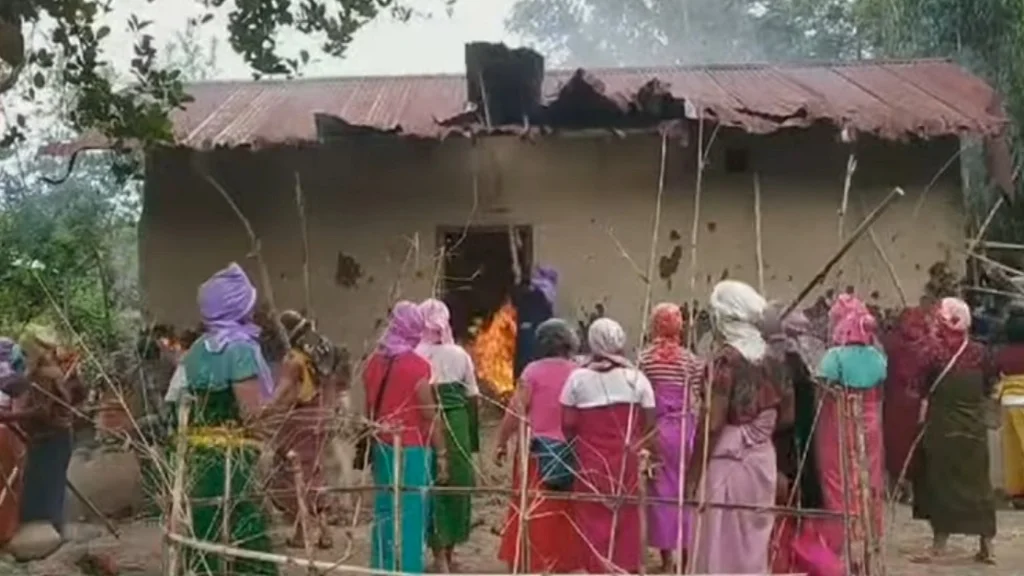
Enraged women from the Meitei community in India set fire to the homes of two men accused of sexually abusing tribal women, following a viral video showing the harassment. The incident led to nationwide protests and calls for justice. The Meira Paibis, a group of Meitei women activists, condemned the assault and sought capital punishment for the accused. The violence in Manipur has been fueled by ethnic conflict between the Meitei and Kuki communities, resulting in deaths and displacement.
A viral video of a horrific sexual assault in India has prompted police to finally take action after failing to respond to the victims' complaints for over two months. The video shows several men parading two naked women publicly and gang-raping at least one of them. The incident occurred during the early days of ethnic clashes in Manipur, a small northeastern Indian state. The video sparked widespread protests and international attention, leading to the arrest of six men. India has a shameful record of sexual assaults, with 86 women being raped daily on average, and more cases of sexual violence that were reported but never acted upon have come to light. The violent conflict in Manipur is between two communities, Meiteis and Kukis, predominantly over land but with religious overtones, and has resulted in a collapse of governance and a humanitarian crisis.
A video depicting the sexual assault of two women in Manipur, India has sparked outrage and shed light on the ongoing ethnic conflict in the state. Police have arrested four individuals and are searching for other suspects. Activists have criticized authorities for their failure to prevent the attack. The video emerged after months of government-imposed internet outages in Manipur, which has also been affected by communal violence resulting in numerous casualties and displacements.
Manipur, a state in northeast India, has been engulfed in an ethnic conflict between the Meitei community and the Kuki tribe. Tensions escalated after a court ruling granted the Meitei scheduled tribal status, leading to protests and violence. The clashes have resulted in over 140 deaths and 60,000 displaced people. The government's response has been criticized for its muted reaction, but a viral video of two Kuki women being assaulted prompted Prime Minister Narendra Modi to comment on the issue. The conflict has highlighted the failures of the police and authorities to address the violence.