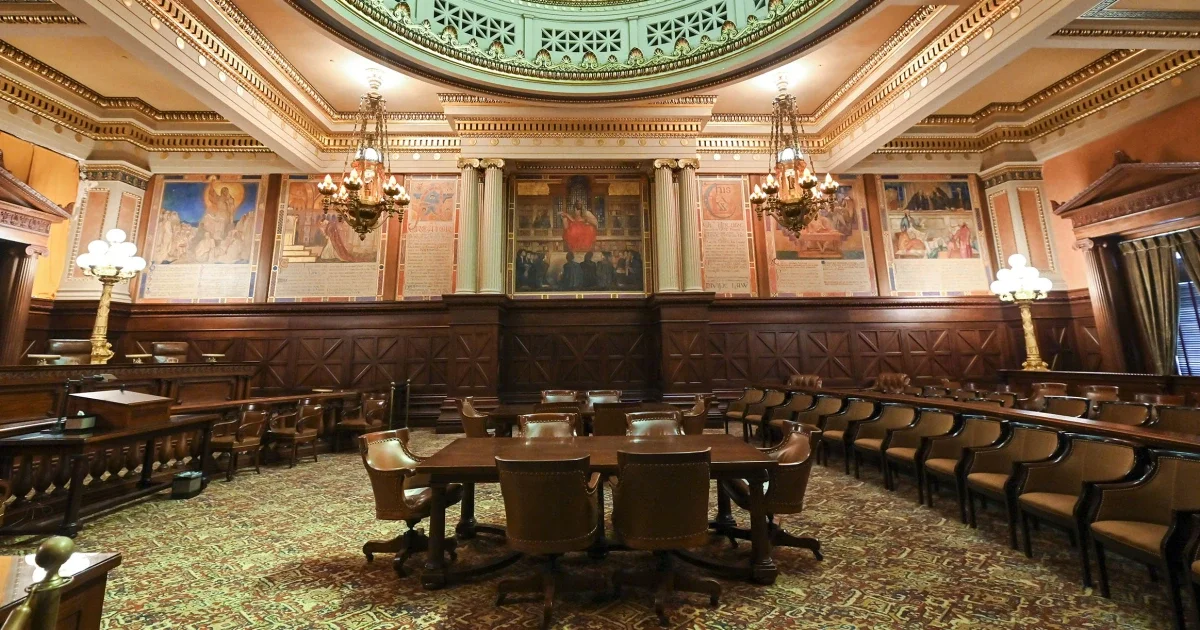
Pennsylvania voters retained three Democratic-leaning Supreme Court justices, ensuring the state's high court remains under Democratic control, amidst high-profile campaigns and significant spending from both parties.
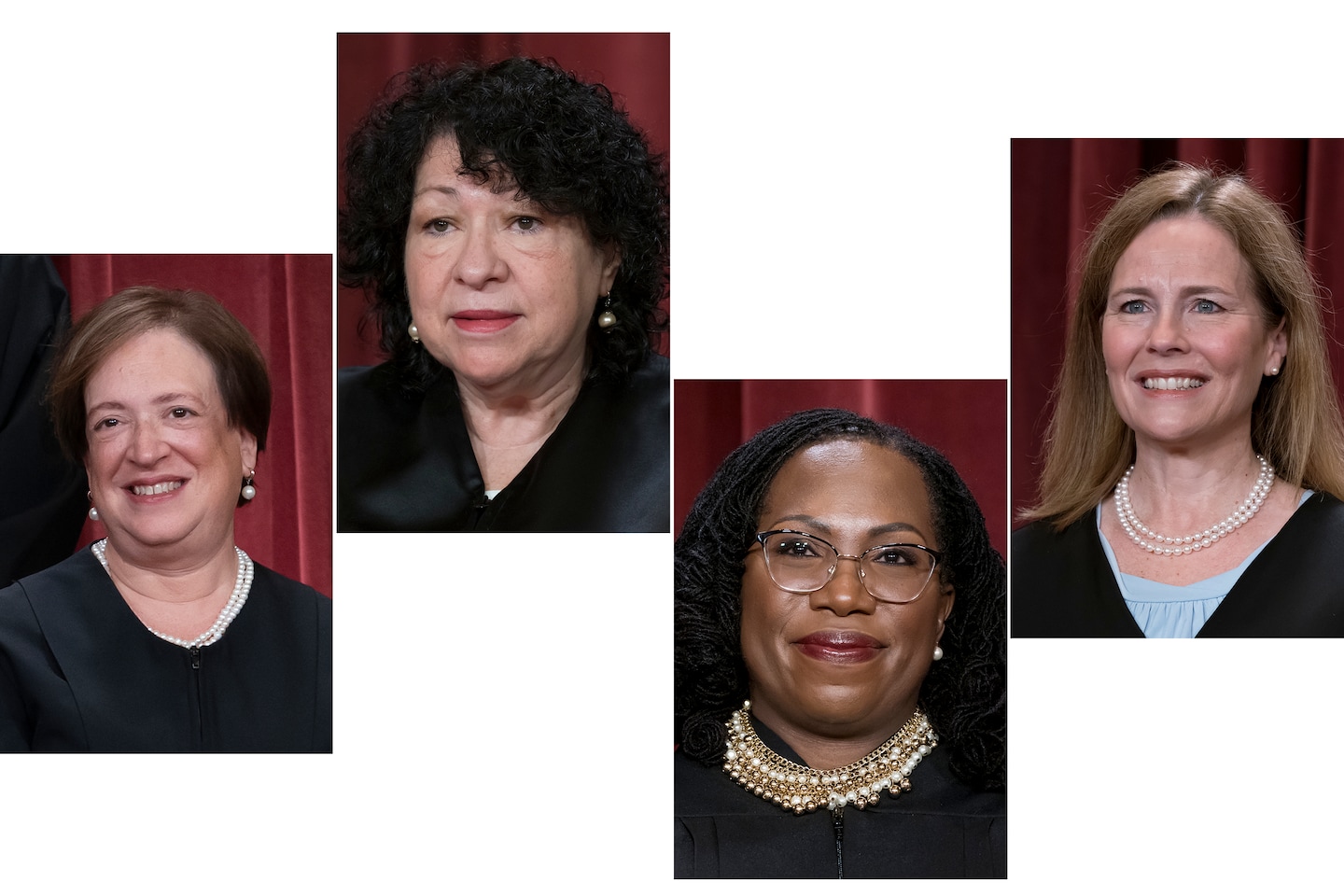
During Supreme Court oral arguments on a challenge to a key abortion drug, female justices engaged in candid and specific discussions about women's health, highlighting the court's changing gender ratio. The case focuses on technical medical issues related to mifepristone, a medication used in a majority of U.S. abortions. Justices, particularly the women, delved into the medical realities of the pills, asking detailed questions and offering commentary. The discussions included topics such as dating pregnancies, live tissue in medical procedures, and the necessity of surgical intervention after medication abortions.
Supreme Court Justices Barrett and Sotomayor, despite their ideological differences, have joined forces to advocate for civil discourse and respectful disagreement. They emphasized the importance of maintaining civility in polarized times and highlighted the Supreme Court as a model for the rest of the country. This comes as the court's approval ratings have reached record lows, and as justices engage in public discussions about the court's legitimacy and the need for civil debate.
Supreme Court Justices Sonia Sotomayor and Amy Coney Barrett emphasized the court's civil collaboration and lack of partisan allegiance, despite pending politically charged cases. They highlighted the justices' personal respect and cordiality, downplaying the perceived ideological divisions. However, they did not address why the court's decisions on polarizing issues often split along ideological lines. The discussion, part of the "Disagree Better" series, also touched on justices' personal interactions and hobbies, showcasing a more lighthearted side of the court.
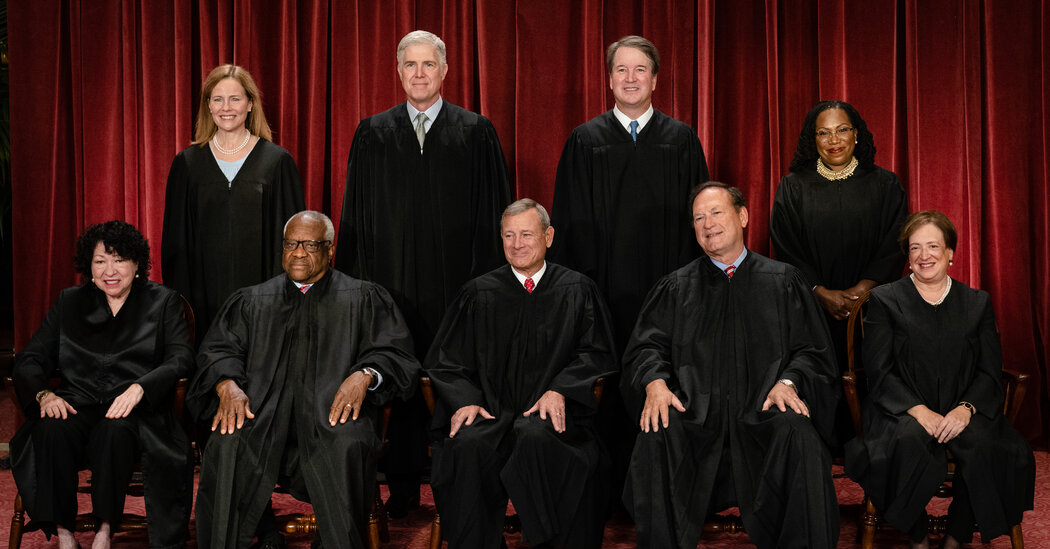
The Supreme Court has issued a broad code of conduct aimed at promoting "integrity and impartiality" among the justices, following controversies over their ethics. However, the code lacks an enforcement mechanism and does not address past transgressions or specific issues such as lavish trips and gifts received by some justices. Critics argue that the code gives justices too much discretion over recusal decisions and fails to provide a remedy for violations. While some see it as a positive step, others believe it falls short in holding the justices accountable. The issuance of the code comes amid ongoing pressure from Senate Democrats to investigate the trips taken by Justices Clarence Thomas and Samuel A. Alito Jr. funded by wealthy donors.
The US Supreme Court has unveiled its first formal code of conduct, addressing ethical behavior for its nine justices. The code comes in response to months of pressure and media reports revealing undisclosed luxury trips and connections with wealthy benefactors. Critics have expressed concerns about the lack of an enforcement mechanism. The code prohibits outside relationships from influencing official conduct, restricts participation in fundraising, and emphasizes limits on accepting gifts. The court's statement accompanying the code clarifies that it aims to dispel the perception that the justices are unrestricted by ethics rules. Senate Democrats have pursued legislation to mandate an ethics code for the Supreme Court, and while some view the code as a step in the right direction, others believe it falls short of the ethical standards applied to other federal judges.
The U.S. Supreme Court is adopting a code of ethics for its justices in response to mounting criticism of gifts and trips from wealthy benefactors. The code aims to provide specific guidelines on financial transactions, disclosure provisions, and recusal in cases involving family members. However, there is no enforcement mechanism, leading critics to view the code as toothless and lacking in binding guidelines.
The Supreme Court has announced the adoption of an ethics code for its justices following revelations about undisclosed property deals and gifts. While lower federal judges are bound by an ethics code, the Supreme Court justices have never been required to abide by the same rules due to their special constitutional status. The code aims to clarify and consolidate the ethics rules and principles that guide the conduct of the court's members. However, it remains unclear how the code will be enforced. The decision comes after calls for the court to adopt an ethics code intensified, particularly in light of potential conflicts of interest and allegations of failing to disclose connections to wealthy individuals.
The Supreme Court is set to hear a Second Amendment case involving a law banning individuals subject to domestic violence restraining orders from owning guns. The case could have significant implications for victims of domestic violence, as studies show that the presence of a gun increases the risk of death for women. The attorneys in the case are relying on a previous Supreme Court decision that gun regulations must align with the nation's historical tradition of firearm regulation. Justices Kavanaugh, Barrett, and Thomas will be closely watched for their positions on gun rights and domestic violence. Kavanaugh and Barrett have previously expressed views on gun restrictions, while Thomas is known for his originalist interpretation of the Constitution.
POLITICO reviewed the annual disclosure forms of current and former Supreme Court justices, revealing an assortment of gifts that offer a glimpse of their personalities. John Roberts received opera tickets, Clarence Thomas got a bust of Frederick Douglass, Samuel Alito received a sculpture of a hand, Sonia Sotomayor got fine art, Elena Kagan received a signed book, and Neil Gorsuch got cowboy boots, a fishing rod, and a painting. The three newest justices have not reported any gifts, while Antonin Scalia received guns and dictionaries, and Ruth Bader Ginsburg received a $1 million prize, which she donated to charity.
Florida Governor Ron DeSantis said that the next president may have the opportunity to appoint successors for both Justice Samuel Alito and Justice Clarence Thomas, who are both in their 70s. He also suggested that the next president could potentially appoint successors for Chief Justice John Roberts and Justice Sonia Sotomayor, both of whom are 68 years old. DeSantis emphasized the importance of appointing conservative justices to create a conservative majority on the court that could last for a quarter century.