Ericsson beat fourth-quarter operating profit expectations due to software sales but expects a further decline in 5G gear demand from mobile operators in 2024, leading to potential cost cuts and layoffs. The company's fourth-quarter net sales fell 16%, missing estimates, and its shares were down 2% following the results. Ericsson's CEO cited market uncertainties and a decline in the Radio Access Network market outside China, while projecting a boost from a $14 billion telecom deal with AT&T in the second half of the year.
AT&T shares rose 3.9% after announcing a new network deal with Ericsson, in which the company plans to spend up to $14 billion on network equipment over a five-year period. AT&T aims to lead the US in commercial scale open radio access network (Open RAN) deployment.
AT&T's CEO, John Stankey, stated that the recently announced $14 billion supply deal with Ericsson will not be a "secret sauce" for reducing costs, but rather the savings will be allocated towards other spending priorities such as improving wireless coverage and building fiber-optic cables. Stankey also mentioned that Nokia could still compete for business in the future, particularly in the era of 6G networks. The deal with Ericsson will result in AT&T moving away from Nokia equipment in many markets.
AT&T has awarded a $14 billion contract to Ericsson to modernize its wireless network, ousting its longtime rival Nokia. The contract allows AT&T to choose vendors for its antennas and infrastructure, marking a strategic shift in the industry. The funds will be paid out over five years and will focus on upgrading AT&T's infrastructure for 5G technology. The move is a blow to Nokia, whose shares tumbled in response. Ericsson currently supplies two-thirds of AT&T's network, while Nokia accounts for the other third. The contract highlights the contrasting fortunes of the industry amid a global slump in 5G spending.
European markets closed higher, with the Stoxx 600 index up 0.4%. Telecom stocks were among the biggest movers, with Ericsson up 4.4% after striking a deal with AT&T, while Nokia plunged 8.4% on expected losses. U.K. property sales are expected to improve in the next six months. Barclays shares fell 2.5% as Qatar Holding moved to sell millions of its stock. U.K. retail sales in November were dampened as households delayed Christmas spending. The Caixin China services PMI climbed to its highest level in three months, while China's official PMI showed a contraction.
Ericsson has secured a $14 billion deal with AT&T to provide equipment for the US telecom giant's 5G network. The agreement includes the deployment of Ericsson's "open RAN" technology, which allows for greater flexibility and interoperability in network infrastructure. This deal is a significant boost for Ericsson in the competitive telecommunications market.
Nokia's shares plunged to a three-year low after losing a major deal with AT&T to Swedish rival Ericsson. AT&T will be partnering with Ericsson to roll out a new network in the U.S., using Ericsson's 5G equipment. The partnership covers the deployment of an open radio access network (Open RAN), which AT&T expects to use for 70% of its wireless network traffic by late 2026. Nokia CEO Pekka Lundmark called the news "disappointing" but said the company remained committed to Open RAN and had plans to diversify its business. Nokia is already facing financial troubles, and the loss of market share as a supplier to AT&T will further impact its revenue.
AT&T has chosen Ericsson to build a telecom network in the US using ORAN technology, which promises to cut costs for telecom operators by using cloud-based software and gear from multiple suppliers. The network will cover 70% of AT&T's wireless traffic by late 2026. The move marks a milestone for ORAN technology, as existing carriers have been slow to adopt it. The deal with Ericsson could cost AT&T up to $14 billion over five years and makes Ericsson the largest supplier to AT&T, potentially taking over Nokia's share. Nokia shares fell on speculation of losing the AT&T contract.
European markets opened slightly lower as investors focused on corporate earnings and the ongoing turmoil in the Middle East. The pan-European Stoxx 600 index was down 0.13%, with health-care stocks gaining while basic resources declined. Ericsson shares dropped 8.2% after reporting a decline in sales and a significant loss for the third quarter, citing macroeconomic uncertainty. Belgian mining company Umicore saw a 12% jump in its shares after announcing plans to build a new plant in Canada. Swiss drugmaker Lonza fell 10% after cutting its 2024 margin target. In the UK, regular pay growth slowed for the first time since January, signaling a softening labor market.
Despite facing restrictions from Western countries, Huawei has reached a long-term patent agreement with Ericsson. The deal allows Huawei to access Ericsson's extensive patent portfolio, ensuring the Chinese tech giant can continue to develop and sell its products globally. This agreement highlights the importance of intellectual property rights in the technology industry and showcases Huawei's determination to overcome the challenges posed by Western curbs.
Nokia and Ericsson stocks are both declining as telecoms companies in North America reduce their spending, leading to a downbeat outlook on demand for the telecommunications suppliers.
The US Securities and Exchange Commission (SEC) has awarded a record $279m to a whistleblower who provided information leading to a successful enforcement action against Ericsson. The Swedish telecoms company was found to have violated the Foreign Corrupt Practices Act by bribing officials in multiple countries. The award is the largest ever given by the SEC's whistleblower programme, which was established in 2011 to incentivise individuals to report fraud and other securities violations.
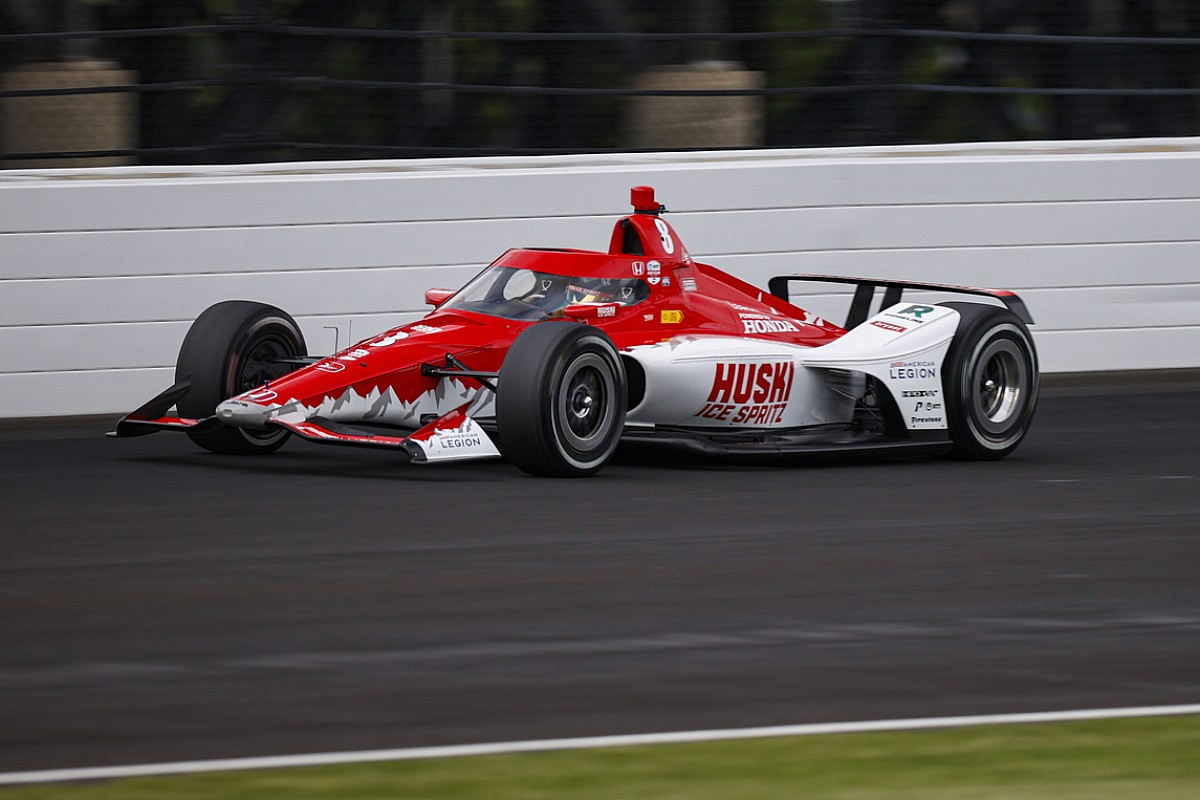
Marcus Ericsson set the fastest practice time of the week at over 235mph in the final running before qualifying resumes for the Indy 500. Santino Ferrucci and Alex Palou also impressed, with Palou beating his single-lap speed but Ferrucci recording the fastest four-lap average. Benjamin Pedersen recorded the fastest no-tow lap, while Rinus VeeKay hit trouble and caused a yellow. Fast 12 qualifying for the Indy 500 starts at 2pm local time.
Marcus Ericsson set the fastest time in Thursday's practice session for the Indy 500, lapping the Indianapolis Motor Speedway oval at 229.6mph in his Honda-powered Chip Ganassi Racing car. He was followed by Scott Dixon, Simon Pagenaud, and Will Power. Teams started the day in qualifying trim, with Ericsson setting the early pace at 226.9mph. Practice resumes on Friday for another six hours of running.
Nokia reported weaker-than-expected earnings for Q1 2021, citing a slowdown in demand for its 5G gear in some of its more mature markets. The company's adjusted operating profit was €479 million ($525 million), compared to an average analyst estimate of €544 million. Nokia CEO Pekka Lundmark said the company is starting to see signs of the economic environment impacting customer spending, but believes the weakness is primarily a question of timing. The company expects profitability in the second half of the year to be stronger than the first half.