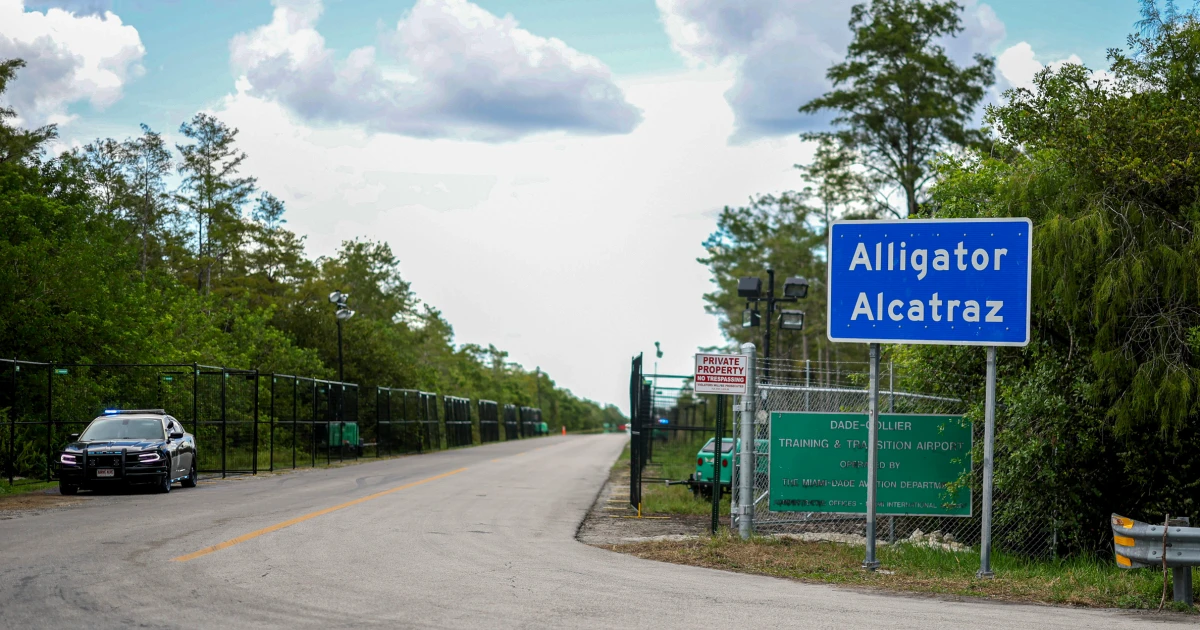
A Florida judge has temporarily halted construction at the controversial migrant detention facility 'Alligator Alcatraz' in the Everglades due to violations of environmental laws, with construction activities like paving and infrastructure installation ordered to stop for 14 days, while the facility's immigration enforcement activities continue unaffected.
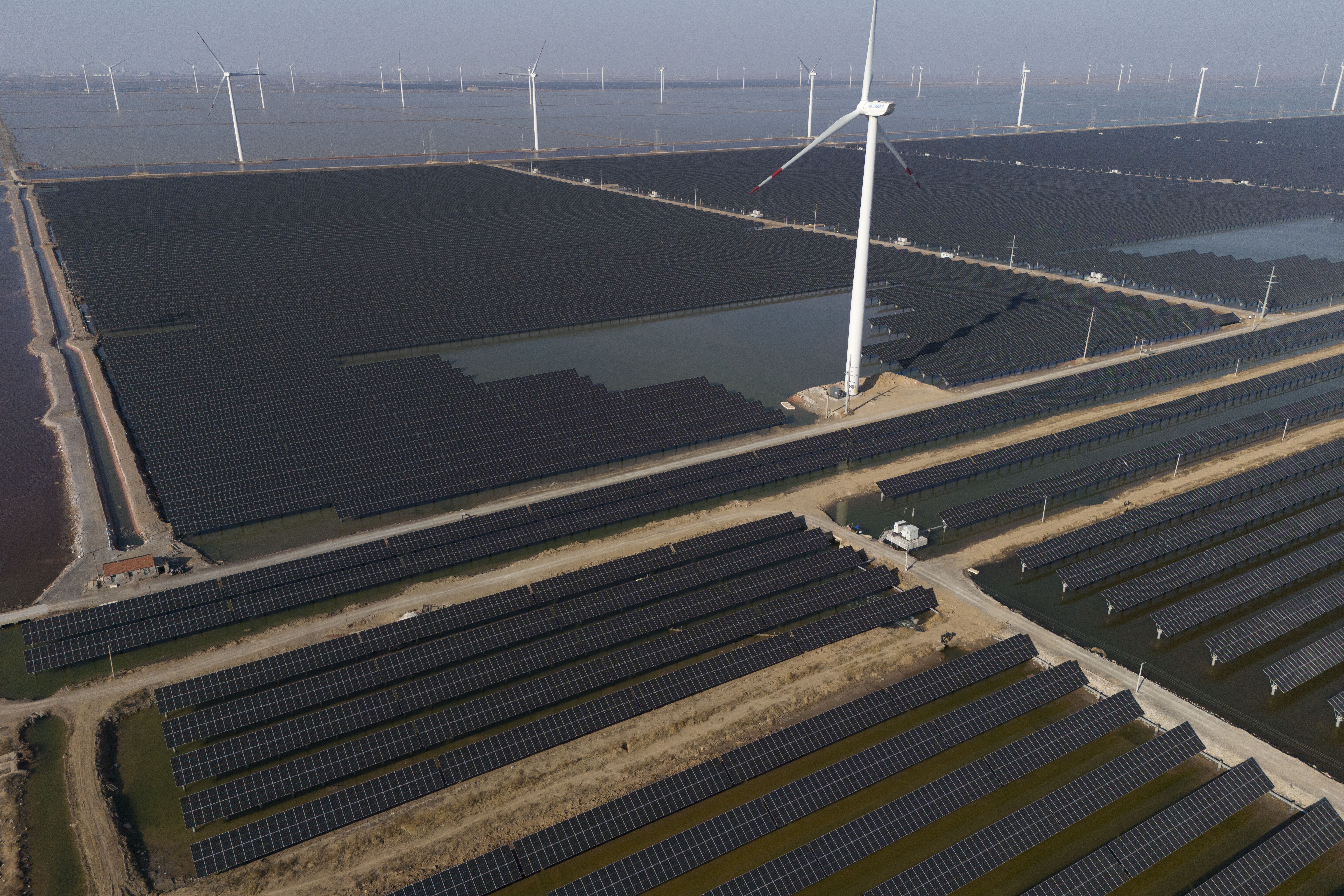
California is considering rolling back some environmental laws to counteract federal changes, while also debating increased investment in electric vehicle incentives using cap-and-trade revenues, despite funding conflicts and existing commitments.
Three Indigenous Teduray people died and over 30 were hospitalized after consuming a stew made from an endangered sea turtle in the Philippines, highlighting the dangers of eating contaminated sea turtle meat. Despite being illegal under Philippine environmental laws, sea turtles are still consumed as a traditional delicacy in some communities. The incident has prompted local officials to enforce stricter bans on hunting sea turtles to prevent future food poisoning cases.
Tesla has settled a lawsuit with 25 California counties over mishandling hazardous waste by agreeing to pay $1.5 million in fines and implement measures to ensure proper waste management at its facilities. The settlement includes civil penalties, reimbursement for investigation costs, and a detailed injunction requiring waste audits for five years. The lawsuit alleged improper labeling and disposal of hazardous materials at Tesla's production and service facilities, prompting a six-year environmental investigation that revealed illegal waste disposal.
The US Supreme Court's potential overturning of the Chevron deference, a legal principle giving deference to federal agencies' interpretations of ambiguous laws, could significantly hinder the Biden administration's climate regulations and embolden legal challenges from fossil-fuel trade groups. Without Chevron deference, agencies would be more cautious in their interpretations of environmental laws, making it difficult for the administration to pursue its climate change agenda. This could lead to increased legal uncertainty and hinder progress in addressing climate change.
Diesel engine manufacturer Cummins has agreed to pay a record $1.675 billion to settle civil cases brought by the U.S. Department of Justice and the state of California for allegedly using "defeat devices" to bypass emissions laws in hundreds of thousands of engines. The settlement, the largest ever for alleged violations of the Clean Air Act, involves the recall of over 900,000 RAM pickups to update their emissions software. Cummins did not admit to any wrongdoing in the settlement but remains committed to its zero-emissions future strategy.