New research published in Nature Neuroscience reveals that memory recall becomes sharper following negative experiences, challenging conventional expectations about memory and trauma. The study focused on engrams, neuronal cells in the brain that store memory information, and found that the number of activated engram cells decreases over time, leading to improved memory discrimination. These findings have significant implications for understanding and treating memory disorders like Alzheimer’s disease and could potentially lead to new treatments by targeting the early window after memory formation where engrams must be changing.
New research published in Nature Neuroscience explains how memory works at the cellular level, focusing on engrams, which are neuronal cells in the brain that store memory information. The study reveals that the number of engram cells activated during memory recall decreases over time, leading to improved memory discrimination. This has implications for understanding and treating memory disorders such as Alzheimer's disease, as disruptions in the early window after memory formation may contribute to memory dysfunction. The findings provide insight into the formation and stabilization of memories and offer potential avenues for developing treatments for memory disorders.
Research on rats suggests that our brains may still store memories of our earliest experiences, even though we cannot recall them. A study from Trinity College Dublin has found that a mother's immune system plays a role in moderating access to these memories, a phenomenon known as infantile amnesia. The study, which involved immunological models of autism spectrum disorder (ASD) in mice, revealed that male offspring of mothers who had an immune response during pregnancy showed signs of social behavior deficits and remembered fearful events for longer periods. The research suggests that a small immune protein called cytokine IL-17a may be key to this process. Understanding the mechanisms behind infantile amnesia could have important implications for education and medicine.
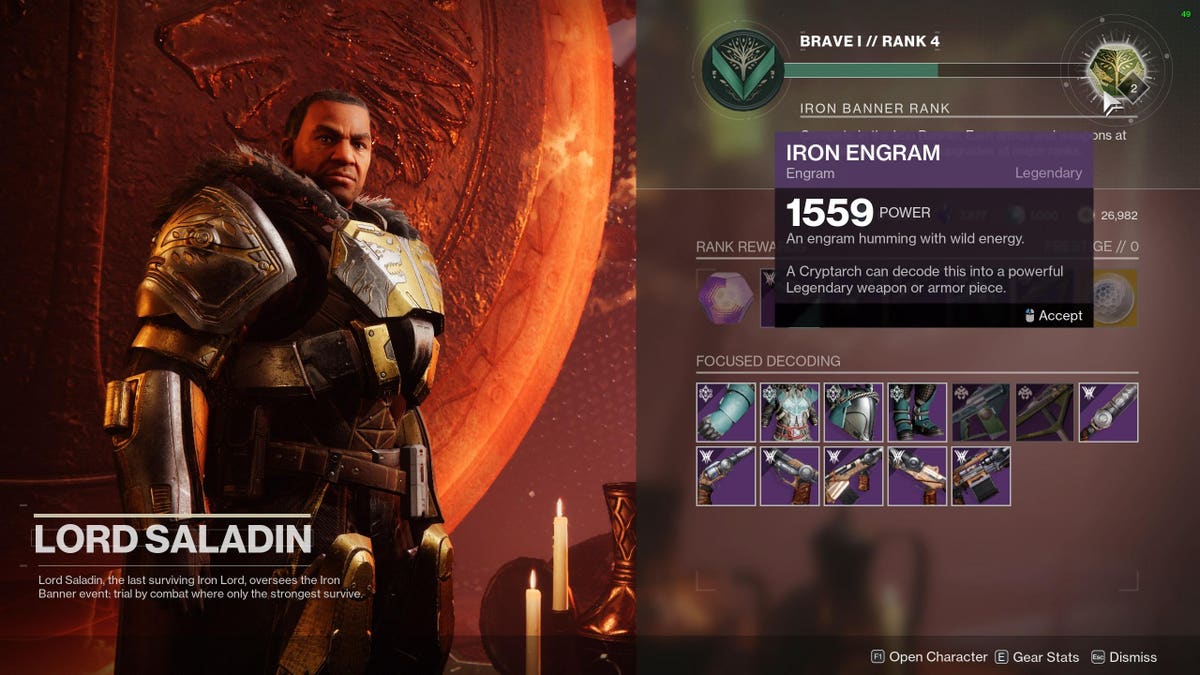
Destiny 2 players are frustrated as Iron Banner engrams, which were supposed to carry over to the new season, were unexpectedly wiped when the season switched over. Bungie has not addressed the issue or provided any compensation or resolution, leaving players uncertain about what will happen next. This incident highlights ongoing communication issues and a lack of engagement from Bungie, which has been trying to reevaluate its community engagement strategy.