China's energy storage sector is experiencing a boom driven by market reforms, domestic demand from data centers and renewables, and international exports, with Chinese firms dominating global lithium-ion battery cell shipments and exports expected to surge by 75% this year.
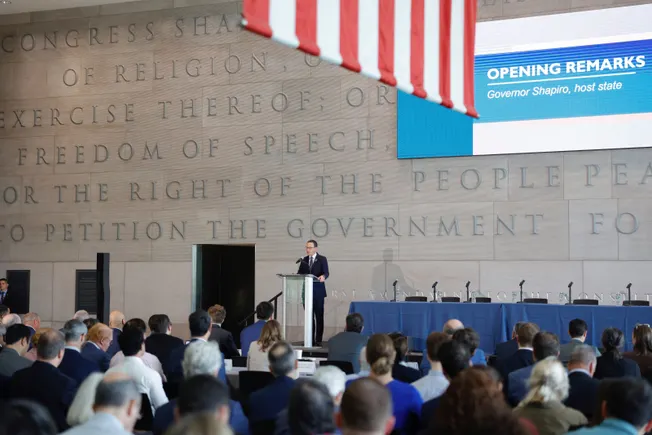
Governors from PJM states threaten to leave the regional grid operator unless they are given a greater role in governance, citing concerns over rising capacity prices and the need for reforms to include more state influence, including board representation and FERC filing rights. PJM is open to discussions, but reforms would require approval and could take time, amid opposition from independent power producers.
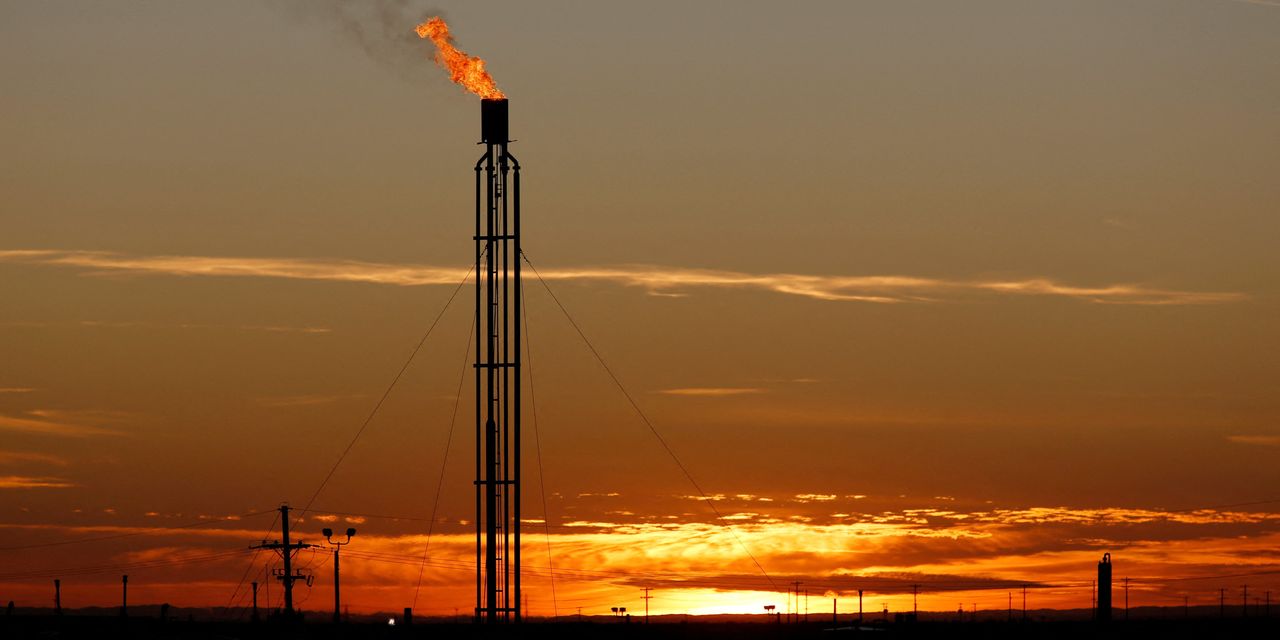
Texas plans to spend billions of dollars to subsidize natural gas plants to prevent more blackouts after renewable subsidies distorted and destabilized the state's electric grid, resulting in a week-long power outage during the February 2021 freeze. The move aims to level the playing field for natural gas plants that provide reliable power but can't make money due to competition from subsidized renewable energy.
San Diego Gas & Electric has proposed a new flat-rate pricing plan for residential electric rates that would lower costs for most low- and moderate-income customers and prepare for phasing out natural gas appliances and gasoline-powered vehicles. The plan calls for four flat-rate tiers based on household income to cover the cost of transformers, transmission lines, billing, and customer service. Customers would pay the flat rate plus an average of 27 cents per kilowatt-hour of electricity used, compared to the current average of 47 cents per KWh. The utility estimates that the average low-income customer could save as much as $300 a year under the new rate plan.
The US House of Representatives passed a Republican energy reform bill aimed at boosting oil and gas production while scaling back climate initiatives. The Lower Energy Costs Act passed by a mostly partisan 225-204 vote, but faces little chance of making it through the Democratic-led Senate. The bill would deliver on a top 2022 Republican campaign pledge to lower Americans' energy costs. However, Democrats have been calling the bill one that "puts polluters over people." The White House has also said President Joe Biden would veto the measure if it were to make it to his desk.