Tag

Emperor Penguins

All articles tagged with #emperor penguins

natureanimal-behavior1 year ago

Adorable Footage: Baby Emperor Penguins Brave Cliff Dive into Antarctic Ocean

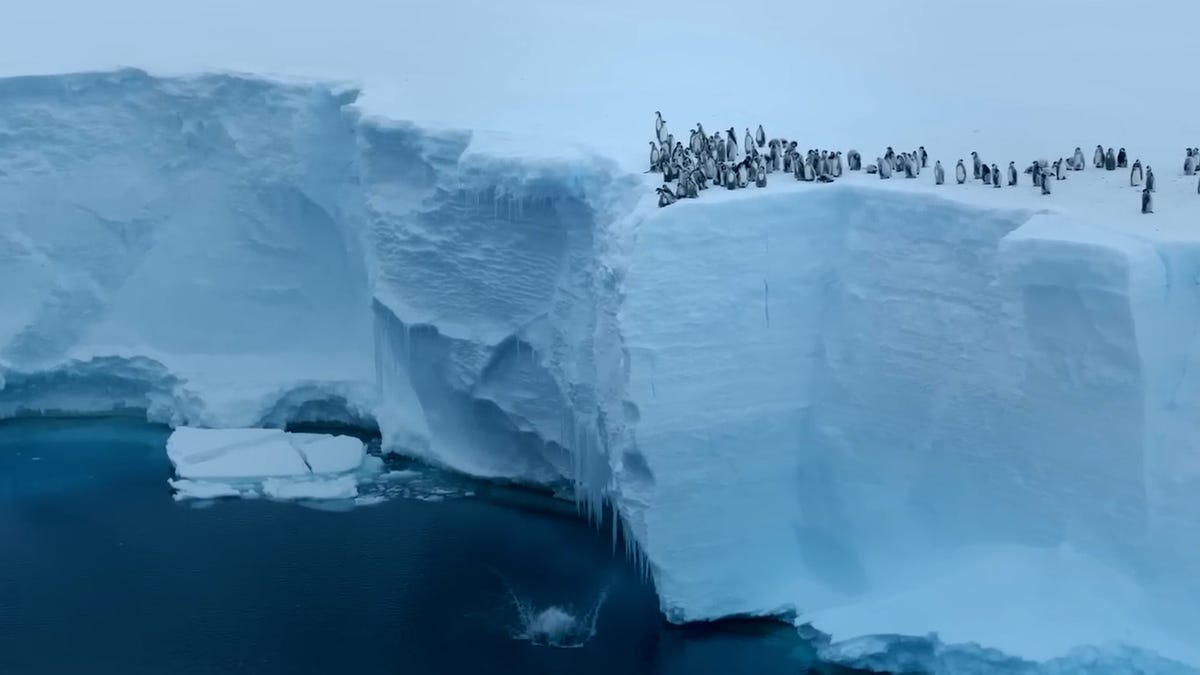
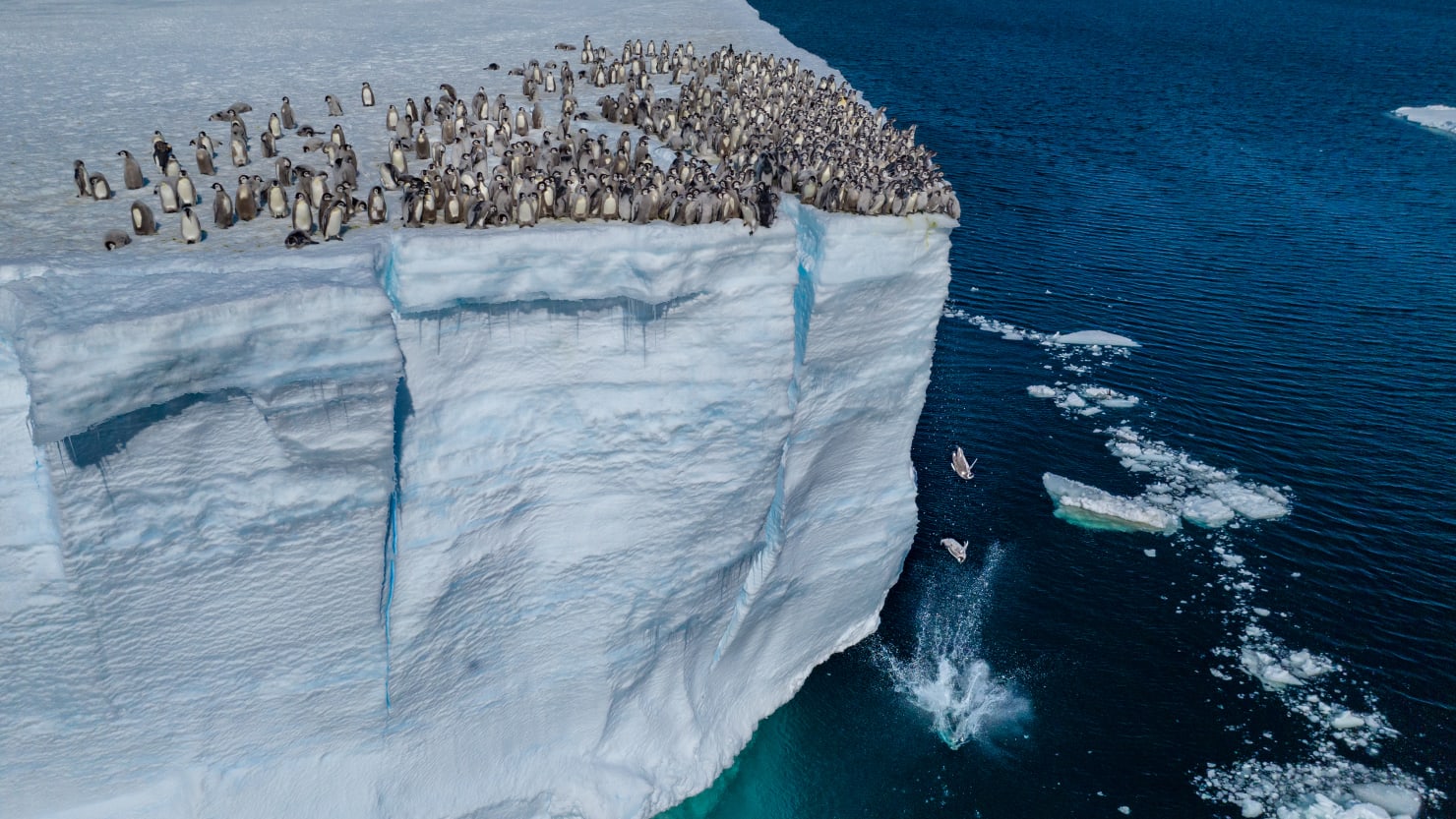
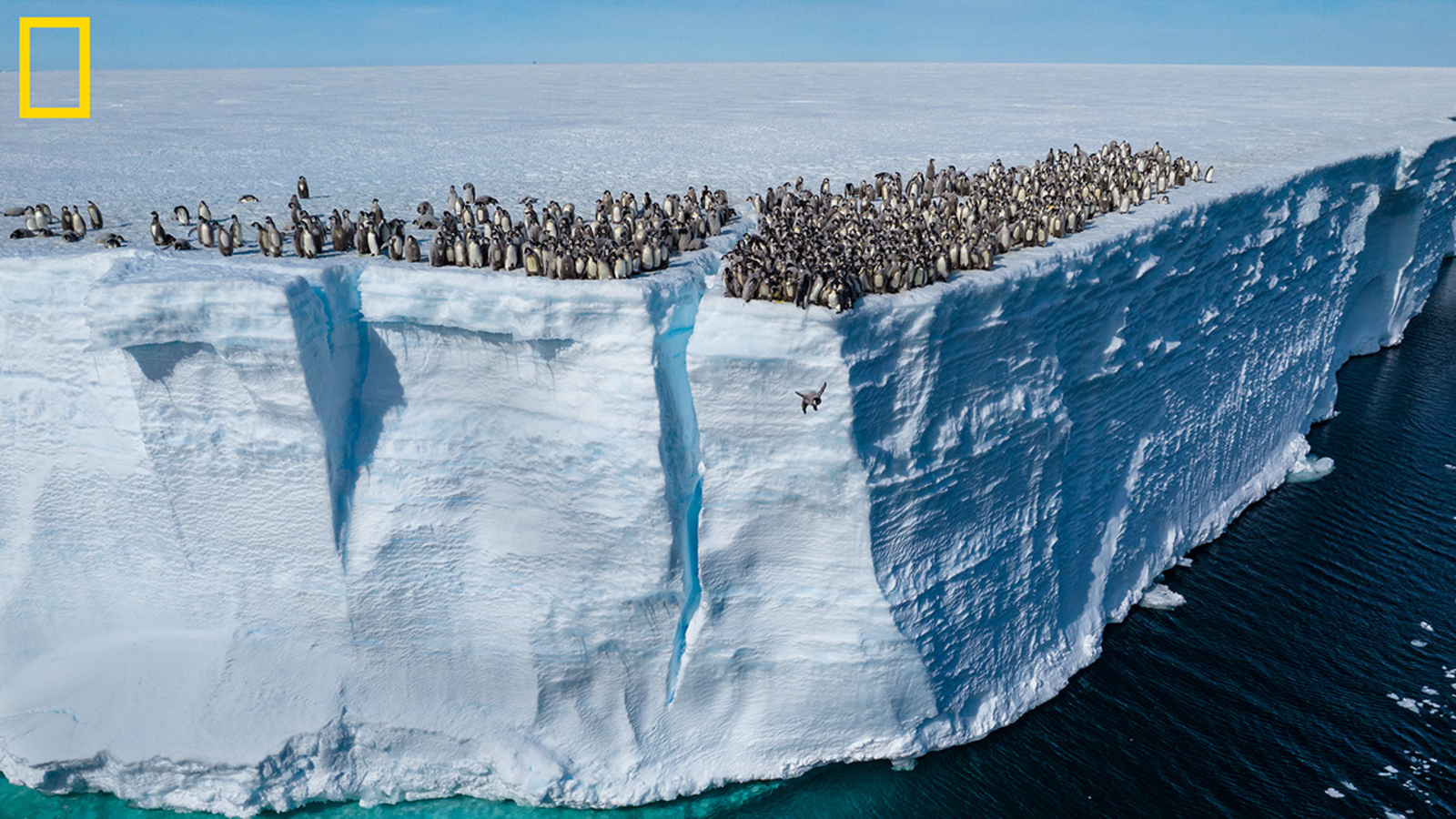
National Geographic cinematographer Bertie Gregory captures unprecedented footage of baby emperor penguins jumping off a 50-foot Antarctic glacier, showcasing their remarkable courage and determination. The never-before-filmed behavior will be part of a larger documentary set to premiere on Earth Day in 2025, offering a deeper look into the secrets of penguins.
wildlifenature1 year ago

"First Swim: Baby Emperor Penguins Take the Plunge in National Geographic Footage"

National Geographic filmmakers have captured the first-ever footage of baby Emperor penguins leaping off a towering ice shelf for their first swim, a ritual that occurs in January when the sea is most volatile. Approximately 700 penguin chicks were seen gathering at the top of a sheer ice cliff before launching themselves into the icy waters below. The footage was captured in Antarctica by cinematographer Bertie Gregory for an upcoming National Geographic production called THE SECRETS OF PENGUINS, set to air in April 2025.

natureanimal-behavior1 year ago

Adorable Video Captures Baby Emperor Penguins Cliff-Diving into Antarctic Ocean

Nat Geo Explorer Bertie Gregory captured never-before-seen video of baby emperor penguins cliff diving off a 50-foot ice shelf in Antarctica, showcasing their first swim in the Southern Ocean. The rare behavior, known as fledging, was documented for the first time and will be featured in a new documentary. Despite the challenging conditions, the penguin chicks successfully navigated the icy waters, marking a significant milestone in their lives.

environment2 years ago

Bird Flu Spreading and Causing Damage in Antarctic, Latest Report Reveals

Experts warn that bird flu, specifically the highly pathogenic avian influenza (HPAI) H5 virus, is likely to spread further in the Antarctic region, posing a significant threat to wildlife populations. The virus has already been detected in birds on Bird Island and the Falkland Islands. The presence of dense colonies of seals and birds in the region could facilitate virus transmission and result in high mortality. The emperor penguin species, already considered near-threatened, is particularly at risk. Continued monitoring and biosafety measures are urged to reduce the risk of further spread and protect both wildlife and humans.

animals2 years ago

"Survival Strategies: How Deep-Sea Creatures Evade the Bends"

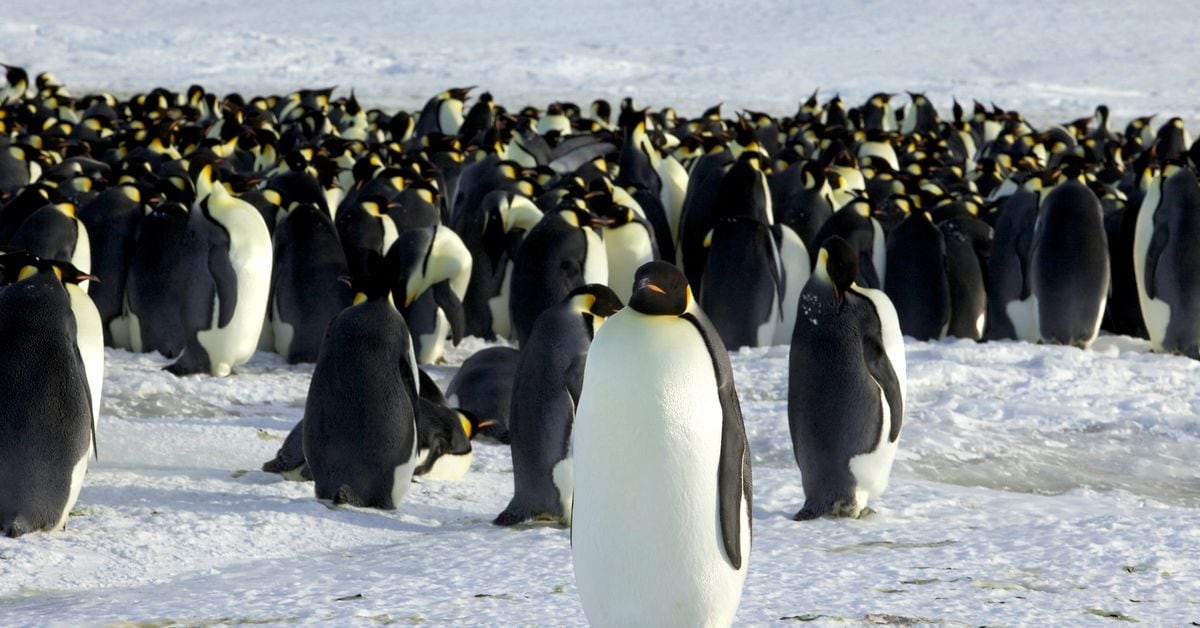
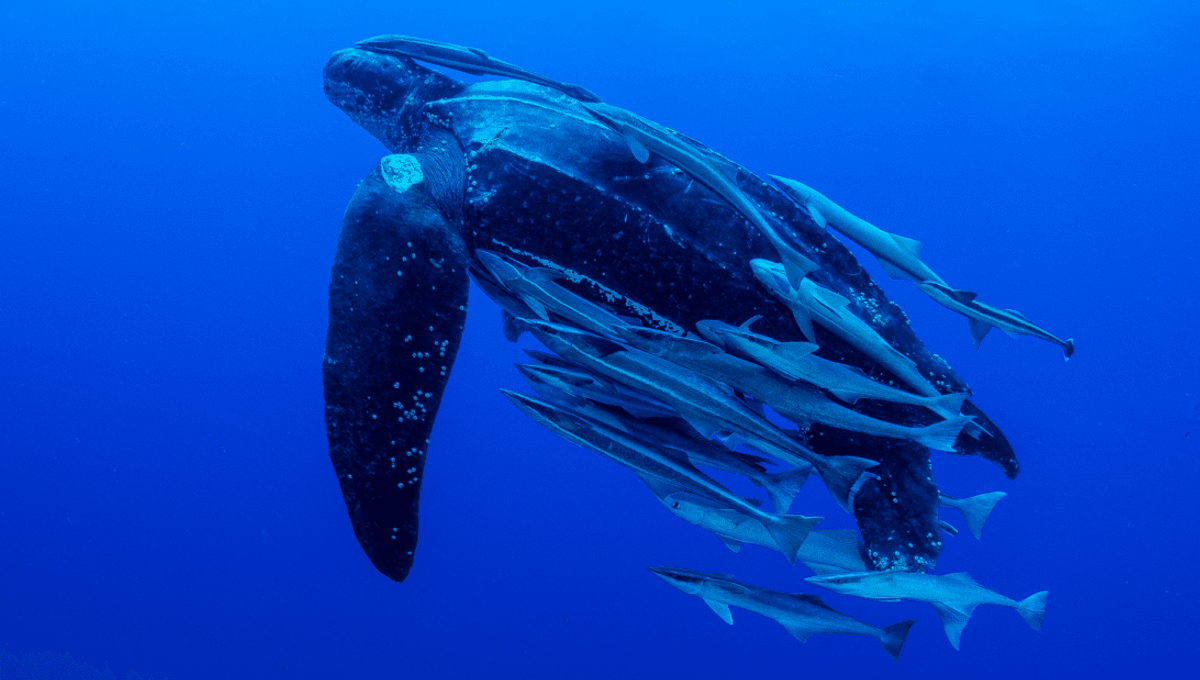
The ocean is home to a variety of animals that can dive to extreme depths. Some of the deepest diving animals include Emperor penguins, which can swim down to 500 meters and lower their heart rate to avoid decompression sickness; Leatherback turtles, which can dive to 1,200 meters and use gliding techniques to avoid the bends; Whale sharks, the largest fish, which have been recorded diving to 1,928 meters and may forage in the deep scattering layer; Sperm whales, which can dive to 2,250 meters and have specialized adaptations to withstand the pressure; and Cuvier's beaked whales, which hold the record for the deepest dive at 2,992 meters and can shut down certain organs to survive on long dives.

environment2 years ago

Imminent Extinction: Emperor Penguins Face Dire Future as Antarctic Melts

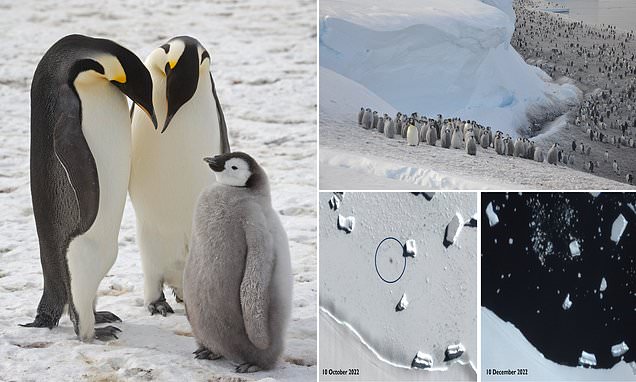
Scientists warn that 90% of the world's Emperor penguins could face extinction within 80 years due to rapid sea ice melt caused by global warming. Recent satellite imagery revealed that four out of five known groups breeding near the central and eastern Bellingshausen Sea failed to produce any chicks, marking an unprecedented event. The loss of stable sea ice during the Antarctic summer makes it unlikely for displaced chicks to survive. The decline in sea ice extent not only affects Emperor penguins but also impacts other species like crabeater seals, Weddell seals, Minke whales, and seabirds, as well as the entire southern ocean ecosystem. Urgent action is needed to limit global temperature rise and protect the waters surrounding Antarctica to prevent the extinction of Emperor penguins.