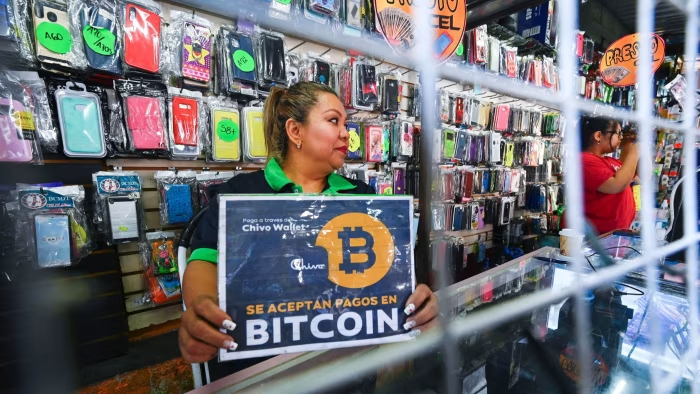
El Salvador is negotiating a $1.3 billion loan with the IMF, which requires scaling back its use of Bitcoin as legal tender and reducing government deficits. The deal could unlock additional funding from the World Bank and Inter-American Development Bank. The IMF has opposed El Salvador's Bitcoin adoption due to financial stability concerns. President Nayib Bukele's government plans to make Bitcoin acceptance voluntary for businesses and reduce the budget deficit. Despite Bitcoin's limited use among citizens, Bukele has focused on economic revival and foreign investment, leading to improved sovereign bond ratings.
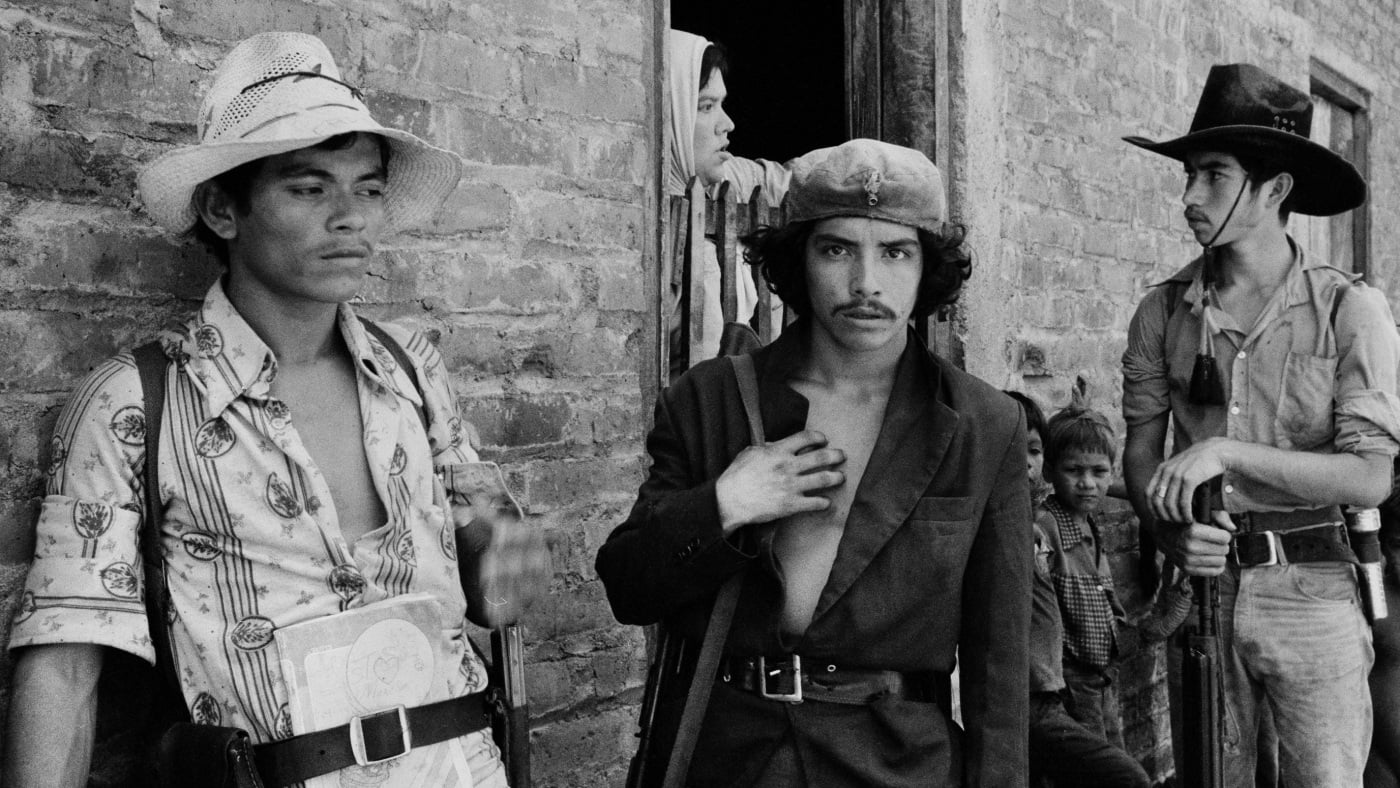
Photojournalist Robert Nickelsberg's book "Legacy of Lies" documents the brutal civil war in El Salvador during the early 1980s, highlighting the impact of U.S. foreign policy in the region. Through black-and-white photographs and essays, the book captures the violence fueled by U.S. support for El Salvador's right-wing military government against left-wing guerrillas, resulting in significant civilian casualties and social upheaval. The work provides a visual narrative of the Cold War's influence on Latin America and the enduring consequences of U.S. intervention.
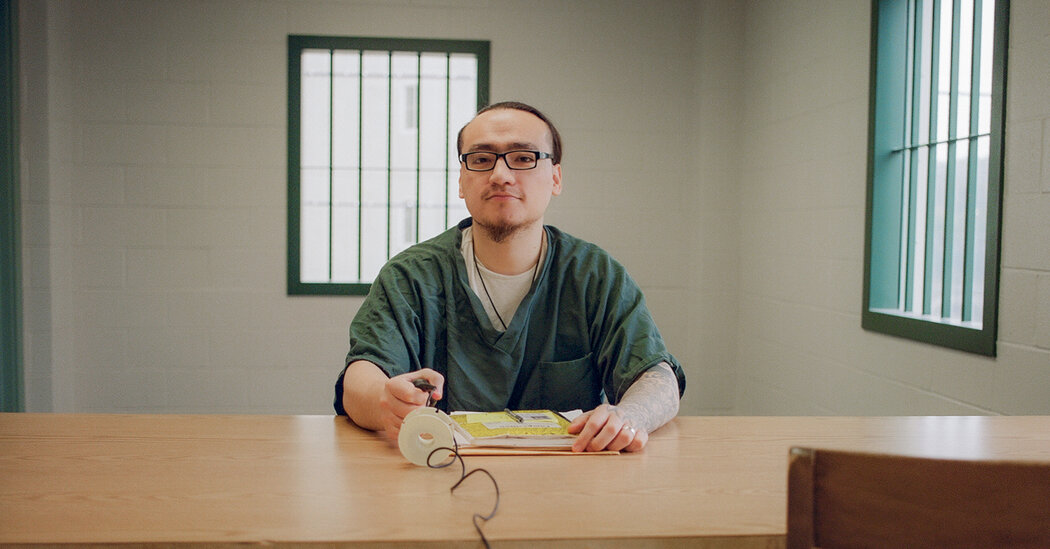
Marco Flores, who killed his molester at age 17 and served 13 years in a Massachusetts prison, is facing deportation to El Salvador upon release, despite having lived in the U.S. since he was 6. His case highlights the complexities of immigration law, especially for those with criminal convictions, amidst a political climate pushing for increased deportations. Flores's legal team is working pro bono to prevent his deportation, arguing that he may be eligible for relief as a victim of certain crimes and that he faces a high risk of torture if returned to El Salvador. Flores's future in the U.S. remains uncertain as he awaits a new hearing date while in ICE custody.
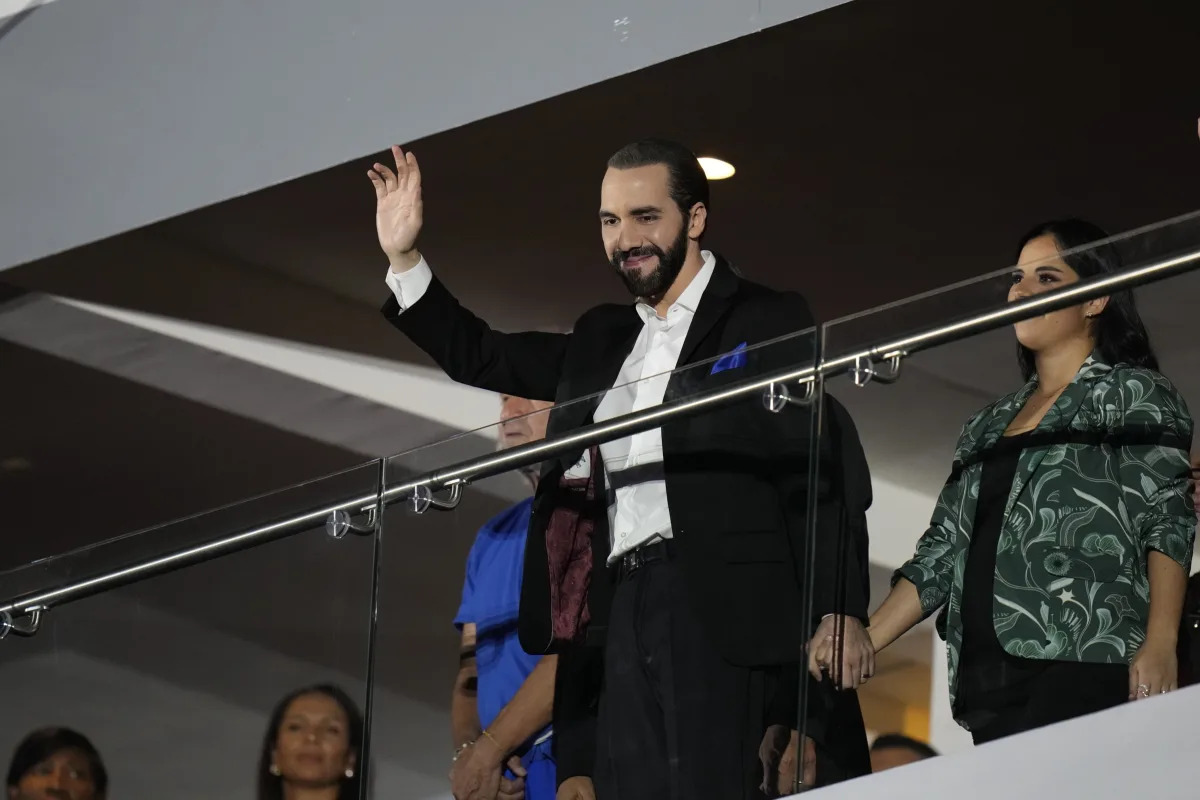
El Salvador's President Nayib Bukele has registered to run for reelection next year, despite objections from legal experts and opposition figures who say the country's constitution prohibits his candidacy. Bukele's approval ratings are running above 80% in many polls, following a reduction in crime stemming from his harsh-but-popular crackdown on gangs. While constitutional bans on reelection were once common in Latin America, those term limits have been removed, overturned or ignored in a number of cases, including Honduras, Nicaragua, Venezuela and Bolivia.
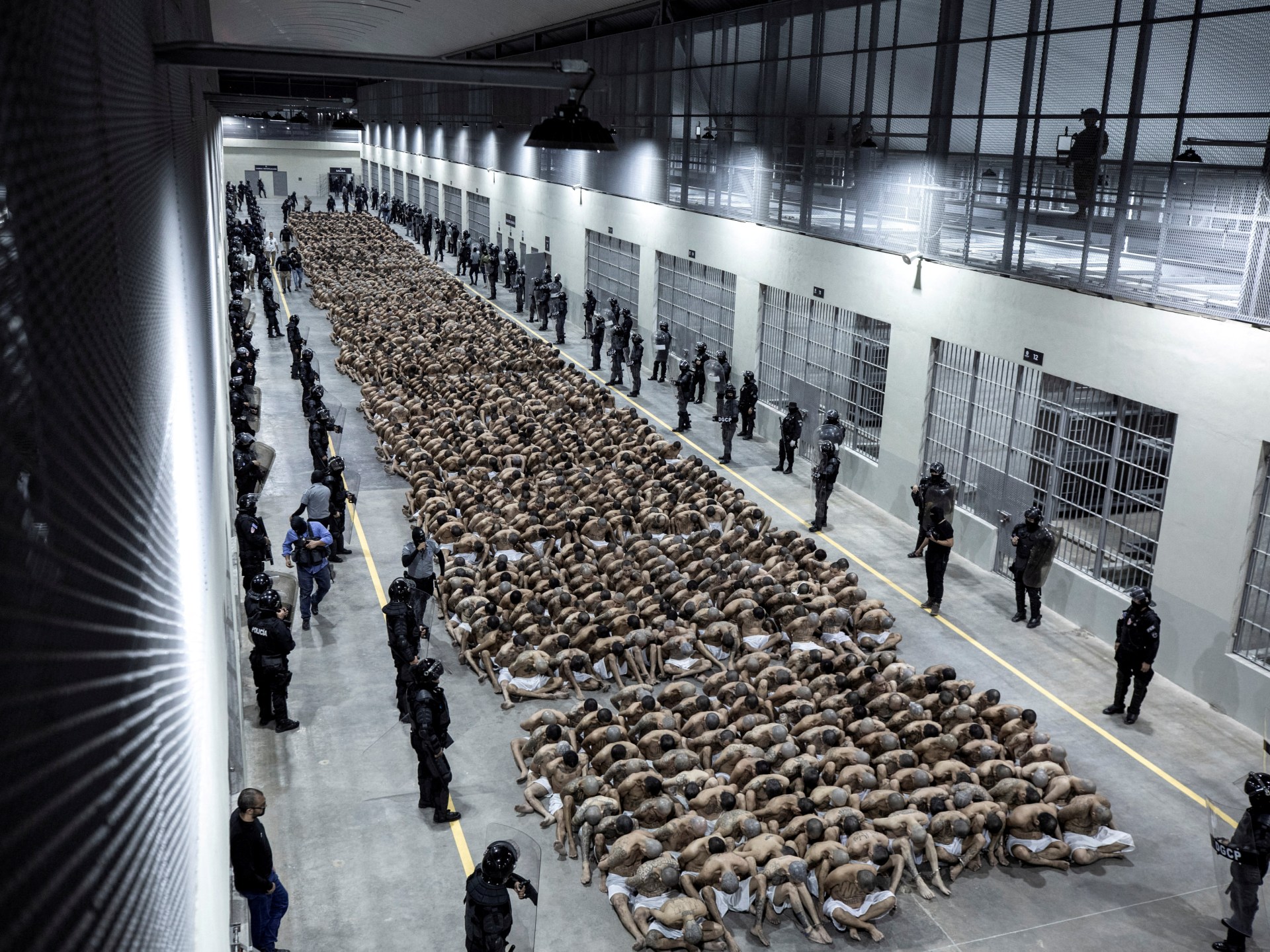
El Salvador has extended its state of emergency for the 12th time, which suspends certain civil liberties and allows arrests without warrants, government access to private communications, and detentions without the right to a lawyer. The measures have led to around 66,000 arrests in the Central American nation, but human rights groups and United Nations experts have raised serious concerns around violations of due process, arbitrary arrests, and mistreatment of detainees. President Nayib Bukele's government plans to ensure that detainees remain behind bars, particularly in advance of 2024 elections.