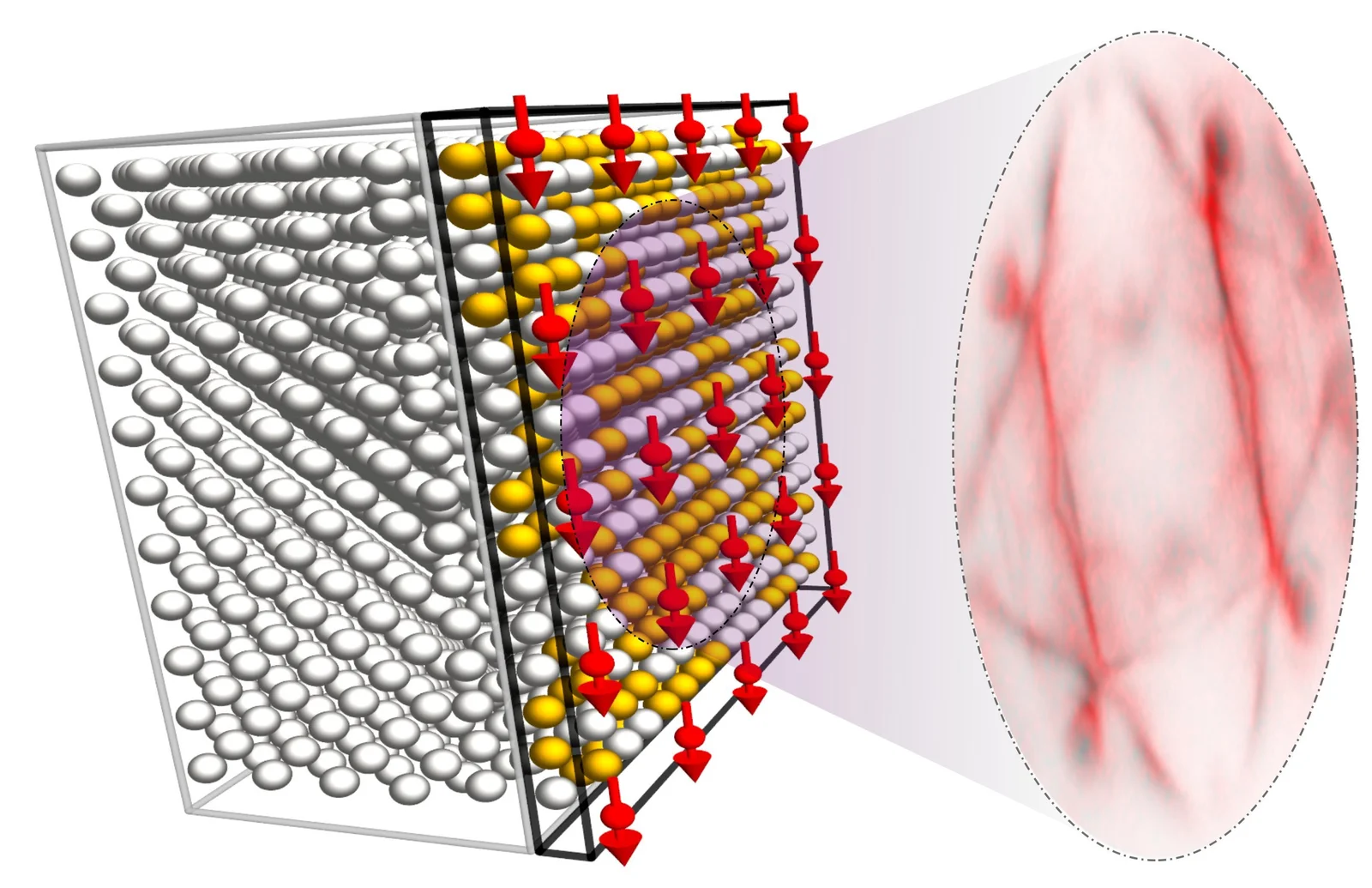
Researchers at Forschungszentrum Jülich have created the world's first experimentally verified two-dimensional half metal, a material that conducts electricity using electrons of only one spin type, which could advance energy-efficient spintronic devices and operate effectively at room temperature.

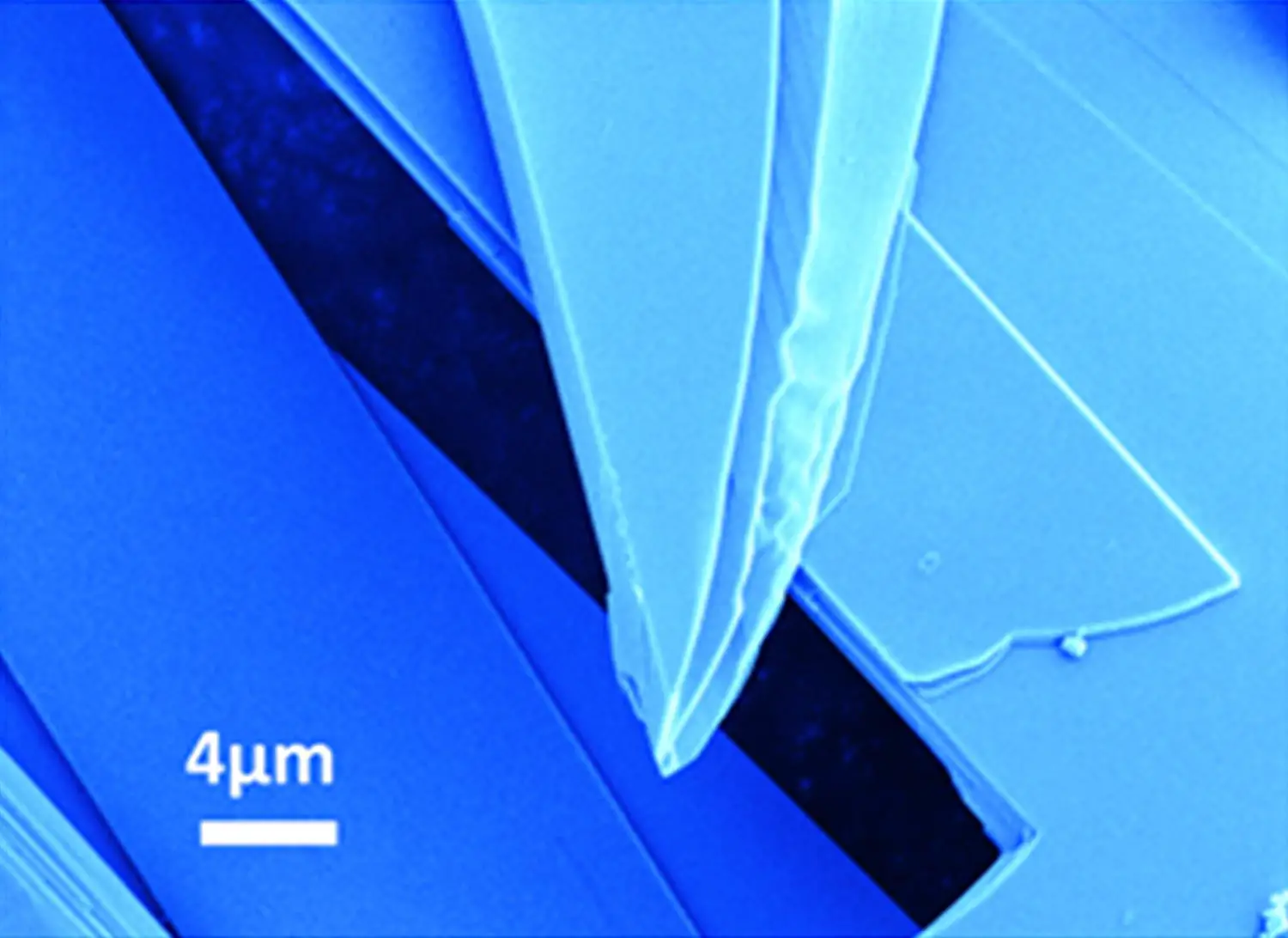
Columbia University researchers have synthesized the first 2D heavy fermion material, CeSiI, a breakthrough in quantum material science that paves the way for new research into quantum phenomena and the design of innovative materials. This material, with electrons up to 1000 times heavier than usual, offers new possibilities in understanding quantum phenomena, including superconductivity, and is easier to manipulate and combine with other materials due to its 2D structure. The development opens up new avenues for exploring fundamental physics and probing unique quantum phases, with potential applications in the design of new materials.
Scientists have developed a new 2D metallic material called molybdenene, composed of a single atomic layer of molybdenum atoms. Similar in thickness to graphene, molybdenene exhibits impressive heat resistance and has potential applications in enhancing battery performance, atomic microscopy, and spectroscopy. It is mechanically stable and could be used as a coating for electrodes to improve battery efficiency. Additionally, molybdenene's metallic character and freely moving electrons make it an interesting candidate for catalysts and scientific applications such as atomic force microscopy and surface-enhanced RAMAN spectroscopy.