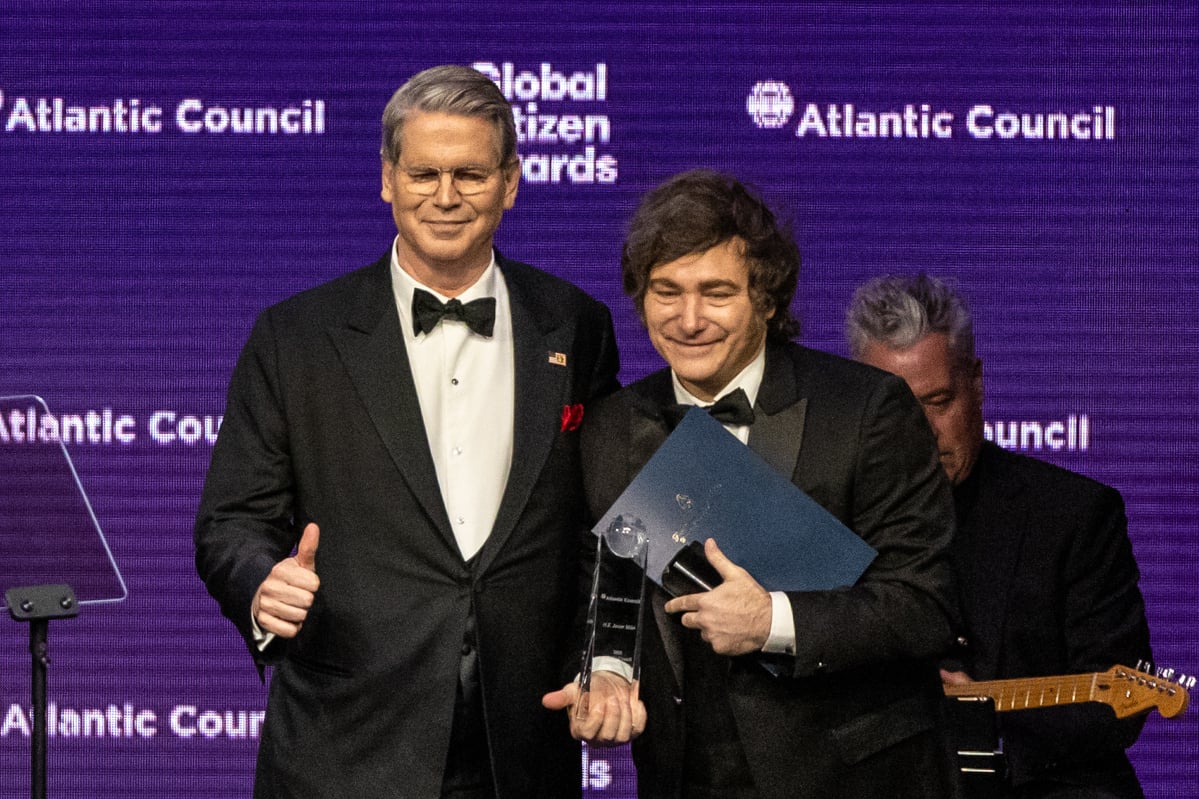
The US has purchased Argentine pesos and finalized a $20 billion currency swap with Argentina's central bank to help stabilize the country's economy amid ongoing turmoil, though officials emphasize it is not a bailout. The move follows meetings in Washington and is part of broader efforts to support Argentina's financial stability, amid political and economic tensions.
Malawi is counting votes in a closely contested presidential election amid economic hardship, with a potential runoff between incumbent Lazarus Chakwera and former President Peter Mutharika, as the country faces high inflation, fuel shortages, and recent natural disasters.
Argentina's economic turmoil is worsening due to unsustainable spending policies that have led to depleted government coffers, soaring inflation, and interest rates. President-elect Javier Milei will need to address these issues when he takes office in December.
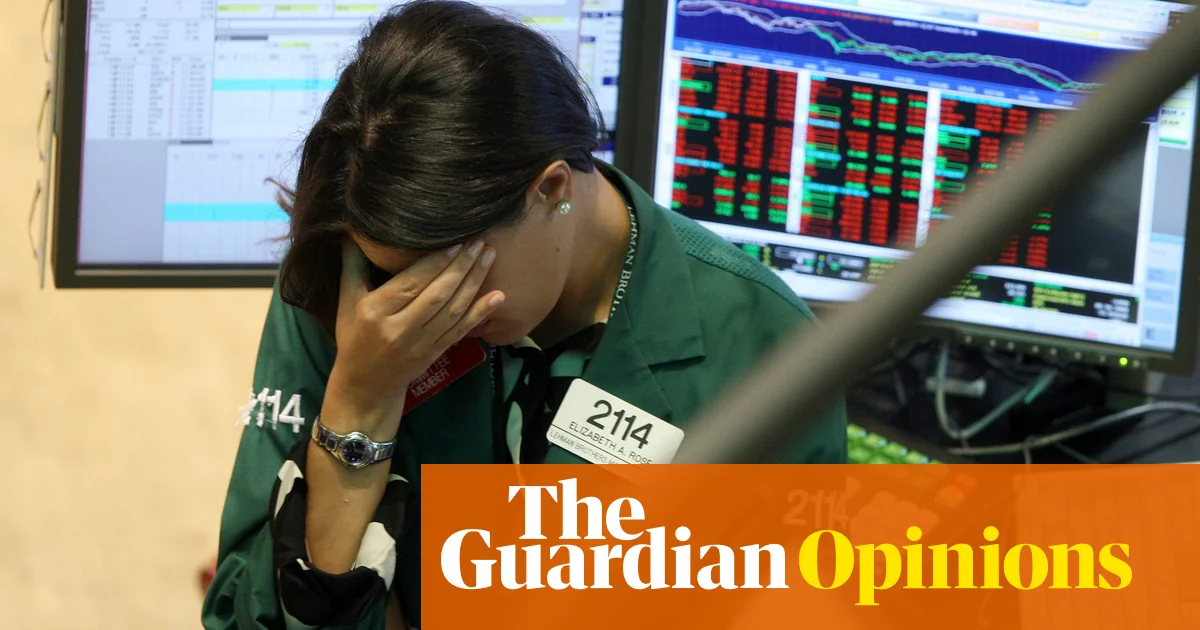
The global banking system appears fragile as the rapid increase in interest rates used to tackle soaring inflation sends shock waves through the City. While the problems are limited to a few troubled banks, the situation is not entirely without danger. Bank shares and bonds have sold off sharply, driving up the cost of funding even for supposedly strong and stable lenders. The big worry is that a higher cost of funding for banks will be passed on to households and businesses, leading to a credit crunch. The failure of the recovery from the last crash would suggest a change in tack is required.