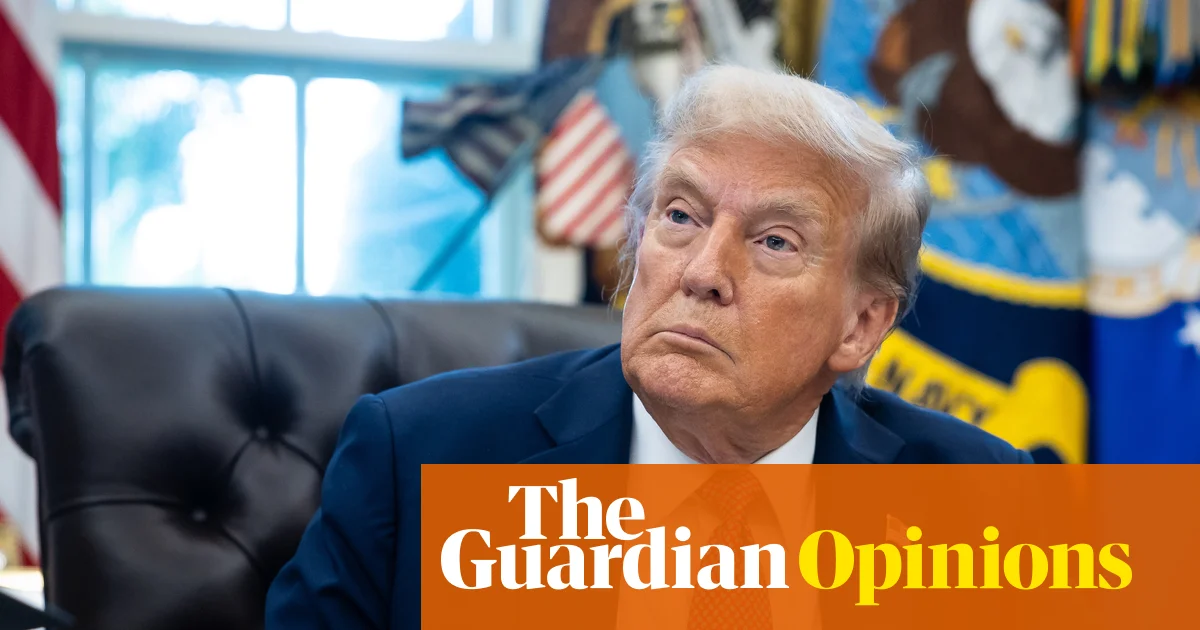
The article discusses how Donald Trump's unpredictable and radical policies, including tariffs and government interventions, threaten to fundamentally alter the US economic model, moving away from traditional norms and creating a landscape of radical uncertainty that could reshape the country's economic future.
Former Federal Reserve Chairman Ben Bernanke has advised the Bank of England to overhaul its main economic model, suggesting that the current framework may not be suitable for the post-pandemic world. Bernanke emphasized the importance of adapting economic models to changing circumstances and incorporating lessons learned from the global financial crisis.
Argentina's upcoming presidential election on October 22 is particularly significant for the country's young electorate, as 16 and 17-year-olds have the right to vote. Many young Argentines are struggling with a cost-of-living crisis and triple-digit inflation, leading to the popularity of presidential frontrunner Javier Milei, a brash political outsider who promises to upend the country's economic model. However, Milei's conservative social views and proposed sharp cuts to government spending are off-putting to some young voters, who fear the impact on social safety nets. Despite the economic turbulence, some young voters are still supporting the ruling party candidate Sergio Massa, while others are drawn to Milei's promise of change.
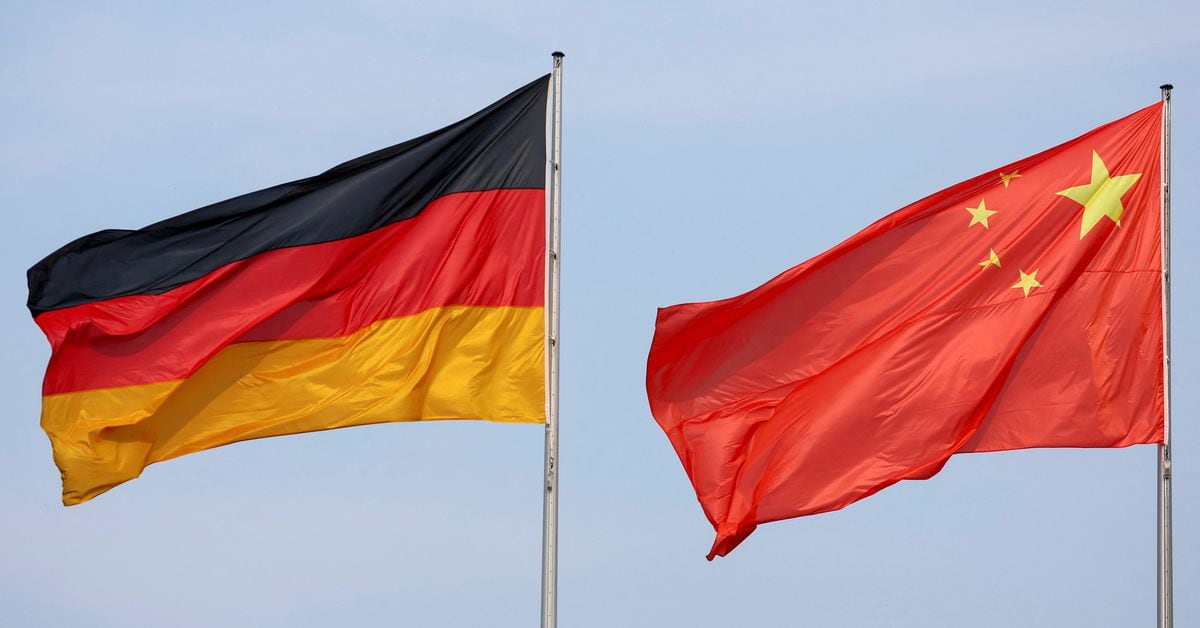
The volume of investment guarantees provided by the German government to companies investing in China has significantly decreased this year, reflecting Berlin's efforts to reduce reliance on the country. Only 51.9 million euros in guarantees have been issued so far in 2023, compared to 745.9 million euros issued in 2022. Germany's new China strategy aims to address security risks associated with investments in China, as slowing growth and concerns over advanced Chinese manufacturing threaten Germany's economic model. The decline in investment guarantees and lower export volumes to China indicate a shift in Germany's economic relationship with the country.
Veteran investor David Roche believes that China's economic model is "washed up on the beach" and will not experience a revival, which will have significant implications for global markets. Despite recent stock market rallies, concerns are growing over the potential ripple effect of a prolonged slowdown in China. The country's economic growth has been fueled by contributions from property and manufacturing, but these sectors are now diminishing. Roche warns that economies reliant on manufacturing will struggle to generate meaningful growth, leading to social unrest and geopolitical problems. He also highlights the need for developed markets to squeeze profit margins to bring down inflation sustainably. Roche recommends investors accumulate U.S. Treasuries and safe haven assets.
The Swiss government urged UBS to rescue its failing rival, Credit Suisse, in a move that highlights the country's economic model and national identity, which are built on safeguarding the world's wealth. The stakes were high for Switzerland, as it wasn't just about a bank, but the country itself needed rescuing.