
The stock market is experiencing a rare event, with the S&P 500's Shiller P/E ratio reaching 38.18, a level seen only three times in 153 years. Historically, such high valuations have preceded significant market downturns, as seen during the dot-com bubble and in 2022. While this suggests a potential correction, long-term investors are reminded that economic expansions typically outlast recessions, emphasizing the importance of patience and perspective in investing.
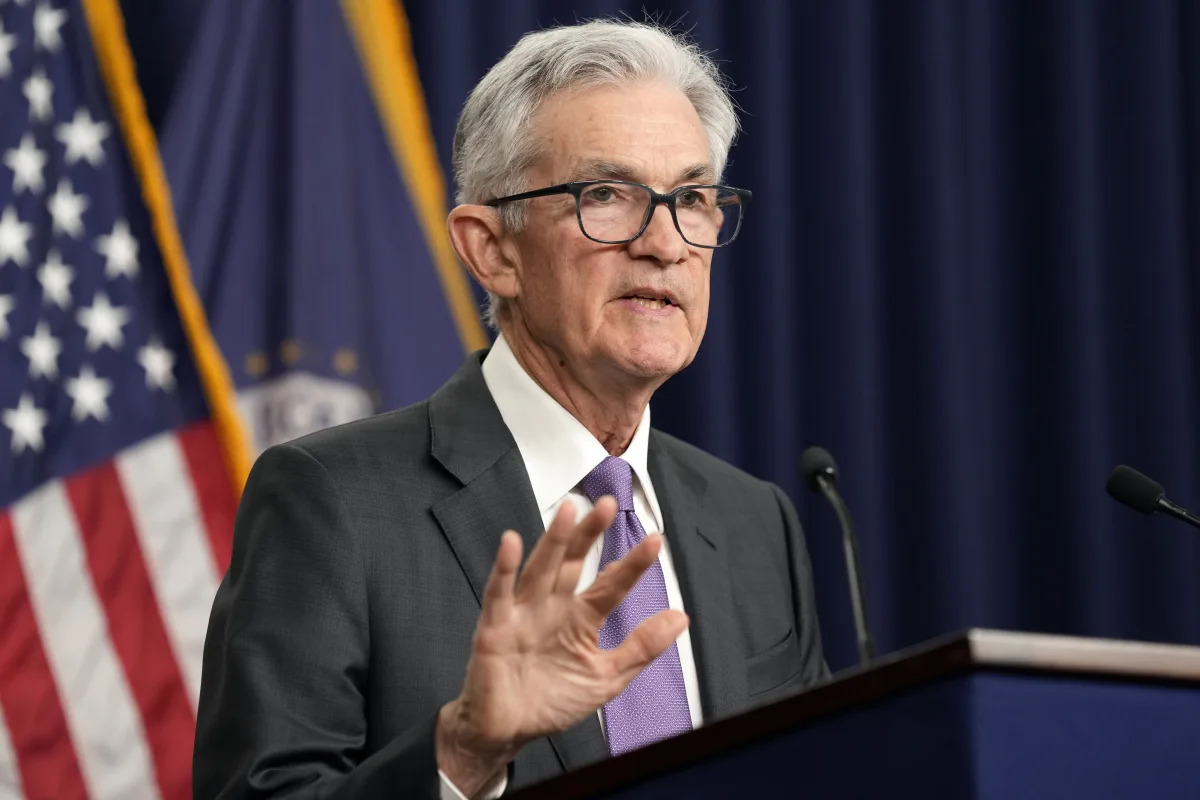
A recent surge in inflation has caused bond markets to react, with the US 10-year Treasury note yield reaching its highest level since November. The Federal Reserve had previously indicated potential rate cuts in 2024, but the latest inflation data has raised concerns about a repeat of the 1970s inflation era. The Fed aims to avoid the high and variable inflation that characterized that period, and historical lessons suggest that keeping policy rates relatively high, even as inflation declines, may be key to managing inflation without causing a recession.
The M2 money supply in the US has experienced a significant decline, a rare occurrence not seen since the Great Depression, which historically foreshadows economic trouble. While predicting stock market movements in the short term is challenging, historical data suggests that a contraction in M2 money supply has been associated with periods of depression and high unemployment. However, long-term investors are reminded that economic cycles, including recessions, are normal and have historically been followed by periods of growth. Despite the potential impact on corporate earnings, the long-term resilience of the US economy and stock market suggests that a historic decline in M2 money supply should not be a cause for concern for investors with a long-term horizon.
The potential impact of a second term for President Joe Biden on the stock market is examined, with concerns raised about proposed policy changes such as tax increases on stock buybacks and corporate profits. Historical data suggests that Democratic presidents have historically overseen positive stock market returns, outperforming their Republican counterparts. Long-term investment trends indicate that regardless of the party in power, patient investors have historically been well-positioned to grow their wealth on Wall Street.
The article discusses the lingering impact of Japan's 1980s economic bubble and its implications for current relations with China, as China may use historical grievances to influence Japan's current economic and diplomatic decisions.