Mortgage rates are expected to remain stable in January 2026, around 6%, with potential slight decreases later in the year, influenced by economic data and inflation trends, impacting buyer affordability and market activity.
R.O.'s Bar-B-Que in Gastonia, a beloved 80-year-old restaurant, is closing due to economic challenges, with its products still available at local retailers, marking the end of a community staple.
In 2023, about 40% of young Americans aged 18-30 live with their parents, mainly due to high housing costs, education expenses, and a challenging job market. The majority are employed but earn less and work fewer hours than their peers living independently. Cultural and socioeconomic factors influence these living arrangements, with minorities more likely to live at home. This trend reflects broader economic challenges and varies across different demographic groups.
The price of gold has recently declined from its record high, offering investors a potential entry point. After reaching $2,776.10 per ounce on October 29, it has dropped nearly 6% to $2,611.53 by November 12. Investors are advised to explore various gold investment options such as gold IRAs, ETFs, futures, and stocks, and consider investing more than initially planned due to the lower price. It's important to remember that while gold can diversify a portfolio and hedge against inflation, it should not be relied upon as a primary income source. Investors should aim for a balanced portfolio to capitalize on gold's potential benefits.
A study analyzing home prices and election results suggests that rising home values in swing counties could favor Biden in the 2024 election. The study found that counties with significant home price increases are more likely to vote for the incumbent. However, despite the potential electoral advantage, high home prices have also led to widespread economic dissatisfaction, which could impact voter sentiment.
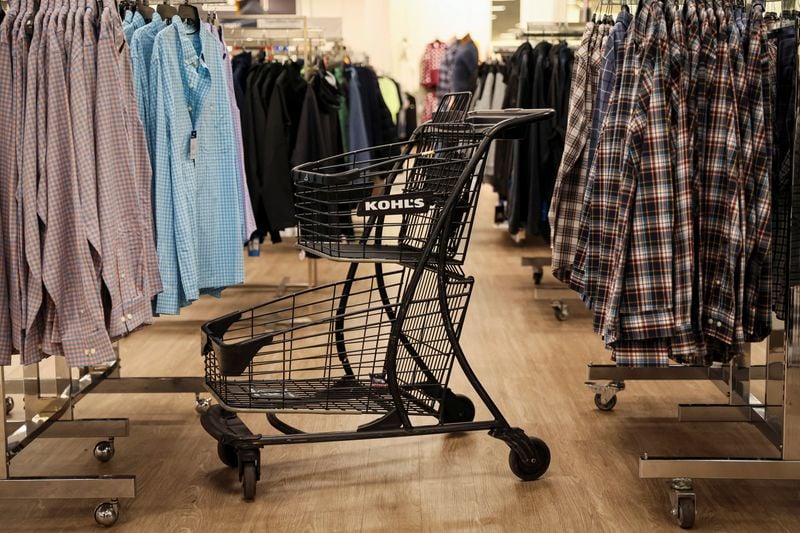
Kohl's shares plummeted by up to 26% after the department store chain reported a surprise quarterly loss and cut its annual sales and profit forecasts due to weaker consumer demand for apparel and footwear. The company cited economic pressures such as high interest rates and inflation affecting middle-income customers, while high-income customers' spending remained steady. Lower clearance sales also contributed to a 4.4% decrease in comparable sales for the first quarter.
The tech industry has seen 32,000 job cuts in 2024, with companies like Snap Inc. and Okta Inc. reducing their workforces. Economic factors and a shift towards artificial intelligence are cited as reasons for the layoffs, while job postings for AI-related positions have increased. Despite the layoffs, the industry is also aggressively hiring in other areas, with uncertainty expected to persist until the Federal Reserve takes action on interest rates.
Anchor Brewing Co., a historic landmark in San Francisco and the nation's first craft brewery, has announced that it will cease operations and liquidate the business due to economic factors, including declining sales since 2016. The company will provide transition support and separation packages to its employees. Anchor has already stopped brewing but will continue packaging and distributing its remaining beer until the end of July. The company is considering filing for bankruptcy under federal Chapter 7 or 11.